U.S. Energy Secretary Issues Emergency Order to Stabilize Guam's Power Grid Amid Generation Shortfalls
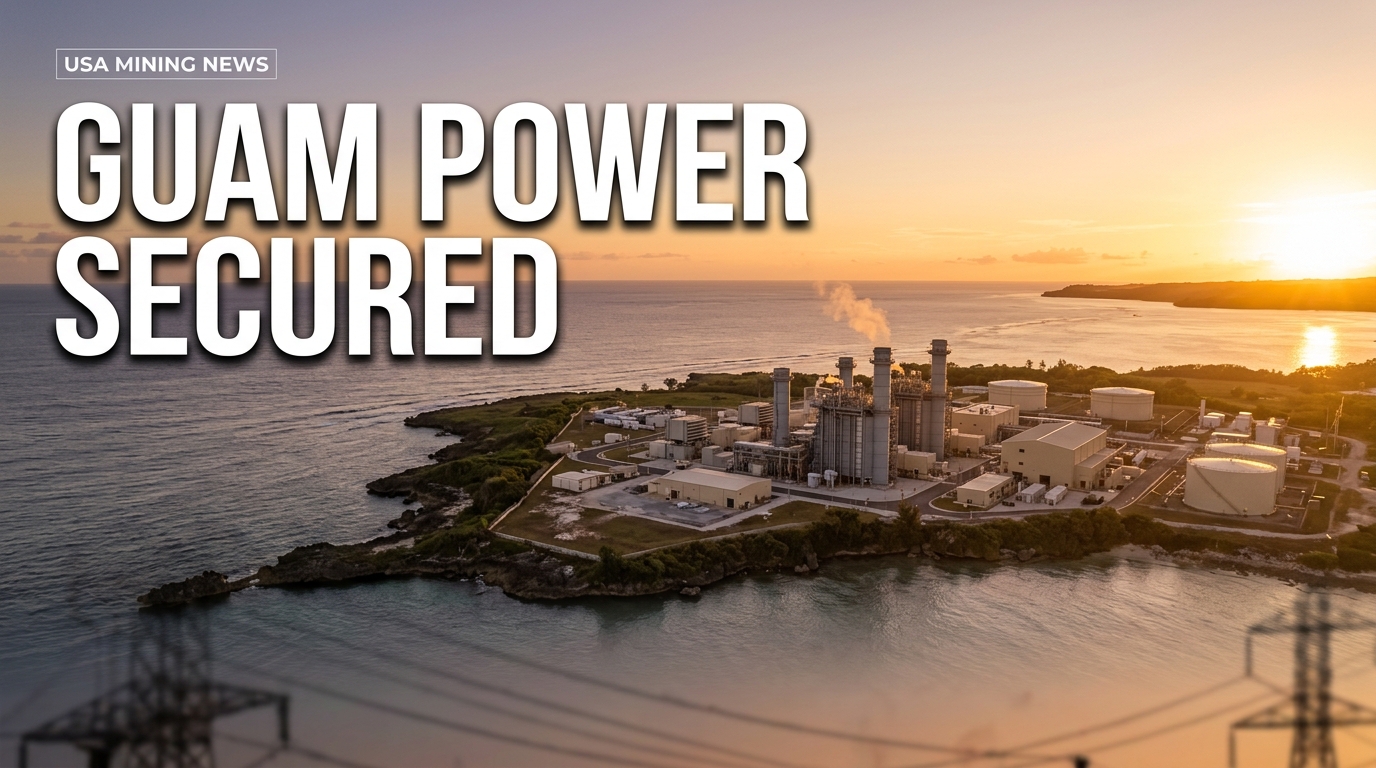
WASHINGTON – In a decisive move to safeguard the energy security of a critical U.S. territory, U.S. Secretary of Energy Chris Wright on August 5, 2026, issued an emergency order authorizing the Guam Power Authority (GPA) to operate specified generation units. This action, effective from 10:00 AM Guam Standard Time on August 6, 2026, through 11:59 PM Guam Standard Time on November 4, 2026, is designed to prevent widespread blackouts and ensure grid stability for the families and businesses across Guam. The order was a direct response to a request from GPA, which faces significant limitations in meeting anticipated electricity demand due to critical infrastructure outages, most notably the emergency repair of the Ukudu steam turbine.
Secretary Wright emphasized the administration's commitment, stating, "President Trump and the Department of Energy remain committed to using every available tool to reduce the risk of power outages and lower energy costs for hardworking families and businesses. Today’s order responds to the urgent need to strengthen grid reliability while ensuring the people of Guam have access to affordable, reliable, and secure electricity." This statement not only highlights the immediate necessity of the intervention but also frames it within a broader federal mandate to enhance energy security and affordability across U.S. jurisdictions, a factor of increasing importance for all industrial sectors, including mining.
The Immediate Crisis: Ukudu's Offline Status and GPA's Plea
The core of Guam's immediate energy challenge lies with the Ukudu steam turbine, a significant component of the island's power generation infrastructure. Its unexpected and urgent offline status for emergency repairs has severely curtailed GPA's ability to produce sufficient electricity to meet the island's demand. For an island grid, the sudden loss of a major baseload generator like a steam turbine creates an immediate and substantial generation deficit. Steam turbines are often critical for providing consistent, large-scale power, forming the backbone of many regional grids. Their unscheduled shutdown often triggers a cascade of operational issues, forcing utilities to rely on less efficient or limited backup generation, or resort to load shedding.
GPA's request to the Department of Energy underscores the severity of their situation, indicating that without federal intervention, the risk of energy shortfalls and widespread blackouts would be imminent. The emergency order grants GPA the necessary operational flexibility to deploy alternative, potentially less conventional, or typically restricted generation units to bridge this critical gap for nearly three months. This period is crucial for GPA to conduct the necessary repairs on the Ukudu unit or to implement other interim solutions to stabilize its power supply.
Understanding Grid Reliability Challenges in Island Jurisdictions
Guam's predicament is a stark reminder of the unique and often precarious nature of power grid reliability in isolated island jurisdictions. Unlike mainland grids, which benefit from extensive interconnections, diverse generation sources, and robust transmission networks that allow for redundancy and mutual support, island grids are inherently more vulnerable. Their challenges include:
- Limited Generation Options: Islands typically have a smaller installed generation capacity and fewer types of power plants, making them highly susceptible to outages when a major unit goes offline.
- Dependence on Imported Fuel: Many island grids rely heavily on imported fossil fuels (diesel, heavy fuel oil, natural gas), which are subject to global commodity price fluctuations and vulnerabilities in supply chains, increasing both costs and energy security risks.
- Aging Infrastructure: Investment in new power plants and grid modernization can be slower in smaller economies, leading to an aging fleet of generators that are more prone to breakdowns and require extensive maintenance.
- Geographic Isolation: The inability to import power from neighboring regions means any generation shortfall must be met by existing, often strained, local resources.
- Environmental Vulnerabilities: Island nations are often at higher risk from extreme weather events, which can cause significant damage to power infrastructure.
These factors contribute to higher energy costs and greater instability, issues that resonate deeply with energy-intensive industries operating in similar remote or constrained environments globally.
The Broader Implications for Industrial Operations and the Mining Sector
While the immediate focus of the emergency order is on Guam's residential and commercial consumers, its implications extend significantly to industrial operations, particularly within the global mining sector. The mining industry is one of the most energy-intensive sectors worldwide, with power representing a substantial portion of operational expenditure, often ranging from 15% to 40% depending on the commodity and processing complexity.
For mining operations, grid reliability is not merely a convenience but a fundamental pillar of productivity, safety, and financial viability. Consider the following connections:
- Operational Continuity: Modern mines rely on continuous power for everything from massive excavators and haul trucks to sophisticated processing plants (crushers, mills, flotation circuits) and essential safety systems like ventilation and dewatering pumps. An unexpected power outage, even for a few hours, can halt production, damage sensitive equipment, and incur significant costs due to lost output and restart procedures.
- Energy Costs and Competitiveness: Unreliable grids often necessitate the installation and operation of expensive backup diesel generators, significantly increasing operating costs and carbon footprint. For mining companies operating in regions with grid instability, these additional costs can erode profit margins and impact their global competitiveness. The federal intervention in Guam, by stabilizing costs, indirectly supports the economic environment for all local businesses, including any potential future industrial ventures.
- Critical Minerals Supply Chain: As the world transitions to a greener economy, the demand for critical minerals—such as copper, nickel, lithium, cobalt, and rare earth elements—is skyrocketing. These minerals are essential for electric vehicles, renewable energy infrastructure, and advanced technologies. The extraction and processing of these materials are often energy-intensive. Ensuring a stable and affordable energy supply in regions where these minerals are found, or where processing facilities might be located, is crucial for securing robust and resilient supply chains. The U.S. Department of Energy, through initiatives like the emergency order in Guam, demonstrates its commitment to overall energy security, which indirectly supports the broader industrial base necessary for critical mineral development.
- ESG and Social License to Operate: For mining companies, reliable access to power also impacts Environmental, Social, and Governance (ESG) commitments. Reducing reliance on expensive, high-emission backup power aligns with decarbonization goals. Furthermore, a stable power supply contributes to community well-being, enhancing a mine's social license to operate—a critical factor for long-term project success.
- Remote Operations Analogy: Many mining operations are in remote locations, analogous to island grids in terms of their isolation and potential for supply chain vulnerabilities. Lessons learned from managing grid stability in places like Guam can inform strategies for developing robust and resilient energy solutions for remote mine sites, including the integration of microgrids, renewable energy sources, and energy storage systems.
The proactive measure taken by Secretary Wright in Guam serves as a pertinent case study for mining executives and investors, highlighting the need for comprehensive energy risk management and strategic infrastructure investment, particularly in regions vital for global supply chains.
Key Players and Regulatory Frameworks: DOE's Role in Emergency Response
The U.S. Department of Energy (DOE) plays a pivotal role in ensuring the nation's energy security and resilience, a mandate that extends to its territories. The issuance of an emergency order under specific statutory authorities grants the Secretary of Energy broad powers to intervene in critical energy situations. These powers are typically invoked during emergencies, natural disasters, or significant infrastructure failures that threaten energy supply or grid stability.
Secretary Wright’s announcement, referencing President Trump’s administration, underscores a federal policy emphasis on energy reliability and affordability. This focus involves leveraging federal resources and regulatory authority to support local utilities facing insurmountable challenges. For the Guam Power Authority, a public utility responsible for electricity generation, transmission, and distribution on the island, the DOE’s intervention provides a critical lifeline, enabling it to bypass potential regulatory hurdles or logistical constraints that might otherwise prevent the timely deployment of necessary generation assets.
Guam's Energy Landscape and Future Infrastructure Needs
Guam, a strategic U.S. territory in the Western Pacific, has historically relied on a mix of oil-fired steam and diesel generators for its power supply. This reliance on fossil fuels, combined with an aging infrastructure and the inherent challenges of an island grid, has made it vulnerable to price volatility and operational disruptions. The incident with the Ukudu steam turbine highlights the urgent need for Guam to diversify its energy mix and modernize its grid infrastructure.
Future investment in Guam's energy sector will likely focus on enhancing grid resilience through smart grid technologies, exploring greater integration of renewable energy sources such as solar and wind power, and potentially evaluating energy storage solutions. Such developments would not only mitigate the risks of future blackouts but also contribute to long-term energy cost stability and environmental sustainability, providing a more robust foundation for all economic activity on the island.
Outlook and Long-Term Stability for Guam's Power Supply
The emergency order provides a vital, albeit temporary, reprieve for Guam’s power grid, lasting until early November 2026. During this period, GPA will be under intense pressure to complete the repairs on the Ukudu steam turbine and assess its overall generation capacity. Beyond this immediate fix, the incident serves as a catalyst for long-term strategic planning for Guam’s energy future. This would involve:
- Infrastructure Modernization: Investing in new, more efficient, and diverse generation sources, including cleaner energy technologies.
- Grid Hardening: Implementing measures to protect infrastructure from natural disasters and enhance its ability to withstand disruptions.
- Energy Policy Development: Crafting policies that encourage private investment in energy projects and promote energy efficiency.
For the mining industry, and indeed all heavy industries, the situation in Guam reinforces a universal truth: reliable and affordable energy is non-negotiable for sustained operations and economic growth. The Department of Energy’s swift action underscores the recognition at the highest levels of government that energy security is paramount, not just for domestic tranquility but for the broader industrial ecosystem that underpins national prosperity and strategic interests.