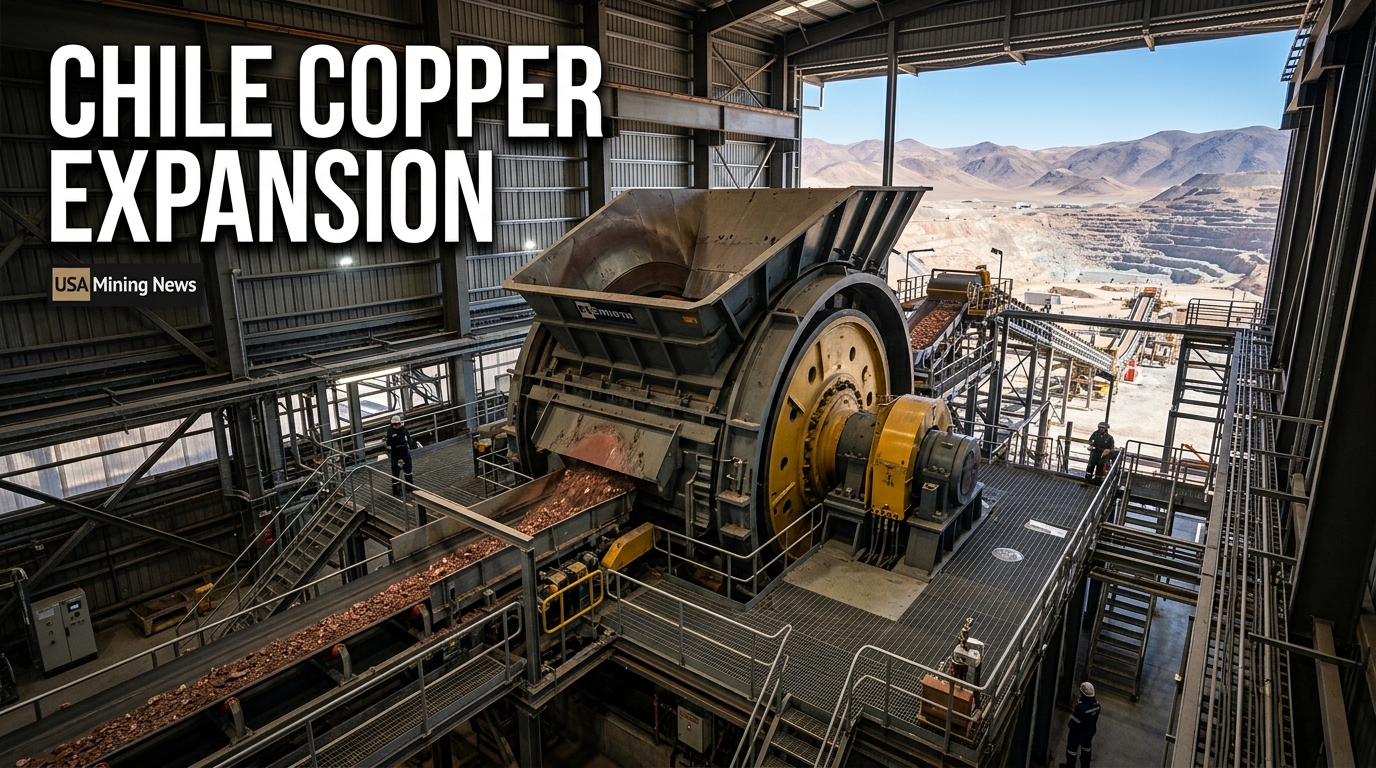
Chile is aggressively moving to streamline its mining permit approval process, aiming to unlock over $100 billion in investment and revitalize its pivotal copper sector. This initiative, spearheaded by Economy and Mining Minister Daniel Mas, seeks to reduce processing times by 30% for approximately 200 procedures without compromising environmental standards, fostering legal certainty and attracting significant capital to key projects across copper and lithium.
Banyan Gold, a Vancouver-based gold explorer, recently secured C$46.5 million ($34 million) through a strategic capital raise, propelling its stock to an all-time high. The significant financing is earmarked for advanced exploration at its flagship AurMac property in Canada's Yukon Territory, where the company has defined substantial indicated and inferred gold resources totaling over 7.7 million ounces. This development signifies strong investor confidence in Banyan Gold's project potential and Canada's role as a premier jurisdiction for gold exploration.
<p></p>
<p>In a significant move for critical minerals supply chain resilience, Texas-based Amermin and Ulterra Drilling Technologies have announced a global expansion of their recycling partnership. This collaboration now includes the processing of Ulterra’s waste streams from Canada and Argentina, supplementing their existing U.S. operations, to recover vital materials like tungsten, cobalt, and nickel. The expansion, supported by an $11.5 million U.S. Department of Energy grant awarded to Amermin earlier this year, aims to bolster domestic and allied critical minerals supply, reducing reliance on geopolitically sensitive sources.</p>
<p>
Copper prices are rapidly approaching an all-time high, driven significantly by a substantial resurgence in Chinese smelter activity. Satellite data from Earth-i reveals a dramatic increase in operational capacity across China, while global concentrate supply faces unprecedented tightening due to geopolitical conflicts and strategic shifts in major mining nations, pushing treatment and refining charges into negative territory for the first time on record. This dynamic environment offers both opportunities and significant challenges for global mining companies and investors.
Privately held Mangrove Lithium has inaugurated North America’s first commercial electrochemical lithium refinery in Delta, British Columbia, on April 18, 2026. This landmark facility, capable of producing 1,000 tonnes of battery-grade lithium hydroxide annually, addresses a critical refining gap in Canada's burgeoning battery supply chain and represents a significant step towards localizing vital mineral processing for electric vehicle production. Backed by substantial investment and leveraging an innovative, low-carbon electrochemical technology, Mangrove is poised to expand its operations with a larger refinery planned for Quebec, aiming to establish a comprehensive mine-to-chemical ecosystem within Canada.
An environmental advocacy group, the National Parks Conservation Association, represented by Earthjustice, has filed a lawsuit against the U.S. Department of the Interior over its 2025 approval of Dateline Resources' Colosseum rare earth mining project within the Mojave National Preserve. This legal challenge, citing alleged violations of federal laws and a lack of proper permits, positions a vital critical minerals initiative against long-standing environmental protections for one of California's most significant national park sites. The dispute underscores the persistent tension between domestic resource extraction and conservation, with potential implications for the broader U.S. critical minerals supply chain and investor confidence in such projects.
Mogotes Metals has secured an option-to-joint-venture agreement with Kennecott Exploration Company, a Rio Tinto subsidiary, for the Copper Cliff Project in Montana, US. This strategic partnership enables Mogotes to invest up to $56 million over six years to earn a 60% interest in the gold-copper porphyry asset, leveraging Kennecott's extensive historical exploration data from the property. The agreement signifies a significant revitalization effort for a historically productive mining district and underscores the growing industry interest in North American critical minerals.
Northern Lithium, a crucial player in the UK's emerging critical minerals sector, has secured £600,000 in UK Government funding alongside £5 million in equity investments to accelerate its 2026 development plans. This capital infusion will support a vital front-end engineering design (FEED) feasibility study for a commercial-scale lithium-from-brines plant at Ludwell Farm, County Durham, with commercial production targeted for 2028. The initiative aims to significantly bolster the UK's domestic lithium supply, reduce its 100% import dependency, and contribute to its ambitious net-zero and electric vehicle manufacturing goals.
News Century Aluminum starts production at expanded Mt. Holly plant The expansion is projected to boost US primary aluminium production by 10%. Shree Mishra April 17, 2026 Share Copy Link Share on X Share on Linkedin Share on Facebook The facility is expected to add 750,000t to the nation’s aluminium production capacity. Credit: Lovember06/Shutterstock.com. Century Aluminum has initiated hot metal production at its expanded Mt. Holly facility in South Carolina, US. This expansion, aimed at reaching full capacity by June 2026, is expected to boost US primary aluminium production by 10%. Go deeper with GlobalData Reports Mountain Laurel Mine Reports Twentymile Coal Mine Go deeper with GlobalData The gold standard of business intelligence. Find out more Discover B2B Marketing That Performs Combine business intelligence and editorial excellence to reach engaged professionals across 36 leading media platforms. Find out more The project has resulted in the creation of more than 125 jobs. Additionally, Century, in collaboration with Emirates Global Aluminum, announced plans for a new primary aluminium smelter in Oklahoma. This facility is expected to add 750,000t to the nation’s aluminium production capacity, effectively doubling it. The project represents a significant investment in US metal production and is set to generate...
Hitachi Construction Machinery (Europe) has delivered its EX2600-7E ultra-large electric excavator to Rudnik uglja Pljevlja in Montenegro, marking the first deployment of this electric model in Europe. This significant move signals the Pljevlja coal mine's commitment to modernizing its fleet, reducing long-term operating costs, and leveraging local electricity generation to decrease reliance on imported diesel fuel. The 250-tonne machine is a strategic investment poised to enhance operational efficiency and contribute to Montenegro's energy sector.
Origen Resources has announced its intent to acquire a significant rare earth elements (REEs) project in north-eastern Brazil, covering over 33,000 hectares across Piauí and Bahia states, with initial soil sampling indicating a 4km by 6km anomalous REE zone peaking at 282 ppm TREO+Y. This strategic move positions Origen as a major landholder in an emerging REE belt, targeting critical ion adsorption clay-hosted deposits and capitalizing on Brazil's potential to diversify global REE supply chains.
Fredonia Mining has launched an extensive 10,000-meter diamond drilling program at its El Dorado–Monserrat (EDM) gold project in Argentina, aiming to significantly expand and enhance the existing 2.25 million ounce gold equivalent resource. Situated in Santa Cruz Province's prolific Deseado Massif, this critical exploration phase will assess high-priority targets, extend known mineralization, and conduct infill drilling to bolster geological confidence ahead of future development studies, signaling a disciplined advance toward unlocking the project's full potential.
<p class="summary">The Federal Energy Regulatory Commission (FERC) has announced its commitment to take definitive action by June 2026 on reforms for large load interconnection, a directive issued by U.S. Secretary of Energy Chris Wright. This initiative, strongly commended by Deputy Secretary of Energy James P. Danly, aims to streamline the grid integration of major industrial and commercial consumers, support the co-location of generation and demand, and accelerate new power infrastructure to achieve American energy dominance and ensure affordable, reliable energy for the nation. For the mining industry, which depends heavily on substantial, consistent power supplies, these reforms promise to unlock bottlenecks, improve project viability, and strengthen domestic mineral production.</p>
USA Rare Earth, through its UK-based subsidiary Less Common Metals (LCM), has announced the commercial production of 99-99.5% pure yttrium metal at its facility in Cheshire. This achievement positions the company as one of the few non-Chinese producers of this critical rare earth metal, which is essential for high-performance applications in aerospace, defense, electronics, and energy systems. The development is a significant step in USA Rare Earth’s strategy to build an integrated, Western-aligned rare earth supply chain from mining to magnet manufacturing, reinforcing national security and technological independence.
<p></p>
<p>In a significant development for the global mining technology sector, UK-based MMD Group has announced its acquisition of the intellectual property rights for TraxIQ from Anglo American. This strategic move, reported on April 16, 2026, positions MMD to industrialize, commercialize, and deploy TraxIQ, a comprehensive and scalable material handling solution featuring modular vehicle structures, advanced energy management, and autonomous control systems. The acquisition underscores the mining industry’s increasing focus on innovation to enhance productivity, reduce emissions, and lower operational costs amidst rising demand for critical minerals.</p>
<p>
<p></p>
<p>Tocvan Ventures is significantly accelerating development at its Gran Pilar Gold-Silver Project in Sonora, Mexico, by deploying heavy machinery, including a dozer, excavator, and haul truck. This strategic move aims to expedite trenching, road construction, and pilot-scale material handling as part of a fully funded 20,000-meter drilling program. With ongoing drilling success and promising bulk sampling results, Tocvan is poised to advance rapidly towards a maiden resource estimate and potential near-term pilot production, de-risking the project for stakeholders.</p>
<p>
Amidst the escalating conflict between the US, Israel, and Iran, global oil supply chains are facing unprecedented pressure, leading to the closure of the Strait of Hormuz and a US blockade of Iranian vessels. This geopolitical turmoil has significantly choked Middle Eastern oil exports from major producers like Saudi Arabia and the United Arab Emirates, forcing a rapid scale-down in production. The ramifications are reverberating through global markets, with profound implications for energy-intensive sectors such as mining, as explored in the recent <em>Energy Technology: Industry Insights</em> podcast.
Turner Mining Group has secured a significant equipment financing partnership with Wingspire Equipment Finance, establishing a capital facility of up to $150 million. This strategic funding, initiated with an immediate $20 million draw, is earmarked for the substantial expansion of Turner's mobile mining fleet, directly supporting new projects and accelerating growth across North America. The flexible capital structure is designed to empower rapid operational scaling, allowing the company to promptly meet increasing client demands within the thriving mining and natural resources sectors.
SAGA Metals has strategically expanded its critical minerals portfolio by agreeing to acquire Catalyst Rare Metals, gaining full ownership of the royalty-free Wolverine rare earth element (REE) project in Canada. This acquisition, announced on April 15, 2026, positions SAGA to develop a high-potential heavy rare earth asset in a Tier-1 jurisdiction, directly supporting North American supply security for the clean-energy transition and defense industries. The Wolverine project, covering 230.5 km² in Labrador, has shown promising near-surface REE mineralization with significant heavy rare earth enrichment, driving SAGA's plans for a 2026 exploration program aimed at a maiden NI 43-101 compliant resource estimate.
On April 14, 2026, a groundbreaking ceremony in New York City officially commenced construction of the Northeast Supply Enhancement (NESE) Pipeline, a critical project by Williams Companies aimed at delivering natural gas from Pennsylvania to New York City and Long Island. Expected to be in service by late 2027, the NESE pipeline will add 400,000 dekatherms per day of capacity, poised to significantly lower energy costs for millions and bolster energy reliability across the Northeast. This major infrastructure development highlights a strategic federal initiative to enhance American energy independence and presents substantial implications for the broader U.S. industrial and mining sectors.
The global mining industry is rapidly embracing digitalization, but traditional communication systems often hinder the full potential of advanced technologies. This article details how a strategic partnership between Ericsson and Becker-Lasec is addressing this critical challenge by combining industrial-grade 5G connectivity with mining-specific digital tools, offering a unified, scalable solution for enhanced safety, productivity, and operational intelligence in mines worldwide. Through real-world deployments in Latin America, their integrated approach is proving vital for unlocking data-driven insights from surface to underground.
The global mining industry is undergoing a significant transformation, driven by the adoption of autonomous operations and sophisticated digitalization. Central to this evolution is the deployment of private 5G networks, which are proving instrumental in enhancing safety, optimizing productivity, and enabling precise indoor positioning for both personnel and machinery. This article explores how these advanced technologies are future-proofing mining, with companies like Ericsson leading the charge in delivering crucial connectivity and positioning solutions.
The global aluminium industry is witnessing a significant pivot towards advanced robotics and automation, driven by escalating demand, tightening supply chains, and the inherent hazards of traditional smelting operations. This strategic shift aims to enhance safety, improve operational consistency, and build resilience against disruptions, with key players like AlumatIQ and Autoa Robot Welding spearheading innovative solutions for the notoriously dangerous potroom environment. Market forecasts indicate substantial growth in the smelt robot sector, underlining the industry's commitment to leveraging technology for a more efficient and secure future.
<p></p>
<p>As mineral deposits become increasingly challenging to access, mining companies are turning to advanced connectivity solutions to prioritize worker safety without sacrificing productivity. A recent development, highlighted by the collaboration between Newmont and Ericsson, showcases how private 5G networks are transforming remote mining operations, addressing the limitations of traditional Wi-Fi and paving the way for significantly safer and more efficient automated systems across vast, hazardous terrains.</p>
<p>
A pioneering collaboration between Ericsson and mining equipment leader Epiroc is fundamentally transforming the global mining sector through the widespread deployment of private 4G/5G cellular networks. This strategic partnership, initiated in 2016, enables enhanced automation, real-time monitoring, and ultra-low latency control across mining operations, addressing critical industry demands for improved safety, productivity, cost efficiency, and reduced environmental impact. The integration of advanced connectivity with modern mining machinery is setting a new standard for the mine of the future, as exemplified by projects like the EU-funded NEXGENS initiative.
Red Mountain Mining is relaunching antimony exploration across its US projects, including Thompson Falls in Montana-Idaho and Yellow Pine and Silver Dollar in Idaho, capitalizing on favorable weather conditions. This strategic move aims to define significant antimony resources, with initial rock chip analysis from Thompson Falls showing up to 36.5% antimony, and is supported by new advisory appointments and expedited environmental approvals. The initiative aligns with US government efforts to secure domestic critical mineral supplies, particularly antimony, reducing reliance on foreign sources.
Pacgold has successfully transitioned from an explorer to a gold producer, achieving initial gold output at its White Dam Gold Project in South Australia. Within 14 days of recommissioning the processing plant, approximately 2kg (60oz) of calcined gold was retrieved, with the company anticipating shipment of its first doré product by the end of April 2026. This significant milestone is supported by operational enhancements and strategic expansion plans, including a substantial pad extension and ongoing resource delineation efforts.
Venezuela’s National Assembly has unanimously approved a comprehensive new mining law, a 131-article bill championed by Acting President Delcy Rodríguez, aimed at attracting foreign investment, particularly from the United States. This legislation replaces a nearly 30-year-old system, introducing a more flexible tax structure, extended concession periods, and crucial access to international arbitration for disputes, signaling a concerted effort to revitalize the nation's strategic mineral sector, including gold and bauxite. The reform seeks to balance state control over resources with enhanced legal assurances for international investors, marking a significant policy shift after decades of state-centric policies and past nationalization events.
Infographic: Latin America’s top miners may surprise Henry Lazenby | April 10, 2026 | 8:03 am Intelligence Markets Suppliers & Equipment Top Companies Latin America Copper Iron Ore Lithium Rare Earth Specialty Minerals Latin America’s most mining-dependent countries are not always its biggest economies. Our latest infographic ranks the region first by mining’s share of total exports and then by the value of those exports. The comparison shows where metals matter most to trade and where scale still rules, from copper giants Chile and Peru to smaller producers whose economies lean far more heavily on mining. 2026 is shaping to be a key year for Latin America, with resources at the centre of a growing global power struggle, as governments and investors focus on who controls critical minerals and the supply chains behind them. If the region matters to you, don’t miss MINING.COM’s Latin America series tracking the geopolitical forces reshaping it and why markets are increasingly driven by global alliances as much as local politics. Countries in the series so far: Bolivia Chile Colombia Share Comments Cancel reply Your email address will not be published. Required fields are marked * Save my name, email, and website in this browser...
Neo Performance Materials has successfully initiated production of heavy rare earth elements, specifically separated terbium and dysprosium oxides, at its Silmet facility in Estonia, marking a significant step in establishing a secure, Europe-based supply chain for critical materials. This development complements the company's existing rare earth magnet manufacturing plant in Narva, Estonia, which is Europe's first mass producer of sintered magnets, further reinforcing Neo's strategy for a vertically integrated rare earth magnetics value chain within the continent. The output from both facilities is crucial for high-performance magnets used in electric vehicles, wind turbines, and advanced robotics, addressing Europe's strategic objectives for supply chain diversification and critical mineral independence.
British Columbia’s two largest gold projects, Seabridge Gold’s KSM and Tudor Gold’s Treaty Creek, face a significant hurdle as the provincial government delays key tunnel permits for KSM. This regulatory setback stems from an ongoing legal dispute between Seabridge and Tudor Gold regarding the route of KSM’s critical Mitchell Treaty Tunnels, which Tudor asserts would traverse its valuable Goldstorm deposit. The impasse threatens the development timelines of these massive projects, collectively holding billions of ounces of gold and pounds of copper, highlighting the complexities of concurrent mineral rights and infrastructure planning in prolific mining regions.
<p></p>
<p>The Indo-Pacific Energy Security Ministerial and Business Forum, held in Tokyo on March 14–15, 2026, convened twelve nations to forge a collective strategy for ensuring stable and secure energy supply in the region. Co-hosted by U.S. and Japanese energy leaders, the discussions emphasized robust supply chains, diversification of energy sources, and extensive investment, signaling profound implications for the global mining sector, particularly in critical minerals and uranium for nuclear energy development.</p>
<p>
Paramount Gold Nevada has initiated an Initial Assessment (IA) at its past-producing Sleeper Gold Project in Humboldt County, Nevada, a crucial step in evaluating its economic potential under SEC S-K 1300 regulations. This assessment, conducted by SLR International, will focus on a staged, cost-effective development strategy primarily targeting approximately 54 million tonnes of heap-leachable material. The move aims to unlock significant value in a well-established mining jurisdiction amidst a favorable gold price environment, while the company concurrently advances its Grassy Mountain Project.
G Mining Ventures (GMIN) is set to acquire G2 Goldfields in a strategic transaction that will merge their adjacent Oko West and Oko-Ghanie gold projects in Guyana. This consolidation is projected to create a significant Tier-1 gold operation capable of producing over 500,000 ounces of gold annually, leveraging shared infrastructure for substantial cost synergies. The deal, expected to close by Q2 2026, positions GMIN to accelerate development in the prolific Guiana Shield and enhance its standing as a major gold producer.
<p></p>
<p>Bullion Gold Resources has announced the successful conclusion of its diamond drilling program at the fully owned Langlade project in Quebec’s Senneterre area. The 1,771-meter campaign across 11 drill holes yielded encouraging visual observations, including chalcopyrite and sphalerite mineralization alongside significant scapolite alteration, indicators often linked to large-scale gold, silver, copper, and zinc deposits. Assay results, crucial for verifying metal grades and guiding future exploration, are anticipated next month, marking a significant step in understanding the Langlade project's substantial mineral potential.</p>
<p>
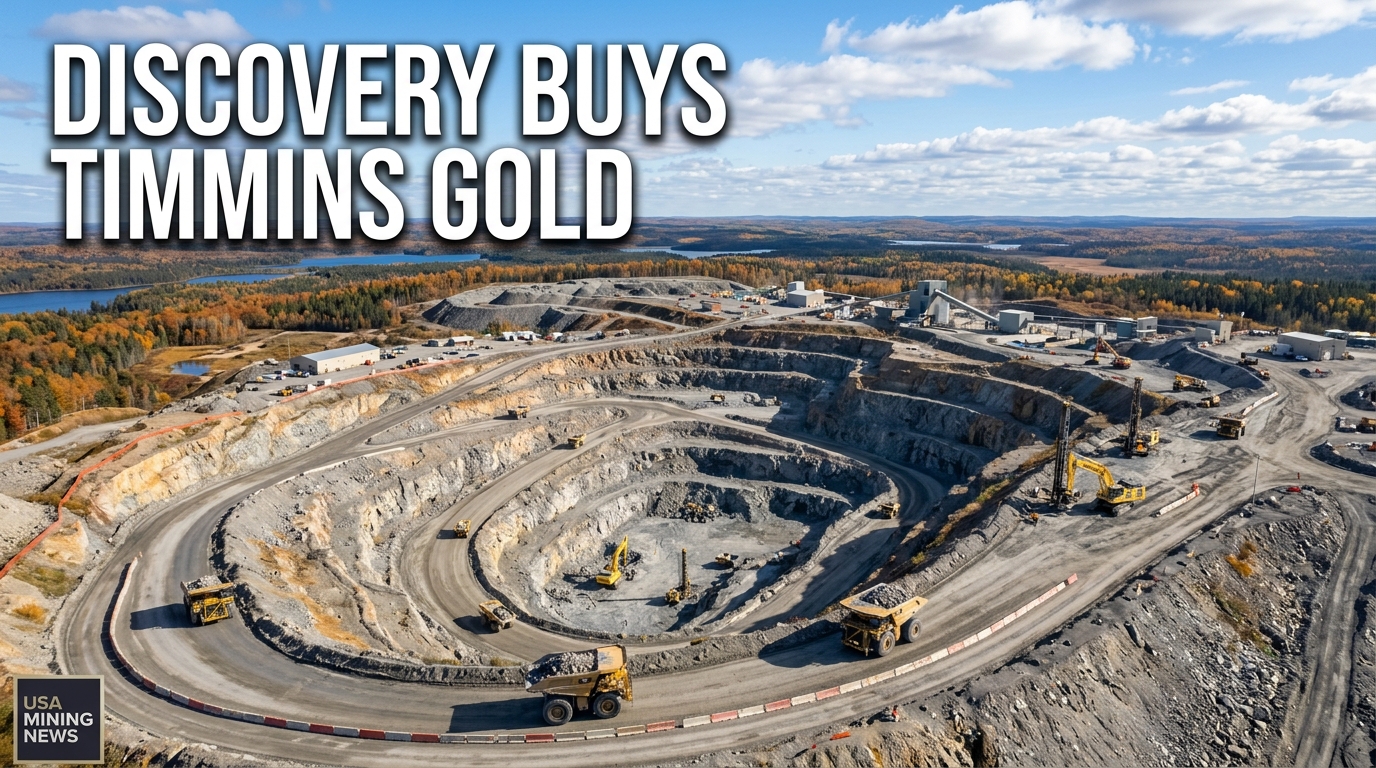
G Mining Ventures has agreed to acquire G2 Goldfields in an all-share transaction valued at C$3 billion ($2.2 billion), consolidating two adjacent gold projects, Oko West and Oko-Ghanie, into a single, district-scale operation in Guyana's Guiana Shield. This strategic move is expected to create an intermediate gold producer capable of delivering over 500,000 ounces of gold annually, leveraging significant operational and capital synergies. The deal underscores a broader consolidation trend in the region as companies seek to build larger, more capital-efficient mining complexes.
NioCorp Developments has solidified its pathway to full project financing for its critical Elk Creek project in Nebraska by signing a non-binding agreement with commodity trader Traxys. This landmark deal positions Traxys as the exclusive off-taker and marketing partner for the majority of Elk Creek's planned output for an initial 10-year term, covering 100% of ferroniobium, scandium, titanium dioxide, and rare earth elements, alongside a crucial equity investment of up to $30 million. The agreement is expected to address key diligence items for NioCorp's pursuit of up to $800 million in debt financing from the U.S. Export-Import Bank, significantly advancing a critical domestic source for strategic minerals previously dependent on foreign supply.
HiTech Minerals, a subsidiary of Australia’s Jindalee Lithium, is poised to go public on the Nasdaq through a $571 million merger with Constellation Acquisition Corp. I, forming a new entity named US Elemental. This strategic move aims to accelerate development of its significant US lithium assets, including the McDermitt deposit in Oregon, positioning the company closer to US capital markets and aligning with national critical mineral priorities in the face of surging demand for battery raw materials.
California's aggressive energy policies have led to the highest electricity and gasoline prices in the nation, crippling residents and industries while tripling the state's reliance on often volatile foreign oil imports. A recent federal intervention, led by President Trump and U.S. Secretary of Energy Chris Wright, has mandated Sable Offshore Corp. to resume operations of the Santa Ynez Unit and its associated pipeline, significantly boosting California's domestic oil production by 15 percent and replacing vital foreign crude supplies. This strategic move aims to enhance national energy security and mitigate the economic vulnerabilities created by restrictive state policies.
First Quantum Minerals (FQM) has established a significant partnership with the International Finance Corporation (IFC) for its Taca Taca copper project in Argentina's Salta Province. This collaboration aims to align the substantial $4.2 billion project with global sustainability standards, enhancing its attractiveness for debt financing and promoting responsible mining practices. The move underscores Argentina's growing prominence as a critical minerals jurisdiction and FQM's commitment to advancing one of the world's premier undeveloped copper assets.
Uranium Energy Corp. (UEC) has dramatically strengthened its position as a leading domestic uranium producer with the official commencement of operations at its Burke Hollow project in Texas. This milestone marks the first new in-situ recovery (ISR) uranium operation in the United States in over a decade, establishing UEC as the sole U.S. company with two active ISR facilities and reinforcing the nation's push for a secure, domestic nuclear fuel supply chain. The project, tapping into a significant uranium resource in the Texas Uranium Belt, is set to bolster UEC's processing capabilities at its Hobson Central Processing Plant and signals a robust expansion strategy for the Vancouver-based miner.
The Metals Royalty Company Inc. (TMCR) made its public market debut on the Nasdaq on Wednesday, April 8, 2026, marking a significant milestone for deep-sea mining finance. The company holds a crucial royalty interest in The Metals Company's (TMC) NORI project in the Pacific Ocean, which aims to extract polymetallic nodules rich in nickel, cobalt, and copper – essential battery metals. This move introduces a proven financing model into the nascent and high-potential deep-sea mining sector, addressing the accelerating global demand for critical minerals.
Star Minerals is rapidly advancing its Tumblegum South Gold Project in Western Australia, with mining contractor MEGA Resources mobilizing to site in early April 2026. This significant milestone initiates critical preparatory works, including infrastructure setup and initial drilling, targeting first gold production by early 2026. The project, underpinned by a 45,000-ounce gold resource, represents a notable development for Western Australia's dynamic gold sector and for junior explorer Star Minerals.
Lachlan Star has commenced an initial 1,000-meter diamond drilling program at its New Waverley Gold Project in Western Australia, focusing on historical high-grade quartz reef mineralization in the gold-rich Norseman region. This strategically important move follows the recent acquisition of the project and aims to systematically test a 400-meter mineralized corridor, with a subsequent 2,000-meter reverse circulation drilling phase planned. The program seeks to confirm the continuity and grade of significant gold intercepts, signaling Lachlan Star's commitment to unlocking the project's broader scale potential in a premier gold jurisdiction.
<p></p>
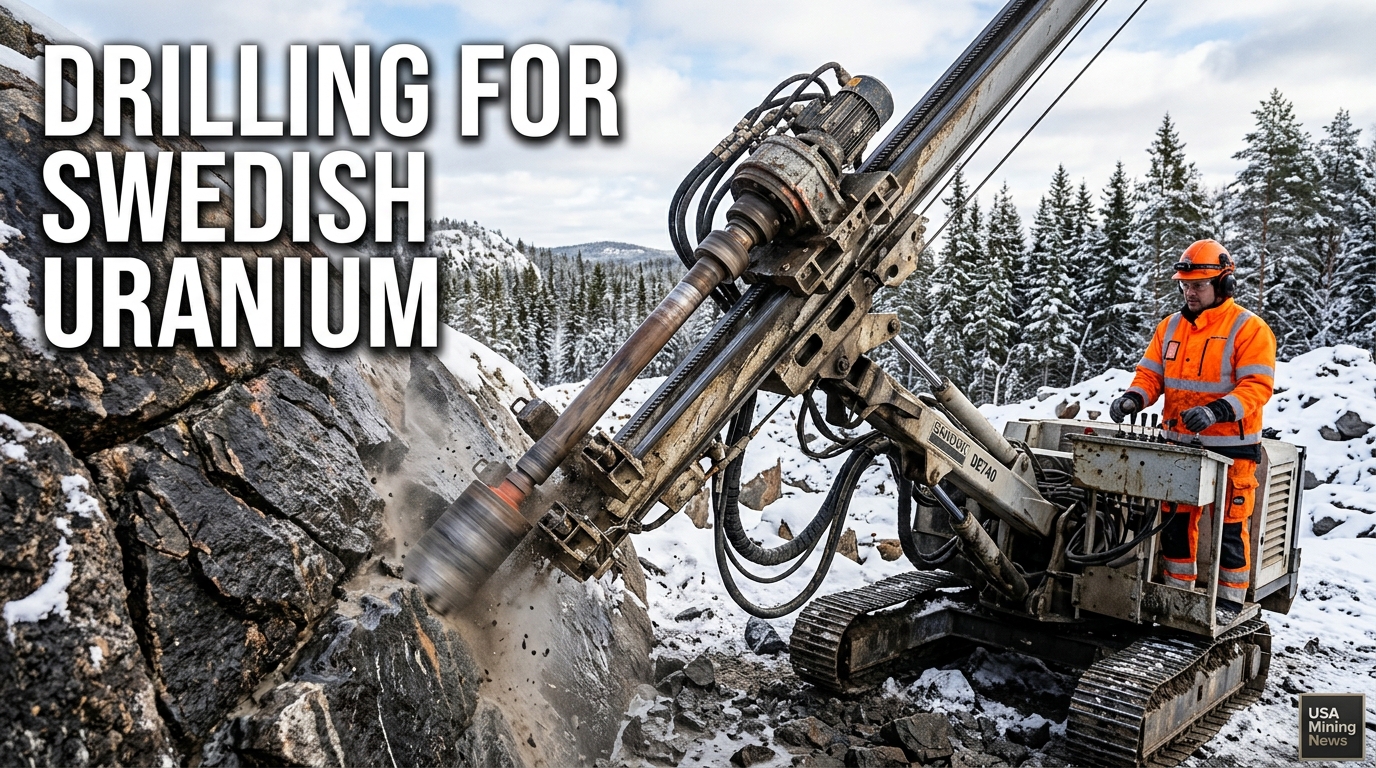
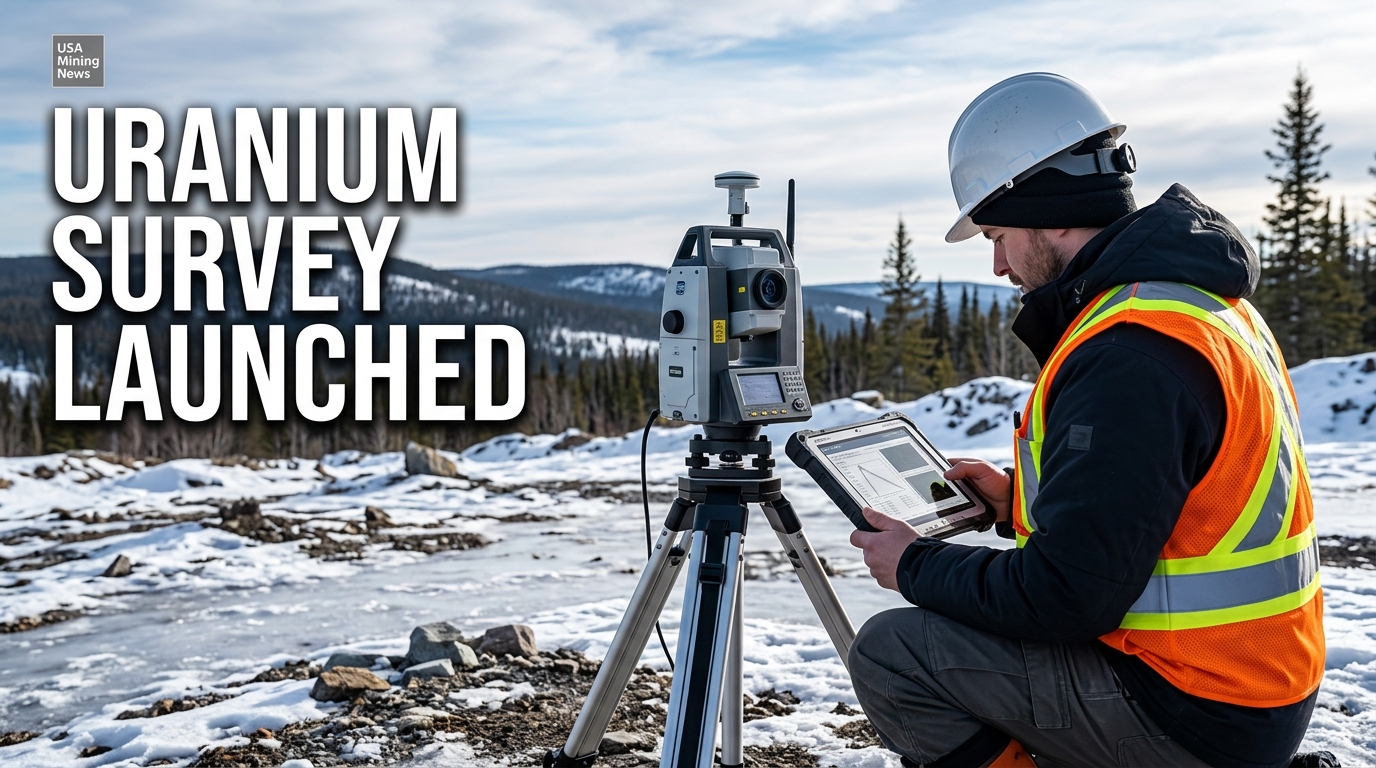
<p>Sweden has dramatically reversed its long-standing nuclear phase-out policy, embarking on an ambitious expansion plan that aims to add at least 2.5 gigawatts of nuclear capacity by 2035 and the equivalent of ten new reactors by 2045. This significant pivot, driven by energy security and climate goals, is being spearheaded by Carl Berglöf, the national nuclear power coordinator, and is set to have profound implications for the global mining industry, particularly for uranium producers and suppliers of critical minerals essential for reactor construction and associated infrastructure.</p>
<p>
<p></p>
<p>Mayfair Gold has significantly expanded its land holdings near its Fenn-Gib Gold Project in Timmins, Ontario, through the acquisition of three properties—Guibord, Marriott, and Holloway—from Plato Gold for C$2.5 million. This strategic move, announced on April 6, 2026, consolidates Mayfair’s position along the highly prospective Porcupine-Destor Fault Zone within the renowned Abitibi Greenstone belt, promising enhanced exploration leverage and critical infrastructure access for the proposed Fenn-Gib mine.</p>
<p>
The United States Antimony Corporation (USAC) has recommenced mining activities at its Stibnite Hill property in Thompson Falls, Montana, significantly ahead of schedule due to unexpectedly mild winter conditions. This early restart, coupled with strategic operational enhancements and substantial government contracts totaling up to $272 million, underscores the growing national importance of domestic antimony production for critical mineral supply chain resilience and national defense.
Germanium Mining has successfully concluded the initial phase of a non-brokered private placement, securing critical early-stage financing for its 2026 exploration initiatives at the fully owned Lac Du Km 35 property in Québec, Canada. This funding is poised to advance a systematic exploration program, including detailed airborne geophysical surveys and permit applications for drilling, aiming to identify and de-risk potential germanium resources essential for North America's strategic supply chain. The project targets an area known for a notable germanium showing and significant geological structures that could host further mineralization.
United States Antimony Corp. (UAMY) has officially resumed mining operations at its Stibnite Hill property in Montana, marking a significant step towards establishing the first fully integrated antimony supply chain outside of China and Russia. This restart, following a near five-month weather-related halt, is crucial for bolstering the United States' domestic supply of this critical mineral, vital for numerous defense and industrial applications. The company plans to process ore into concentrates at its Radersburg facility before smelting it into finished products at its Thompson Falls smelter, the only operational antimony smelter in the United States.
Despite global geopolitical tensions, particularly the US-Iran war, the world's leading mining companies demonstrated remarkable resilience in the first quarter of 2026. The MINING.COM TOP 50 miners collectively reached a market capitalization of $2.41 trillion, adding $250 billion year-to-date, signaling a strong performance across most commodities and a significant expansion of the exclusive $100-billion club. However, this overall positive trend masked mixed fortunes for individual companies, with strategic shifts and operational challenges leading to notable underperformance for some key players.
<p></p>
<p>The Bank of France has finalized its decades-long gold repatriation program, withdrawing the last 129 tonnes stored at the Federal Reserve Bank of New York. This strategic move, part of a "gold reserve upgrade" initiative, involved selling non-standard bullion and acquiring new, internationally compliant gold bars in Europe, generating a significant 13 billion euro ($15 billion) capital gain amidst rising gold prices for the 2025 financial year. The nation's total gold reserves of approximately 2,437 tonnes are now entirely consolidated within France, with further standardization efforts planned by 2028.</p>
<p>
REalloys and U.S. Critical Materials (USCM) have signed a non-binding Memorandum of Understanding (MoU) for REalloys to obtain up to 10% of the heavy rare earth production from USCM's high-grade Sheep Creek project in Montana. This strategic partnership aims to establish a crucial domestic supply chain for critical minerals, including dysprosium, terbium, yttrium, and gallium, vital for U.S. strategic defense stockpiles and advanced technology applications, ahead of anticipated restrictions on Chinese rare earth procurement in 2027. The agreement underscores a significant step towards bolstering American critical mineral sovereignty and reducing reliance on foreign adversaries.
Underground mining continues to face significant safety challenges, particularly in areas with limited visibility such as intersections and blind corners, largely due to the inherent constraints of conventional safety systems and GNSS-denied environments. Emerging technologies like Vehicle-to-Everything (V2X) communication and advanced wearable devices are proving instrumental in enhancing real-time awareness and improving emergency response times. Despite these technological advancements, the critical importance of human oversight and robust safety protocols remains paramount for achieving safer operational environments.
Zacatecas Silver has commenced its 2026 diamond drilling program at the high-potential El Cristo Project within Mexico’s historic Zacatecas Mining District. The initial hole, completed by Major Drilling Mexico, successfully intersected a mineralized brecciated structure featuring visible sulfides such as galena and sphalerite, validating the company's targeting strategy. This early success signals promising potential for high-grade silver and base metal mineralization in a region renowned for its rich epithermal deposits.
Barrick Mining has announced anticipated "significant increases" to the capital budget and timeline for its Reko Diq copper-gold project in Pakistan, following an earlier decision to slow development due to escalating security concerns in Balochistan and the broader Middle East. The Canadian miner, which operates Reko Diq as a 50/50 joint venture with Pakistani authorities, is extending its project review period until mid-2027 to comprehensively assess the evolving situation, capital requirements, financing, scope, and timeline for the Tier 1 asset.
China's Zijin Mining, following its 2025 acquisition of RG Gold, is set to invest $500 million in a new processing plant in Kazakhstan, concurrent with RG Gold's progressive environmental initiatives. Central to this is the 'phytocapture' technology, developed by the Sustainable Kazakhstan Research Institute, which employs scientifically designed vegetative barriers to significantly reduce airborne dust emissions from open-pit gold mining operations near the Raygorodok deposit. This innovative approach, integrating supercomputer modeling and indigenous plant species, marks a significant step in sustainable mining practices in Central Asia and offers a blueprint for environmental stewardship within the global industry.
Canadian critical metals processor pH7 Technologies is expanding its Vancouver facility with C$4 million in funding from the National Research Council of Canada Industrial Research Assistance Program (NRC IRAP). This investment will accelerate the scale-up of pH7's proprietary organo-electrochemical technology for recovering platinum group metals (PGMs) from secondary materials and, critically, for unlocking difficult sulfide ores in primary mining applications without toxic reagents or tailings wastewater. The move positions Canada at the forefront of sustainable critical mineral development, addressing both environmental challenges and global supply chain demands.
St Barbara has announced a significant milestone for its New Simberi Gold Project in Papua New Guinea, securing an A$389 million ($269.5 million) investment from Lingbao Gold Group. This capital injection, alongside the approval of the Final Investment Decision, fully funds St Barbara's 50% share of the project's construction costs, paving the way for a substantial expansion that is projected to double mining output to 20 million tonnes per annum and boost gold production to over 200,000 ounces annually. The development is expected to yield an A$0.5 billion gain for St Barbara, marking a strategic move to de-risk and unlock long-term value from the long-life, low-cost operation.
<p><strong></strong></p>
<p>KGL Resources has secured a pivotal A$300 million precious metals purchase agreement (PMPA) with Wheaton Precious Metals International, earmarking funds for the construction and development of its Jervois Copper Project in Australia’s Northern Territory. This strategic financing, which includes a $275 million upfront stream payment and a $25 million cost overrun facility, marks Wheaton's inaugural streaming deal in Australia and positions KGL to become a significant copper producer with all necessary permits already in place.</p>
<p><strong>
Brazil's iron ore production is poised for significant growth, driven primarily by robust performance from Vale S.A. and strategic expansions across other key mines. Following a 1.9% increase in 2025 to 437.2 million tonnes, the nation's output is projected to climb by an additional 5.9% in 2026, reaching 462.9 million tonnes, with a steady compound annual growth rate anticipated through 2035. This expansion underscores Brazil's enduring role as a critical supplier to the global steel industry, even as it navigates complex environmental, social, and governmental challenges.
Resolute Mining has forged a strategic, non-binding Memorandum of Understanding (MoU) with Guinea's Nimba Mining Company (NMC) to explore and potentially develop large-scale gold projects in the West African nation. Announced on April 1, 2026, this collaboration aligns with Resolute’s strategy to expand its growth pipeline in established gold regions and marks NMC’s first foray into the gold sector with an internationally listed partner, supported by the Guinean Ministry of Mines and Geology. The partnership aims to assess mineral resources, conduct geological studies, and develop plans for future gold production, with a preliminary assessment of identified areas expected within 90 days.
Lotus Resources has secured a crucial confirmation from Orano Chimie-Enrichissement (Orano CE) for the acceptance of uranium ore concentrate from its Kayelekera project in Malawi at the Malvesi conversion facility in France. This pivotal development, following extensive qualification efforts, positions Lotus as a forthcoming global uranium supplier, with aims to reach full production capacity by the second quarter of 2026. The agreement facilitates initial shipments and provides strategic flexibility for Lotus in navigating global uranium markets and supply chains.
Questcorp Mining and Riverside Resources have initiated Phase 2 exploration at the La Union Project in Sonora, Mexico, following encouraging results from a 12-hole Phase 1 drill program earlier in 2026. This next phase focuses on refining existing high-priority targets and generating new prospects across the project's diverse mineralization styles, including high-grade gold-silver at Union Mine and a new sediment-hosted gold discovery at Luis Hill. The fully funded program aims to prepare for subsequent drilling later in 2026, building on the project's district-scale potential.
Santana Minerals has taken a significant step forward for its Bendigo-Ophir Gold Project in New Zealand, securing NZ$115 million ($65.8 million) worth of mining fleet build slots with Komatsu New Zealand. This critical agreement, which includes primary excavators and haul trucks under a leasing and support package, positions Santana as a prospective low-cost owner-operator, pending a crucial fast-track approval decision expected by October 2026. The move underscores the project's progression towards construction and future production, contingent on regulatory green light.
Agnico Eagle Mines is set to acquire significant ownership in junior explorer Cascadia Minerals through a C$5.02 million private placement and an additional C$2.6 million unit purchase, totaling C$7.62 million in investment. This strategic move, anticipated to close in April 2026, will grant Agnico Eagle a 14.21% non-diluted and 19.90% partially diluted stake in Cascadia, alongside an earn-in agreement for the Catch property in Yukon and a broader strategic exploration alliance in the Stikine Terrane, underscoring Agnico Eagle's commitment to expanding its gold exploration pipeline in Canada.
<p></p>
<p>In a significant move to bolster grid stability, U.S. Secretary of Energy Chris Wright issued an emergency order on March 30, 2026, directing the continued operation of Unit 1 at the Craig Station coal plant in Craig, Colorado, through June 28, 2026. This mandate overturns a previous plan for the unit's shutdown, underscoring the Trump Administration's commitment to prioritizing affordable, reliable, and secure electricity amidst concerns over potential blackouts and the impact of earlier "energy subtraction policies." The decision, which involves major utilities and grid operators, signals a notable reprieve for the coal mining sector, with over 17 gigawatts of coal-power generation reportedly saved in 2025.</p>
<p>
Metso has secured a substantial €100 million ($115.06 million) contract from Southern Peru Copper Corporation for the supply of advanced Solvent Extraction and Electrowinning (SX-EW) technology for the Tia Maria project in Peru. This agreement, booked in Metso's Q1 2026 Minerals segment orders, will equip the new facility to produce 120,000 tonnes of high-purity LME Grade A copper cathodes annually, addressing the growing global demand for this critical metal.
Felix Gold has successfully exercised its option to acquire full ownership of key assets within the Treasure Creek Project in Alaska's historic Fairbanks Mining District. This acquisition consolidates Felix Gold's position as the largest landholder in the region, securing long-term tenure for an emerging antimony deposit, verified to exceed US Military concentrate specifications, and a significant JORC inferred gold resource of 467,000 ounces. The strategic move, involving a final payment of $1.4 million, underscores the company's commitment to advancing a critical minerals project with proven processing pathways and a streamlined permitting outlook.
<p></p>
<p>Mine tailings, long viewed as an environmental and financial burden, are rapidly being re-evaluated as a significant source of critical minerals and a potential new revenue stream for mining operators. Driven by global demand for critical minerals, declining ore grades, and stringent environmental regulations, advanced reprocessing technologies are now transforming these historic liabilities into valuable assets. Initiatives like Canada's MICA Network are at the forefront, connecting innovative tech solutions with industry to unlock billions of dollars in dormant value, thereby addressing both resource security and environmental remediation.</p>
<p>
<p></p>
<p>The 2026 Iran War significantly elevates geopolitical risk across global mining and metals markets, with its primary impact reverberating through refining and processing operations rather than direct mine production. Disruptions to the Strait of Hormuz, a critical maritime chokepoint, are driving up energy prices, increasing shipping costs and delays, and spurring a strategic industry push towards supply chain diversification, localized processing, and renewable energy integration to enhance operational resilience.</p>
<p>
News K2 Gold concludes 2026 drilling campaign at Nevada’s Si2 project The programme involved eight drill-holes covering a total of 3,871m across five AOI. Shree Mishra March 27, 2026 Share Copy Link Share on X Share on Linkedin Share on Facebook Drilling in 2026 targeted structural locations identified from a geological model using drilling data, geophysics and fluid studies. Credit: Parilaw/Shutterstock.com. K2 Gold has completed its 2026 reverse circulation (RC) drilling programme at the Si2 Gold Project in Esmeralda County, Nevada, US, situated within the Walker Lane Trend. The campaign involved eight drill-holes covering a total of 3,871m across five areas of interest (AOI) at Si2 Gold. Go deeper with GlobalData Reports Jackfish 2 Project Reports Soledad Mountain Project Go deeper with GlobalData The gold standard of business intelligence. Find out more Discover B2B Marketing That Performs Combine business intelligence and editorial excellence to reach engaged professionals across 36 leading media platforms. Find out more This marks K2 Gold’s inaugural exploration at the AOI3, AOI4 and AOI5 target areas, extending exploration activities beyond the previously investigated southern targets. Each drilling operation encountered extensive low-sulphidation epithermal alteration, quartz veining and broad zones of adularia flooding, indicating a conducive environment for gold...
News Kenorland to acquire mineral claims in Canada The company will expand its Lang Lake Project by acquiring 10,200ha of claims and purchase 58,700ha to augment the Muskrat Dam Project. Shree Mishra March 27, 2026 Share Copy Link Share on X Share on Linkedin Share on Facebook The Lang Lake Project currently spans 84,000ha within the Birch-Uchi Subprovince. Credit: Parilaw/Shutterstock.com. Kenorland Minerals has signed purchase agreements to acquire full ownership of additional mineral claims in northern Ontario, Canada. The company will expand its Lang Lake Project by acquiring 10,200ha of claims from the McVicar Agreement Area in Ontario’s Birch-Uchi Subprovince. Go deeper with GlobalData Reports Fort Kent Project Reports Eleonore Mine Go deeper with GlobalData The gold standard of business intelligence. Find out more Discover B2B Marketing That Performs Combine business intelligence and editorial excellence to reach engaged professionals across 36 leading media platforms. Find out more Additionally, Kenorland will augment its Muskrat Dam Project through the purchase of 58,700ha of claims from the Rottenfish Agreement Area within the Muskrat Dam greenstone belt. The Lang Lake Project currently spans 84,000ha within the Birch-Uchi Subprovince and includes significant geological features such as folded iron formations. It is situated along the same...
<p></p>
<p>Nouveau Monde Graphite (NMG) has advanced its Phase Two Matawinie Mine project in Québec by signing a revised, binding long-form term sheet with the Canadian Government. This landmark agreement secures the purchase of 30,000 tonnes per annum (tpa) of flake graphite concentrate on a take-or-pay basis for seven years, bolstering NMG's financial position and Canada's strategic imperative to establish a secure domestic supply chain for critical minerals essential to the electric vehicle (EV) battery sector.</p>
<p>
Barrick Gold Corporation has announced a slowdown in operations at its Reko Diq copper and gold project in Pakistan, citing intensified security challenges within the Balochistan province and the wider Middle East. This strategic adjustment includes a 12-month extension of its project review period until July 2027, despite Barrick’s continued conviction in the long-term value of one of the world's largest untapped copper-gold deposits. The decision introduces potential impacts on timelines and budgets for this significant joint venture with federal and provincial Pakistani entities.
North Bay Resources has significantly expanded its footprint in the Mexican mining sector, signing a binding Letter of Intent on March 27, 2026, to acquire Bendito Resources for a cash payment of $25 million. This strategic, debt-free acquisition brings a portfolio of advanced exploration and near-term production assets in Sonora and Chihuahua, Mexico, including the fully permitted Oposura project and the expansive Alacran project, poised to dramatically enhance North Bay's operational capabilities and resource base. The move underscores North Bay's aggressive growth strategy, complementing its recent increase in ownership of the Bishop Gold Mill in California.
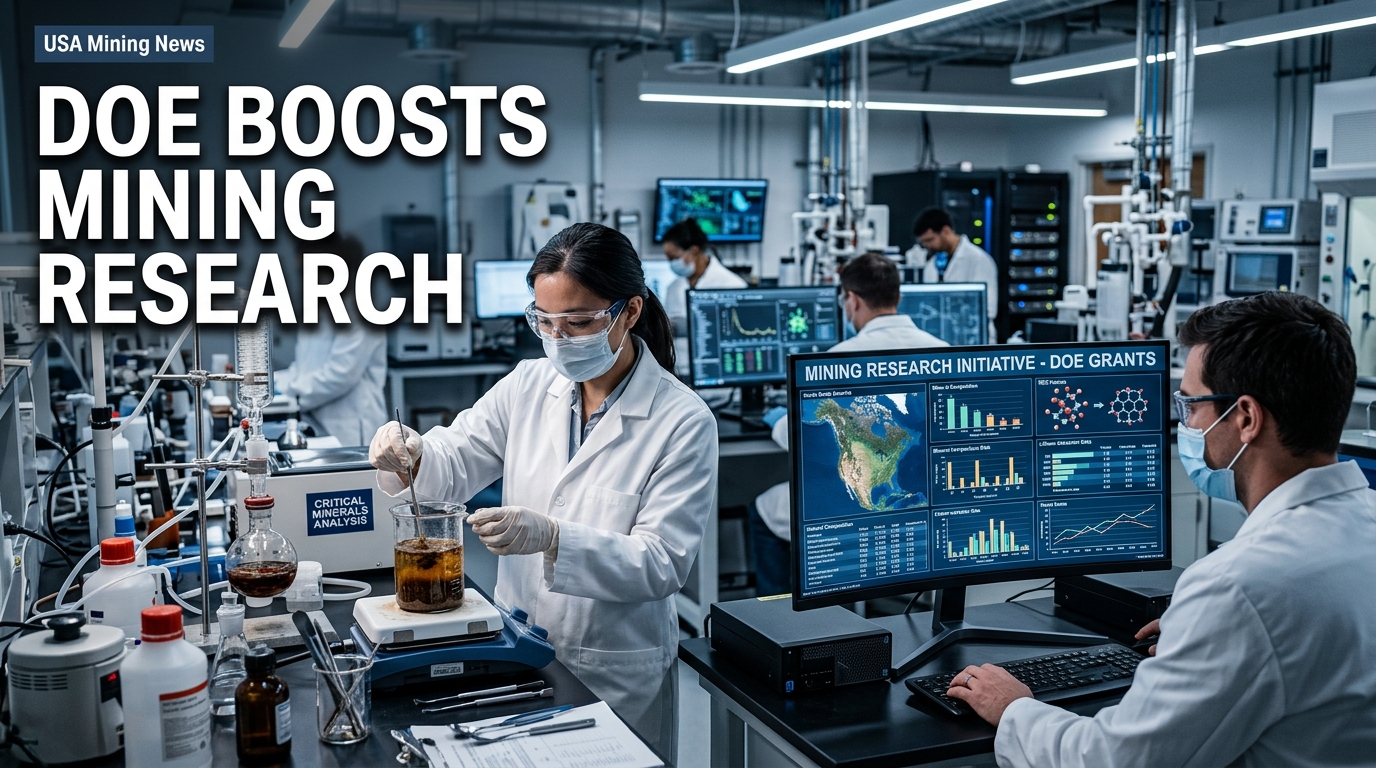
The U.S. Department of Energy (DOE), in collaboration with the U.S. General Services Administration (GSA), announced today, March 26, 2026, its plan to relocate its headquarters from the James V. Forrestal Building to the Lyndon B. Johnson (LBJ) building. This strategic move, which involves the U.S. Department of Education vacating the LBJ building, is projected to save taxpayers over $350 million in deferred maintenance and modernization costs, aligning with the Trump Administration's broader initiative to streamline federal real estate and promote governmental efficiency. This relocation is significant for the mining industry as an optimized DOE operation can lead to more effective energy policies, critical minerals strategy, and R&D funding, ultimately impacting resource markets and supply chain resilience.
Strategic Energy Resources (SER) has secured over A$400,000 in grants from the Queensland Government's Collaboration Exploration Initiative (CEI) to advance drilling at its Diamantina Copper-Gold Project and Bulimba Gold Project. This funding, totaling A$275,000 for Diamantina and A$137,500 for Bulimba, is set to propel exploration efforts in critical minerals and precious metals within highly prospective regions of Queensland, underscoring the state's commitment to fostering new discoveries through supportive government programs. The Bulimba project is particularly notable for being the initial drilling phase under a non-binding joint venture agreement with Sumitomo Metal Mining Oceania (SMMO).
Lynas Rare Earths has signed a framework agreement with LS Eco Energy, a subsidiary of LS Cable & System, to establish a strategic partnership for the production of rare earth metals. This collaboration involves LS Eco Energy constructing a new facility in Vietnam dedicated to processing Lynas' rare earth oxides into metal form, primarily for permanent magnet applications. The initiative, slated for March 26, 2026, aims to enhance the global rare earth supply chain by diversifying metallization capabilities outside traditional hubs, addressing critical demand for materials like metallised neodymium-praseodymium and heavy rare earths.
Rio Tinto has set a target of the mid-2030s for the commencement of operations at its Resolution Copper mine in Arizona, a project poised to significantly bolster US domestic copper supply. This key development follows the resolution of a prolonged land dispute and coincides with Rio Tinto's initiation of a substantial $500 million drilling program to unlock previously inaccessible sections of the deposit. However, the path forward includes challenges, particularly concerning domestic smelting capacity, which may necessitate exporting a portion of the copper concentrate.
The U.S. Department of Energy’s Office of Indian Energy has unveiled a significant $50 million Notice of Funding Opportunity aimed at bolstering energy reliability, access, and affordability within Tribal communities. This initiative, announced on March 25, 2026, supports both community-scale and large-scale Tribal-led energy project development, reflecting the administration's commitment to strengthening Tribal economies and energy independence. The investment is poised to have notable implications for the mining industry, particularly concerning localized energy supply, operational stability, and the responsible development of critical mineral resources in regions near or on Tribal lands.
<p></p>
<p>In the demanding world of mining, where operational efficiency directly impacts profitability and safety, the proactive strategies of oil monitoring and used oil analysis are proving indispensable. These preventative measures enable the early detection of equipment wear and contamination, significantly reducing downtime, mitigating repair costs, and safeguarding production capacity. As highlighted by industry insights on March 25, 2026, and exemplified by the comprehensive lubrication strategy deployed at Copper Mountain Mine in partnership with Petro-Canada Lubricants, strategic maintenance practices are critical for long-term operational resilience and asset protection in extreme mining environments.</p>
<p>
Coppermoly has strategically broadened its Australian exploration footprint by acquiring a 100% stake in the Wyemandoo Project in Western Australia, a move announced on March 25, 2026. This acquisition, involving tenements from Aldoro Resources and Altilium Metals, significantly expands Coppermoly's critical minerals portfolio, complementing its existing Queensland projects with a focus on high-grade rubidium, titanium, tantalum, and tungsten within a promising pegmatite fairway. The newly secured 259.25km² project holds compelling initial drill and rock chip results, positioning it for immediate, targeted exploration, including 1,500m of planned reverse circulation drilling.
Indonesia is set to further solidify its position as a global cobalt powerhouse, with output projected to reach 59,800 tonnes in 2026, an impressive 21.2% annual growth. This surge is driven by the full ramp-up of existing high-pressure acid leach (HPAL) facilities and the imminent commencement of large-scale new projects, underpinned by strategic government policies and significant foreign investment, particularly from Chinese firms, aiming to develop a robust domestic electric vehicle (EV) supply chain.
Chile, the world's second-largest lithium producer, is poised for significant output increases, with production estimated to reach 67,300 tonnes in 2026, primarily driven by ongoing expansions at SQM's Salar de Atacama operations. This growth unfolds against a backdrop of sweeping policy changes, including the nationalization of the lithium industry under President Boric's administration and the establishment of a landmark joint venture between state-owned Codelco and SQM, fostering a new era of public-private partnerships in the nation's critical mineral sector. These strategic moves aim to secure Chile's battery minerals for a green energy transition while reshaping the investment landscape for global mining stakeholders.
India's iron ore production is poised for significant growth in 2026, projected to reach 318.8 million tonnes, driven by sustained expansions at key mines and a favorable regulatory environment. While the nation solidified its position as the third-largest global producer, outpacing China in 2025, the long-term outlook presents a complex scenario with a marginal decline anticipated by 2035 due to planned mine closures. This article delves into the immediate growth drivers, regulatory support, major corporate players, and the strategic implications of India's evolving iron ore landscape for the global mining industry.
On March 23, 2026, U.S. Secretary of Energy Chris Wright issued emergency orders to temporarily keep two Indiana coal-fired power plants, R.M. Schahfer and F.B. Culley, operational from March 24, 2026, through June 21, 2026. These plants, originally slated for retirement by the end of 2025, are deemed crucial for maintaining grid reliability and ensuring affordable electricity in the Midwest, following concerns raised by MISO and NERC about increasing blackout risks amidst a national energy transition. This action highlights the ongoing strategic importance of thermal coal to national energy security, providing a critical, albeit temporary, demand signal for the mining sector.
Canadian Uranium has announced an agreement to acquire Rook 2 Uranium, securing an exclusive option over 21 mineral claims spanning approximately 18,941 hectares in Saskatchewan's prolific Athabasca Basin. This strategic acquisition, involving a share exchange valued at 9,663,156 Canadian Uranium shares, positions the company to capitalize on a property described as having a "historic resource" within a world-renowned uranium district, signaling significant future growth and a strengthening of its asset portfolio in a buoyant uranium market.
Centaurus Metals has secured a crucial, non-binding Letter of Intent from Brazil's development bank, BNDES, for C$1 billion reais (approximately $190 million USD) in potential long-term debt funding for its Jaguar Nickel Project. This development, situated in Brazil's strategic Carajás Mineral Province, underscores the project's significance as a future supplier of responsibly produced nickel crucial for the global energy transition, aligning with BNDES's focus on critical minerals. The indicative funding will undergo further rigorous due diligence before final approval, positioning Jaguar as a key asset in the burgeoning battery metals sector.
<p><strong></strong></p>
<p>In a significant development for the Pacific region's mining sector, Rio Tinto Exploration has formalized an earn-in agreement with LCL Resources for the Ono Project in Papua New Guinea (PNG). This partnership, announced on March 23, 2026, positions Rio Tinto to invest substantial capital and expertise, with an initial commitment of A$8 million, to explore for porphyry copper-gold deposits within the highly prospective Owen Stanley Metamorphic Belt. The deal provides LCL with critical funding while allowing its shareholders to retain exposure to potential major discoveries, underscoring PNG's enduring appeal for world-class mineral resource development.</p>
<p><strong>
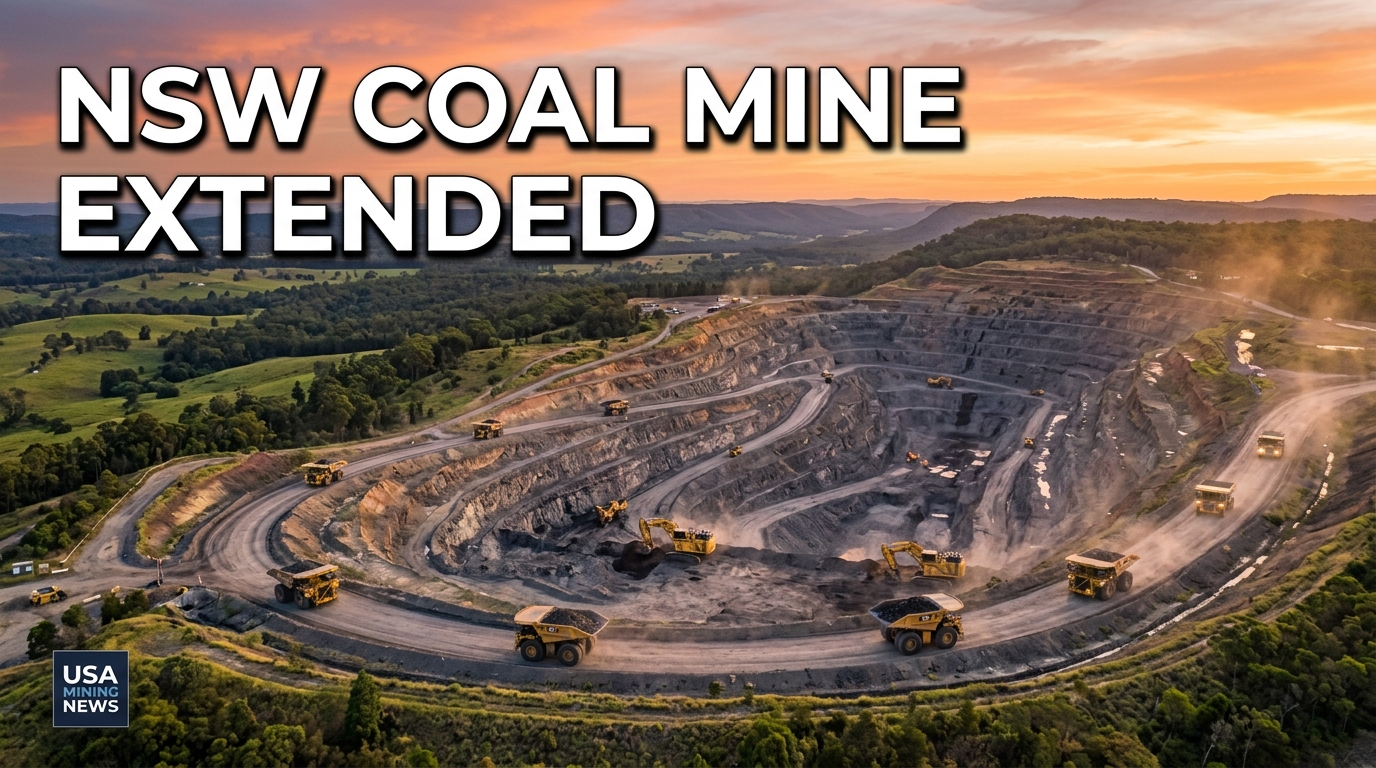
New South Wales, Australia, a significant global coal exporter, announced on March 20, 2026, it will cease accepting new greenfield coal mine applications while permitting expansions of existing operations under stringent environmental and emissions standards. This strategic shift, outlined in the "NSW Coal Industry 2026–50" plan, simultaneously aims to meet net-zero targets by implementing strict methane emission regulations through its Environmental Protection Authority (EPA) and support coal-reliant communities via a new Future Jobs and Investment Authority, reflecting a complex balancing act between economic imperatives and environmental commitments.
<p></p>
<p>Canada and Peru have formally solidified their mining cooperation through a new Memorandum of Understanding signed on March 20, 2026. This strategic partnership aims to enhance bilateral investment, drive technological advancements in critical minerals around traceability and decarbonisation, and strengthen regulatory frameworks, further cementing Canada's significant role as a foreign investor in Peru's vibrant mining sector.</p>
<p>
A recent episode of the "Energy Technology: Industry Insights" podcast, released on March 17, 2026, delves into the transformative impact of Artificial Intelligence and digital innovation across the energy sector, a discussion highly pertinent to the mining industry. Featuring experts Holly Anness-Bradshaw of GlobalData and Nina Budazhapova of Susten, the episode explores critical investment strategies and promising technologies essential for navigating a complex, decarbonizing energy landscape. This article examines the podcast's key themes and their direct implications for enhancing operational efficiency, sustainability, and competitive advantage within mining.
The U.S. Departments of Energy and Commerce, in partnership with SoftBank’s SB Energy and AEP Ohio, have announced a transformative $37.5 billion public-private initiative to redevelop federal land in Southern Ohio. This ambitious project aims to construct 10 gigawatts of new power generation, primarily natural gas, to fuel a colossal 10-gigawatt data center facility, significantly advancing America’s artificial intelligence capabilities and modernizing regional energy infrastructure. The initiative is poised to generate thousands of jobs, reduce electricity costs, and bolster national security, with substantial implications for the upstream natural gas sector and critical minerals supply chains.
Lynas Rare Earths has commenced initial production of samarium oxide at its Lynas Malaysia facility, significantly ahead of its initially forecast April 2026 schedule. This achievement expands Lynas' heavy rare earth oxide product range to three, reinforcing its critical role as the only commercial producer of separated heavy rare earths outside of China and contributing to the global diversification of critical mineral supply chains. The development is a key milestone in the company's "Towards 2030" growth strategy, aiming to substantially increase its heavy rare earth processing capabilities over the next two years.
<p></p>
<p>Freeport-McMoRan has applied for environmental approval for a substantial $7.5 billion expansion project at its El Abra copper mine in Chile, signaling a critical move to boost global copper supply. If approved, the project, which includes new concentrator and desalination plants, is anticipated to commence operations in 2033, increasing annual copper output by more than 300,000 tonnes to meet soaring demand from electrification and AI sectors. This development unfolds amidst an evolving regulatory climate in Chile, with new governmental efforts to streamline permitting processes and attract significant foreign investment into the nation's vital mining sector.</p>
<p>
Leviathan Metals has significantly expanded its footprint in Botswana's prolific Kalahari Copper Belt with the acquisition of a new prospecting license, increasing its Central Project by 270km² to a total of 590km². Announced on March 20, 2026, this strategic move enhances the company’s potential for sediment-hosted copper discoveries, particularly along 10km of the interpreted D’Kar-Ngwako Pan Formation contact, directly adjacent to MMG’s substantial Khoemacau deposits. The deal, involving a blend of cash, shares, and a net smelter royalty, underscores Leviathan’s growing commitment to Botswana’s mining sector and its pursuit of critical copper resources.