Catalyzing Sustainable Copper Production: pH7 Technologies Secures C$5 Million for Gibraltar Mine Pilot
On July 1, 2026, pH7 Technologies Inc., a Vancouver-based metal processing innovator, announced it has secured substantial funding of up to C$5 million (approximately US$3.51 million) from Natural Resources Canada (NRCan). This critical investment, channeled through the Energy Innovation Programme’s Mining Decarbonisation Demonstration Call for Proposals, is earmarked for the evaluation of a groundbreaking, closed-loop copper extraction technology. The pilot project is slated for deployment at the Gibraltar Mine in British Columbia, Canada, representing a pivotal step towards more environmentally sound and efficient copper production.
The initiative underscores Canada's commitment to fostering innovation within its mineral sector, particularly in methods that promise reduced environmental impact and enhanced resource utilization. As the global economy navigates an intensified demand for critical minerals, especially copper, driven by electrification and advanced technologies, the development and scaling of such sustainable extraction methods are becoming increasingly paramount.
Addressing the Copper Imperative: Demand Meets Decarbonization
The global landscape for copper is undergoing a profound transformation. As articulated by Mohammad Doostmohammadi, founder and CEO of pH7 Technologies, the demand for copper continues its robust ascent, fueled by several megatrends. These include the widespread adoption of electric vehicles, the expansive build-out of renewable energy infrastructure such as wind farms and solar arrays, the burgeoning requirements of artificial intelligence data centers, and the intricate needs of advanced manufacturing sectors. Copper's unparalleled conductivity and ductility make it indispensable for these applications, yet its supply chain faces mounting pressures.
"As demand for copper continues to grow due to electrification, renewable energy infrastructure, artificial intelligence and advanced manufacturing, the industry faces the challenge of increasing supply while reducing environmental impacts," Doostmohammadi stated. This encapsulates the dual imperative confronting the mining industry today: meet unprecedented demand while simultaneously slashing its carbon footprint and minimizing ecological disruption.
The funding from Natural Resources Canada is a direct acknowledgement of this challenge. Doostmohammadi emphasized that this support "validates the importance of developing innovative Canadian technologies that can strengthen critical mineral supply chains, improve resource efficiency and help decarbonise the mining industry." For Canada, a nation rich in mineral resources, investing in such technologies is not only an environmental imperative but also a strategic economic move to secure its position as a leader in responsible mineral production. It supports the overarching Canadian Critical Minerals Strategy, which aims to leverage domestic resources for domestic and allied industrial needs, reducing supply chain vulnerabilities.
A Closed-Loop Innovation at Gibraltar: Technical and Operational Details
At the heart of pH7 Technologies’ project at the Gibraltar Mine is its proprietary closed-loop copper extraction method. This innovative process is designed to address one of the industry's long-standing challenges: the economic and environmental extraction of copper from low-grade sulphide ores. Historically, such ores have been difficult to process efficiently due to their complex mineralogy and often require energy-intensive and environmentally impactful conventional smelting and refining techniques, or acid-intensive hydrometallurgical routes that generate significant waste.
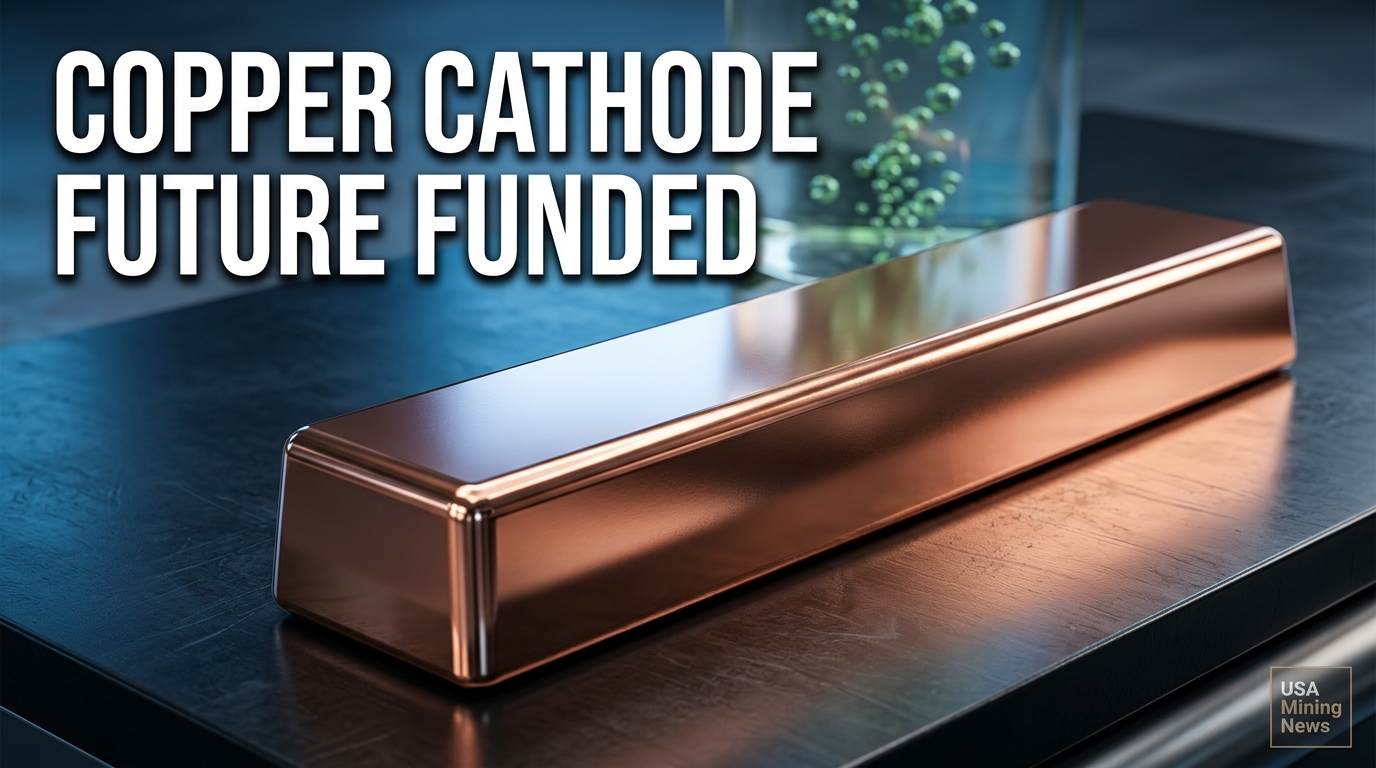
The pH7 process aims to convert these low-grade sulphide ores directly into 99.9% pure copper cathodes at the mining site itself. This direct-to-cathode approach significantly differentiates it from traditional methods that typically produce a copper concentrate requiring further energy-intensive off-site smelting and electrolytic refining. Producing high-purity cathodes directly at the mine minimizes transportation costs, reduces the carbon footprint associated with concentrate logistics, and retains more value at the source. The 99.9% purity specification is crucial, as it indicates a product ready for immediate industrial use without further purification.
A particularly compelling aspect of pH7 Technologies’ method is the generation of green hydrogen as a valuable by-product. Green hydrogen, produced entirely through renewable energy sources, represents a clean energy carrier that can be utilized to power mine site operations, further reducing the overall carbon intensity of the mining process. This dual-benefit approach offers a significant leap forward in creating a self-sustaining and decarbonized mining ecosystem.
The Gibraltar Mine, operated by Trekor Metals in British Columbia, will serve as the proving ground for this technology. Samples for the evaluation will be sourced directly from the mine, ensuring that the tests are conducted with representative ore bodies under real-world conditions. The core objective of this initial phase is to generate comprehensive technical, operational, environmental, and economic data. This data will be critical in informing potential future expansion of the technology at Gibraltar and its broader deployment across the Canadian mining sector. The insights gained will help validate the process's viability, determine its scalability, and quantify its environmental advantages, such as reduced water consumption, minimized waste generation, and lower energy usage compared to conventional methods.
Strategic Funding and Phased Development
The funding mechanism underscores Natural Resources Canada's strategic approach to de-risk and accelerate critical mineral innovations. The support extends beyond the initial evaluation phase; pH7 Technologies has stated that the financial backing from NRCan will also reach future construction and demonstration stages. This multi-phase commitment is contingent upon the successful completion of technical reviews and commercial assessments from the preceding stages. Such phased funding is typical for novel technologies, allowing for rigorous validation at each stage before committing larger investments to commercial-scale deployment.
The Energy Innovation Programme’s Mining Decarbonisation Demonstration Call for Proposals is a testament to the Canadian government's proactive stance on sustainable development. It seeks out projects that promise substantial reductions in greenhouse gas emissions, foster energy efficiency, and promote clean technology adoption within the mining industry. pH7 Technologies' closed-loop process, with its potential for direct cathode production and green hydrogen generation, aligns perfectly with these national objectives.
Broader Implications for the North American Mining Landscape
The success of pH7 Technologies’ pilot at Gibraltar could instigate a paradigm shift, not just in Canadian copper mining, but potentially across the entire North American continent and beyond.
- Enhancing Resource Use: The ability to economically process low-grade sulphide ores unlocks vast untapped resources that were previously considered uneconomical. As high-grade deposits deplete globally, innovative methods for extracting value from lower-grade materials become indispensable for sustaining future supply.
- Decarbonization Pathway: By facilitating direct, on-site production of copper cathodes, this technology can dramatically reduce the energy intensity associated with off-site smelting and refining – processes that are significant contributors to the mining industry's Scope 1 and Scope 2 emissions. The co-production of green hydrogen further amplifies the decarbonization potential, offering a clean fuel source for mine operations.
- Critical Mineral Supply Chain Resiliency: In an era of increasing geopolitical instability and supply chain disruptions, securing domestic and regionally sourced critical minerals is a top priority for nations like Canada and the United States. Technologies that reduce reliance on external processing facilities strengthen regional supply chains, ensuring a more stable and strategic supply for key industries like automotive, electronics, and defense.
- Economic Benefits and Competitiveness: On-site value addition through direct cathode production can lead to increased local employment opportunities, greater economic returns for mining communities, and enhanced competitiveness for Canadian copper producers on the global stage. It transforms mineral extraction into a more sophisticated manufacturing process at the source.
- Replication Potential: If the Gibraltar pilot proves technically and economically viable, the closed-loop method could be replicated at other copper mines struggling with similar low-grade sulphide deposits. This would offer a scalable solution for the industry to meet its sustainability targets while expanding production capacity.
The Road Ahead: Scaling Innovation for a Sustainable Future
The immediate future for pH7 Technologies and the Gibraltar project will focus on meticulous data collection and robust technical validation. The insights gleaned from this demonstration phase will be crucial for refining the process, demonstrating its commercial viability, and ultimately paving the way for larger-scale implementation.
The project aligns squarely with the global mining industry's growing emphasis on Environmental, Social, and Governance (ESG) factors. Investors, regulators, and communities are increasingly demanding that mining operations adhere to the highest standards of sustainability. Innovations like pH7's closed-loop system represent the kind of technological leap needed to reconcile the growing global demand for metals with the urgent imperative for environmental stewardship. The success of such pioneering endeavors will not only strengthen Canada's position in the critical minerals sector but also provide a blueprint for a more responsible and resilient future for metal production worldwide.