In the demanding world of mineral extraction, where colossal forces and precision movements are required daily, the efficiency and reliability of heavy machinery are paramount. At the heart of this operational capability lies a fundamental, yet often overlooked, component: the hydraulic cylinder. These powerful actuators are the true workhorses of the mining industry, providing the essential force and controlled movement that keep complex equipment functioning. However, their exposed nature makes them highly vulnerable to the harsh operating environments common in mining, posing a significant threat to productivity and safety.
The Ubiquitous Role of Hydraulics in Modern Mining
Hydraulic systems are integrated into an astonishing array of mining equipment, serving as the core mechanism for numerous critical functions. Their ability to deliver immense power in a controlled and precise manner makes them indispensable across the entire mining lifecycle, from exploration and development to extraction and processing. Without robust hydraulic performance, the vast majority of modern mining operations would grind to a halt.
Underground, hydraulic cylinders are vital for safety and extraction. They power mechanisms such as:
- Powered roof supports: Essential for maintaining safe working conditions in longwall and room-and-pillar mining, preventing collapses.
- Lifting beams: Used in various applications, including handling heavy components or materials within confined spaces.
- Drilling systems: Providing the thrust and rotational force for rock drills and jumbo rigs, critical for blast hole drilling and tunnel development.
On the surface, hydraulic systems are equally crucial, driving the movement and function of heavy mobile machinery that defines open-pit mining operations. These include:
- Excavators: The massive hydraulic arms and buckets of excavators, ranging from smaller units to colossal electric rope shovels, rely entirely on hydraulics for digging, lifting, and loading.
- Loaders: Wheel loaders and track loaders utilize hydraulics for bucket articulation, lifting heavy loads, and maneuvering materials.
- Other mobile machinery: This broad category encompasses everything from dozers and graders (for blade control) to haul trucks (for dumping mechanisms) and specialized drilling rigs, all depending on hydraulic power for their primary functions.
In essence, hydraulic cylinders provide the “muscle” for these machines, translating fluid pressure into linear force, enabling the lifting, pushing, pulling, and precision positioning required to extract and move vast quantities of ore and overburden. Their reliable operation is not just a matter of convenience; it is fundamental to the economic viability and safety of any mining venture.
The Cost of Hydraulic Vulnerability: Downtime and Risk
Despite their inherent strength and the robust engineering behind them, hydraulic systems, particularly the exposed rods and seals of cylinders, are remarkably vulnerable to the challenging environmental conditions prevalent in mining. A recent analysis, highlighted in industry discussions around October 6, 2026, emphasizes that these vulnerabilities are a leading cause of avoidable operational disruptions.
Mining environments are inherently harsh, subjecting equipment to a relentless barrage of damaging elements:
- Dirt and abrasive dust: Fine particulate matter, ever-present in both surface and underground operations, can infiltrate seals, causing premature wear on cylinder rods and internal components. This abrasion leads to fluid leaks and reduced efficiency.
- Water and moisture: Rain, groundwater, wash-down procedures, and high humidity introduce corrosive elements and can degrade seals, leading to fluid contamination and rust on cylinder surfaces.
- Chemicals: Exposure to lubricants, greases, cleaning agents, and sometimes even processing chemicals can degrade seal materials over time, compromising their integrity and leading to leaks.
- Extreme temperatures: Both scorching heat in arid regions and freezing cold in arctic environments can impact the elasticity and performance of seals, making them brittle or excessively soft, accelerating wear and failure.
When a hydraulic cylinder is damaged or a seal fails, the consequences extend far beyond a simple repair. Operations face a cascade of negative impacts:
- Unplanned maintenance: Unexpected failures necessitate immediate intervention, often requiring machinery to be taken offline prematurely, disrupting carefully planned maintenance schedules.
- Production disruptions: Equipment downtime directly translates to lost production time. In an industry where output is measured in tons per hour, even a few hours of downtime can result in significant revenue losses. For example, a single large excavator out of commission for a shift can cost a mine hundreds of thousands of dollars in lost production.
- Increased repair costs: Beyond the immediate cost of replacement parts and labor, damage to cylinder rods or pistons can lead to more extensive and expensive repairs, potentially requiring complete cylinder overhaul or replacement.
- Added safety risk: Malfunctioning hydraulic systems can compromise the stability and control of heavy machinery, creating hazardous conditions for operators and ground personnel. Uncontrolled movements or sudden loss of power can lead to serious accidents.
These combined factors significantly increase the total cost of ownership for mining equipment, diminishing profitability and operational efficiency.
Proactive Protection: An Innovative Industry Imperative
Recognizing the substantial impact of hydraulic system failures, the mining industry is increasingly turning its attention towards proactive protection strategies. The emphasis is on shielding the vulnerable elements of hydraulic cylinders from environmental damage before issues arise. Insights highlighted by Seal Saver, a prominent provider of solutions in this domain, underscore the availability of innovative and straightforward protective measures.
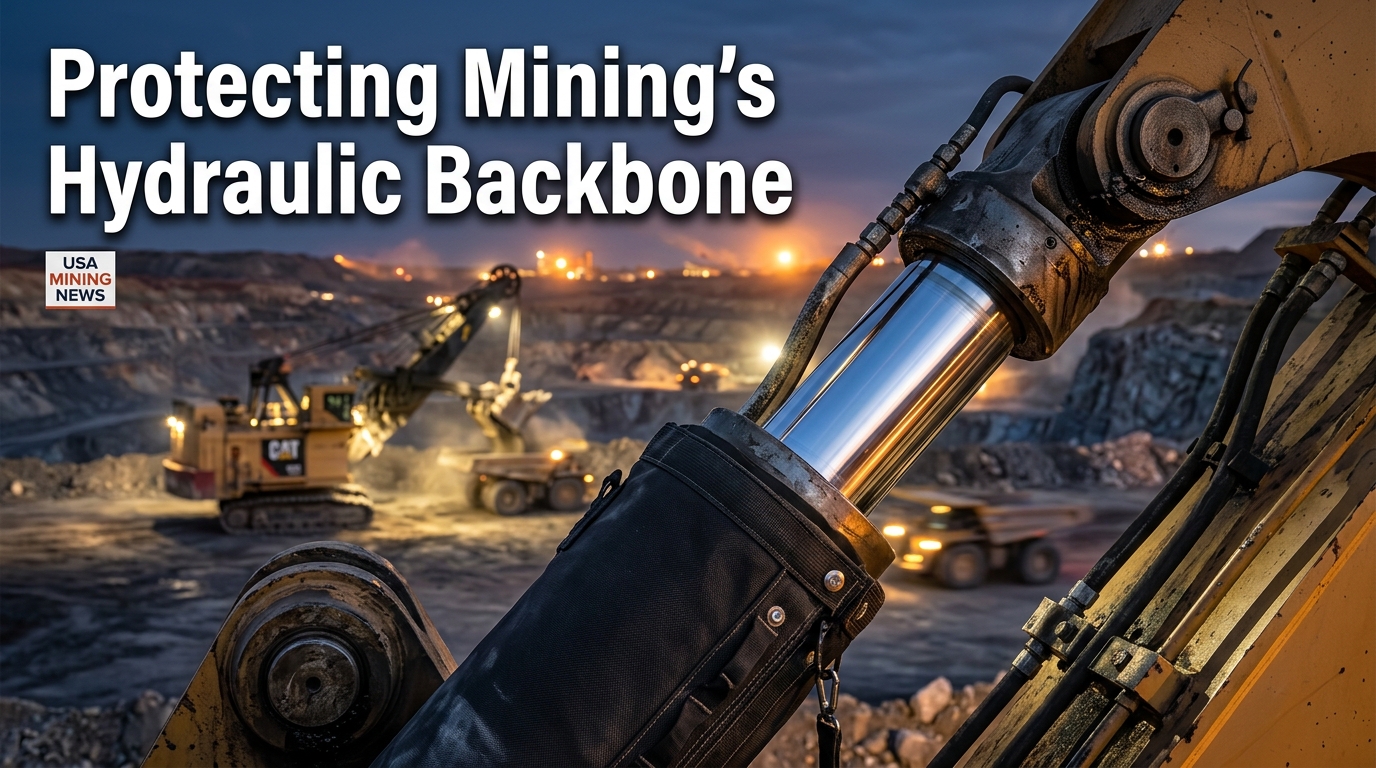
The core concept revolves around creating a physical barrier that prevents contaminants from reaching the critical areas of the hydraulic cylinder, specifically the exposed rods and seals. Such solutions aim to provide a robust defense against the full spectrum of environmental threats—dirt, water, chemicals, and extreme temperatures—that constantly challenge equipment integrity in mining operations.
The development of specialized protective coverings or sleeves represents a significant advancement. These solutions are engineered to be:
- Durable: Constructed from materials capable of withstanding abrasion, impacts, and chemical exposure.
- Resistant to environmental factors: Designed to repel water, resist chemical degradation, and maintain integrity across a wide temperature range.
- Easy to install and maintain: Allowing for quick deployment without extensive downtime or specialized tools, integrating seamlessly into existing maintenance routines.
By implementing such protective measures, mining companies can move beyond reactive maintenance strategies, which are inherently more costly and disruptive, towards a more predictive and preventive approach. This shift is crucial for optimizing asset utilization and extending the service life of critical components.
Extending Lifespan and Sustaining Productivity
The benefits of investing in advanced hydraulic protection extend directly to a mine's bottom line and operational capabilities. By safeguarding the "hydraulic backbone" of mining machinery, companies can unlock significant advantages:
- Extended equipment lifespan: Protecting cylinder rods and seals from environmental wear drastically reduces the rate of component degradation. This means hydraulic cylinders, and by extension the machines they power, can operate effectively for longer periods before requiring major overhauls or replacements, deferring capital expenditure.
- Maintained peak performance: Contamination and wear not only cause failure but also lead to a gradual decline in hydraulic system efficiency. Protected systems retain their precision and power output, ensuring that machinery operates at its designed capacity, maximizing productivity.
- Reduced unplanned downtime: This is arguably the most critical benefit. By preventing cylinder damage and seal failures, the incidence of unexpected machinery breakdowns drops significantly. Mines can adhere more closely to production schedules, reducing the financial penalties associated with delays.
- Lower maintenance costs: Fewer unplanned repairs, reduced frequency of major component replacements, and less labor spent on emergency fixes contribute to substantial savings in operational expenditure. Preventive protection is invariably more cost-effective than reactive repairs.
- Enhanced safety: Reliable hydraulic function is integral to safe equipment operation. By minimizing the risk of system failures, these protective solutions contribute to a safer working environment for mining personnel, reducing the potential for incidents caused by mechanical malfunctions.
Ultimately, a straightforward solution that protects heavy machinery's hydraulics translates directly into higher uptime, greater operational reliability, and improved profitability—critical metrics for any modern mining enterprise.
Strategic Imperatives for Mining Operations
The emphasis on protecting hydraulic systems is not merely a technical consideration; it represents a strategic imperative for mining companies aiming for operational excellence. In an industry characterized by tight margins, escalating operational costs, and increasing demands for efficiency and sustainability, every component that contributes to uptime and longevity becomes a focal point for strategic investment.
Integrating robust hydraulic protection into maintenance protocols aligns with broader industry trends towards:
- Total Cost of Ownership (TCO) optimization: By reducing maintenance frequency and extending asset life, protective solutions positively impact the TCO of heavy equipment.
- Operational resilience: Mines need to be resilient against unforeseen challenges. Minimizing hydraulic failures strengthens operational resilience by reducing vulnerability to environmental factors.
- Sustainability goals: Extending the life of components reduces waste from premature equipment disposal and lowers the energy footprint associated with manufacturing new parts, contributing to environmental sustainability targets.
- Technological integration: As mining embraces digitization and automation, the reliability of foundational mechanical systems, like hydraulics, becomes even more critical for uninterrupted data flow and autonomous operations.
Proactive hydraulic protection should be a standard component of equipment specification, procurement, and ongoing maintenance planning, rather than an afterthought. This requires collaboration between original equipment manufacturers (OEMs), technology providers like Seal Saver, and mine operators to ensure that the most effective and durable solutions are implemented from the outset or integrated through thoughtful retrofits.
The Future Outlook for Hydraulic System Management
As the mining industry continues to innovate, the focus on enhancing equipment reliability will only intensify. The insights shared around October 6, 2026, serve as a timely reminder that even fundamental components like hydraulic cylinders require advanced consideration and protection. The future of hydraulic system management in mining will likely see a greater integration of smart monitoring technologies combined with passive and active protection systems.
The ongoing drive for higher productivity, lower operating costs, and enhanced safety in mining operations ensures that solutions capable of extending the lifespan and maintaining the performance of critical components will remain at the forefront of industry interest. Protecting the hydraulic backbone is not just about preventing a specific failure; it is about fortifying the entire operational structure against the relentless pressures of one of the world's most challenging industries, ensuring that mining operations continue to move forward efficiently and safely into the future.