In a significant development poised to transform open-pit mining operations globally, Rolls-Royce Power Systems unveiled its plans on May 8, 2026, to begin field testing of a new hybrid drive system for haul trucks. Scheduled to commence in autumn 2026, this advanced system integrates the robust mtu Series 4000 engines with an innovative electric drivetrain, promising substantial reductions in fuel consumption and carbon dioxide (CO₂) emissions. This initiative underscores a pivotal moment for the mining sector as it navigates increasing pressures for both economic efficiency and environmental stewardship.
Revolutionizing Haulage: The Hybrid System Unveiled
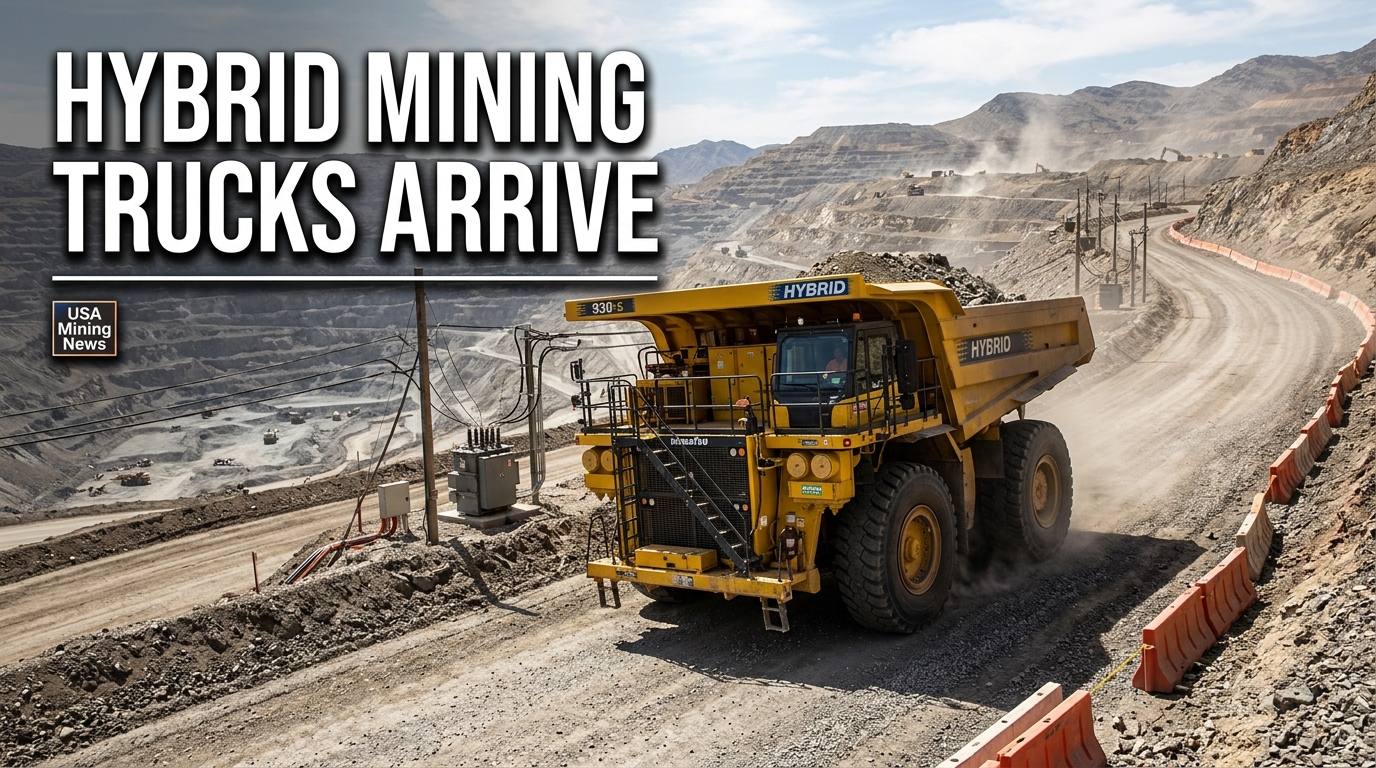
At the core of Rolls-Royce Power Systems’ latest innovation lies a sophisticated hybrid drive system designed specifically for the arduous demands of mining haul trucks. This system synergistically combines the proven reliability and power of mtu Series 4000 diesel engines with an advanced electric drivetrain. The fundamental principle behind its efficiency is the intelligent capture and reuse of energy that would otherwise be dissipated as heat during braking. As haul trucks descend slopes, the system ingeniously converts kinetic energy into electrical energy, storing it in high-capacity batteries. This stored energy is then strategically deployed to power the wheel motors during uphill ascents, thereby significantly lessening the load on the diesel engine.
Rolls-Royce Power Systems projects that, depending on the specific mine’s terrain and operational characteristics, this hybrid system can reduce fuel consumption and CO₂ emissions by as much as 30% compared to traditional, purely diesel-powered drive systems. This substantial reduction represents not only a considerable operational cost saving for mining companies, which often operate fleets of hundreds of these massive vehicles, but also a vital step toward achieving ambitious sustainability targets. The company’s long-term objective is to develop a modular and scalable system, ensuring its adaptability across a diverse range of vehicle types, varied mine terrains, and differing operational conditions commonly encountered in global mining.
Economic and Environmental Imperatives for Mining
The timing of Rolls-Royce Power Systems’ announcement is particularly pertinent, aligning seamlessly with the profound shifts occurring within the global mining industry. As demand for critical minerals—essential components for the energy transition, electromobility, and the burgeoning data center sector—continues its steep ascent, mining companies face intensified scrutiny regarding their environmental footprint. The industry as a whole has committed to ambitious decarbonization targets, with many major players aiming for a 30–40% reduction in CO₂ emissions by 2030 and striving for complete climate neutrality by 2050.
Cobus van Schalkwyk, Global Mining Vice-President at Rolls-Royce Power Systems, articulated the strategic significance of this development. "With this new development, Rolls-Royce is responding to a growing drive from the global mining industry to operate more efficiently and sustainably." He further emphasized the critical role of haul trucks in open-pit mining, stating, "Transport in open-pit mining using haul trucks accounts for the largest share of production costs – and a significant proportion of emissions. Hybrid drive systems offer an effective lever for cost reduction and decarbonisation here." This statement highlights the dual benefit of the technology: addressing both the economic imperative of cost reduction and the environmental mandate of emission reduction, which are increasingly intertwined in modern mining strategy.
Technical Deep Dive: Power and Adaptability
The mtu Series 4000 engines, central to Rolls-Royce Power Systems’ hybrid solution, are already a cornerstone of heavy-duty applications across the mining sector. For years, these formidable diesel engines have reliably powered a wide array of open-pit mining equipment, ranging from drilling rigs and excavators to massive wheel loaders and haul trucks. Their robust design and proven performance have made them a preferred choice, whether integrated into diesel-mechanical, diesel-electric, or diesel-hydraulic systems.
A key aspect of the mtu Series 4000’s future-readiness is the compatibility of several key variants with hydrogenated vegetable oil (HVO). This alternative fuel source offers a compelling pathway to considerably reduce the carbon footprint of mining operations. By combining HVO-compatible engines with the new electric drivetrain in a hybrid configuration, Rolls-Royce Power Systems offers a versatile solution that can adapt to evolving fuel strategies and increasingly stringent environmental regulations. The hybrid system's modular and scalable design further enhances its appeal. Mining operations are inherently diverse, characterized by varying fleet sizes, truck capacities, and topographical challenges. A flexible system that can be tailored to these specific conditions offers a significant advantage over one-size-fits-all solutions, maximizing efficiency gains across different operational profiles.
Broader Industry Implications: A Shift Towards Sustainable Pits
The introduction of a viable hybrid drive system for haul trucks by a reputable industry leader like Rolls-Royce Power Systems carries profound implications for the mining industry. Haulage typically represents 40-60% of a mine's operating costs, with fuel being a predominant expenditure. A 30% reduction in fuel consumption, particularly for mines operating dozens or even hundreds of 200-400 tonne capacity trucks that consume thousands of liters of diesel daily, translates into hundreds of millions of dollars in annual savings. Beyond the immediate economic benefits, the environmental advantages are equally compelling. The reduction in CO₂ emissions directly contributes to corporate sustainability goals, enhances a company's environmental, social, and governance (ESG) profile, and can help mitigate regulatory risks and community opposition.
Furthermore, this development aligns with the broader industry trend towards electrification in mining. While fully battery-electric haul trucks are emerging, they often face challenges related to charging infrastructure, battery weight, and range in remote, high-power demand environments. Hybrid systems, like the one from Rolls-Royce Power Systems, can serve as a crucial bridge technology, offering significant emission reductions and fuel savings without requiring a complete overhaul of existing infrastructure or facing the full suite of challenges associated with entirely battery-powered fleets. This allows mines to incrementally decarbonize their operations while maintaining operational flexibility and reliability.
The Road Ahead: Field Testing and Commercialization
The planned field testing of the hybrid drive system in autumn 2026 marks a critical phase in its journey from development to commercial availability. Real-world testing in demanding mining environments will provide invaluable data on performance, durability, and reliability under actual operational conditions. Success in these trials will be paramount for validating the system’s projected benefits and building confidence among potential customers.
Should the field tests prove successful, Rolls-Royce Power Systems is poised to offer a robust and economically attractive solution to the global mining market. The commercialization of this technology could accelerate the adoption of hybrid solutions across the industry, driving competitive innovation among other equipment manufacturers. The ability to deploy a modular, scalable system also suggests potential for retrofitting existing diesel fleets, offering a pathway for current operators to upgrade their equipment without necessarily investing in entirely new trucks. As mining companies continue to seek innovative ways to meet escalating mineral demand while simultaneously addressing stringent environmental mandates, hybrid propulsion systems present a compelling and pragmatic solution for achieving a more sustainable and profitable future.