Kazakhstan Tungsten Deal Underscores US Critical Mineral Processing Deficit Amid Supply Chain Revitalization Efforts
The global mining sector and policymakers worldwide are increasingly focused on the security and resilience of critical mineral supply chains. Against this backdrop, a recent investment by Donald Trump Jr and Eric Trump, the sons of the former US President, in a Kazakhstan tungsten project has drawn considerable attention. While framed as a step towards reducing US dependence on Chinese critical minerals, this development simultaneously casts a spotlight on a significant choke point in American supply ambitions: the pervasive processing gap within the domestic critical mineral value chain.
A Strategic Investment in Central Asia
The investment by Donald Trump Jr and Eric Trump targets the Trudovoye Tungsten Mine, situated in Kazakhstan. This landlocked Central Asian nation, known for its vast mineral wealth, has long been a key player in the global commodities market. The engagement of high-profile American investors signals a growing appetite to secure strategic mineral assets in geopolitically significant regions, aligning with broader US objectives to diversify sources of essential raw materials.
The stated primary aim of this investment is deeply intertwined with the overarching US strategy to fortify its critical mineral supply chain and diminish reliance on what are often considered adversarial nations, particularly China. For years, the United States has grappled with an increasing dependency on foreign sources for a wide array of critical minerals deemed vital for national security, economic prosperity, and technological leadership. Securing direct access to primary resources like tungsten through international partnerships and investments is a fundamental pillar of this strategy.
Tungsten: A Pillar of Modern Industry and Defense
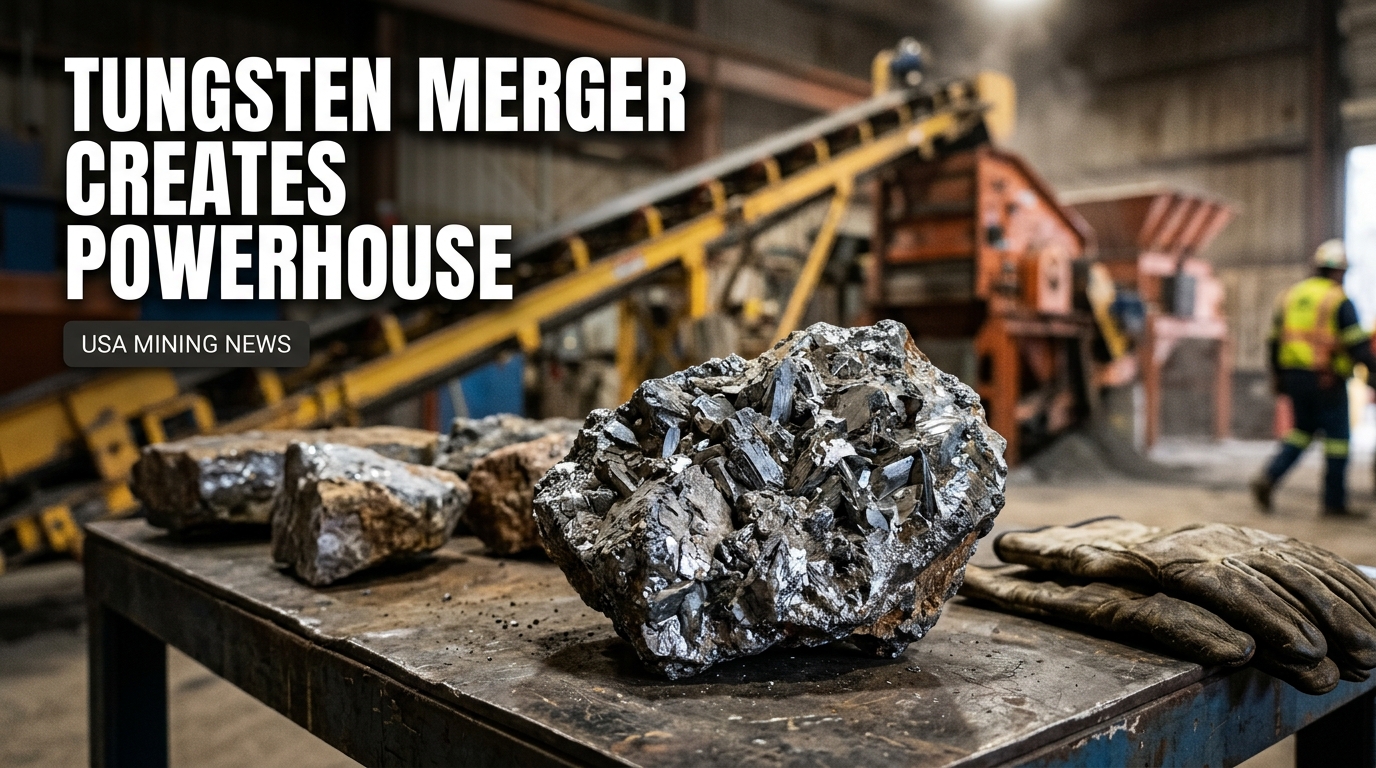
To fully appreciate the significance of the Trudovoye project, it is essential to understand the critical role of tungsten. Tungsten (chemical symbol W) is a silvery-white, lustrous transition metal renowned for its exceptional physical properties. It boasts the highest melting point of all metals (3,422 °C or 6,192 °F), remarkable hardness, superior tensile strength, and excellent high-temperature strength. These attributes make it indispensable across a multitude of high-tech and defense applications:
- Industrial Tools: Tungsten carbide, an exceptionally hard compound, is used extensively in cutting tools, drills, mining equipment, and wear-resistant parts.
- Defense: Its high density makes it ideal for armor-piercing projectiles, grenade fragments, and other kinetic energy penetrators.
- Electronics and Lighting: Tungsten filaments are crucial components in incandescent light bulbs, X-ray tubes, and various electrical contacts.
- Aerospace and Automotive: Used in superalloys for jet engines, rocket nozzles, and high-performance automotive components due to its resistance to heat and wear.
- Energy Sector: Components for electric vehicle batteries, plasma-facing components in fusion reactors, and high-temperature furnace parts.
Due to its strategic importance and the concentrated nature of its global supply, tungsten has been designated a critical mineral by numerous governments, including the United States. The reliable provision of tungsten is thus not merely an industrial concern but a matter of national strategic interest.
The Global Supply Chain Imbalance and Chinese Dominance
The global supply chain for tungsten, much like many other critical minerals, is characterized by significant geographical concentration and a pronounced reliance on a single nation: China. China has historically been the leading global producer of tungsten ore and, more critically, dominates the subsequent stages of processing and refining. This dominance is a result of decades of strategic investment, lower labor costs, and often less stringent environmental regulations, creating a powerful, vertically integrated industry that is difficult for other nations to compete with on pure economic terms.
For the United States and its allies, this concentration in China presents substantial vulnerabilities. Geopolitical tensions, trade disputes, or even natural disasters within the primary supplier nation could lead to severe disruptions in the supply of essential materials, directly impacting industries from defense manufacturing to renewable energy technologies. Recognizing this risk, successive US administrations have initiated various programs and policy frameworks aimed at de-risking and diversifying critical mineral supply chains, often through a combination of domestic resource development, international partnerships, and recycling initiatives.
The Pervasive Threat of the Processing Gap
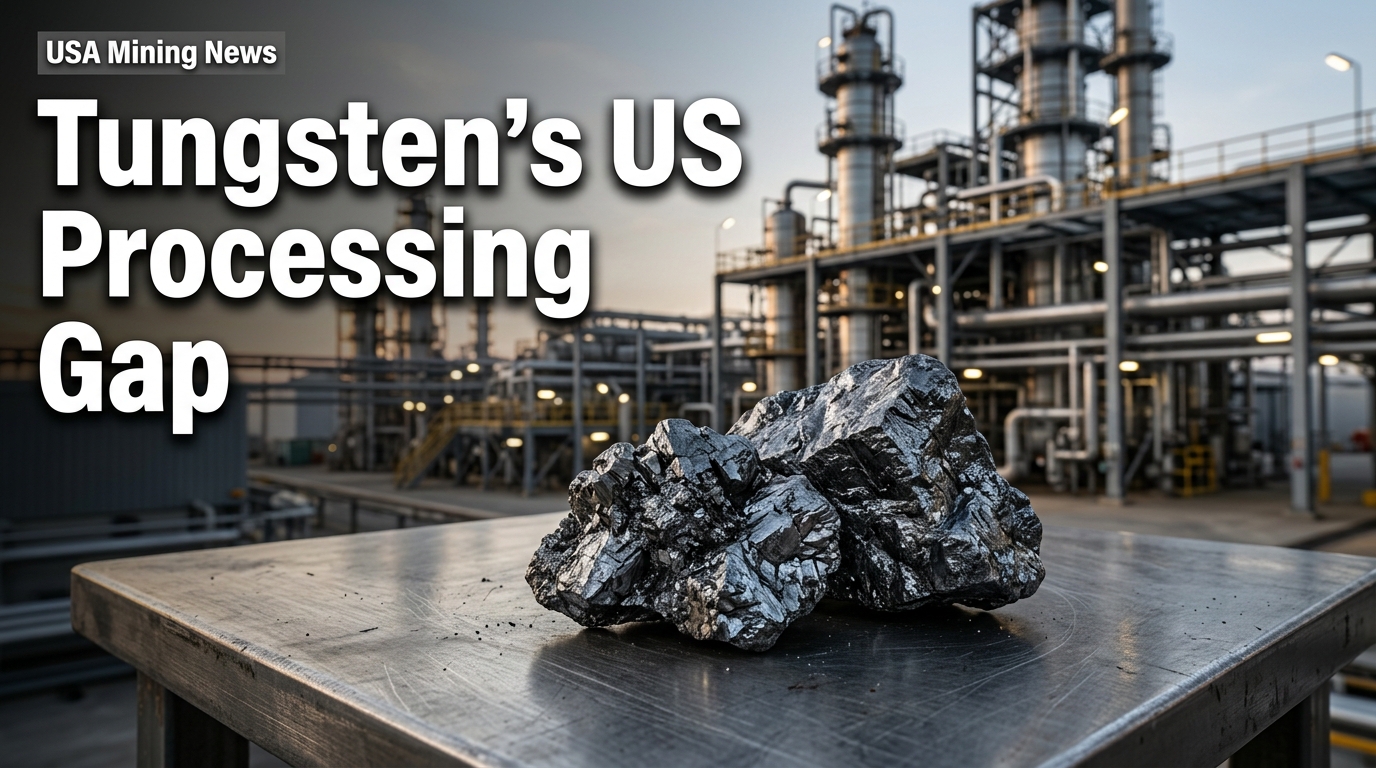
While an investment in a Kazakh tungsten mine is a positive step towards securing raw material access, the source material explicitly highlights a critical underlying issue: "processing constraints threaten to undermine supply chain independence." This "processing gap" is perhaps the most significant hurdle in the broader US critical mineral strategy. It refers to a severe deficit in the capacity to convert raw mineral ores into the usable, refined forms required by modern industries.
For tungsten, this means that even if the United States secures a steady supply of tungsten concentrate from a mine like Trudovoye in Kazakhstan, it still faces the challenge of transforming that concentrate into high-purity tungsten powder, tungsten carbide, or other value-added products that US manufacturers need. Without adequate domestic or allied nation processing infrastructure, raw material secured from diverse international sources might still have to be sent to China or other foreign processing facilities for crucial intermediate steps. This effectively reintroduces the very dependency the initial investment sought to circumvent, nullifying much of the strategic benefit.
Building out such processing capacity is a complex and capital-intensive undertaking. It requires:
- Significant Capital Investment: Establishing state-of-the-art mineral processing plants demands substantial upfront investment, often in the hundreds of millions or even billions of dollars.
- Technical Expertise: These are sophisticated chemical and metallurgical processes requiring specialized engineering knowledge and operational expertise, which have atrophied in the US over decades of outsourcing.
- Permitting and Environmental Compliance: New processing facilities face rigorous environmental reviews and permitting processes, which can be time-consuming and costly.
- Market Economics: Competing with established, often heavily subsidized foreign processors, requires a long-term strategic vision and potentially government support to ensure economic viability in the initial stages.
The absence of this midstream processing capability means that the US critical mineral strategy is akin to building a house without a roof: fundamental elements are in place, but a critical component is missing, leaving the entire structure vulnerable.
Broader Implications for US Critical Mineral Policy
The Trump-linked tungsten deal serves as a pragmatic illustration of the multi-faceted challenges inherent in building a resilient critical mineral supply chain. It underscores that a truly independent and secure supply chain requires a holistic approach that extends beyond the mine site to encompass every stage of the value chain: exploration, mining, processing, manufacturing, and recycling. For mining industry professionals and investors, this situation presents both challenges and opportunities:
- Investment Opportunities: While securing raw materials remains vital, the processing gap highlights burgeoning investment opportunities in refining, beneficiation, and metallurgical facilities within the US and allied nations.
- Technological Innovation: There is an urgent need for advanced processing technologies that are more environmentally efficient and cost-effective, potentially spurring innovation in mineral processing.
- Policy Alignment: Industry stakeholders must continue to engage with policymakers to advocate for comprehensive strategies, including tax incentives, grants, and streamlined regulations to de-risk investments in domestic processing infrastructure.
- Diversification of Partnerships: Exploring partnerships with nations that possess processing expertise, even if not China, could also be a short-to-medium term solution while domestic capacity is developed.
The Path Forward: Bridging the Divide
As the United States continues its push for critical mineral supply chain independence, the lessons from the Kazakhstan tungsten deal are clear. Diversifying sources of raw materials, commendable as it is, represents only the first step. The true test of resilience will lie in the nation's ability to develop robust, secure, and environmentally responsible processing and refining capabilities. This will require sustained governmental support, significant private sector investment, and a long-term strategic outlook.
For the US mining industry, this context signals a profound shift. The focus is no longer solely on extraction, but on integrating the entire value chain. Bridging the processing gap for tungsten and other critical minerals will be a multi-year effort, demanding innovation, collaboration, and unwavering commitment. Only then can the strategic investments in raw materials, such as the one in Kazakhstan, truly contribute to a secure and independent critical mineral future for the United States.