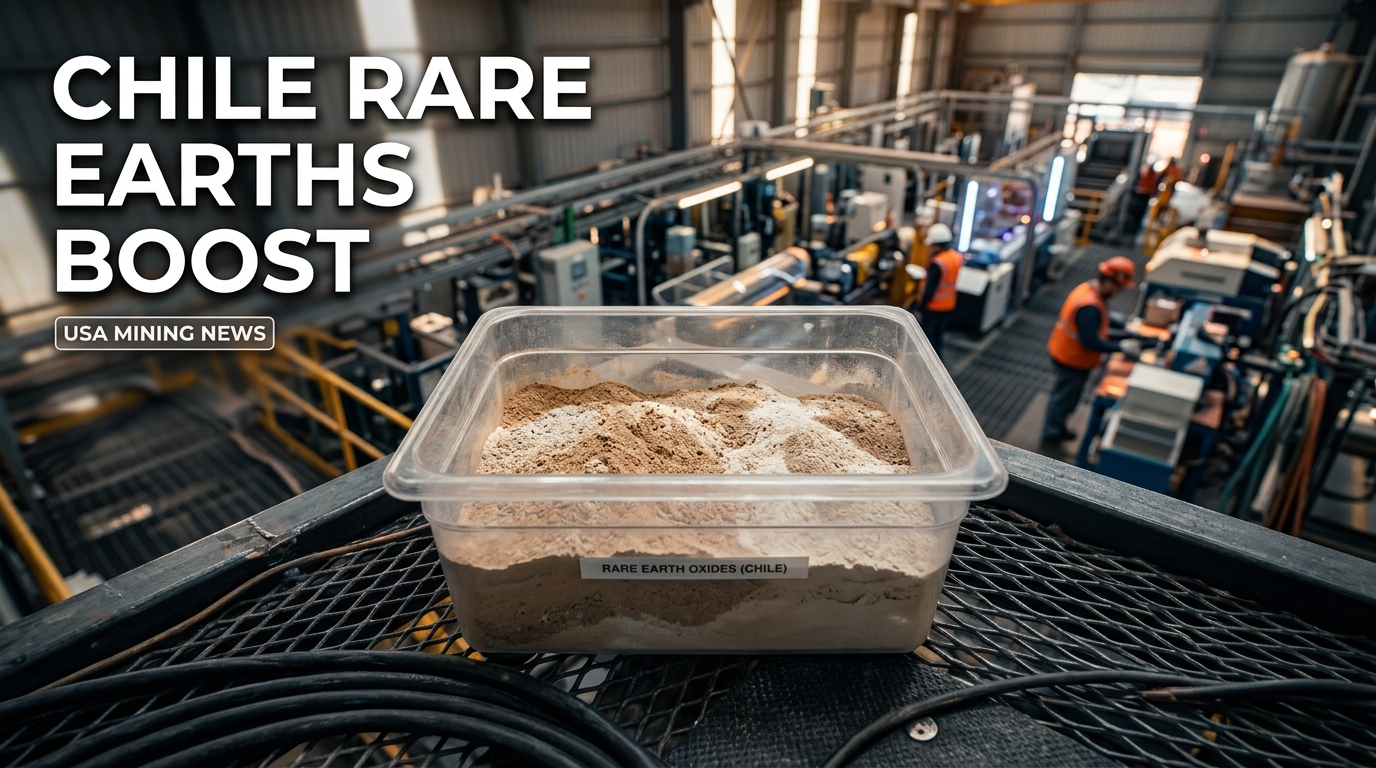
Santiago, Chile – In a pivotal development for the global critical minerals sector and Latin America’s burgeoning role within it, Aclara Resources (TSX: ARA) announced on June 23, 2026, the receipt of the final Environmental Qualification Resolution (RCA) for its Penco Module rare earths project in Chile. This formalizes an environmental approval originally granted earlier in June by the Environmental Assessment Commission of the Biobío region in south-central Chile, culminating a comprehensive process that spanned more than four years.
The Penco project, strategically located approximately 430 kilometers south of Santiago, is poised to become a significant contributor to the Western world’s urgent need for a diversified and secure supply of rare earth elements (REEs). This approval marks a critical step forward for Aclara, which is actively working to establish a vertically integrated rare earth supply chain outside of traditional dominant producing regions.
A Milestone for Aclara Amidst Broader Industry Challenges
The culmination of the environmental approval process, while cause for relief within Aclara, also serves to underscore the persistent challenges associated with permitting critical mineral projects globally. Jose Augusto Palma, Aclara’s Executive Vice-President, articulated this sentiment in an interview with The Northern Miner, stating, “There’s a tremendous opportunity for these countries to really make the most out of this enormous demand for these critical minerals so that they can also promote the establishment of the value chain downstream.”
Palma emphasized the need for enhanced coordination among government agencies to streamline permitting processes, particularly within highly mineralized regions such as Latin America. Countries like Peru, Chile, Brazil, and Argentina, all with mining explicitly recognized as a key economic sector, stand to significantly benefit from a more agile regulatory environment. The global energy transition and robust demand from high-tech industries are driving unprecedented interest in critical minerals, making the efficiency of project development a national strategic imperative for these nations.
Penco Module: A Detailed Look at Production and Economics
The Penco Module project is designed to produce approximately 774 tonnes of rare earth oxides (REO) annually over an estimated mine life of 14 years. These quantities are derived from a preliminary economic assessment (PEA) conducted in 2021, which outlined robust financial metrics for the project.
Key economic highlights from the 2021 PEA include:
- An after-tax Net Present Value (NPV) of $178 million, calculated using a 5% discount rate.
- An impressive Internal Rate of Return (IRR) of 23%.
- Initial capital expenditure for the project is estimated at $119 million.
- The after-tax payback period for initial capital is projected to be 4.7 years.
- The base-case price used for REO in the assessment was $96 per kilogram.
These figures position Penco as a compelling economic proposition, particularly given the escalating demand and strategic importance of REOs. Aclara’s REO output is anticipated to include a mix of both light and heavy rare earth oxides, crucial for a wide array of high-technology applications from electric vehicles and wind turbines to advanced electronics and defense systems.
Building a Western Rare Earths Supply Chain
Aclara’s strategic vision extends beyond extraction, aiming for vertical integration to minimize reliance on external processing capabilities. This commitment is evidenced by its ongoing development of sophisticated processing infrastructure outside of Chile:
- Virginia Tech Pilot Plant: Located in Blacksburg, Virginia, USA, this pilot plant is a cornerstone of Aclara’s strategy. It is expected to produce its first separated light and heavy rare earth oxides later in 2026. This facility is critical for optimizing Aclara’s proprietary process for ionic clay deposits, ensuring efficient and environmentally responsible extraction and separation. The pilot plant’s insights will directly inform the design and operations of Aclara’s larger-scale commercial facilities.
- Commercial Separation Plant in Louisiana: Following the successful development and optimization at Virginia Tech, Aclara plans to establish a commercial-scale rare earth separation plant in Louisiana, USA. This facility is anticipated to be completed in 2027 and will serve as a crucial downstream processing hub for rare earth concentrates sourced from Penco and potentially other projects, such as Aclara’s Carina Module in Brazil. The Louisiana plant represents a significant investment in establishing a secure, domestic processing capability for vital critical minerals.
The ability to mine in Chile and Brazil, coupled with advanced processing capabilities in the United States, positions Aclara as a unique player actively addressing the geopolitical and supply chain vulnerabilities currently dominant in the rare earths market. This strategic alignment with "Western" supply chain initiatives is expected to garner support from governments and industries seeking resilient and ethically sourced critical mineral inputs.
Corporate Structure and Market Performance
Aclara Resources, trading on the Toronto Stock Exchange under the ticker ARA, holds a significant valuation, standing at approximately C$1 billion (or $700 million USD) based on its mid-day share price of C$4.17 on the Tuesday of the announcement. The company's ownership structure reflects strong institutional and industry backing:
- Eduardo Hochschild: Holds a substantial 37% stake in Aclara.
- Hochschild Mining (LSE: HOC): A publicly traded international precious metals producer, owns 20% of Aclara.
- CAP SA: A Chilean diversified industrial conglomerate, holds 10%.
This ownership structure provides Aclara with robust financial and operational expertise, drawing on established mining and industrial experience, particularly from the Hochschild group which has a long history in Latin American mining operations.
The Path Forward: From Approval to Production
With the environmental approval secured, Aclara is moving swiftly to the next phases of the Penco Module project. According to Jose Augusto Palma, the company is optimistic about having all necessary permits in place by early 2027, which would allow for the commencement of construction shortly thereafter. The ambitious timeline targets initial production from Penco by 2027, aligning with the expected completion of its Louisiana separation plant.
Further solidifying the project’s technical and economic foundations, Aclara aims to publish a comprehensive feasibility study for Penco by the end of 2026. This study will refine the capital and operating cost estimates, engineering designs, and overall project schedule, providing greater certainty for investors and stakeholders. "We’re very excited [and] motivated and now we can move to the next phase of the project," Palma stated, underscoring the company's eagerness to progress.
Broader Geopolitical and Economic Implications
The successful permitting of critical mineral projects like Penco carries significant weight beyond corporate financials. Globally, there is an intensified focus on securing critical mineral supplies, driven by geopolitical concerns and aggressive decarbonization agendas. Rare earths, in particular, are indispensable for numerous cutting-edge technologies and defense applications, making a diversified supply chain a national security priority for many Western nations.
Chile's approval for Aclara's project sends a positive signal regarding the nation's commitment to facilitating responsible mining projects that contribute to the global supply of these essential materials. It also highlights the potential for Latin American countries to leverage their vast mineral wealth to not only attract foreign investment but also to foster the development of downstream processing capabilities, thereby creating more value and jobs within their economies. The long permitting timeline for Penco, however, serves as a poignant reminder that while the opportunities are immense, governments must continue to refine regulatory frameworks to meet the urgency of the critical minerals imperative.
Aclara Resources' Penco Module is thus more than just a mining project; it represents a strategic piece in the larger puzzle of global critical mineral security and a testament to the potential for sustainable and economically viable rare earth production outside of established supply channels.