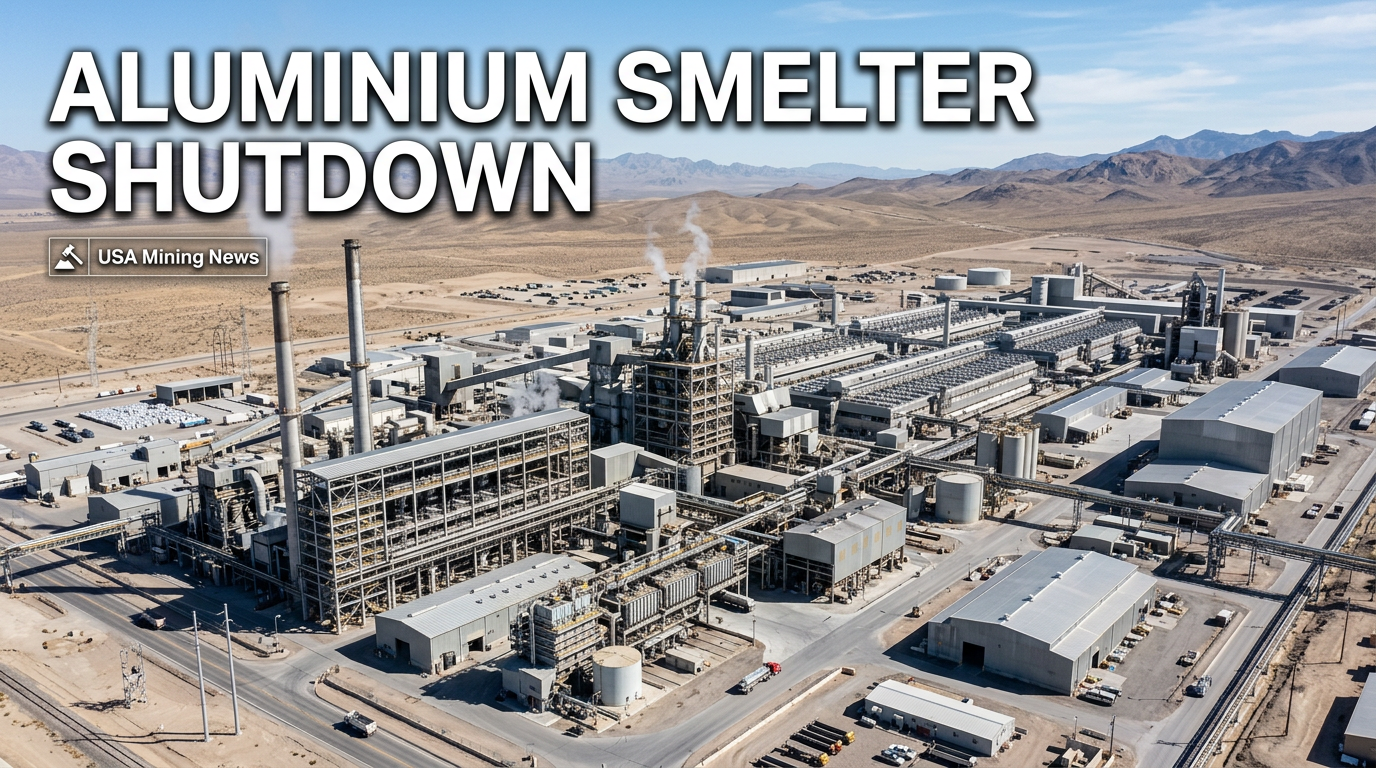
Aluminium Bahrain (Alba), one of the world's largest aluminium smelters, formally announced on March 16, 2026, the implementation of a "controlled and safe shutdown" of three of its key reduction lines. This strategic operational adjustment, affecting lines 1, 2, and 3, represents approximately 19% of the company's substantial annual aluminium smelting capacity of 1.62 million tonnes (mt). The decisive action by Alba, a critical player in the global aluminium supply chain, is a direct consequence of escalating geopolitical tensions and persistent disruptions in the strategically vital Strait of Hormuz, triggering concerns across the Middle East’s industrial landscape and impacting global commodity markets.
Alba's Strategic Operational Adjustment
The decision to temporarily cease operations on nearly a fifth of its processing capacity highlights the severity of the logistics and supply chain challenges confronting the Bahrain-based producer. Alba, in its official statement, clarified that this "targeted, line-specific action is designed to optimise the utilisation of Alba’s existing raw materials inventory and prioritise operational stability across reduction lines 4, 5 and 6." This indicates a carefully calculated move to preserve critical inputs and maintain output from its remaining operational lines amidst an uncertain and volatile operating environment. For an asset of Alba's scale, managing such a shutdown requires meticulous planning, encompassing technical procedures for safe and orderly cessation of power-intensive electrolysis pots, as well as complex logistical adjustments with suppliers and customers. The company's emphasis on a "controlled and safe shutdown" reflects adherence to stringent operational protocols necessary to protect personnel, assets, and the environmental integrity of the facility.
The Geopolitical Imperative: Strait of Hormuz Disruptions
At the heart of Alba’s operational curtailment are the enduring disruptions in the Strait of Hormuz. This narrow waterway, a chokepoint between the Persian Gulf and the Arabian Sea, is globally recognized as an indispensable transit route for a significant portion of the world's oil and gas, as well as other critical commodities. For Middle Eastern industrial powerhouses like Alba, the Strait serves as the primary gateway for both the import of vital raw materials, chief among them alumina, and the export of finished aluminium products to international markets. The source material explicitly states that the situation has "hindered other Middle Eastern smelters from receiving vessels with alumina, their crucial raw material." Alumina, refined from bauxite ore, is the fundamental input for the electrolytic smelting process that produces primary aluminium. Any impedance to its timely and consistent delivery can quickly cripple operations, given the 'just-in-time' inventory management common in continuous process industries. Moreover, the inability to transport finished metal to clients, as cited by Alba when declaring force majeure, directly impacts revenue streams and contractual obligations. The ongoing instability has effectively created an operational bottleneck for the entire regional aluminium sector, underscoring the interconnectedness of geopolitics and global supply chains.
Broader Regional Impact and Market Repercussions
The challenges faced by Alba are not isolated. The regional aluminium sector has been grappling with a confluence of supply chain disruptions and energy supply constraints. Notably, Qatar’s Qatalum, another significant aluminium producer in the Middle East, has also been compelled to scale back its operations. Following a gas supply suspension earlier this month, Qatalum reduced its operating capacity to 60%, highlighting an additional layer of vulnerability in the region's industrial base. Aluminium smelting is an extremely energy-intensive process, making a stable and affordable energy supply paramount for economic viability. Disruptions, whether from geopolitical tensions or infrastructure limitations, have immediate and far-reaching consequences.
The combined effect of these operational curtailments and the broader geopolitical uncertainty has sent ripples through the global commodity markets. The London Metal Exchange (LME) witnessed a significant surge in aluminium prices, reaching $3,546.50 per tonne, described as a near four-year high. This price spike reflects immediate concerns among traders and end-users about potential supply shortages from a region that plays a vital role in global aluminium production. For investors and industry players, these price movements signal increased market volatility and the growing importance of securing diversified supply channels and hedging strategies against geopolitical risks.
Managing Force Majeure and Operational Continuity
Alba's declaration of force majeure earlier this month was a critical legal and commercial step. A force majeure clause, typically found in commercial contracts, excuses parties from performing their contractual obligations when certain extraordinary events or circumstances beyond their control occur, such as war, natural disasters, or, in this case, severe geopolitical disruptions affecting shipping lanes. This declaration underscores the severe nature of the transport impediments and provides Alba with a legal framework to manage its commitments to customers without incurring penalties, although it necessitates intense coordination and communication with all stakeholders.
The company's strategy to "optimise the utilisation of Alba’s existing raw materials inventory and prioritise operational stability across reduction lines 4, 5 and 6" demonstrates a pragmatic approach to crisis management. By consolidating resources and focusing on maintaining output from a portion of its facility, Alba aims to mitigate the overall impact on its business and its role as a global supplier. This balancing act requires precise inventory management, careful allocation of energy, and rigorous maintenance of the operational lines to prevent further unplanned outages.
Proactive Maintenance and Future Readiness
During the shutdown period for lines 1, 2, and 3, Alba is taking a proactive stance by committing to "asset care and maintenance" on the affected infrastructure. This includes "extensive housekeeping and cleaning processes." This move, while seemingly rudimentary, is crucial for preserving the integrity of the capital-intensive smelting equipment. The electrolysis pots, busbars, and associated machinery in an aluminium smelter require constant attention. A controlled shutdown allows for deep cleaning, inspection, and preventative maintenance that might be difficult or impossible during full operation. This preparatory work is strategically designed to "facilitate a safe restart once conditions permit," suggesting that Alba views the current curtailment as temporary, contingent upon the stabilization of regional shipping routes and raw material supply. Such diligent care ensures that when conditions improve, the company can rapidly and safely bring the lines back online, minimizing both the ramp-up time and the risk of operational failures. Consistent coordination with suppliers and customers will also be paramount to manage existing obligations and minimise lingering disruptions once operations resume.
Implications for the Global Aluminium Market and Investors
Alba’s operational adjustments spotlight the increasing fragility of global supply chains in an era of heightened geopolitical instability. For mining industry professionals and investors, this event carries several critical implications:
- Supply Chain Resilience: It reinforces the need for greater supply chain resilience, including diversified sourcing, robust logistics plans, and contingency measures against regional conflicts or natural disasters. Companies reliant on specific chokepoints face inherent risks.
- Commodity Price Volatility: The LME price jump underscores how geopolitical events can trigger immediate and significant shifts in commodity markets. Investors must factor in these external risks when evaluating mining and metals investments.
- Energy Dependency: The curtailment at Qatalum highlights the critical importance of secure and affordable energy supplies for energy-intensive industries like aluminium smelting. This extends beyond geopolitical concerns to encompass global energy transition policies and infrastructure reliability.
- Middle East's Role: The Middle East has emerged as a significant hub for primary aluminium production over the past few decades, leveraging abundant energy resources. Disruptions in this region have a tangible impact on global metal availability and pricing.
- Strategic Preparedness: Alba’s methodical approach to the shutdown and its focus on maintenance demonstrate best practices in managing operational crises, aiming to minimize long-term damage and ensure rapid recovery.
Navigating an Uncertain Future
The decision by Aluminium Bahrain to temporarily shut down a significant portion of its smelting capacity is a stark reminder of the interconnectedness of global trade, geopolitics, and industrial operations. While Alba focuses on proactive maintenance and judicious resource management, the wider industry will closely monitor developments in the Strait of Hormuz and the broader Middle Eastern landscape. The ability of Alba and other regional producers to resume full operations will depend not just on internal industrial prowess but crucially on the resolution of external geopolitical tensions. For USA Mining News readers, this event serves as a critical case study in how global events can necessitate rapid, strategic, and often costly adjustments for even the most established players in the mining and metals sector, emphasizing the enduring imperative for adaptability and strategic foresight in a dynamic global environment.