Basin Energy Divests Marshall Uranium Project to Scale Development, Retains Strategic Upside
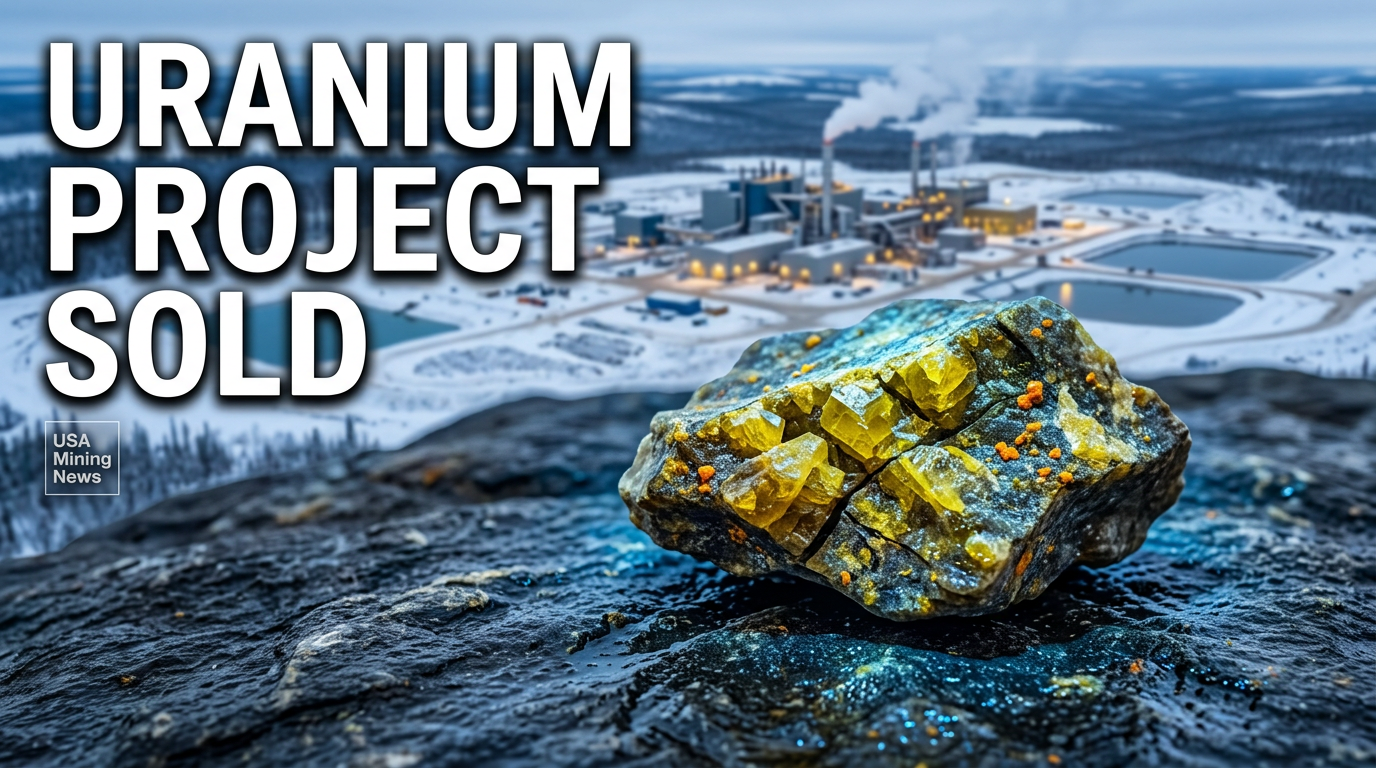
In a significant development for the North American uranium sector, Basin Energy has formally entered into a definitive mineral rights sale and purchase agreement (SPA) to divest its Marshall Uranium Project, located in the resource-rich province of Saskatchewan, Canada, to Green Canada Corporation (GCC). This strategic transaction, initially outlined in a binding letter of intent (LoI), positions the project for accelerated exploration and potential drilling under new stewardship, while Basin Energy retains attractive future upside through a structured deal framework.
The deal, announced on February 27, 2026, underscores the dynamic landscape of the junior exploration market, where companies are increasingly seeking innovative financing and development pathways to advance projects in a resurgent commodity environment. For Basin Energy, this agreement provides a clear trajectory for monetizing a non-core asset while maintaining exposure to its future success, aligning with a common strategy among explorers to de-risk projects and focus capital on other key assets.
The Marshall Uranium Project Transaction Unpacked
The core of this announcement revolves around the complete transfer of ownership of the Marshall Uranium Project from Basin Energy to Green Canada Corporation. GCC, operating as a subsidiary of PTX Metals, is taking on the full responsibility for the project's future exploration and development. This deal is not merely a straightforward asset sale but is intricately linked to GCC's broader corporate ambitions.
Critical conditions precedent to the transaction's completion include GCC's proposed reverse takeover of Maackk Capital, a financial mechanism often employed by private companies to gain a public listing. Furthermore, GCC must secure a minimum financing of C$2.5 million (approximately US$1.82 million) and achieve a listing on either the Canadian Securities Exchange or another mutually agreed stock exchange. These requirements highlight the transaction's alignment with GCC’s strategy to become a publicly traded entity with the financial capacity to fund its exploration programs.
Basin Energy’s remuneration package from this deal is structured to provide both immediate and long-term value, reflecting a careful balance between de-risking and maintaining exposure:
- Cash Payments: Basin will receive C$600,000 in cash, disbursed over a period of four years.
- Share Payments: An additional C$300,000 will be paid in shares of the newly listed entity, spread over three years.
- Equity Stake: Basin Energy is set to acquire a 9.99% equity interest in the resulting listed entity’s capital post-financing. This stake, subject to a 12-month escrow period, provides Basin shareholders with a direct, meaningful upside exposure to GCC’s future performance and, by extension, the Marshall Project’s success.
Strategic Nuances and Future Upside for Basin Energy
A notable aspect of this agreement is the robust set of clauses designed to protect Basin Energy’s long-term interests and provide avenues for continued participation in the project’s value creation. This demonstrates a sophisticated approach to asset divestment, moving beyond a simple outright sale to a more partnership-oriented framework.
Key among these protective clauses is the option for Basin to repurchase a 25% interest in the Marshall Project for a fixed sum of C$1,000,000. This buyback option remains available until five years after the closing date of the transaction or until GCC has expended C$10 million on exploration activities, whichever comes first. This provides Basin with a clear pathway to re-engage with a potentially de-risked and more advanced project in the future.
Further safeguarding Basin’s interests are additional rights:
- Right of First Refusal: Basin Energy holds a three-year right of first refusal, ensuring they have the first opportunity to acquire the Marshall Project if GCC decides to sell it to a third party.
- Board Nomination: Basin will have the ability to nominate one director to the board of the resulting listed entity, ensuring a voice in the strategic direction of the company developing the Marshall project.
Moreover, the agreement includes a mandate for GCC to invest a minimum of C$1.5 million into initial exploration activities within two years to maintain the project’s mineral claims. This commitment ensures that the project will see active development promptly, aligning with Basin’s interest in seeing the asset advance.
Basin Energy's managing director, Pete Moorhouse, commented on the significance of the agreement, stating, “The execution of the definitive agreement marks a key milestone in unlocking value from the Marshall Uranium Project, while maintaining meaningful upside exposure for Basin shareholders. With GCC progressing toward its public listing and associated financing, we are pleased to see a clear pathway toward funded exploration and drill testing at Marshall in the near term. Importantly, Basin retains leverage and upside through our equity interest, buyback option and right of first refusal, ensuring continued alignment with the project’s success.” His statement succinctly encapsulates the strategic advantages for Basin, balancing immediate value realization with long-term potential.
Interestingly, the SPA also grants GCC the option to withdraw from the transaction at any time following its completion. Should GCC exercise this option, the project would revert to Basin Energy, with no further payments being necessary. This clause injects an element of flexibility for GCC, while also outlining a clear reversion plan for Basin.
Expanding Horizons: The North Millennium Joint Venture Exclusivity
Alongside the Marshall Project transaction, Basin Energy and its partner CanAlaska have collectively provided GCC with a nine-month exclusivity period. This separate, but related, agreement allows GCC to conduct thorough due diligence on the North Millennium joint venture project. If these findings are favorable, GCC will then engage in negotiations to establish terms for an earn-in option, which could ultimately lead to GCC acquiring up to a 51% stake in the North Millennium joint venture. This development suggests a broader strategic interest from GCC in Saskatchewan’s uranium potential, potentially consolidating their presence in the region.
Joint ventures and earn-in agreements are common mechanisms in the mining industry for companies to share risk, expertise, and capital in often capital-intensive exploration and development phases. For CanAlaska and Basin, bringing in a funded partner like GCC could accelerate the North Millennium project’s development.
The Significance of Saskatchewan's Uranium Landscape
The Marshall Uranium Project's location in Saskatchewan, Canada, is a critical aspect of this transaction. Saskatchewan is globally renowned as a premier jurisdiction for high-grade uranium deposits, particularly within the Athabasca Basin. This region hosts some of the world's most significant and highest-grade uranium mines, making any project within its geological influence strategically valuable. The province's regulatory stability, infrastructure, and mature mining ecosystem further enhance its appeal to prospectors and developers.
The continued interest and investment in Saskatchewan's uranium projects, as evidenced by this deal, underscore the enduring strategic importance of the region to the global nuclear energy supply chain. Projects in this area, even early-stage ones like Marshall, carry a premium due to the proven prospectivity and high-grade potential.
Market Dynamics and Uranium's Resurgence
This transaction occurs against a backdrop of strengthening uranium market fundamentals. Global demand for nuclear energy is experiencing a resurgence, driven by commitments to decarbonization and energy security concerns. This renewed interest from governments and utilities worldwide is creating a favorable environment for uranium producers and explorers.
The long-term contracting cycle for uranium has re-emerged, and spot prices have seen significant gains over the past few years, incentivizing increased exploration and development. For junior companies like Basin Energy and aspiring public entities like GCC, this market tailwind provides significant impetus for M&A activities and capital-raising initiatives. Deals such as the Marshall Project sale are reflective of a broader industry trend where well-located uranium assets are attracting significant investor attention and corporate interest.
Next Steps and Industry Implications
For Green Canada Corporation, the immediate priorities will be to successfully complete the reverse takeover of Maackk Capital, secure the minimum C$2.5 million financing, and achieve its public listing. Only then can the Marshall Project transaction formally close and the mandated C$1.5 million initial exploration program commence within the two-year timeframe. The nine-month exclusivity period for the North Millennium JV also implies an aggressive due diligence schedule for GCC.
For Basin Energy, the transaction allows for a strategic realignment, providing capital and equity exposure without direct exploration expenditure on Marshall. This frees up resources to focus on other core assets, while retaining a strong link to the future success of the Marshall Project. The deal serves as a template for how junior explorers can unlock value from specific projects without entirely relinquishing future upside in a buoyant commodity market.
Ultimately, this agreement between Basin Energy and Green Canada Corporation highlights the ongoing dynamism within the uranium exploration landscape, particularly in top-tier jurisdictions like Saskatchewan. It exemplifies strategic maneuvering by mining companies to optimize their portfolios, secure funding for project advancement, and capitalize on the promising long-term outlook for uranium.