In the demanding world of global mining, where operational efficiency and asset reliability directly impact profitability, the strategic management of heavy equipment is paramount. Critical to maintaining these vast fleets is an often-overlooked yet fundamentally essential component: lubrication. As operations become more intense and equipment more sophisticated, the role of lubricants has evolved significantly beyond routine maintenance, becoming a cornerstone of overall reliability planning and a key determinant of component longevity and operational safety.
The Imperative of Reliability in Mining Operations
The sheer scale of mining fleets underscores the critical importance of every component's reliability. According to data from GlobalData, the total number of underground mining trucks and loaders, haulers, and dumpers in underground mines last year was estimated at 23,514. This figure includes both actively operating vehicles and those held in care and maintenance, with a substantial 20,085 located at active mining sites. Such extensive fleets represent massive capital investments, and their continuous, optimal operation is indispensable to meeting production targets.
When a major component within one of these vital machines fails, the ramifications stretch far beyond the immediate cost of repair. Downtime creates a cascading effect, disrupting meticulously planned production schedules, straining maintenance teams, and ultimately eroding the economic viability of the mine itself. In an industry where profit margins can be tight and operational costs immense, every hour of unplanned stoppage represents a tangible loss in revenue and productivity. This inherent vulnerability prompts mine operators to scrutinize every factor influencing machine health, with lubrication emerging as a leading priority in mitigating these risks.
Lubrication's Evolving Role: Beyond Routine Greasing
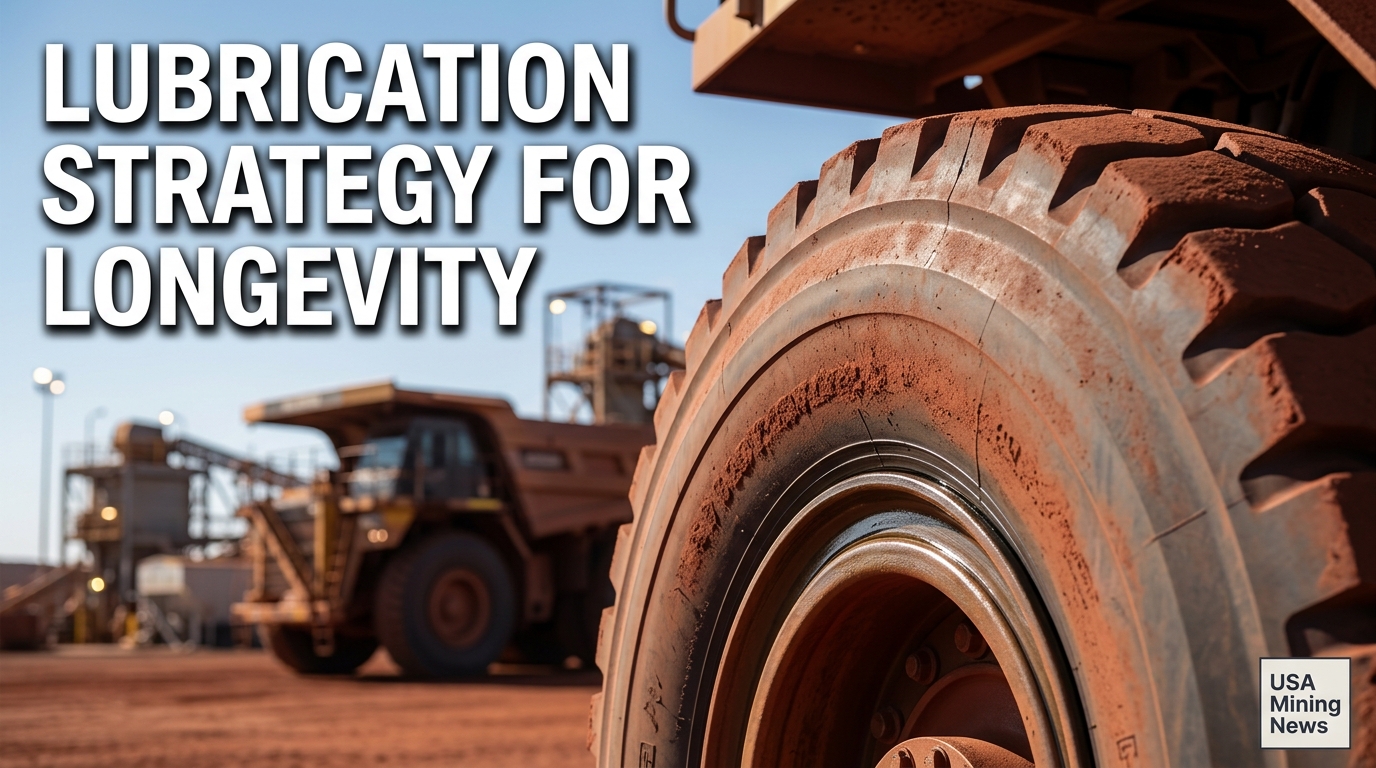
Lubricants serve as the first line of defense for critical components, shielding them from the destructive forces of friction, excessive heat, and wear. The efficacy of these protective films directly dictates how long machinery can operate between service intervals and how robustly components can withstand sustained mechanical stress. A prime example of this critical interdependence is found in electric wheel motor systems, which are central to the drivetrain architecture of large haul trucks. These assemblies are subjected to high torque and extreme temperature fluctuations and demand lubricants capable of maintaining their film strength, resisting degradation, and performing consistently under immense load.
Gord Susinski, Senior Advisor for Technical Services at Petro-Canada Lubricants, an HF Sinclair brand, emphasizes the shift in perspective. “Modern mining fleets operate under extreme temperatures, heavier loads and tighter tolerances, placing greater importance on effective lubrication,” Susinski noted in insights shared by Mrudvi Bakshi on March 18, 2026. He further elaborated, “Lubrication today is not simply about routine greasing schedules. It plays a central role in contamination control, extending component life and preventing unplanned downtime. This requires a more disciplined approach, combining condition monitoring, cleaner handling practices and higher-performance fluids to identify issues early and keep critical assets operating reliably.” As mining companies intensify their efforts to maximize asset life and minimize unplanned downtime, lubrication strategy is increasingly recognized as an integral and sophisticated component of overall reliability planning.
Challenging Conditions Demand Advanced Solutions
Mining equipment operates in some of the most challenging environments on Earth, testing the limits of both mechanical components and the lubricants designed to protect them. These conditions include:
- Shock Loads: Sudden, intense impacts on gears and bearings.
- Abrasive Particles: Dust and debris that can contaminate systems and accelerate wear.
- Large Temperature Swings: Daily and seasonal variations that push lubricants to their thermal stability limits.
Over time, these relentless stresses invariably degrade lubricant performance. Phenomena such as oxidation, contamination, and viscosity changes can compromise the protective film that separates metal surfaces. When this film is breached, friction intensifies, and wear accelerates, leading to premature component failure. For many years, traditional mineral oils have been the standard. However, the escalating operational demands of modern mining fleets—characterized by longer duty cycles, higher utilization rates, and more powerful machinery—are pushing conventional lubrication methods beyond their capabilities. Lubricants must now maintain impeccable stability for significantly extended periods to accommodate these operational realities.
The Rise of Synthetic and High-Performance Lubricants
In response to these intensifying operational challenges, advanced synthetic lubricants have garnered significant and growing attention across the mining sector. These sophisticated formulations are increasingly favored due to their ability to perform consistently and reliably under the most demanding operating conditions. Key advantages include:
- Superior Thermal Stability: Synthetics can withstand higher operating temperatures without breaking down, ensuring continuous protection.
- Reliable Cold-Start Protection: They maintain lubrication integrity and flowability during low-temperature start-ups, a crucial feature in colder climates.
- Extended Oil Life: In many applications, synthetic formulations offer significantly extended oil drain intervals, reducing maintenance frequency and waste.
- Stronger Wear Protection: Their robust protective film supports longer component service life by minimizing metal-to-metal contact.
- Improved Contamination Resistance: Better resistance to degradation helps keep systems cleaner for longer periods, reducing the impact of ingressed particles.
- Lower Coefficient of Friction: This can translate into improved fuel efficiency and overall energy performance, contributing to operational cost savings.
- Maintained Film Strength Under Heavy Loads: Crucially, synthetics excel at maintaining their protective film integrity even under the heaviest loads, making them ideally suited for the intense demands of modern mining equipment like haul trucks and loaders.
Diagnostic Insights: The Power of Oil Analysis
While selecting the optimal lubricant is paramount, the effectiveness of any lubrication strategy is equally dependent on continuous monitoring of its condition. Oil analysis programs have become an indispensable tool for maintenance teams, allowing them to track critical parameters such as changes in wear metals, contamination levels, and viscosity. These analyses provide a crucial window into the internal health of machinery, enabling proactive intervention.
Susinski likens oil analysis to a diagnostic test for mining equipment. “It is essentially a blood test for machinery,” he explained. “It provides early warning of wear, detects contamination and monitors lubricant health, allowing operators to plan maintenance before problems escalate.” This shift from reactive repairs to data-driven, predictive planning is transformative. By identifying potential issues before they manifest as catastrophic failures, operators can meticulously schedule maintenance activities, minimizing disruption. Susinski further emphasized this point, stating, “The most expensive repair is the one you did not plan for.” Such predictive capabilities are becoming increasingly aligned with broader predictive maintenance strategies, allowing mining operations to significantly enhance equipment efficiency and dramatically reduce unexpected stoppages, thereby safeguarding production targets.
Engineering for Extreme Duty: Product Design and Strategy
The heightened focus on lubrication performance has naturally led to increased emphasis on the sophisticated engineering and design of lubricant products themselves. Lubricants destined for mining applications must unequivocally perform reliably in environments characterized by consistently heavy loads and rapidly changing operating conditions. Petro-Canada Lubricants, for instance, has been at the forefront of developing synthetic gear oils specifically engineered for severe-duty mining applications. These advanced formulations are meticulously designed to deliver both superior film strength and stable viscosity, even under the most punishing combinations of high temperatures and sustained mechanical stress.
The overarching objective of such specialized product development is to guarantee that critical drivetrain components, particularly electric wheel motors, remain robustly protected throughout their demanding operating cycles. By maintaining optimal lubricant stability, these formulations effectively reduce friction and wear, which in turn supports significantly longer service intervals for the equipment. This proactive approach to lubrication strategy extends far beyond mere chemical formulation; it encompasses a holistic understanding of the equipment, the operational environment, and the economic imperatives of modern mining, ensuring that technological advancements in lubricant chemistry directly translate into tangible benefits in equipment performance and longevity.
Broader Implications for Mining Economics and Sustainability
The implementation of a comprehensive, advanced lubrication strategy yields significant dividends for mining companies, impacting both their economic performance and their pathways to sustainability. By extending component life through superior lubrication, mines can defer capital expenditure on replacement parts and entire machines. The reduction in unplanned downtime translates directly into consistent production, minimizing revenue losses and improving overall operational predictability. Furthermore, the enhanced fuel efficiency offered by some synthetic lubricants contributes to lower energy consumption and reduced greenhouse gas emissions, aligning with growing industry pressures for environmental responsibility.
An integrated lubrication strategy, encompassing high-performance fluids, rigorous condition monitoring, and disciplined handling practices, empowers mining operators to achieve unparalleled levels of asset reliability. This strategic foresight allows for a profound shift from a reactive maintenance paradigm, where costly emergency repairs are common, to a proactive and predictive approach. This not only optimizes maintenance resources but also ensures a more stable and predictable operational environment, crucial for long-term planning and investment.
Future Outlook: A Strategic Approach to Asset Management
As the global mining industry continues to navigate complex commodity markets and increasingly stringent operational demands, the importance of robust asset management strategies will only intensify. Lubrication, once considered a routine consumable, has ascended to a critical strategic pillar in achieving operational excellence. The insights provided by experts like Gord Susinski, detailed in publications like Mrudvi Bakshi’s on March 18, 2026, underscore that successful mining operations in the future will be defined not just by their resource endowments but by their ability to optimize every aspect of their machinery’s lifecycle. By embracing advanced synthetic lubricants and sophisticated condition monitoring, mining companies can secure the longevity and safety of their vital fleets, ensuring sustained productivity and competitive advantage in a challenging global landscape. This disciplined, integrated approach to lubrication is not merely about maintenance; it is about engineering reliability and safeguarding the immense investments that underpin the mining industry.