The Imperative of Efficiency: Optimizing Diesel Fleets in Mining's Energy Transition
In the dynamic landscape of the global mining industry, the push for energy efficiency and reduced environmental footprint continues to intensify. While long-term strategies for electrification gain momentum, diesel powertrains are unequivocally expected to remain the backbone of mine haulage operations well into the 2030s, and a significant component through 2040. This enduring reliance means that extracting maximum productivity from every litre of fuel is not merely an operational goal but a strategic imperative for overall site efficiency. As of March 5, 2026, the industry faces an "and/both" challenge: simultaneously exploring future energy solutions while rigorously optimizing the assets currently deployed across mine sites.
Diesel's Persistent Dominance and the Gradual Shift
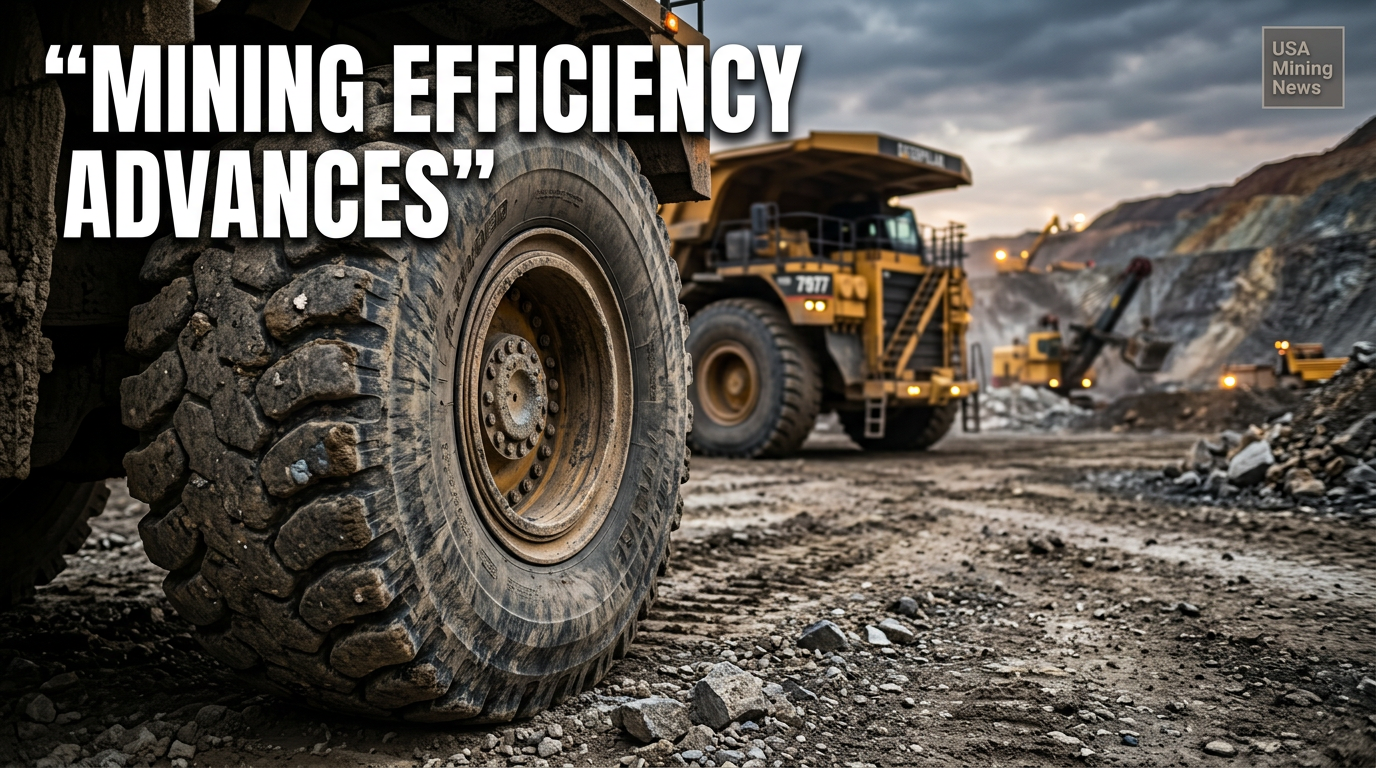
The sheer scale of diesel consumption in mining underscores its entrenched position. A single ultra-class haul truck, the behemoth of surface mining, can consume up to 900,000 litres of diesel annually. This figure does not even account for the myriad of loaders, excavators, dozers, and ancillary service vehicles that maintain the relentless pace of a modern mining operation, day and night. Industry projections reinforce this dependency, with operators anticipating diesel powertrains to constitute the largest share of haul truck operations even by 2040, although with an increasing proportion of performance diesel formulations and biofuels.
Electrification, while a cornerstone of the industry's decarbonization efforts, is still in its nascent stages. Current data indicates that fewer than 5% of underground loaders are electric today, and the most significant transition to electric haul fleets is not widely expected until the period of 2031–2035. This timeline underscores why near-term operational improvements focused on diesel efficiency are not just beneficial but indispensable. Biofuels, characterized by lower lifecycle greenhouse gas (GHG) emissions and improved formulations, are poised to gain ground. Nevertheless, the internal combustion engine is set to play a pivotal role in the mining haul fleet for at least another decade and a half.
A Systemic Approach to Fuel Efficiency: Beyond the Fuel Tank
For mining operators, optimizing fuel efficiency extends far beyond simply choosing a fuel type. It demands a systemic undertaking, where every aspect of the mining value chain—planning, maintenance, operator practice, and dispatch—is integrated and works in concert to maximize productive work per unit of fuel consumed. This holistic perspective views efficiency as a continuous program, not a series of isolated interventions.
Advanced Planning Software and Connectivity
The foundation of an optimally efficient mine operation lies in superior planning and communication. A recent mine-site technology adoption survey conducted by market intelligence firm GlobalData revealed that over 60% of mines have made either significant investments in, or fully implemented, a combination of planning, scheduling, and/or bespoke communication software. Notably, Canada exhibited the deepest penetration of these technologies. Concurrently, safety technologies, such as collision avoidance systems, are being widely adopted, especially in South Africa.
The impact of these sophisticated tools is profound. Accurate plans and reliable communication channels significantly reduce downtime, such as queuing at loading shovels, smooth out haul cycles, and eliminate wasted trips. These improvements directly translate into a lower litres per tonne moved, enhancing both operational efficiency and environmental performance.
Proactive Maintenance and Digital Monitoring
Maintenance practices represent another crucial pillar in the quest for efficiency. Almost half of major mining firms anticipate investing in predictive maintenance solutions for their plant and mobile equipment within the next two years. Complementing this, drones are rapidly gaining traction for their ability to collect comprehensive data and monitor project progress across vast and often challenging mining environments.
Collectively, these tools offer a dual advantage: they enable the early identification of potential problems before critical failures occur, and they facilitate easier and safer inspection of slopes, stockpiles, and infrastructure without deploying additional manpower or heavy machinery. The result is a substantial reduction in breakdowns, optimized uptime for trucks and loaders, and the assurance that engines and drivetrains operate within their most fuel-efficient "sweet spot," thereby maximizing the work output from every litre of diesel.
Optimizing Operator Practice Through Data-Driven Insights
The human element, specifically driving practice, is equally critical. Given that mining fleets operate for extended shifts, even seemingly minor adjustments in operator behaviour can yield significant fuel savings. Trimming excessive idle time and consistently keeping payloads within design targets are direct pathways to lowering litres per tonne moved. A data-driven approach is instrumental in identifying and rectifying these inefficiencies.
Simple but impactful changes, when replicated across hundreds of cycles per shift, accumulate rapidly. These include minimizing waiting times with engines idling, avoiding both over- and under-loading of trucks, and promoting smoother acceleration and deceleration, particularly on ramps. Such seemingly small adjustments, enforced consistently, contribute substantially to overall fuel economy and reduced emissions.
Intelligent Dispatch and the Rise of Autonomy
Finally, dispatch optimization is fundamentally reshaping how haul fleets are managed and operated. While still a relatively small base, the transition to smarter dispatch systems is well underway. The latest GlobalData figures indicate that approximately 2% of haul trucks are already operating autonomously, a figure that has impressively doubled over the past two years.
Even in operations where fleets remain manually driven, advanced dispatch systems—which dynamically allocate trucks, balance shovel loading, and meticulously manage queue times—can deliver sizeable efficiency improvements. As autonomy gradually expands from its current base, the inherent consistency in driving patterns and tighter control over haul cycles are expected to further reinforce these substantial gains in productivity and fuel efficiency.
Integrating Systems for Holistic Gains
A unifying thread among these diverse efficiency levers is their fundamental compatibility with existing fleets. They do not necessitate an immediate, wholesale overhaul of powertrain technology or infrastructure investments; rather, they unlock tangible efficiencies through smarter decisions, enhanced maintenance regimes, and a more strategic utilization of assets already on the balance sheet. This approach allows mines to realize immediate benefits while simultaneously planning for longer-term transitions.
The Role of Expert Partnerships: The ExxonMobil Approach
Effectively coordinating these multifaceted initiatives across a busy mine site, often burdened by demanding production targets and intense cost pressures, is a formidable challenge. This is precisely where the support of experienced expert partners becomes invaluable. Companies with deep industry knowledge, such as ExxonMobil, demonstrate how pairing high-performance diesel fuels—like Mobil Diesel EfficientTM—with advanced synthetic lubricants and comprehensive field engineering, supported by robust data diagnostics, can capture synergistic benefits in fuel economy, equipment uptime, and emissions reduction.
Such partnerships transform disparate actions into a cohesive and coherent program. Instead of treating fuel procurement, lubricant management, equipment monitoring, and operator training as isolated undertakings, they are integrated, allowing the benefits of each component to reinforce the others. Experience gained in the world's harshest mining conditions is paramount; for mine managers prioritizing production reliability, demonstrable evidence that fuels and lubricants perform consistently on large, heavily loaded trucks is as vital as laboratory test results. Real-world trials conclusively show that efficiency gains do not have to come at the expense of power output, operational reliability, or the lifespan of critical components.
The most effective process typically follows a clear, data-driven roadmap. Experts like ExxonMobil possess a proven track record in executing this: establishing precise, data-driven baseline Key Performance Indicators (KPIs) such as litres per hour, litres per tonne, and idle time percentages, providing targeted coaching for operators, ensuring alignment with Original Equipment Manufacturers (OEMs), and strategically scaling successful strategies across the operation.
Conclusion: Sustained Efficiency for a Sustainable Future
In an era defined by continuous operational pressures and an evolving energy landscape, the pursuit of advanced efficiency in mining fleets remains paramount. The ongoing dependency on diesel for a significant portion of mine haulage necessitates a sophisticated, systemic approach that extends beyond the conventional "fuel tank" mentality. By strategically deploying planning software, embracing predictive maintenance, optimizing operator performance, and leveraging intelligent dispatch systems, mining operators can unlock substantial efficiency gains from their existing assets.
These near-term improvements are not just about cost savings; they are integral to reducing the industry's carbon footprint and enhancing overall operational resilience. With the strategic assistance of expert partners like ExxonMobil, who offer integrated solutions that combine advanced fuels, lubricants, and engineering expertise, mining companies are better positioned to navigate the complexities of today while laying robust foundations for a more productive and sustainable future.