Blue Moon Metals Expands Critical Minerals Footprint with 33 US Tungsten and Antimony Project Acquisition
Reno, NV – August 12, 2026 – In a significant strategic maneuver poised to bolster its presence in the domestic critical minerals sector, Blue Moon Metals has announced the acquisition of 33 tungsten and antimony projects located across the western United States. These projects, acquired on a full ownership basis from a private seller in an arms-length transaction, are strategically situated in close proximity to the company’s existing Springer complex, facilitating potential synergies and operational efficiencies. The transaction, reported on August 12, 2026, is targeted for closure in October 2026, pending the requisite approval from the TSX Venture Exchange.
This acquisition represents a pivotal step in Blue Moon Metals’ stated ambition to construct a robust, US-focused platform for critical metals. The portfolio of new assets, spanning lands managed by the Bureau of Land Management (BLM) and the U.S. Forest Service (USFS), positions Blue Moon Metals to capitalize on the increasing national emphasis on securing domestic sources for essential raw materials like tungsten and antimony, both vital for industrial, technological, and defense applications.
Strategic Expansion: Building a US Critical Metals Platform
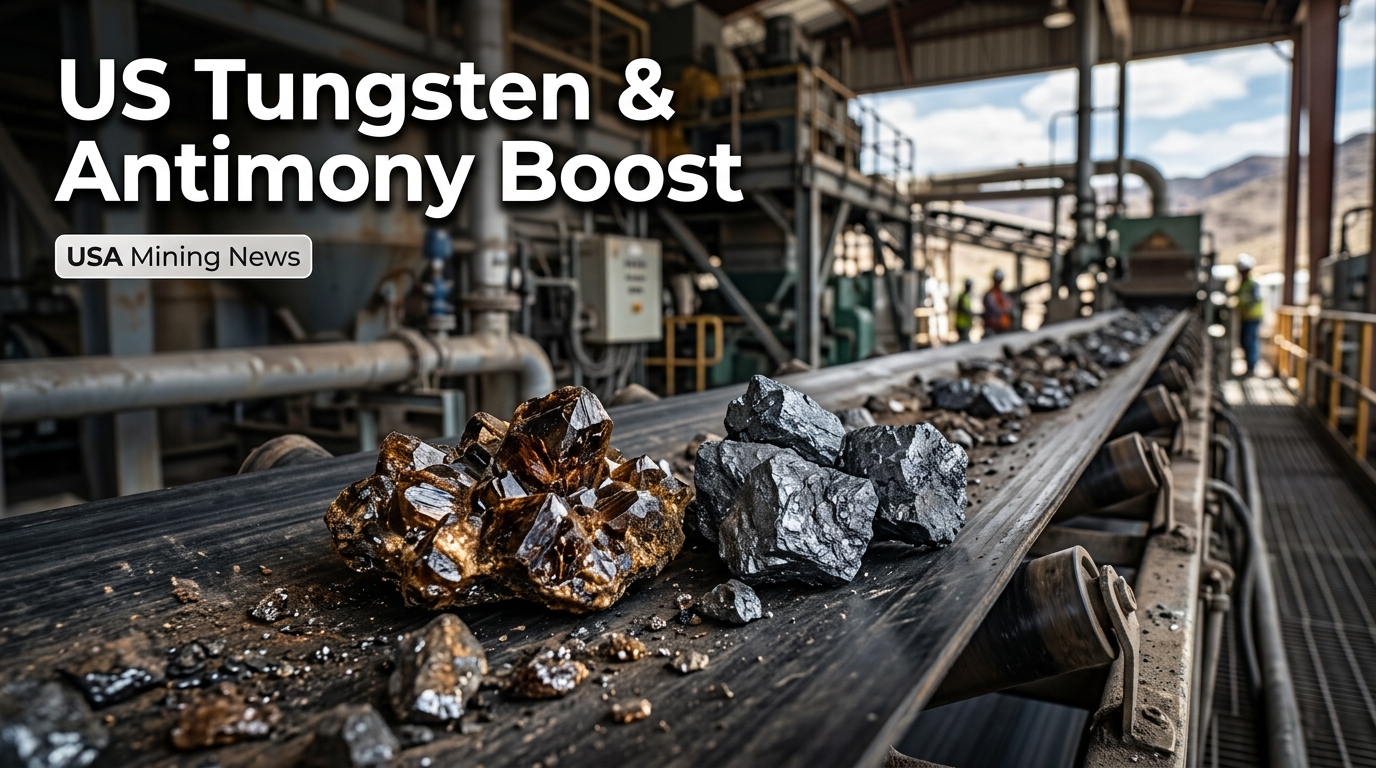
The strategic rationale behind Blue Moon Metals’ latest acquisition is multifaceted, primarily centered on addressing the growing demand for domestically sourced critical minerals. The United States, like many developed nations, has increasingly recognized the vulnerabilities inherent in its reliance on foreign supply chains for key commodities. Tungsten and antimony are classified as critical minerals by the U.S. Geological Survey due to their essential uses and potential supply risks. Tungsten, known for its extreme hardness and high melting point, is crucial for industrial tools, military applications, and aerospace components, while antimony is indispensable in flame retardants, lead-acid batteries, and specialized alloys.
According to Jason Dunning, Blue Moon US Special Projects head, this acquisition marks a "meaningful step in Blue Moon’s strategy to build a leading US-focused critical metals platform." The portfolio, comprising numerous exploration and development prospects, provides Blue Moon with a diversified set of assets that can potentially feed its existing infrastructure, such as the Springer facility, which is a known processing hub. This vertical integration strategy, from resource acquisition to potential processing, is a compelling approach in the critical minerals space, aiming to create a more resilient and self-sufficient supply chain within the United States.
Transaction Mechanics and Financial Details
The financial framework of this acquisition demonstrates a blend of equity, cash, and performance-linked payments, reflecting a structured approach to asset valuation and risk sharing. The total consideration for the 33 projects is approximately $20.5 million, broken down as follows:
- Equity Component: Blue Moon Metals will issue 2.8 million common shares to the private seller. Priced at $5.55 per share, this component accounts for approximately $15.5 million of the total consideration.
- Cash Payment: A total cash payment of $5 million is stipulated. This payment is structured into two equal tranches: an initial payment due upon the closing of the transaction in October 2026, and the remaining balance payable on the first anniversary of the closing date.
- Net Smelter Royalty (NSR): A 1% net smelter royalty (NSR) will apply to each of the acquired projects. An NSR is a common type of royalty agreement in the mining industry, entitling the royalty holder (in this case, the seller) to a percentage of the gross revenue from a mining operation, less certain specified costs like smelting and refining charges. This ensures the seller participates in the long-term profitability of the projects without incurring operational expenses.
- Development Payments: Additional payments are tied to the development of inferred resources within a 15-year period following the closing date. These payments are contingent on the tungsten grade discovered and are capped at $8.5 million per project. This incentivizes Blue Moon Metals to delineate and develop the resources effectively, while also providing the seller with upside potential if significant high-grade mineralization is identified.
- Monetization Incentives: The agreement also includes provisions for monetization incentives, granting the seller 10% of the consideration if Blue Moon Metals opts to sell any of the acquired projects. This, combined with further resource-linked milestone payments, ensures the seller retains a vested interest in the long-term value creation of the portfolio, regardless of Blue Moon Metals’ ultimate development strategy for each individual asset.
The annual holding costs for the acquired portfolio are estimated to be approximately $162,000, covering maintenance, regulatory compliance, and other essential expenditures to keep the projects in good standing. The "arms-length transaction" designation confirms that the parties involved are independent and not subject to undue influence, ensuring fair market terms.
Focus on Tungsten: Direct Shipping to Springer
A significant highlight of this acquisition is Blue Moon Metals’ immediate identification of four priority projects for the potential direct shipping of high-grade tungsten ore. This strategy leverages the company’s existing Springer facility, suggesting that these projects contain ore bodies of sufficient grade and quality to bypass extensive on-site processing, thus potentially accelerating cash flow and reducing initial capital expenditure requirements. The identified priority assets are located in key mining jurisdictions known for their mineral potential in the western US:
- The Oregon Mine in Colorado
- Wildhorse Canyon in Idaho
- Williams in Arizona
- The Hub Mines in Nevada
These locations underscore a regional focus that could streamline logistics and concentrate operational expertise. The plan to bring at least one project to the direct shipping stage within three years is an ambitious but achievable target, indicative of the company’s confidence in the immediate potential of these assets. Direct shipping, particularly for high-grade ore, can provide quicker returns and generate capital for further exploration and development across the broader portfolio.
Antimony’s Emerging Role: Diversifying the Portfolio
Beyond tungsten, the acquisition significantly expands Blue Moon Metals’ exposure to antimony, a critical metal with distinct market dynamics and strategic importance. The company’s plans for antimony are twofold: either to sell high-grade antimony ore directly or to explore the potential development of a small-scale antimony smelter at its Springer site. The latter option, while more capital-intensive, would represent a substantial step towards downstream processing capabilities, offering greater control over the value chain and potentially higher margins.
Developing domestic antimony processing capacity would be particularly noteworthy, as much of the world's antimony supply, and particularly its processing, is concentrated in a few key producing nations, making supply chains susceptible to disruptions. A US-based smelter, even small-scale, could contribute significantly to national security objectives by providing a more secure domestic source for this critical material.
Operational Outlook and Team Building
To effectively manage and advance this expanded portfolio, Blue Moon Metals plans to build a dedicated team. This move highlights the company's commitment to robust operational execution and responsible resource development. The creation of specialized teams is essential for evaluating, permitting, and developing a diverse set of mineral projects, each with its unique geological characteristics, regulatory requirements, and logistical challenges. The goal of bringing at least one project to the direct shipping stage within three years sets a clear, actionable timeline for the newly formed team, focusing on efficient resource extraction and monetization.
Industry Context: The Growing Demand for Domestic Critical Minerals
This acquisition by Blue Moon Metals resonates deeply within the current geopolitical and economic landscape of the mining industry. Governments worldwide, particularly in the US and Europe, are prioritizing the establishment of resilient domestic supply chains for critical minerals. This focus stems from several factors:
- Geopolitical Risk: Concentration of critical mineral production and processing in a limited number of countries poses significant supply chain vulnerabilities. Events such as trade disputes, political instability, or pandemics can severely impact global availability.
- Economic Security: Reliable access to critical minerals is fundamental for various high-tech industries, including renewable energy, electric vehicles, defense, and electronics. Disruptions can hinder innovation and economic growth.
- Environmental and Social Governance (ESG): There is increasing pressure for mining operations to adhere to higher environmental and social standards. Domestic production often allows for stricter oversight compared to imports from regions with less stringent regulations.
Tungsten and antimony are prime examples of minerals where domestic supply chain resilience is a strategic imperative. Blue Moon Metals' investment in these US-based projects directly aligns with these national and industry-wide objectives, positioning the company as a key player in enhancing America’s critical mineral independence.
Future Implications and Market Impact
The successful integration and development of these 33 projects could significantly transform Blue Moon Metals. For investors, the acquisition represents a substantial expansion of the company’s asset base and an increased exposure to high-demand critical metals. The strategic focus on direct shipping for tungsten, coupled with the potential for antimony processing, provides a clear pathway to value creation.
Furthermore, this move could have broader implications for the US critical minerals landscape. By advancing these projects, Blue Moon Metals may contribute to the revival of domestic mining for tungsten and antimony, attracting further investment and potentially stimulating related industries. The company’s ability to execute its direct shipping strategy and explore downstream processing will be closely watched by industry observers and stakeholders eager to see tangible progress in securing critical mineral supply chains within the United States.
In conclusion, Blue Moon Metals’ acquisition of 33 US tungsten and antimony projects is a bold and timely strategic play. By leveraging existing infrastructure, focusing on high-grade direct shipping, and exploring diversification into processing, the company is positioning itself at the forefront of the burgeoning domestic critical metals sector. The coming months, particularly the anticipated closing in October 2026 and the subsequent operational ramp-up, will be critical in demonstrating the full potential of this expansive new portfolio.