The U.S. Department of Energy (DOE) on August 7, 2026, unveiled a landmark initiative designed to reinvigorate America’s critical minerals workforce and fortify domestic supply chains. Through its Office of Critical Minerals and Energy Innovation (CMEI), the DOE announced a Notice of Intent for up to $100 million to fund the Providing Opportunities for Specialized Education in Critical Technologies (PROSPECT) program. This substantial investment underscores the federal government's commitment to enhancing U.S. energy dominance and reducing reliance on foreign sources for the vital materials underpinning modern energy, manufacturing, and defense technologies.
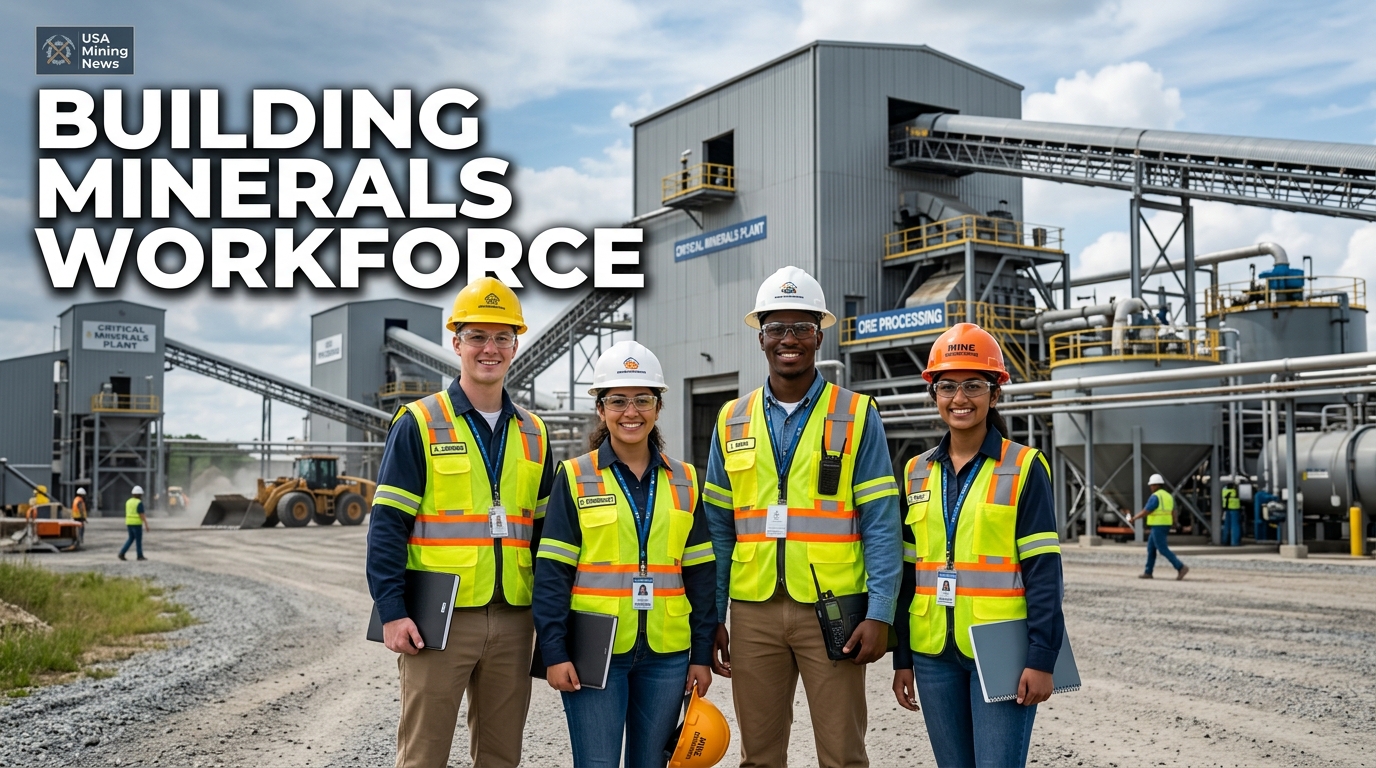
The PROSPECT initiative is poised to expand educational and training opportunities across the nation, fostering the development of a skilled workforce crucial for the domestic production, processing, recovery, and recycling of critical minerals. This move directly supports President Trump's broader agenda to restore industrial strength and secure strategic material independence for the United States.
Addressing a Decades-Long Challenge: The Critical Minerals Workforce Gap
The impetus behind PROSPECT stems from a stark reality: the United States currently faces significant workforce shortages across the entire critical minerals and materials supply chain. This deficit severely impedes the nation's capacity to meet the escalating demand for resources essential to its energy future, advanced manufacturing capabilities, and national security infrastructure. The mining sector, in particular, has seen a steady decline in new talent over recent decades, with an aging workforce and insufficient numbers of graduates entering the field.
According to DOE estimates, the U.S. will require approximately 6,000 new engineers in the mining sector alone over the next decade. Beyond mining, critical shortages also persist in materials science, processing, and recycling—areas vital for creating a robust, circular economy for these essential elements. These gaps not only threaten the development of new domestic mineral resources but also complicate efforts to establish a resilient, integrated supply chain capable of withstanding geopolitical shocks. The lack of homegrown expertise means that even if new mineral deposits are discovered or advanced processing technologies are developed, the human capital to operationalize them remains insufficient.
Strategic Objectives and Program Mechanics
PROSPECT is structured with both immediate and long-term objectives to address these pressing workforce challenges. In the near term, the initiative aims for an ambitious target:
- To double the number of graduates with degrees related to mining, minerals, and associated supply chain technologies within two years.
Achieving this goal will require a concerted effort from educational institutions, industry partners, and government agencies to promote these fields as attractive and impactful career paths.
For the long term, PROSPECT envisions a sustained transformation of the educational landscape supporting critical minerals. This includes:
- Supporting the implementation of new curricula tailored to modern mining and materials science.
- Developing innovative teaching tools that incorporate cutting-edge technologies and best practices.
- Establishing robust financial-aid programs and scholarships to alleviate the burden of education for prospective students.
- Creating other incentives that promote continued growth and talent retention in these crucial fields.
The up to $100 million investment will specifically facilitate these efforts by supporting scholarships, providing direct financial assistance to students, and strengthening existing higher education programs. By investing directly in American students today, the program aims to cultivate the expertise needed to responsibly develop domestic mineral resources and secure the nation's energy future for generations to come. This multi-faceted approach recognizes that building a resilient workforce requires not only attracting new talent but also equipping them with the most current knowledge and skills.
Industry Implications: Rebuilding the Domestic Supply Chain
For the U.S. mining industry, PROSPECT represents a pivotal moment. A revitalized and well-trained workforce is fundamental to unlocking domestic mineral potential and reducing the nation’s reliance on foreign sources—many of which are in geopolitically sensitive regions or controlled by "foreign adversaries," as highlighted by federal officials. With enhanced human capital, the industry can more effectively:
- Advance exploration and development of new domestic mineral projects.
- Increase efficiency and adopt sustainable practices in existing operations.
- Expand domestic processing and refining capacities, which are currently significant bottlenecks in many critical mineral supply chains.
- Pioneer innovative recycling technologies to recover valuable materials from waste streams, contributing to a circular economy.
This initiative ties directly into the broader national strategy for energy independence and economic security. Critical minerals—such as lithium, cobalt, rare earth elements, and nickel—are indispensable for a wide array of advanced technologies, including electric vehicles, renewable energy infrastructure (wind turbines, solar panels), advanced electronics, and crucial defense systems. By strengthening the domestic talent pipeline, PROSPECT aims to ensure that the U.S. can consistently access these materials, thereby safeguarding its technological leadership and strategic autonomy.
Perspectives from Leadership: Vision for a Resurgent Workforce
U.S. Secretary of Energy Chris Wright emphasized the strategic importance of the PROSPECT initiative. "Thanks to President Trump's leadership, the United States is rebuilding the industrial base and workforce needed to restore American energy dominance and secure our critical mineral supply chains," said Secretary Wright. He further elaborated on the foundational role of a strong domestic mining and minerals workforce, stating it is "essential to powering America's future, strengthening our national security, and ending our dependence on foreign adversaries for the materials that underpin modern energy, manufacturing, and defense." His remarks underscore the program's dual focus on economic prosperity and national security.
Assistant Secretary of Energy Audrey Robertson echoed this sentiment, highlighting the program’s appeal to future leaders and innovators. "Our brightest students are looking for a challenge—and a calling," Robertson noted. "PROSPECT invites them to work at the intersection of cutting-edge science and their country’s highest strategic priorities. This unprecedented investment in the critical minerals workforce will funnel homegrown talent into fulfilling, high-demand careers at the forefront of America’s industrial renaissance." Her statement captures the intent to inspire a new generation of engineers, scientists, and skilled technicians to view careers in critical minerals as not just jobs, but as contributions to a vital national mission.
The Road Ahead: Cultivating Future Talent
The success of PROSPECT will depend on robust collaboration between federal agencies, state governments, academic institutions, and the private sector. Universities and technical colleges will be crucial partners in developing and implementing the specialized curricula and training programs that PROSPECT will support. This could involve creating new degree programs, enhancing existing ones with modules on advanced extraction techniques, sustainable mining, materials processing, and supply chain logistics, and fostering research opportunities directly relevant to industry needs.
Beyond traditional academic paths, the initiative also has the potential to boost vocational training programs for skilled trades essential to the mining and processing sectors, such as heavy equipment operators, maintenance technicians, and automation specialists. Attracting students to these fields will require not only financial incentives but also a concerted effort to update the public perception of mining as a high-tech, environmentally responsible, and economically rewarding career. The integration of advanced digital technologies, automation, and AI in modern mining operations offers a compelling narrative for a new generation seeking innovation and impact.
As the program progresses, regular updates and detailed information will be available on the official PROSPECT webpage, providing transparency and encouraging engagement from all stakeholders. This proactive approach to communication will be vital in ensuring that the initiative remains aligned with industry needs and educational best practices.
Conclusion: A Foundation for Mineral Independence
The PROSPECT initiative represents a strategic and timely federal commitment to addressing a critical vulnerability in the U.S. industrial and defense landscape. By investing up to $100 million in strengthening the critical minerals workforce, the DOE is laying a vital foundation for American mineral independence, energy security, and technological leadership. This program is not merely about creating jobs; it is about cultivating the talent and expertise required to responsibly harness domestic resources, innovate in materials science, and secure the supply chains for the foundational components of the 21st-century economy. For mining industry professionals and investors, PROSPECT signals a strong governmental endorsement of domestic mineral development, promising a more stable, skilled, and self-reliant future for the sector.