In a significant development for the global critical minerals sector and the ongoing efforts to establish diversified supply chains, US-based Energy Fuels has announced it has received conditional credit approval for up to A$180 million (approximately $126 million USD) in government-backed financing. This substantial capital infusion is earmarked to support Phase 1 of the Donald Rare Earth and Mineral Sands Project, a strategically important venture located in Victoria, Australia. The news, released on October 27, 2026, underscores the accelerating momentum behind projects deemed vital for national security and technological independence.
A Major Financing Milestone for Critical Minerals
The conditional financing package for the Donald Project represents a pivotal step towards its full realization. Export Finance Australia (EFA) has conditionally approved up to A$70 million, while Australia’s National Reconstruction Fund Corporation (NRFC) has conditionally approved up to A$110 million. These commitments collectively provide A$180 million in government-backed capital, signaling a strong governmental endorsement of the project’s strategic value and economic viability. Energy Fuels and its joint venture partner, Australian company Astron, anticipate these loans will constitute the majority of a larger, proposed A$200 million senior project finance debt facility. The remaining A$20 million is expected to be sourced from commercial lenders, with ongoing discussions for these and additional bank guarantee facilities.
The terms of the anticipated government-backed loans include a duration of ten years from financial close, with interest calculated at the Bank Bill Swap Bid Rate (BBSY) plus an additional margin. This structure provides a stable and predictable financing environment for the multi-decade project, which is critical for long-term resource development. The financing is designed to cover Phase 1 development, construction, and commissioning, as well as crucial financing and operating costs during the ramp-up phase through project completion, de-risking the initial operational stages for the joint venture partners.
Strategic Importance in a Shifting Global Landscape
Ross Bhappu, President and CEO of Energy Fuels, emphasized the profound strategic implications of this financing milestone. “This financing milestone brings the Donald Project closer to an FID and strengthens the upstream foundation of our leading rare earth mine-to-magnet platform,” Bhappu stated. He further highlighted that “Donald is expected to provide a large-scale, long-term source of monazite and xenotime sand feedstock, further distinguishing Energy Fuels as we develop a vertically integrated, Western-aligned supply chain for rare earth permanent magnets.”
Bhappu’s comments underscore the broader industry context: the intense global competition and geopolitical imperative to secure robust, diversified supply chains for critical minerals, particularly rare earth elements. Rare earths are indispensable for modern technologies, powering everything from electric vehicle motors and wind turbines to consumer electronics and advanced defense systems. The current global supply chain is heavily concentrated, creating vulnerabilities that Western nations are actively seeking to mitigate. Projects like Donald, supported by government financing, are central to these efforts, aiming to build resilience and reduce reliance on single-source suppliers.
Energy Fuels’ vision for a "mine-to-magnet" platform is particularly noteworthy. This vertically integrated approach seeks to control the entire production process, from the extraction of raw materials like monazite and xenotime sands, through their chemical processing into separated rare earth oxides, and ultimately into finished rare earth permanent magnets. This strategy not only enhances supply chain security but also captures more value within the Western economic sphere, contrasting with historical practices where critical mineral processing often occurred offshore.
The Donald Project: Operational and Technical Foundations
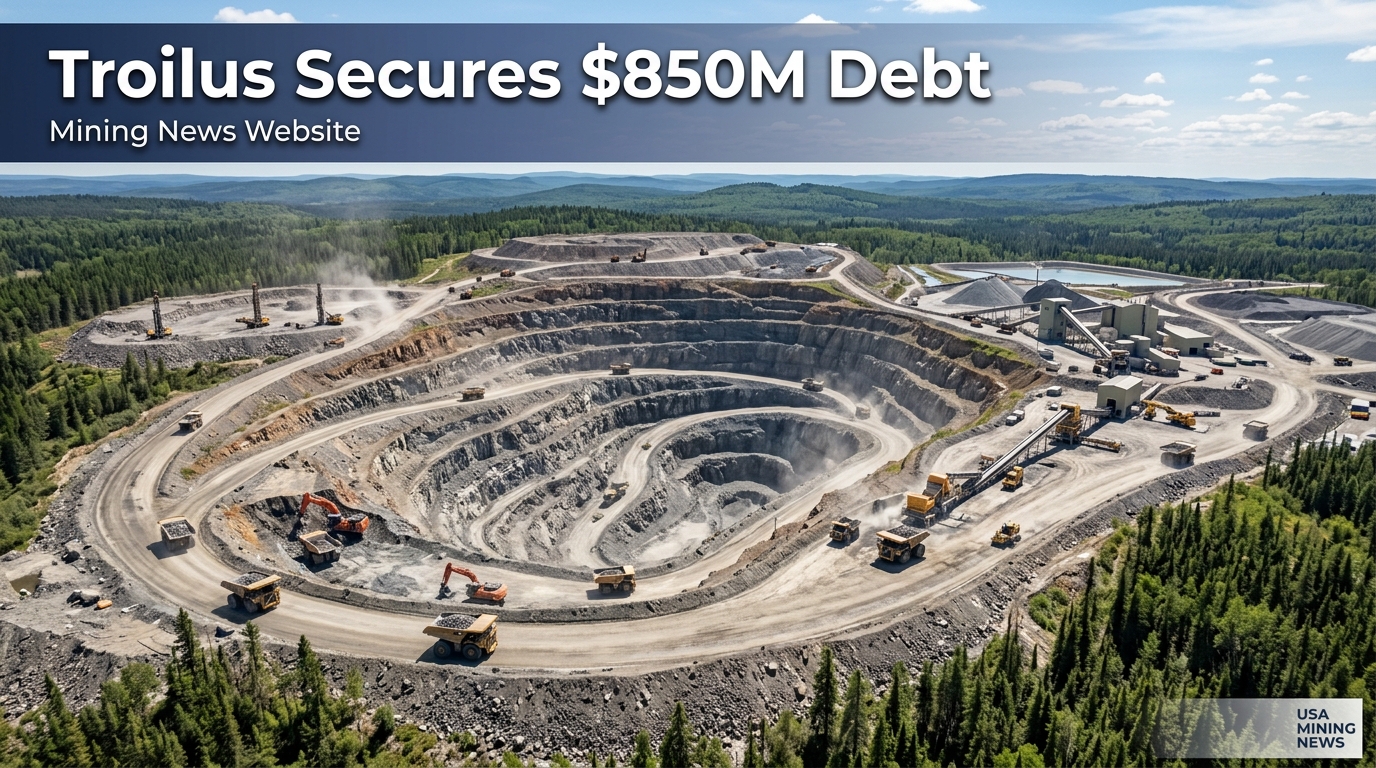
The Donald Rare Earth and Mineral Sands Project, developed through a joint venture between Energy Fuels and Astron, is situated approximately 300 kilometers northwest of Melbourne in Victoria, Australia. This location is within a well-established mining jurisdiction, offering logistical advantages and a supportive regulatory environment. The project is already permitted, a significant hurdle often encountered in new mining developments, indicating its advanced stage of readiness.
Phase 1 of the Donald Project is projected to deliver substantial output over its extended operational life. The project is expected to produce an average of 9,000 tonnes per annum (tpa) of rare earth element concentrate (REEC) and 225,000 tpa of heavy mineral concentrate (HMC). The resource underpinning these operations is projected to sustain production for an impressive 40 years, providing a long-term, stable source of critical materials. This longevity is a key factor in de-risking the project and justifying the significant upfront capital investment.
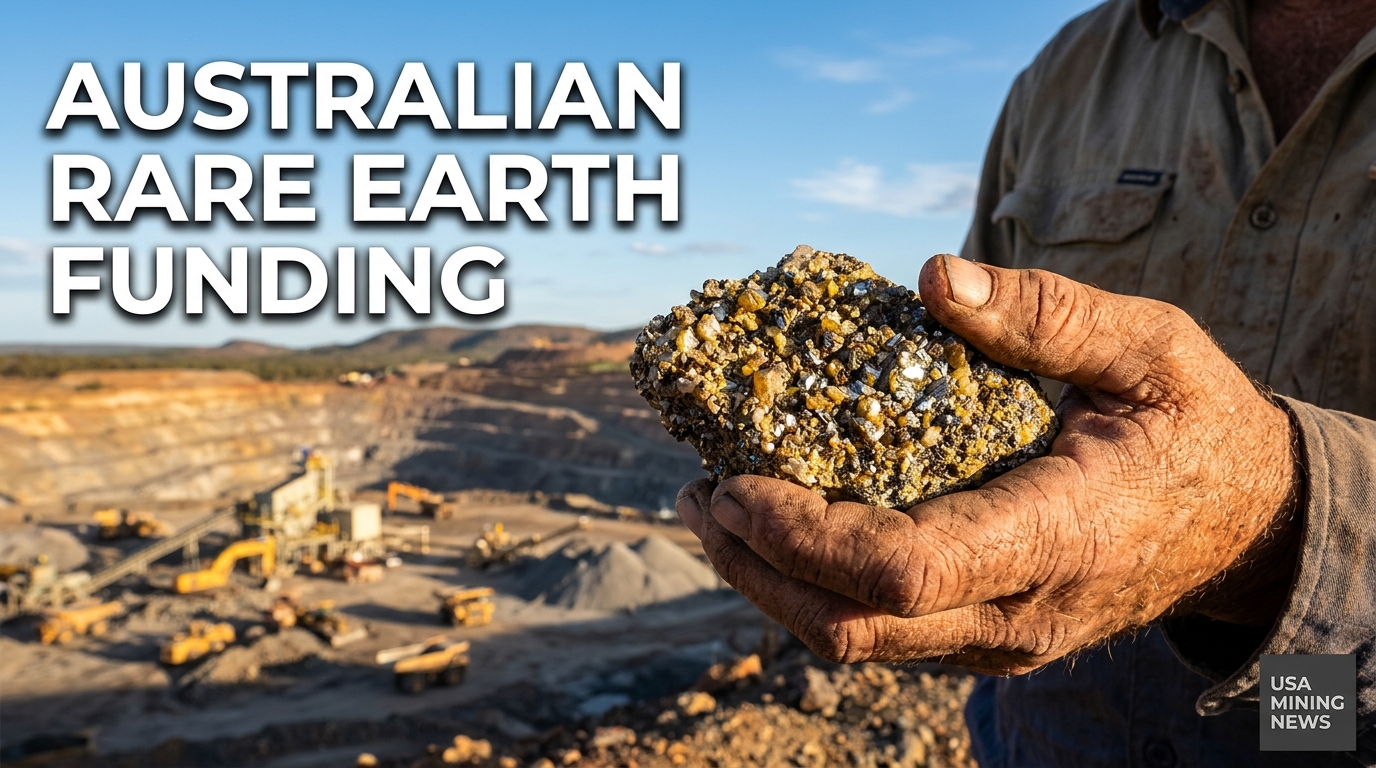
The REEC produced at Donald will primarily consist of monazite and xenotime, two important rare earth-bearing minerals. These concentrates are rich in critical rare earth elements, including neodymium-praseodymium (NdPr), terbium (Tb), and dysprosium (Dy). NdPr is essential for high-strength permanent magnets, while Tb and Dy are heavy rare earths that enhance magnetic properties, particularly at elevated temperatures, making them crucial for high-performance applications.
Vertical Integration and Offtake Agreements
A core element of the Donald Project’s strategic value lies in its integrated off-take agreements within the joint venture. Under these arrangements, Energy Fuels will purchase all of the REEC produced from the Donald Project. This material is specifically earmarked for processing at the company’s White Mesa Mill in Utah, USA. The White Mesa Mill is currently the only conventional uranium mill operating in the United States, but Energy Fuels has strategically repurposed and expanded its capabilities to process various critical minerals, including rare earth element concentrates.
The ability to process Donald’s monazite and xenotime concentrates at White Mesa Mill is a cornerstone of Energy Fuels' vertical integration strategy. It ensures a captive, secure feedstock supply for its growing rare earth processing capabilities, paving the way for the production of separated rare earth oxides. This control over the upstream supply chain is a significant competitive advantage and a direct contribution to establishing a resilient Western rare earth infrastructure.
Conversely, Astron, as the Australian JV partner, expects to purchase all of the heavy mineral concentrate (HMC) available for sale. HMC typically includes valuable minerals such as zircon, rutile, and ilmenite, which are vital for industries ranging from ceramics and pigments to advanced alloys. This complementary arrangement allows both partners to leverage their respective market strengths and expertise, optimizing the value extraction from the multi-mineral Donald deposit.
Energy Fuels' Broader Strategic Moves
Energy Fuels is actively working to secure a 49% stake in the Donald Project joint venture by investing up to A$183 million in upfront equity. This substantial equity commitment demonstrates the company’s deep belief in the project’s potential and its long-term strategic fit. The company’s financial commitment, combined with the government-backed debt, establishes a robust capital structure for the project’s initial phase.
This investment in the Donald Project is consistent with Energy Fuels’ broader corporate strategy to become a leading Western producer of critical minerals. In June 2026, the company signed a definitive agreement to acquire 100% of the VAC facility from Ara Partners for nearly $1.9 billion in a cash-and-stock transaction. While not directly tied to the Donald Project in the source material, this acquisition further illustrates Energy Fuels' aggressive expansion into downstream processing and value-added manufacturing for critical materials, reinforcing its stated goal of building a comprehensive mine-to-magnet platform. The VAC facility is anticipated to significantly enhance Energy Fuels’ capabilities in the production of separated rare earth oxides and potentially downstream rare earth metals and alloys, which are essential for permanent magnet manufacturing.
The Path to Final Investment Decision (FID)
The conditional financing approvals are specifically intended to advance the overall financing package, bringing the Donald Project closer to a targeted final investment decision (FID) by the end of 2026. An FID marks a critical juncture in any major mining project, signifying the point at which all necessary permits, financing, and engineering studies are sufficiently advanced to commit to the full capital expenditure and commence construction. The conditional nature of the approvals means that certain conditions, typically relating to final due diligence, definitive documentation, and the securing of the remaining commercial financing, must still be met.
Ongoing discussions regarding the remaining commercial term loan and bank guarantee facilities are crucial to completing the full financing puzzle. Successfully securing these additional components will de-risk the project further and provide the necessary financial flexibility for development and operation. The targeted FID timeframe suggests that the joint venture partners are confident in resolving these remaining financial elements within the next few months, pushing the project towards its construction phase.
Industry Implications and Future Outlook
The progress of the Donald Rare Earth and Mineral Sands Project, bolstered by significant government-backed financing, carries substantial implications for the global mining industry and the broader critical minerals landscape. It highlights a growing trend of governments actively participating in the financing and de-risking of strategic mineral projects. This intervention is driven by concerns over supply chain resilience, national security, and economic competitiveness, particularly in the face of escalating demand for materials vital to the energy transition and advanced manufacturing.
For rare earths, the Donald Project represents another step towards diversifying supply away from traditional concentrations. Its long-life resource and integration with Energy Fuels' US processing capabilities will provide a meaningful contribution to a Western-aligned supply chain for neodymium-praseodymium, terbium, and dysprosium – elements that are critical for high-performance permanent magnets used in electric vehicles, wind turbines, and defense applications. This project reinforces the idea that Australia, with its rich mineral endowments, is poised to play a crucial role as a reliable supplier in this evolving global market.
The successful development of projects like Donald is essential not only for the companies involved but for the entire ecosystem of industries reliant on these materials. It signals a shift towards greater self-sufficiency and geopolitical stability in the supply of foundational components for future technologies. As the world continues its rapid transition to electrification and advanced digital economies, the secure and ethical sourcing of critical minerals will remain a paramount concern, making the Donald Project a closely watched benchmark for future developments.