DOE Reinforces Puerto Rico's Grid Amid Rising Demand and Hurricane Season
WASHINGTON – As Puerto Rico navigates a period of escalating electricity demand and prepares for the intensified challenges of the 2026 hurricane season, the U.S. Department of Energy (DOE) has reaffirmed its commitment to strengthening the island’s beleaguered electric grid. On August 10, 2026, the DOE announced the renewal of two emergency orders, extending critical authorizations for the Puerto Rico Electric Power Authority (PREPA). These actions are a continuation of concerted federal efforts initiated in 2025 and earlier in 2026, aimed at bolstering the island's energy infrastructure and ensuring a more resilient power supply for its 3.2 million American residents.
The renewed emergency orders, which leverage Section 202(c) of the Federal Power Act, empower PREPA to dispatch essential generation units to maintain critical capacity and to aggressively pursue vegetation management initiatives. These measures are designed to significantly reduce the incidence of power outages, enhance the long-term reliability of the grid, and mitigate the risk of widespread blackouts, particularly during severe weather events. For an island frequently impacted by tropical storms and hurricanes, such proactive and sustained interventions are not merely operational necessities but foundational elements for economic stability and public safety.
Renewed Mandate for Grid Stability
The latest emergency orders officially commenced on August 10, 2026, and are set to remain in effect through November 7, 2026. This timeframe strategically covers the peak months of the Atlantic hurricane season, a period when Puerto Rico's energy infrastructure is historically most vulnerable to disruption. The directives specifically address two critical areas: maintaining sufficient generation capacity and robust vegetation control.
First, the authorization for PREPA to dispatch specific generation units under these emergency conditions is vital. It allows the utility the flexibility needed to bring critical power sources online or keep them operating, even if they might otherwise face certain operational constraints, ensuring that the island’s base load and peak demand can be met. This operational agility is paramount when balancing an aging grid with fluctuating demand and the potential for sudden outages due to external factors.
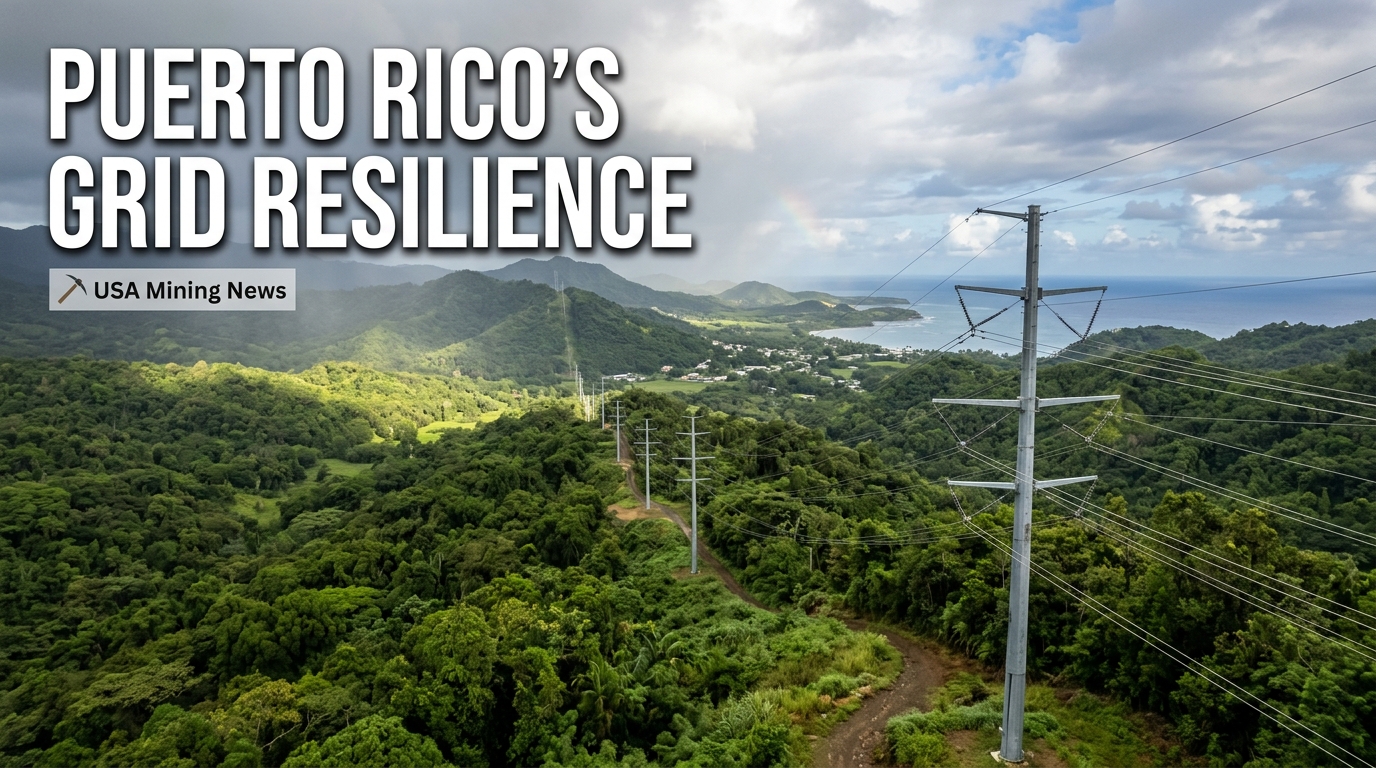
Second, the emphasis on vegetation management underscores a persistent challenge for grid reliability in tropical climates. Falling tree limbs or dense brush, particularly during high winds and heavy rainfall, are frequent culprits in damaging transmission and distribution lines. Such damage can lead to widespread and prolonged outages, and in extreme cases, ignite wildfires. By facilitating accelerated vegetation clearing along power line rights-of-way, the DOE and PREPA aim to preemptively address a significant source of grid instability.
A Foundation of Previous Interventions
The current renewal is not an isolated event but rather a continuation of a strategic federal commitment. The initial emergency orders under Section 202(c) of the Federal Power Act were first issued by the DOE on May 16, 2025. These inaugural orders set the precedent, allowing specific generation units to operate under defined conditions while simultaneously directing crucial vegetation management efforts along key transmission lines across the island. The lessons learned and the infrastructure gains made since May 2025 have informed and justified the ongoing extensions.
U.S. Secretary of Energy Chris Wright articulated the administration's resolve, stating, “The Department of Energy will continue advancing the modernization of Puerto Rico’s electric grid to build a more affordable, reliable, and secure energy system for hardworking American families and businesses. Renewing these orders ensures critical work moves forward, urgent reliability changes are addressed, and Puerto Rico’s grid is ready to withstand rising energy demand. Thanks to President Trump, these efforts are delivering real, lasting progress for Puerto Rico.” This statement highlights a long-term vision that extends beyond immediate hurricane season preparedness to encompass broader grid modernization and resilience.
Quantifiable Progress and Strategic Goals
The efforts over the past 19 months, since the initial orders in May 2025, have yielded measurable progress. Puerto Rico Governor Jenniffer González-Colón provided specific metrics, emphasizing the tangible improvements: “During the last 19 months, thanks to the partnership and support of President Trump and Secretary Wright, we have made measurable progress to strengthen Puerto Rico’s electric system.”
Key achievements include:
- Generation Capacity Restoration: The emergency authorities provided by the Section 202(c) orders have been instrumental in restoring or refurbishing close to 1,600 megawatts (MW) of generation capacity. This significant increase in available power is crucial for meeting demand and providing redundancy within the system.
- Vegetation Management Expansion: The number of approved federal vegetation clearing projects has dramatically increased from 5 to 33 during the same period. This expansion provides PREPA with enhanced resources to reestablish and maintain clear rights-of-way along transmission and distribution lines, directly contributing to a reduction in service interruptions.
Governor González-Colón underscored the importance of the renewed orders, stating, “Renewing these emergency orders is critical to build on this progress and deliver an affordable, reliable, and secure electric grid for families and and businesses on the island.” This underscores the commitment to building upon existing momentum, rather than merely reacting to crises.
The Broader Imperative: Energy Security and Economic Resilience
For any modern economy, a reliable and secure energy supply is not just a convenience; it is a fundamental prerequisite for industrial operations, economic growth, and public welfare. In Puerto Rico, where the grid has historically been vulnerable to natural disasters and underinvestment, these federal interventions are critical lifelines. The island's economic sectors, including manufacturing, tourism, and services, are heavily dependent on consistent power. Frequent and prolonged outages can cripple businesses, deter investment, and severely impact daily life for its 3.2 million inhabitants.
The DOE's actions reflect a broader national strategy to enhance energy security and infrastructure resilience in vulnerable regions. This approach not only safeguards existing economic activities but also creates a more stable environment for future investment and development. Building a robust grid involves not only maintaining current assets but also investing in new technologies, hardening infrastructure against future climate events, and potentially integrating more diverse and localized energy sources, such as renewables and battery storage solutions.
Implications for the Mining Sector
While the immediate focus of these orders is on power delivery to Puerto Rican homes and businesses, the underlying drive for grid modernization and resilience has significant, albeit indirect, implications for the global mining sector. Reliable and affordable electricity is a critical input for nearly every stage of mining and mineral processing, from excavation and crushing to refining and transportation. Energy-intensive operations demand consistent power, and grid instability can lead to costly disruptions, production losses, and increased operational expenses.
Furthermore, large-scale infrastructure projects like grid modernization drive demand for a wide array of mined commodities:
- Copper: As the primary material for electrical wiring, cables, and transformers, copper demand directly correlates with grid expansion and upgrades. Modernizing a grid, particularly by replacing aging lines or expanding capacity, necessitates substantial copper consumption.
- Aluminum: Often used in overhead transmission lines, aluminum also sees increased demand in large-scale electrical infrastructure projects.
- Steel: Integral to supporting structures for power lines, substations, and generation facilities, steel provides the foundational strength for much of the grid.
- Rare Earth Elements and Lithium: If grid modernization in Puerto Rico, or similar initiatives elsewhere, incorporates advanced battery storage systems or new renewable energy installations, this will directly impact the demand for critical minerals like lithium, cobalt, nickel, and various rare earth elements. While not explicitly mentioned in the source material for Puerto Rico, grid modernization globally often includes these components as part of a move towards more distributed and resilient energy systems.
- Aggregates and Cement: Foundational construction materials like sand, gravel, and cement are essential for civil engineering works associated with power plant upgrades, substation construction, and undergrounding of lines where applicable.
The sustained federal commitment to Puerto Rico's grid, therefore, serves as a bellwether for potential future infrastructure investments in other regions facing similar challenges. Mining companies and investors should recognize that government-led infrastructure initiatives, particularly those focused on energy resilience and modernization, represent significant, long-term drivers of demand for base metals and critical minerals. Understanding these policy trends allows the mining sector to anticipate market shifts and strategize accordingly.
Looking Ahead: Sustained Investment and Long-Term Vision
The renewed emergency orders are a tactical step within a larger strategic vision for Puerto Rico's energy future. The DOE has committed to continued collaboration with Governor González-Colón and local authorities to ensure that the island's 3.2 million residents have access to a reliable and secure electric grid beyond the current emergency period. This ongoing partnership is crucial for transitioning from crisis management to long-term systemic improvements.
The challenges of rising energy demand, an aging infrastructure, and the persistent threat of severe weather events require a multi-faceted approach. This includes not only emergency operational flexibility and vegetation management but also sustained investment in infrastructure upgrades, the adoption of smart grid technologies, and potentially the diversification of energy sources. The precedent set in Puerto Rico highlights the critical role of federal support and inter-agency cooperation in addressing complex regional energy security issues.
For the mining industry, such sustained government commitment to infrastructure development translates into predictable, long-term demand for the foundational materials that power grids are built upon. As nations worldwide grapple with climate change, population growth, and the imperative for energy transition, similar initiatives to enhance grid resilience and reliability are likely to proliferate, further solidifying the mining sector's indispensable role in the global energy landscape.