Future-Proofing Mining: The Unstoppable Ascent of Autonomous Operations and Private 5G
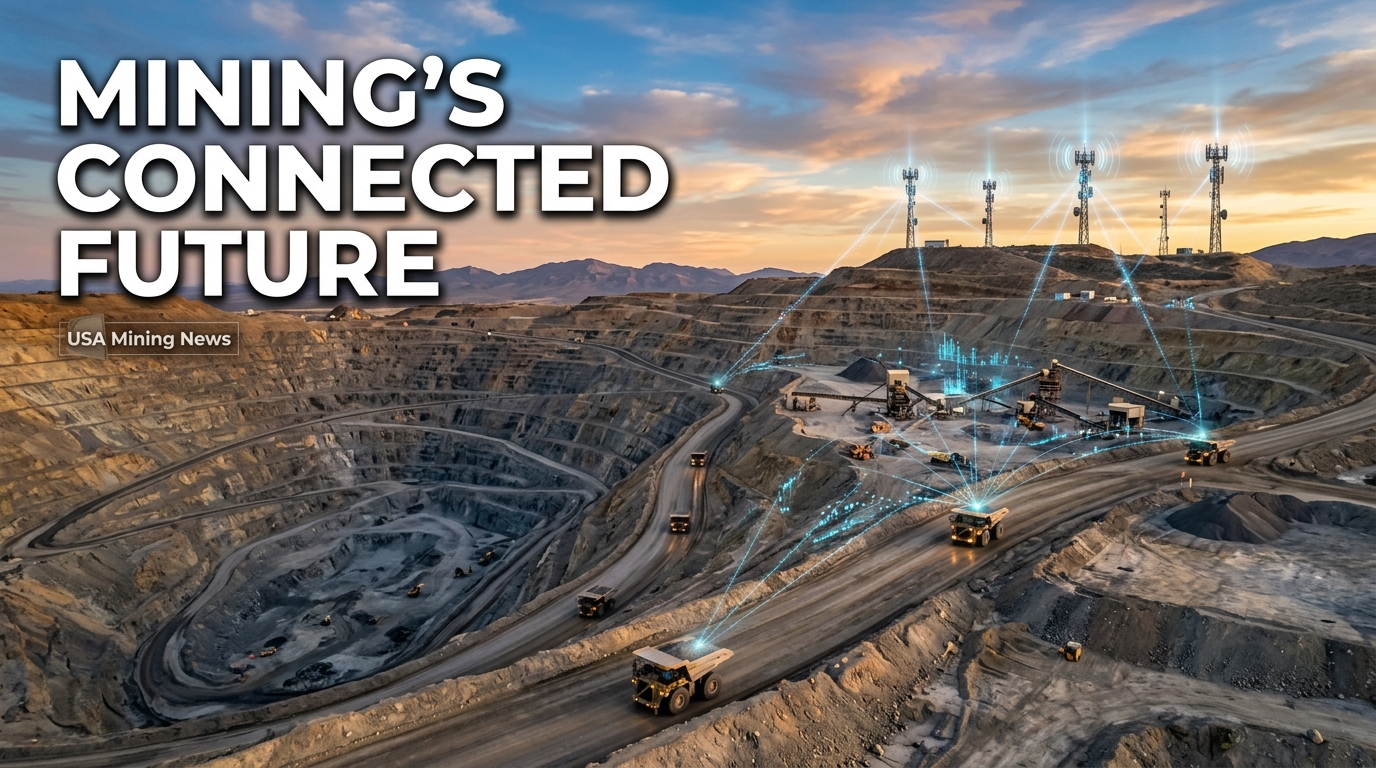
The global mining industry stands at a pivotal juncture, grappling with mounting pressures ranging from increasingly complex ore bodies and declining grades to stringent environmental regulations, persistent safety concerns, and the imperative for operational efficiency. In response, a profound transformation is underway, characterized by an aggressive pivot towards advanced automation and pervasive digitalization. At the heart of this paradigm shift lies the integration of autonomous machines, propelled by the robust and reliable connectivity offered by private 5G networks, a topic prominently discussed in industry forums and underscored by resources like the whitepaper from Ericsson.
Industry stakeholders are increasingly focusing on how these innovations are not merely incremental improvements but fundamental re-imaginings of mining operations. Discussions, such as those anticipated around April 14, 2026, often center on the promise of private 5G to not only optimize operational workflows and enhance productivity but also to significantly elevate safety standards and improve the overall quality of life for mine employees. This comprehensive adoption marks a critical step towards future-proofing the sector against its inherent challenges.
The Autonomous Revolution in Mining Operations
The concept of automation in mining is not entirely new, with certain forms of process control and remote operation having existed for decades. However, the current wave of automation signifies a quantum leap, moving beyond mere mechanization to genuinely autonomous systems capable of continuous learning, decision-making, and self-optimization. Smart underground machines, including autonomous trucks, loaders, and drills, are rapidly becoming integral components of modern mining fleets.
- Autonomous Haul Trucks: These vehicles operate on predefined routes, autonomously navigating through tunnels and open-pit environments. Their ability to run 24/7 without fatigue breaks, optimize fuel consumption through consistent driving patterns, and adhere strictly to operational parameters leads to significant gains in material movement efficiency. They also remove human operators from often monotonous and hazardous sections of the mine site.
- Autonomous Loaders: In underground mining, specifically in areas such as drawpoints or stopes that can present significant risks, autonomous loaders improve safety by removing personnel from direct exposure to falling rock or unexpected ground movements. Their precise movements and optimized loading cycles contribute to faster turnaround times and reduced wear on equipment.
- Autonomous Drills: Precision is paramount in drilling to ensure optimal blast outcomes and efficient resource extraction. Autonomous drills enhance accuracy, reduce drill bit wear, and, crucially, minimize human exposure to dust, noise, vibration, and the immediate vicinity of drilling operations, which can be highly hazardous.
These autonomous solutions work in concert, creating a synchronized operational environment where real-time data flow is paramount. This necessitates a communication infrastructure far more advanced and reliable than traditional wireless technologies.
Private 5G: The Robust Connectivity Backbone
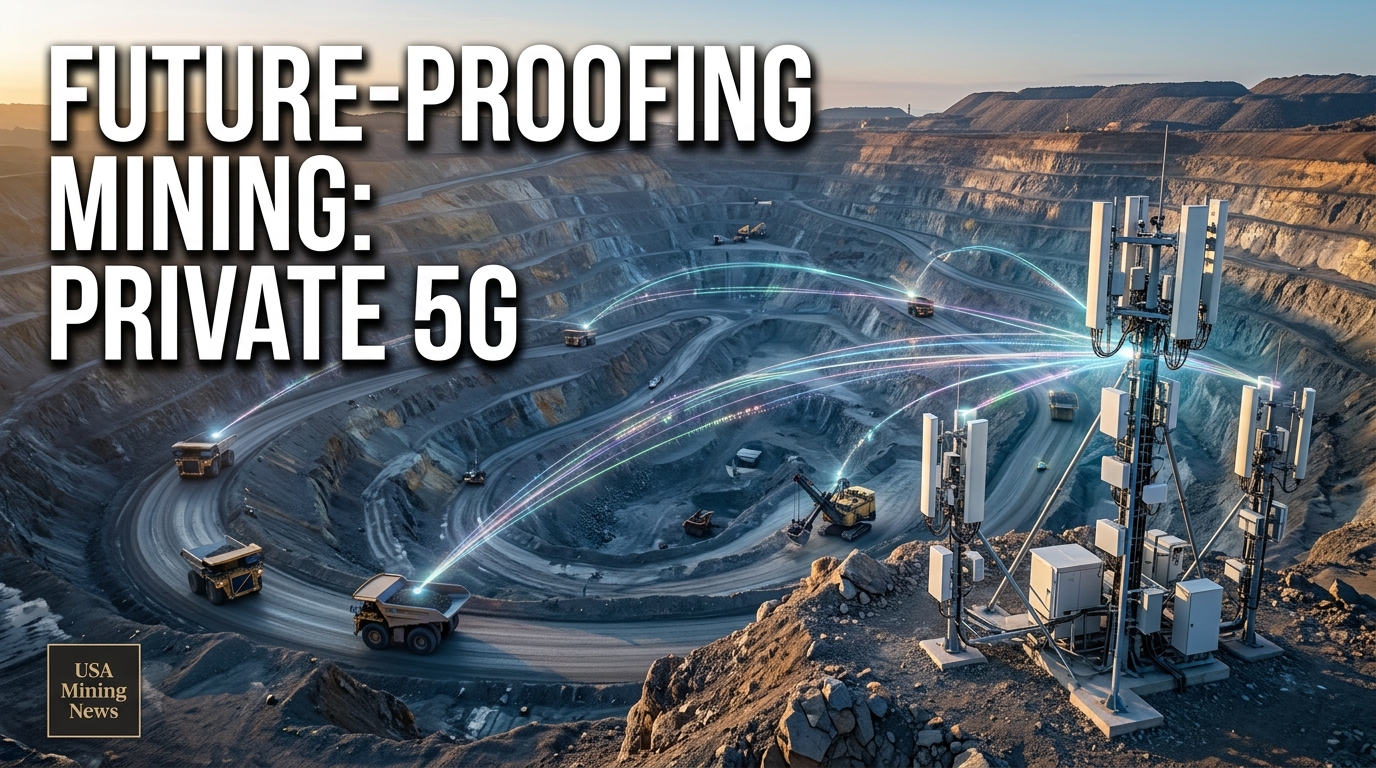
The transformative potential of autonomous mining machinery can only be fully realized through an equally advanced communication network. This is where private 5G networks emerge as a critical enabler. Unlike public cellular networks or standard Wi-Fi solutions, private 5G networks are purpose-built, dedicated cellular networks deployed specifically for an organization's premises and operational needs.
For mining automation, private 5G offers several indispensable advantages:
- Ultra-Low Latency: The ability to transmit data with minimal delay is crucial for the real-time command and control of autonomous heavy machinery. Latency, often measured in milliseconds, directly impacts the responsiveness of autonomous systems, critical for collision avoidance, precise maneuvering, and instantaneous emergency stops.
- High Bandwidth: Autonomous machines generate vast quantities of data from multiple sensors—Lidar, radar, cameras, telemetry, and diagnostic systems. Private 5G provides the necessary bandwidth to transmit this data continuously and reliably, enabling sophisticated analytics, AI-driven decision-making, and remote monitoring from operations centers.
- Enhanced Reliability and Security: As a dedicated network, private 5G is isolated from public traffic, offering an unparalleled level of reliability and security. This is vital for mission-critical mining operations where network failure can lead to significant safety incidents or costly downtime. Data security, protecting proprietary operational intelligence and ensuring network integrity, is also substantially improved.
- Deep Penetration and Coverage: 5G technology is engineered for superior signal propagation, making it highly effective in challenging environments common in mining, such as deep underground tunnels, complex shaft systems, and vast open pits. It provides comprehensive and consistent coverage, minimizing "dead zones" that can compromise autonomous operations.
These characteristics collectively elevate private 5G beyond previous wireless technologies, establishing it as the foundational communication layer for the next generation of mining operations.
Unlocking Unprecedented Safety and Productivity
The integration of autonomous solutions powered by private 5G networks directly addresses two of the mining industry's most significant priorities: safety and productivity. The enhancements are both profound and far-reaching.
- Safety Enhancements:
A primary driver for automation is the removal of human personnel from hazardous environments. This includes:
- Reducing exposure to ground falls, rock blasts, and heavy equipment interactions.
- Minimizing exposure to harmful dust, diesel exhaust fumes, and excessive noise.
- Enabling remote operations from safe, ergonomically designed control centers located thousands of miles away from the mine face.
This shift not only prevents accidents but also enhances "employees’ quality of life" by reducing the physical strain and psychological stress associated with working in dangerous conditions. Real-time monitoring and collision avoidance systems, heavily reliant on low-latency 5G connectivity, provide an additional layer of protection.
- Productivity Gains:
The operational benefits are equally compelling:
- Continuous Operation: Autonomous systems can operate 24/7, unaffected by shift changes, breaks, or fatigue, leading to increased asset utilization and throughput.
- Optimized Workflows: Real-time data from autonomous machines allows for dynamic optimization of routes, scheduling, and resource allocation, minimizing bottlenecks and maximizing efficiency.
- Predictive Maintenance: Constant data streams enable advanced analytics and machine learning to predict equipment failures before they occur, reducing unplanned downtime and optimizing maintenance schedules.
- Precision and Consistency: Repetitive tasks are performed with greater precision and consistency than human operators can achieve, leading to better quality control and more efficient resource extraction.
Through these mechanisms, private 5G-enabled automation translates directly into a safer workforce and a more productive, cost-effective mining operation.
Precise Indoor Positioning: Eliminating Blind Spots
A significant challenge in mining, particularly underground, has traditionally been achieving precise and reliable positioning for both assets and personnel. The whitepaper from Ericsson, titled "Mining without blind spots – How 5G precise indoor positioning drives safety and productivity," critically examines this issue, highlighting the limitations of legacy approaches and the transformative potential of 5G.
Traditional positioning systems face considerable hurdles in subterranean environments:
- GNSS (Global Navigation Satellite System): Systems like GPS are largely ineffective underground due to the inability of satellite signals to penetrate rock and earth.
- WiFi and RTLS (Real-Time Location Systems): While offering some capabilities, these systems often suffer from accuracy limitations, susceptibility to signal shadowing, and can require extensive, high-density infrastructure to achieve granular location data. The whitepaper points out that these technologies frequently "leave critical gaps" in coverage and precision, leading to "blind spots" in operational visibility.
The 5G positioning model presents a distinct advantage by leveraging the inherent capabilities of the 5G network architecture for highly accurate indoor and underground tracking. Key advantages of 5G positioning include:
- Superior Accuracy: 5G networks can achieve centimetre-level accuracy, far exceeding that of many legacy systems. This precision is critical for advanced collision avoidance, optimizing traffic flow in complex tunnel networks, and guiding autonomous vehicles with exactitude.
- Device-Agnostic Tracking: The 5G network can track a wide array of connected devices, including autonomous vehicles, wearable tags for personnel, and IoT sensors on equipment, without requiring bespoke tracking hardware for each system.
- Lower Infrastructure Costs: As highlighted by Ericsson, the robust coverage and advanced signal processing capabilities of 5G may allow for effective positioning with potentially less dense infrastructure compared to some Wi-Fi or RTLS deployments, leading to overall "lower infrastructure costs" for comprehensive, precise location services.
The "mining without blind spots" philosophy empowered by 5G positioning has profound implications for enhancing safety during emergencies—rapidly locating trapped personnel—and optimizing operational efficiency through real-time asset tracking and movement optimization.
Navigating Implementation Challenges and Future Outlook
While the benefits of private 5G and autonomous mining are undeniable, their widespread adoption is not without challenges. Significant upfront capital expenditure is required for installing 5G infrastructure and procuring autonomous fleets. Furthermore, integrating these cutting-edge technologies with existing operational technology (OT) systems and legacy equipment demands careful planning and execution. Workforce training and reskilling are also crucial, as the roles of miners evolve from direct operation to remote monitoring, maintenance of complex systems, and data analysis. Cybersecurity concerns also loom large, necessitating robust protocols to protect critical operational data and prevent malicious interference.
However, the future outlook remains overwhelmingly positive. The industry is on a clear trajectory towards more integrated and intelligent mining ecosystems. Expect continued advancements in Artificial Intelligence and Machine Learning that will further refine autonomous decision-making and predictive capabilities. The concept of a "digital twin" mine, a virtual replica allowing for real-time simulation and optimization, will become more prevalent. Remote operations centers, currently overseeing specific aspects of mine sites, will evolve into comprehensive command centers managing entire global portfolios of operations. Interoperability standards between different equipment vendors will also improve, enabling more seamless integration of diverse autonomous fleets.
Strategic Imperatives for the Mining Sector
For mining companies, the adoption of private 5G and autonomous operations is rapidly transitioning from a competitive advantage to a strategic imperative. Companies that fail to invest in these technologies risk falling behind in terms of safety performance, production efficiency, and cost effectiveness. ESG (Environmental, Social, and Governance) targets are increasingly tied to technological adoption, as automation can reduce environmental footprint (e.g., optimized energy use) and significantly improve social aspects (e.g., worker safety). For investors, identifying companies that are strategically leveraging these advancements will be key to long-term value creation in a resource-constrained world.
Policymakers and regulators also have a critical role to play in fostering an environment conducive to innovation, by adapting safety standards, ensuring data privacy, and supporting the development of skilled workforces capable of managing the mines of the future. The collaborative efforts of technology providers like Ericsson, mining operators, and academic institutions will be essential to accelerate this transformation.
Conclusion: The Path to Resilient and Responsible Mining
The vision of future-proofed mining, characterized by highly efficient, exceptionally safe, and environmentally responsible operations, is being brought to fruition by the symbiotic relationship between autonomous technologies and private 5G networks. As demonstrated by the ongoing industry discussions and the solutions championed by leaders such as Ericsson, the ability to eliminate blind spots through precise indoor positioning and enable seamless, low-latency connectivity for intelligent machines is fundamentally reshaping how minerals are extracted. This evolution is not just about leveraging technology; it is about building a more resilient, productive, and ultimately, a more human-centered mining industry for decades to come.