Global Silver Production Set for Stability Through 2026, Modest Growth to 2035
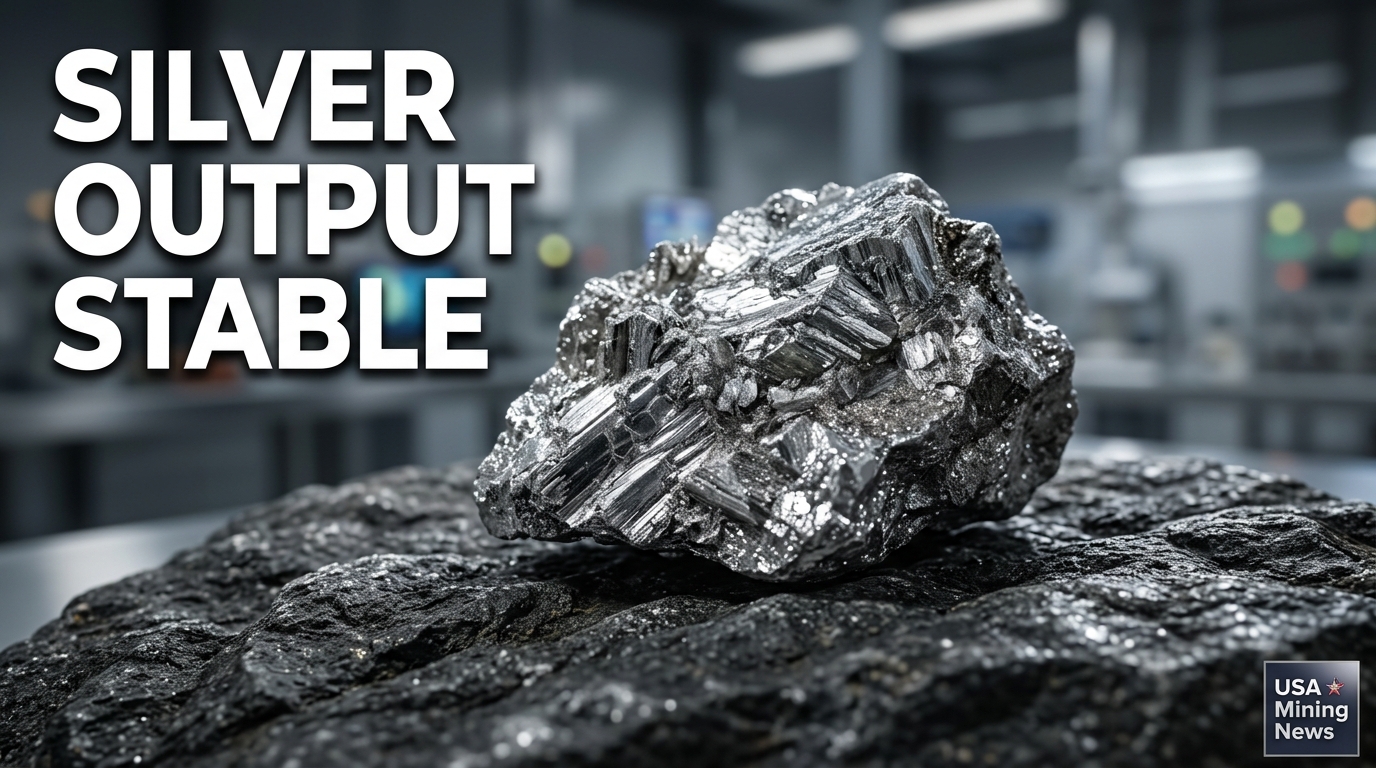
According to a recent analyst comment from GlobalData on July 24, 2026, the global silver market is entering a period characterized by a remarkably consistent supply outlook. While the precious metal typically garners attention for its price volatility and safe-haven appeal, the more subtle narrative emerging is one of stability in production, with intricate implications for its diverse array of end-users and the mining sector at large. The analysis forecasts that global silver output is expected to remain "broadly stable" in 2026, experiencing a marginal decrease of 0.3%. Looking further ahead, the long-term projection indicates a compound annual growth rate (CAGR) of just 0.8% through 2035, signaling a prolonged period of relatively flat supply.
This forecast provides crucial insights for mining companies, investors, and industrial consumers who rely on a steady supply of silver. The metal, esteemed for its unique blend of industrial properties and monetary value, faces a complex interplay of demand drivers that could challenge this static supply environment in the coming decade.
The Immediate Outlook for 2026: Broad Stability Amidst Nuance
The projection of a "broadly stable" global silver output in 2026, marked by a slight 0.3% decrease, suggests a mature supply landscape where significant production expansion is not immediately anticipated. In the context of the global mining industry, a 0.3% fluctuation within a single year is generally considered negligible, indicating that no major disruptive forces, positive or negative, are expected to dramatically alter the supply curve in the short term. This stability can be attributed to several factors inherent in the silver mining sector.
Firstly, the lead times for bringing new large-scale mining projects, particularly primary silver mines, into production are extensive, typically spanning many years from discovery to commercial operation. Therefore, any substantial new primary silver production would have already been well into development, and its impact would have been integrated into near-term forecasts. Conversely, significant unanticipated mine closures or severe operational disruptions that could drastically reduce global output are not currently foreseen at a scale that would move the needle beyond this minor predicted dip.
The slight decrease could stem from various micro-factors across the global mining portfolio. These might include:
- Temporary operational challenges at existing mines, such as equipment failures, labor disputes, or localized regulatory issues.
- Planned mine maintenance schedules that briefly interrupt production.
- Marginal grade declines at older, mature operations, which are a natural part of a mine's life cycle.
- Minor shifts in production mixes at polymetallic mines, where silver is a byproduct, leading to less silver being recovered from a given tonnage of ore.
For market participants, this stability suggests that short-term price movements in 2026 are unlikely to be driven primarily by sudden shifts in supply dynamics. Instead, demand-side factors, macroeconomic trends, and investor sentiment will likely play a more pivotal role in determining silver's price trajectory within the year.
Long-Term Trajectory: Modest Growth Projections to 2035
Looking further into the future, GlobalData's forecast of a 0.8% CAGR for global silver output through 2035 paints a picture of consistently modest growth. This growth rate, while positive, is relatively subdued compared to some other industrial metals that are experiencing a surge in demand driven by the energy transition. For silver, this implies that the supply side is not expected to significantly ramp up to meet potentially increasing demand, particularly from advanced technological applications.
Several factors contribute to this rather conservative long-term growth projection:
- Byproduct Nature of Silver: A substantial portion of global silver production derives as a byproduct from the mining of other metals, primarily copper, lead, zinc, and gold. This means that silver supply is largely inelastic to its own price signals; rather, it is dictated by the economic viability and production levels of the primary metals. Unless there's a significant increase in base metal or gold mining output, silver supply growth will inherently be constrained.
- Declining Grades: Many of the world's easily accessible, high-grade silver deposits have been extensively mined. New discoveries are often lower grade, deeper, or in more remote, politically challenging regions, increasing the capital and operational costs to extract the metal.
- Capital Expenditure Discipline: Following cycles of commodity price volatility, many mining companies have adopted more conservative capital expenditure strategies. This can result in fewer new large-scale projects being sanctioned, particularly those with long payback periods or high upfront costs, which could otherwise boost silver output.
- Regulatory and Environmental Hurdles: Bringing new mines online, or expanding existing ones, increasingly involves navigating complex regulatory frameworks and addressing significant environmental and social governance (ESG) concerns. These factors can extend project timelines and increase costs, thereby limiting potential production growth.
The 0.8% CAGR suggests that while some new primary silver projects may come online and existing mines might optimize operations, these efforts will largely offset declines from depleting reserves at other sites, resulting in only a marginal net increase in global output over a decade.
Silver's Dual Demand Pillars: Industrial and Investment
The projected stability in silver supply takes on added significance when considering the metal's unique demand profile. Silver is not merely a precious metal; it is also an indispensable industrial commodity. This duality means its market dynamics are influenced by a broader range of factors than purely monetary metals.
-
Industrial Demand: This sector accounts for a significant portion of overall silver consumption. Key areas include:
- Photovoltaics (Solar Panels): Silver powder is a critical component in the conductive paste used in crystalline silicon photovoltaic cells. As the world accelerates its transition to renewable energy, demand from the solar industry is expected to remain robust.
- Electronics: Silver's superior electrical conductivity makes it vital in connectors, switches, and various electronic components found in everything from smartphones and computers to automotive systems.
- Automotive: The increasing electrification of vehicles means more electronic components and wiring, driving up silver content per vehicle.
- Medical Applications: Its antimicrobial properties find use in medical devices, wound dressings, and filters.
-
Investment Demand: Silver historically serves as a safe-haven asset, an inflation hedge, and a speculative investment. Demand in this sector manifests through:
- Physical bullion (coins and bars).
- Silver-backed exchange-traded funds (ETFs).
- Jewelry and silverware.
The challenge for the silver market over the next decade will be to balance these two powerful, and often competing, demand forces against a backdrop of constrained supply growth.
The Byproduct Challenge: Decoupling Silver Supply from Base Metals
One of the most defining characteristics of the global silver supply chain is its extensive reliance on byproduct recovery. Approximately two-thirds of the world's silver production is derived from polymetallic deposits, where silver is extracted alongside primary metals such as lead, zinc, copper, or gold. Only about one-third comes from primary silver mines where silver is the main target metal.
This byproduct dynamic has profound implications for supply elasticity. Unlike a primary metal where miners can directly respond to price signals by increasing or decreasing production, silver output from byproduct sources is largely determined by the production decisions of base metal or gold miners. For instance, if the price of zinc falls and a zinc mine reduces its output, the associated silver byproduct production will also decline, regardless of silver's own price performance or market demand.
This structural characteristic contributes significantly to the projected stability and modest growth rates for silver. Unless there are major global stimulants for increased base metal mining—such as a massive infrastructure boom or a sustained surge in copper demand—silver output will not see a corresponding independent boost. This decoupling of silver supply from its own market fundamentals presents a unique challenge for consumers and investors alike, making the market susceptible to supply squeezes if primary metal production remains flat or contracts while silver-specific demand surges.
Navigating the Future: Implications for the Mining Industry
The GlobalData forecast has several key implications for various stakeholders within the mining industry:
- For Mining Companies: Producers of silver, especially those with primary silver operations, will need to focus intensely on operational efficiency, cost control, and maximizing recoveries from existing orebodies. Extending mine life through exploration near existing assets will be paramount. For polymetallic miners, the stability of silver production means that revenue generated from silver can provide a reliable, albeit slow-growing, offset to their primary metal operations, potentially improving overall project economics. Investment in new technologies for improved processing and reduced environmental impact will also be crucial for sustaining current output levels and securing social license to operate.
- For Developers of New Projects: The relatively flat supply outlook may present an opportunity for well-capitalized, high-grade primary silver projects to attract investment, especially if global industrial demand for silver continues its upward trend. However, they will face the continuing challenges of financing, permitting, and developing new mines in an environment where capital is increasingly scrutinizing ESG performance and return on investment.
- For Industrial Consumers: Industries heavily reliant on silver, such as solar panel manufacturers and electronics companies, will need to monitor supply trends closely. Long-term supply contracts, hedging strategies, and investment in supply chain resilience may become increasingly important to secure future material flows. Innovation in silver-saving technologies or alternative materials could also gain traction if prices are driven up by constrained supply.
- For Investors: The stability in supply, combined with potential robust growth in industrial demand, could create fertile ground for price appreciation over the forecast period. Investors might view silver as an attractive commodity due to its dual nature – offering both industrial upside and traditional precious metal appeal. However, they must also be cognizant of the price sensitivity to base metal market cycles due to silver’s byproduct nature.
Conclusion: Opportunities Amidst Stability
GlobalData’s projection of broadly stable global silver output in 2026, followed by a modest 0.8% CAGR through 2035, sets a clear expectation for a constrained supply environment in the coming decade. This outlook, released on July 24, 2026, underscores the unique characteristics of the silver market, where production is heavily influenced by byproduct recovery from other mining operations and where bringing new primary silver projects online is a complex undertaking.
For an industry grappling with accelerating demand from green technologies and electronics, a stable supply presents both challenges and opportunities. While the market may not witness dramatic shifts in annual production, the sustained modest growth suggests a potential long-term deficit if industrial and investment demand continue their upward trajectories. Stakeholders across the mining ecosystem—from exploration companies and producers to industrial consumers and global investors—must consider these dynamics carefully. Adapting strategies to emphasize efficiency, innovative extraction, and robust supply chain management will be critical for navigating a future where the steady gleam of silver production plays a foundational role in a technologically advancing world.