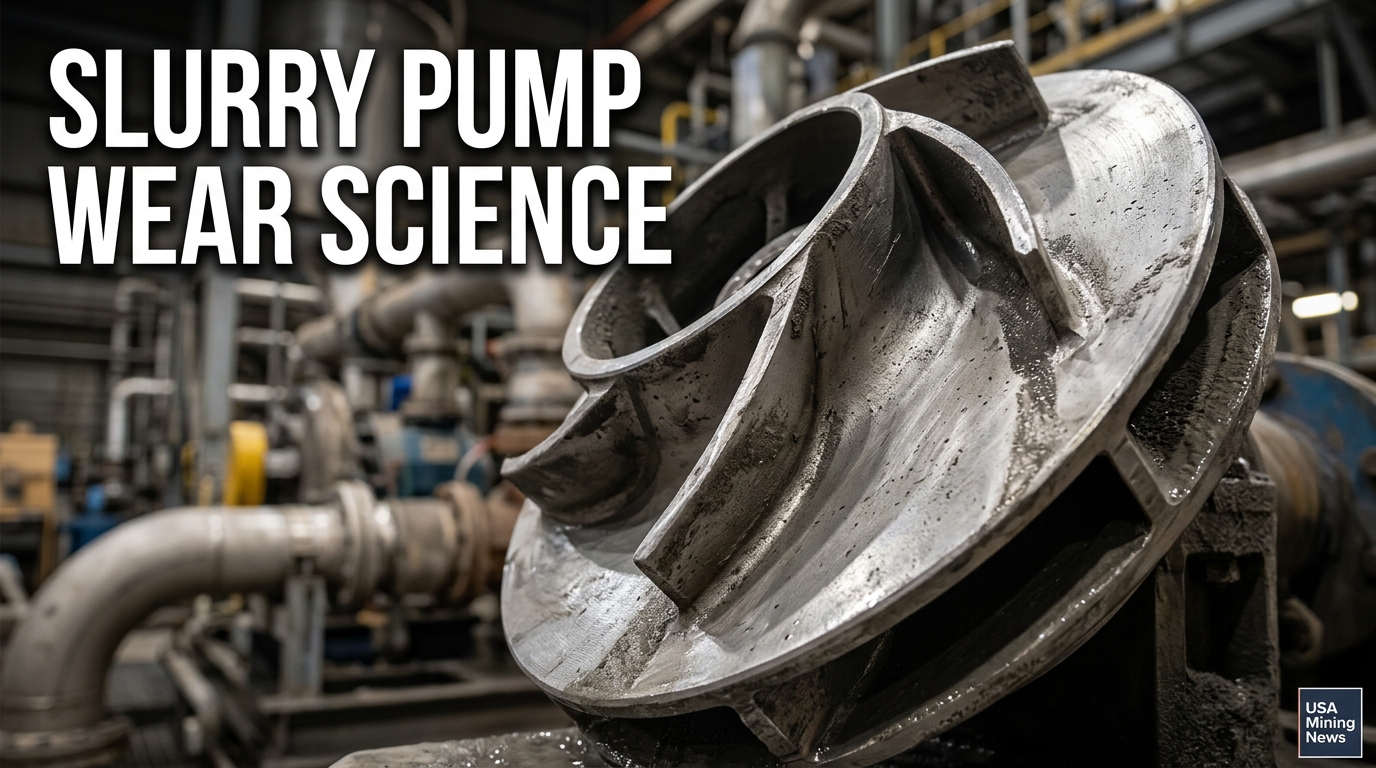
In the relentless pursuit of operational efficiency and cost reduction within the global mining sector, every component, no matter how seemingly mundane, plays a pivotal role. Among these, slurry pumps stand out as critical workhorses, operating under some of the harshest conditions imaginable. The integrity of their performance directly impacts production throughput, energy consumption, and maintenance expenditures. It is against this backdrop that the industry eagerly anticipates deeper insights into "The science behind slurry pump wear: How materials selection drives performance and reliability," a topic set to be explored in forthcoming industry partner content on August 26, 2026.
While the specifics of this protected content remain under wraps until its release, the title itself underscores an enduring challenge and a vital area of innovation for mining engineers and procurement specialists. This article will explore the fundamental principles implied by this topic, offering a detailed look at why materials selection is not just a technical specification but a strategic imperative for sustained profitability and operational uptime in mining.
The Unseen Battle: Why Slurry Pumps Are Critical Infrastructure
Slurry pumps are the arteries of any mineral processing plant, responsible for transporting abrasive and often corrosive mixtures of solids and liquids—known as slurry—throughout the production circuit. From the initial comminution stages, where crushed ore is mixed with water, to the intricate processes of flotation, thickening, and eventually tailings disposal, these pumps are indispensable. Their applications extend beyond hard rock mining to include sand and gravel operations, a sector where the GIW® LSA pump, for instance, has been effectively deployed in a USA-based mine, showcasing its robust design in handling high-volume, abrasive materials.
The operational environment for these pumps is inherently aggressive. The continuous flow of slurry, laden with sharp-edged particles ranging from fine silts to coarse aggregates, subjects pump components to severe mechanical stress. Compounded by chemical attack in certain processing environments, this leads to rapid degradation if not adequately addressed. The failure of a single slurry pump can bring an entire processing line to a halt, incurring significant downtime costs and disrupting meticulously planned production schedules. Therefore, ensuring their reliability is not merely a technical concern but a core business strategy.
Understanding the Mechanisms of Wear
The "science behind slurry pump wear" is a complex interplay of various physical and chemical mechanisms, each contributing to the erosion and eventual failure of internal components. Understanding these mechanisms is the first step toward effective materials selection and pump design.
- Abrasion: This is arguably the most common and damaging form of wear in slurry pumps. It occurs when hard, sharp particles slide or rub against a surface, gradually removing material. The severity of abrasion depends on the hardness, shape, and size of the slurry particles, as well as the velocity and concentration of the slurry.
- Erosion: A specific form of abrasion, erosion happens when particles impact a surface at an angle, dislodging material. In pumps, this is particularly prevalent on impeller vanes and volute casings where the slurry changes direction and velocity rapidly. High slurry velocities exacerbate erosive wear.
- Corrosion: While often overshadowed by mechanical wear, chemical corrosion can significantly degrade pump components, especially in processes involving acidic or alkaline reagents (e.g., leaching circuits in copper or gold processing). Corrosion can weaken the material structure, making it more susceptible to abrasive and erosive wear.
- Impact: Large, heavy particles in coarse slurries can cause impact wear, leading to material spalling or cracking, particularly on leading edges of impellers or wear plates. This often occurs in conjunction with abrasion.
These wear mechanisms do not typically act in isolation but often combine to accelerate material degradation, presenting a formidable challenge for engineers tasked with designing and maintaining these critical machines.
The Imperative of Materials Selection
The core of improving slurry pump performance and reliability, as highlighted by the upcoming content, lies in intelligent materials selection. Manufacturers like GIW Minerals (part of the KSB Group) have invested heavily in metallurgical research and development to produce materials capable of withstanding these brutal operating conditions. The objective is to extend the service life of wear parts, thereby reducing maintenance frequency and overall operational costs.
Key material categories commonly employed include:
- High-Chrome White Irons: These alloys, such as 27% high-chrome white iron, are a cornerstone in abrasive slurry applications. Their microstructure contains extremely hard chromium carbides embedded in a tough matrix, providing excellent resistance to abrasive and erosive wear. Different grades are tailored for specific hardness and toughness requirements, balancing resistance to abrasion with the ability to withstand impact.
- Elastomers (Rubbers): For fine, highly abrasive slurries, especially those with smaller particle sizes or where impact resistance is crucial, natural or synthetic rubbers are often preferred. Their elasticity allows them to absorb impact energy, reducing wear. They also offer superior corrosion resistance compared to many metals. However, they are generally not suitable for coarse, sharp slurries or high-temperature applications.
- Ceramics and Composites: Advanced ceramics, such as silicon carbide or alumina, offer extreme hardness and wear resistance, often surpassing metallic alloys. However, their inherent brittleness can be a limiting factor in applications subject to high impact or thermal shock. Composite materials, combining the strengths of different materials (e.g., a hard ceramic phase within a tougher polymer matrix), represent a promising area of ongoing development.
- Specialized Alloys: Depending on the specific combination of abrasion, erosion, and corrosion, various stainless steels, duplex steels, or other proprietary alloys may be employed. These are often chosen for specific chemical resistances while still offering reasonable mechanical wear properties.
The choice of material is never a one-size-fits-all solution. It requires a detailed analysis of the slurry's characteristics (particle size, hardness, shape, concentration, pH, temperature), pump operating parameters (speed, flow rate, head), and the desired service life. A prime example of this advanced engineering is the GIW® LSA pump series, known for its robust construction and application-specific material options designed to tackle severe abrasive conditions in heavy-duty mining and aggregate applications, as evidenced by its installation in a sand and gravel mine in the USA.
Beyond Materials: Design and Operational Excellence
While materials selection is paramount, it is not the sole determinant of pump longevity and efficiency. Optimal hydraulic design of impellers and volutes minimizes turbulence and localized high-velocity zones, thereby reducing erosive wear. Additionally, correct pump sizing and operation within its best efficiency point (BEP) significantly contribute to extending wear part life and reducing energy consumption. Operating a pump outside its BEP can induce recirculation, cavitation, and excessive wear, regardless of the material used.
Regular maintenance schedules, proactive monitoring through sensor technologies, and prompt replacement of wear parts before catastrophic failure are also crucial. A holistic approach, combining superior materials, intelligent design, and diligent operation, yields the best results in terms of total cost of ownership (TCO).
Economic and Environmental Implications for the Mining Sector
The impact of slurry pump wear and the efficacy of materials selection reverberate throughout a mining operation's financial statements and environmental footprint.
- Reduced Downtime and Increased Throughput: Longer-lasting wear parts mean fewer unscheduled stoppages for maintenance or replacement. This directly translates to higher plant availability and consistent production, safeguarding revenue streams.
- Lower Maintenance Costs: While high-performance wear parts made from advanced materials may have a higher initial capital cost, their extended service life drastically reduces the frequency of replacements, associated labor costs, and the logistical burden of spare parts management.
- Improved Energy Efficiency: Worn pump components, particularly impellers, become less efficient over time. Their degraded surfaces and altered geometries lead to increased energy consumption to achieve the same pumping output. Investing in wear-resistant materials maintains pump efficiency for longer periods, leading to tangible reductions in electricity costs, a significant operational expenditure for many mines.
- Enhanced Safety: Fewer maintenance interventions in hazardous environments reduce the risk exposure for maintenance personnel.
- Environmental Sustainability: Longer-lasting components mean less material consumption and less waste generated from discarded parts. Improved energy efficiency also contributes to a reduced carbon footprint, aligning with the mining industry's growing focus on environmental stewardship and ESG (Environmental, Social, and Governance) targets.
Looking Ahead: Innovation and Future Reliability
As the mining industry continues to navigate fluctuating commodity prices, increasing ore complexity, and heightened environmental scrutiny, the demand for more robust, efficient, and reliable equipment will only intensify. The forthcoming insights on August 26, 2026, into the science of slurry pump wear and materials selection are therefore highly anticipated, promising to shed light on cutting-edge research and practical applications.
Future innovations in this field are expected to focus on:
- Advanced Metallurgy: Further refinement of alloys, including novel heat treatments and additive manufacturing techniques to create bespoke wear-resistant components.
- Smart Materials and Coatings: Development of self-healing materials or advanced surface coatings that can further extend component life and offer tailored resistance to specific wear mechanisms.
- Digitalization and Predictive Maintenance: Integration of IoT sensors and artificial intelligence to monitor pump health in real-time, predict wear patterns, and optimize maintenance schedules, maximizing the lifespan of installed wear parts.
The continued dedication to understanding and mitigating slurry pump wear through scientific materials selection is not just an engineering challenge; it is a fundamental driver of profitability, sustainability, and operational excellence for the global mining industry. As we look towards future developments, the insights gained from such focused research will undoubtedly shape the next generation of mineral processing facilities.