NESE Pipeline Groundbreaking Marks Major Step for Northeast Energy Security
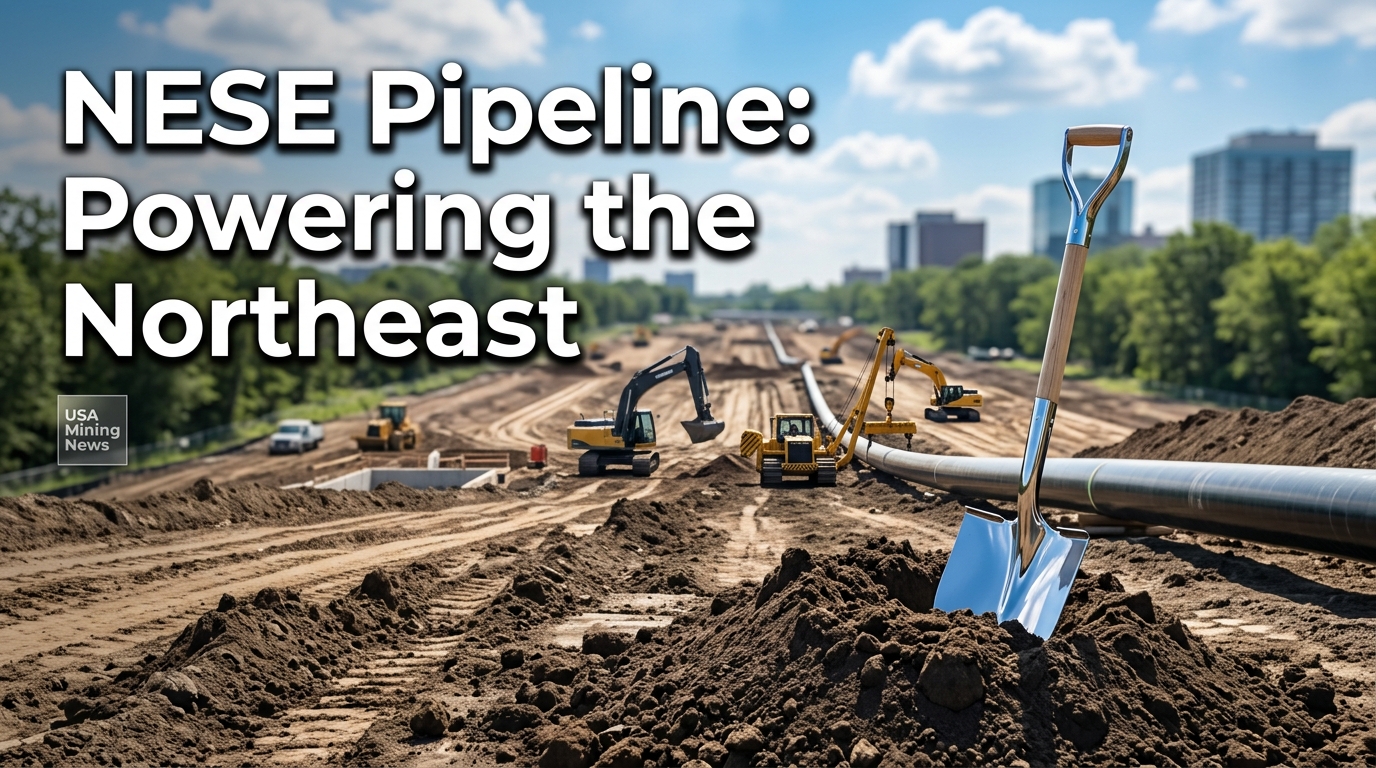
NEW YORK – April 14, 2026 – In a significant move set to reshape the energy landscape of the U.S. Northeast, high-ranking federal officials joined industry leaders today for the groundbreaking ceremony of the Northeast Supply Enhancement (NESE) Pipeline. U.S. Secretary of Energy Chris Wright, U.S. Environmental Protection Agency Administrator Lee Zeldin, and U.S. Secretary of the Interior Doug Burgum participated in the event, marking the official commencement of construction for the critical energy infrastructure project. Developed by Williams Companies, the NESE pipeline is designed to transport vital natural gas resources from Pennsylvania into the burgeoning markets of New York City and Long Island, addressing the growing energy demands of millions of residents and businesses in the region.
The project represents a pivotal development in the nation's ongoing pursuit of energy security and affordability. With a projected in-service date in the fourth quarter of 2027, the NESE pipeline is anticipated to provide substantial increases in affordable and reliable energy, mitigating the historical challenges of constrained natural gas supply in one of America's most densely populated regions. This initiative underscores a concerted effort from federal and industry stakeholders to enhance the resilience and capacity of the national energy grid, particularly impacting the Northeastern states often susceptible to supply vulnerabilities during peak demand periods.
Key Players and Strategic Vision
The groundbreaking event brought together a formidable coalition of government and corporate leadership, reflecting the project's strategic importance. President Trump’s administration, specifically through his National Energy Dominance Council, played a crucial role in navigating the complex regulatory environment, ultimately securing the necessary permits from the states of New York and New Jersey in the fall of 2025. This cooperation was instrumental in overcoming prior political obstacles that had long impeded energy infrastructure development in the region.
Energy Secretary Chris Wright emphasized the administration’s commitment to reversing what he described as "poor political choices" that historically obstructed energy infrastructure, leading to elevated energy costs for consumers. "President Trump promised to lower energy costs and to get America building again—that is exactly what the groundbreaking of the NESE pipeline will accomplish," stated Secretary Wright. He further reiterated the benefits of natural gas as a "reliable, low-cost, clean burning option" for powering homes and businesses, affirming the continued federal push for more robust energy infrastructure nationwide.
Administrator Lee Zeldin of the U.S. Environmental Protection Agency echoed these sentiments, stressing the importance of the project for millions of New Yorkers. "Breaking ground on the NESE pipeline marks a massive milestone for millions of New Yorkers seeking access to reliable, affordable natural gas," Zeldin remarked, commending President Trump's leadership in advancing the project. Secretary of the Interior Doug Burgum also weighed in, drawing a contrast with international energy production and highlighting the pipeline's role in "unleash[ing] American Energy Dominance" and fortifying the national grid against external vulnerabilities. Chad Zamarin, CEO of Williams Companies, underscored the project's economic impact, stating, "NESE is a $1 billion direct investment in the American worker," a testament to the collaborative efforts of government, labor, and industry.
Technical Specifications and Operational Impact
The NESE pipeline is not an entirely new standalone system but rather a vital expansion of Williams’ existing Transco pipeline network. The Transco pipeline, a sprawling interstate natural gas transmission system, stretches from the Gulf Coast to the Northeast, serving a significant portion of the Eastern Seaboard. The NESE enhancement specifically targets the Pennsylvania, New Jersey, and New York segments of this crucial infrastructure, aiming to bolster deliverability into high-demand areas.
Upon completion, the NESE project is designed to add an impressive 400,000 dekatherms per day of natural gas capacity to the existing Transco system. To put this figure into perspective, this additional capacity is estimated to be sufficient to serve the energy needs of approximately 2.3 million homes. This substantial increase in supply is expected to have a transformative effect on wholesale natural gas markets in New York City and Long Island, regions that have historically faced price volatility and supply constraints due to insufficient pipeline capacity during peak winter demand.
The construction phase, involving a significant $1 billion direct capital investment, is anticipated to stimulate considerable economic activity and job creation. Beyond the immediate construction jobs, the long-term operational benefits are far-reaching. Secretary Burgum projected that the NESE project alone is expected to lower electricity bills for consumers by an estimated $6 billion over the next 15 years, coupled with a broader economic development stimulus of up to $1.8 billion. These figures highlight the transformative economic dividend this infrastructure expansion is poised to deliver to American families and businesses.
Market Context and Industry Implications
The NESE pipeline’s groundbreaking carries profound implications for the broader U.S. energy market and associated industries, including mining. The Northeast, particularly New York City, has long grappled with the paradox of being close to prolific natural gas production basins in Pennsylvania’s Marcellus Shale yet experiencing energy price spikes and supply shortfalls. This has largely been due to bottlenecks in midstream infrastructure—pipelines that connect production areas to consumption centers. The NESE project directly addresses this critical infrastructure gap, promising to enhance energy reliability and affordability.
For the mining industry, the implications are multifaceted. Firstly, robust and affordable energy supply is a foundational requirement for mining operations. Mining is an energy-intensive sector, from extraction and processing to transportation. Lower, more stable natural gas prices from increased supply can significantly reduce operational expenditures for mining companies, especially those relying on natural gas for power generation on-site or those connected to regional grids heavily dependent on gas-fired power plants. This can improve profitability and competitiveness, allowing for greater investment in exploration and development.
Secondly, major infrastructure projects like the NESE pipeline are significant consumers of mined materials. The construction of pipelines, compressor stations, and associated facilities requires vast quantities of steel, which is produced from iron ore and metallurgical coal. Aggregates such as sand and gravel are essential for foundational work and backfilling. Copper is crucial for electrical components and control systems. The direct demand for these materials provides a boost to the mining sectors that supply them, driving production and supporting employment across the value chain. This pipeline represents a direct capital injection into industries relying on mined products.
Furthermore, the projected economic stimulus of up to $1.8 billion and the $6 billion in electricity bill savings over 15 years will foster broader economic growth. A healthier, more energized economy typically translates into increased demand for a wide array of mined commodities, from industrial minerals used in construction to specialty metals for manufacturing and technology. Stable and affordable energy underpins industrial competitiveness, which indirectly benefits the entire supply chain, including upstream mining activities. It also provides a more predictable operating environment for companies planning long-term investments.
Looking Ahead: The Constitution Pipeline and Future Energy Expansion
While the NESE pipeline represents a significant milestone, the push for enhanced energy infrastructure in the Northeast continues. Federal officials indicated that the next priority on their agenda is securing approval for the Constitution Pipeline. This project aims to connect abundant natural gas resources from the Marcellus Shale production areas in Pennsylvania to markets in New York and New England, particularly during the brutally cold winter months when demand surges and existing capacity often strains.
However, the Constitution Pipeline has faced considerable regulatory and political opposition, notably from "Democrats in Albany," as highlighted by the press release. These ongoing permitting challenges underscore the persistent tension between energy development and environmental advocacy, a dynamic that continues to shape infrastructure projects across the nation. Overcoming these hurdles will be crucial for New England residents to access the same benefits of reliable supply and lower energy costs that the NESE pipeline is expected to bring to New York.
The current administration's focus on "American Energy Dominance" and streamlining infrastructure approvals suggests a sustained effort to advance such projects. The successful groundbreaking of NESE could serve as a precedent, demonstrating that large-scale energy infrastructure can indeed move forward with concerted effort and favorable regulatory backing. The long-term vision appears to be one where North America’s rich natural gas reserves are fully utilized to power the domestic economy, reduce energy costs, and enhance national security.
Conclusion
The groundbreaking of the Northeast Supply Enhancement Pipeline on April 14, 2026, marks a pivotal moment for energy infrastructure in the United States. Spearheaded by Williams Companies and driven by strong federal support, this $1 billion investment promises to deliver 400,000 dekatherms per day of crucial natural gas capacity to New York City and Long Island by late 2027. Beyond securing reliable and affordable energy for millions, the NESE project illustrates the profound interdependencies within the industrial economy. For the mining industry, it signals not only a direct demand for construction-related raw materials but also the broader benefits of stable energy prices and a stimulated economy, contributing to overall demand for all mined commodities. As the nation continues to navigate its energy future, the NESE pipeline stands as a potent example of how strategic infrastructure development can underpin economic vitality, energy security, and industrial growth.