BHP Halts Operations at Escondida Mine After Fatal Accident, Impacting Global Copper Supply
SANTIAGO, CHILE – September 24, 2026 – BHP, a global leader in the mining industry, has confirmed the immediate suspension of all operational activities at its Escondida copper mine in northern Chile following a tragic incident that resulted in the death of a worker. This unexpected halt at the world's largest copper-producing mine introduces a significant disruption to global supply chains and underscores the paramount importance of safety protocols within the high-stakes environment of large-scale mining operations.
The Incident: A Tragic Maintenance Accident
The fatal accident occurred on September 24, 2026, during routine maintenance work at the Escondida site. While specific details of the incident remain under investigation, the union representing workers at the mine has indicated that a front-end loader, a heavy-duty machine commonly utilized across the mining sector for material handling and excavation, was involved. This unfortunate event led to the death of an employee, prompting BHP to implement an immediate and complete shutdown of all operations at the vast complex.
Such incidents are a stark reminder of the inherent risks associated with heavy industrial operations, even with stringent safety measures in place. The industry constantly strives to enhance safety through technological advancements, rigorous training, and adherence to evolving best practices, yet tragic events can still occur, necessitating thorough investigations to prevent future recurrences.
Immediate Response and Regulatory Implications
Following the confirmation of the fatality, BHP’s immediate response was to halt all activities. This action aligns with standard industry practice and, more critically, with the strict mining regulations enforced in Chile. Chilean law typically mandates a pause in mining operations after a fatal incident. This suspension remains in effect until regulatory authorities have conducted comprehensive inspections, thoroughly investigated the circumstances surrounding the accident, and officially determined that the site conditions are safe for a resumption of work.
BHP has not provided a specific timeline for when operations at Escondida might resume, emphasizing that the focus is on the investigation and ensuring worker safety. This indefinite pause underscores the gravity of the situation and the commitment to regulatory compliance and safety over immediate production concerns. For a mine of Escondida's scale, even a temporary cessation of activities can have ripple effects throughout the global copper market.
Escondida: A Global Copper Powerhouse
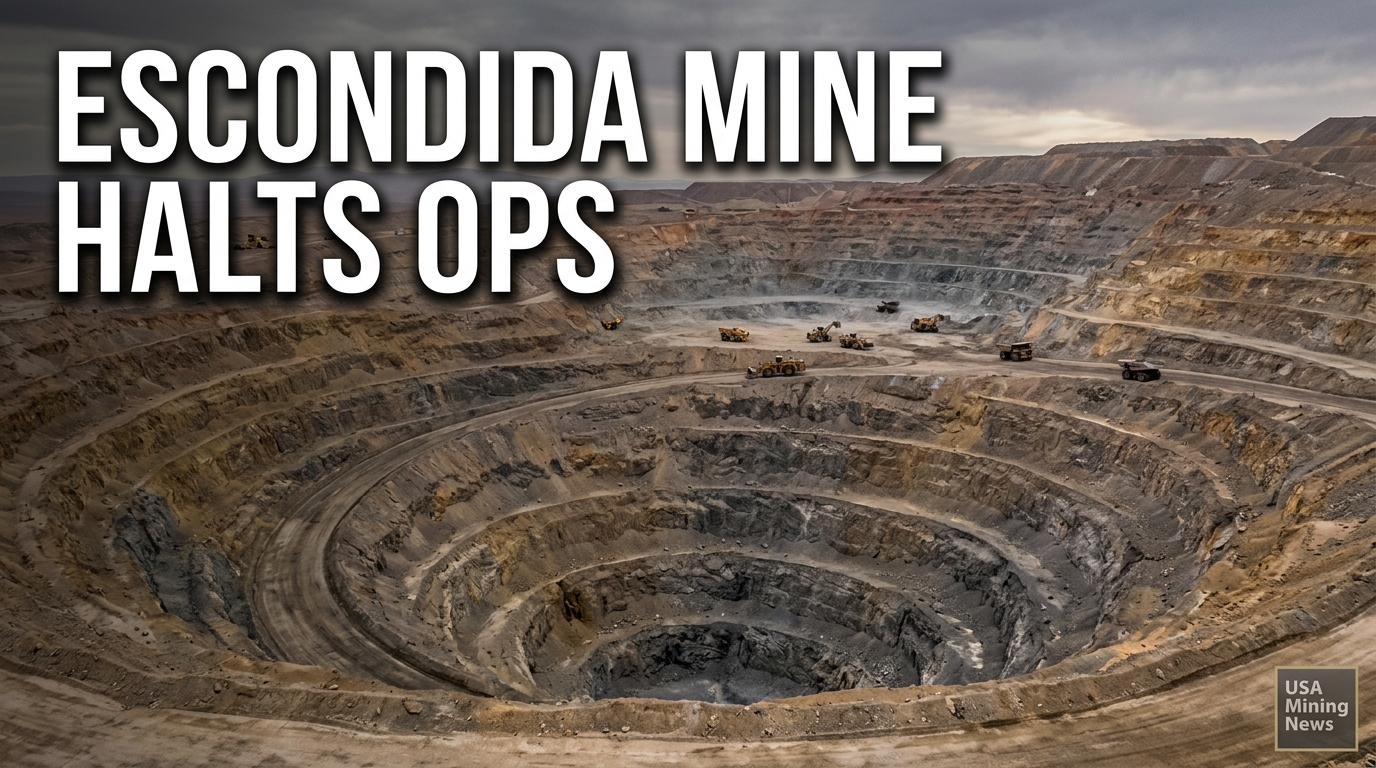
Located in the arid Atacama Desert, approximately 170km south-east of Antofagasta, the Escondida mine is a cornerstone of the global copper industry. It has been operational since 1990 and holds the distinction of being the world’s largest producer of copper concentrates and cathodes. Its massive output is critical for numerous industries, as copper is prized for its excellent conductive and antimicrobial properties, making it indispensable in everything from electrical wiring and consumer electronics to plumbing and medical equipment.
Escondida operates as a joint venture (JV), with BHP holding a controlling 57.5% stake and acting as the primary operator. Its key partners include Rio Tinto, which holds a significant 30% share, and JECO, a Japanese consortium, with the remaining 12.5%. This multinational ownership structure highlights the mine's strategic importance to some of the world's largest mining companies and their respective supply chains. The site is a complex operation, comprising two open pits that feed three concentrator plants, alongside two leaching operations designed to process both oxide and sulphide ores, maximizing copper recovery from its extensive reserves.
Operational Scale and Production Targets
The sheer scale of Escondida’s operations is difficult to overstate. Its annual production significantly contributes to Chile's national economy, cementing the country's position as the world's leading copper producer. For the current year, BHP had previously estimated that Escondida would produce up to 1.28 million tonnes of copper. This figure alone represents a substantial portion of global annual copper output, underscoring the potential market impact of an extended shutdown.
Disruptions at such a critical producer can tighten global copper supply, potentially influencing commodity prices and impacting downstream industries reliant on a stable and predictable flow of the red metal. Market analysts will undoubtedly be watching closely for updates on the investigation and any indications regarding the duration of the suspension, assessing the potential for upward pressure on copper prices.
Strategic Importance and Future Expansion Plans
The long-term strategic importance of Escondida to BHP and its partners is further underscored by recent developments. Just two months prior to this incident, in July 2026, BHP secured an initial environmental permit from the Antofagasta Environmental Assessment Commission for a substantial expansion project at the mine. This approval greenlights projects valued at up to $14.7 billion (A$21.16 billion), aimed at extending the mine's life and optimizing its production capacity well into the future.
The timing of this incident, following such a significant investment approval, presents a complex challenge for BHP. While the immediate focus is on safety and investigation, any prolonged operational pause could impact the rollout of these ambitious expansion plans, potentially delaying projected increases in copper output that are vital for meeting growing global demand for electrification and renewable energy technologies.
Broader Industry Context: Safety and Operational Resilience
This incident at Escondida serves as a powerful reminder to the entire mining industry about the critical importance of robust safety management systems and continuous operational vigilance. Despite advancements in automation and remote operations, human elements remain central to mining, and worker safety must always be the highest priority. Fatal accidents not only lead to tragic loss of life but also trigger significant operational and financial repercussions, including production halts, regulatory scrutiny, and potential reputational damage.
For mining companies, investing in comprehensive safety training, preventative maintenance, and advanced hazard identification systems is not merely a compliance requirement but a fundamental aspect of operational resilience. The industry must consistently review and update its protocols to mitigate risks associated with heavy machinery, complex operational environments, and the sheer scale of modern mining.
Outlook: Navigating Restart and Long-Term Strategy
As the investigation unfolds, BHP will be working closely with Chilean authorities to understand the root causes of the accident and implement any necessary corrective actions. The eventual restart of operations will depend on regulatory approval, which will only be granted once all safety concerns have been adequately addressed.
The coming weeks will be crucial for BHP as it navigates this challenging period. The company’s response will likely involve a comprehensive review of its safety protocols, particularly concerning maintenance procedures and the operation of heavy equipment like front-end loaders. For the global copper market, the duration of Escondida’s suspension will be a key factor in assessing short-term supply dynamics, while the long-term strategic importance of the mine, particularly with its planned expansion, remains undiminished despite this somber setback. The industry, and indeed global consumers of copper, will be keenly awaiting updates from BHP and Chilean regulators regarding the future of operations at this vital mining asset.