WASHINGTON – In a significant move to bolster American innovation, strengthen domestic supply chains, and secure the nation's energy future, the U.S. Department of Energy (DOE) and the U.S. Small Business Administration (SBA) formally established the Small Business Investment Company-Energy (SBIC-E) Initiative on August 24, 2026. This new strategic partnership, solidified through a Memorandum of Agreement, aims to unleash private capital into small businesses advancing critical technologies, with a particular emphasis on sectors vital to the mining industry.
The SBIC-E Initiative represents a concerted effort to realize President Trump’s commitment to supporting American small businesses, enhancing domestic manufacturing capabilities, and ensuring U.S. leadership in technologies crucial for national and economic security. By combining the DOE’s extensive scientific and technical expertise with the SBA’s robust Small Business Investment Company (SBIC) Program, the initiative seeks to bridge the gap between groundbreaking innovation and the capital required for commercialization and scale.
A New Era for American Energy and Innovation Funding
The core philosophy behind the SBIC-E Initiative is to empower American small businesses, recognized as engines of innovation and vital contributors to affordable, reliable energy access. U.S. Secretary of Energy Chris Wright underscored this commitment, stating, "By partnering with the Small Business Administration, the Energy Department is committing to invest its resources in American small businesses that will create jobs, strengthen our domestic manufacturing base, and unleash American energy production." This statement highlights the initiative's dual focus on economic growth and strategic self-sufficiency in energy.
SBA Administrator Kelly Loeffler further articulated the strategic vision, noting, "President Trump is establishing American energy dominance, ending the Green New Scam, and putting our nations’ producers and innovators back in control at the dawn of a new era of energy reliability and abundance." Loeffler emphasized the partnership's role in strengthening access to private sector capital to ensure that America's fossil fuels, nuclear, and electric power technology and infrastructure remain at the forefront globally. This alignment of investment with DOE’s strategic priorities is intended to fuel the producers essential for delivering secure, affordable energy across the nation.
Leveraging Proven Capital: The SBIC Program Foundation
The SBIC-E Initiative is built upon the well-established foundation of the SBA’s Small Business Investment Company (SBIC) Program, which has a remarkable track record of supporting American enterprises. Since its inception in 1958, the SBIC Program has channeled a substantial $147 billion into American small businesses. Currently, the program boasts a combined portfolio value of $58 billion. Its impact extends beyond financial investment, having created or supported an impressive 10.6 million jobs since 1995 alone.
This proven model allows the government to leverage private sector expertise and capital, multiplying the impact of federal support. Under the SBIC-E framework, the DOE, through its Office of Technology Commercialization (OTC), will play a crucial role in identifying strategic technology priorities, providing essential technical and commercialization expertise, and engaging the broader investment community. Concurrently, the SBA, via its Office of Investment and Innovation, will administer the initiative, actively encouraging the formation and growth of specialized investment funds focused on these priority areas. This structured approach aims to efficiently connect innovators with the private capital necessary to help promising technologies develop, scale, and establish manufacturing capabilities domestically.
Strategic Investment Priorities: A Direct Call to Mining and Advanced Materials
For professionals and investors within the mining industry, the SBIC-E Initiative’s initial investment priorities present a compelling new landscape of opportunity. The specified areas of focus directly address critical needs within the sector and its associated value chains:
- American energy production and energy security: This broad category encompasses technologies that enhance the extraction, processing, and delivery of traditional and advanced energy resources. For mining, this could involve innovations in resource identification, efficient extraction methods, and infrastructure development that supports energy independence.
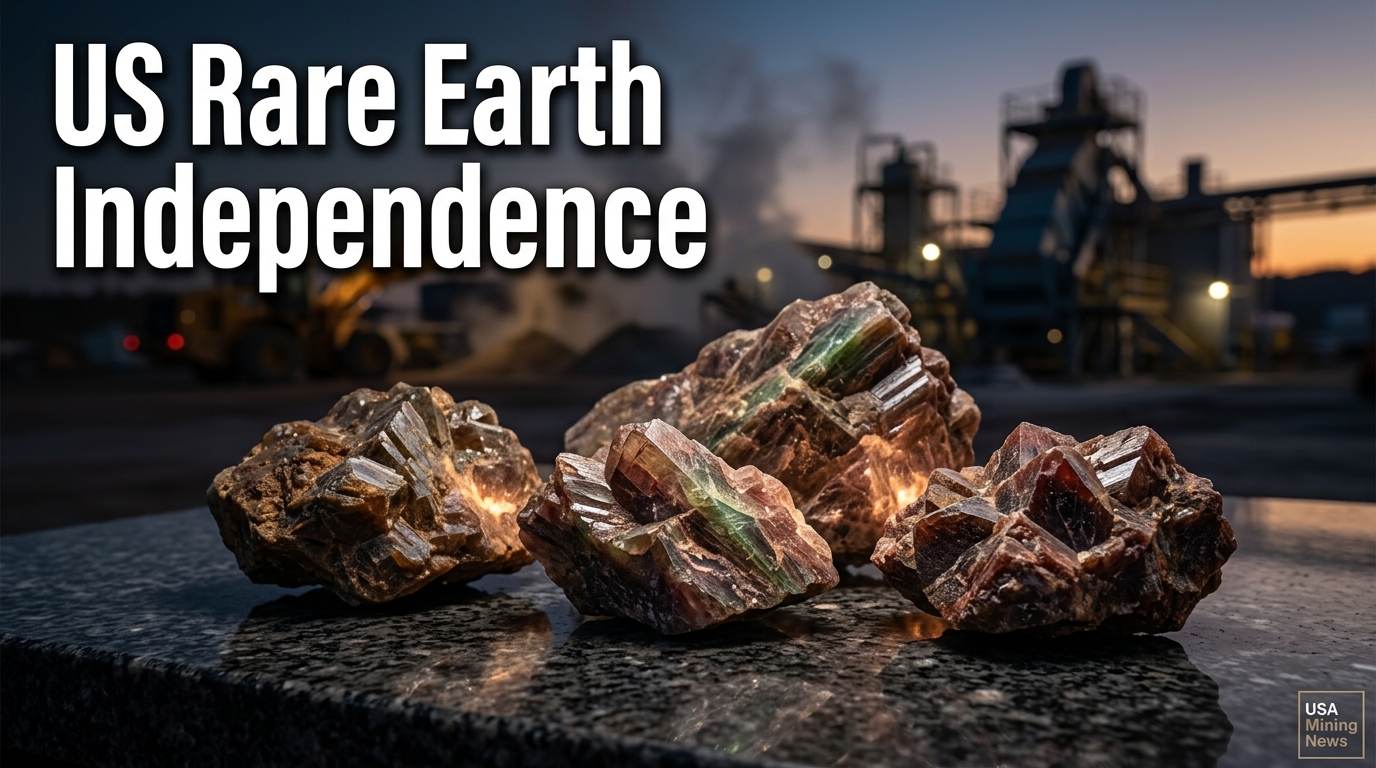
- Critical minerals, advanced manufacturing, and advanced materials: This priority is of paramount importance to the mining sector. It targets the entire lifecycle of critical minerals, from novel exploration and extraction techniques to domestic processing, refining, and the development of value-added advanced materials. The U.S. has recognized the strategic vulnerability posed by reliance on foreign sources for these essential inputs – including rare earth elements, lithium, cobalt, nickel, and graphite – which are vital for electric vehicles, renewable energy technologies, defense applications, and consumer electronics. Investments here will drive the establishment of robust, resilient domestic supply chains, reducing geopolitical risks and fostering American leadership in these foundational elements.
- Artificial intelligence, quantum information science, semiconductors, and future computing: While seemingly distinct from traditional mining, these technological frontiers offer transformative potential for the industry. AI and advanced computing can revolutionize mineral exploration (predictive analytics, geological modeling), optimize mining operations (autonomous equipment, predictive maintenance), enhance processing efficiency, and improve safety protocols. Innovations in these areas can lead to significant operational efficiencies and competitive advantages for forward-thinking mining companies.
- Advanced communications, biotechnology, and other critical and emerging technologies: This catch-all category ensures flexibility to address unforeseen technological advancements. For mining, advanced communications are vital for remote operations, real-time data transfer, and autonomous systems. Biotechnology could open doors for bio-leaching or environmentally friendlier processing methods, further aligning with sustainable mining practices.
DOE's Technical Prowess Meets SBA's Financial Acumen
The synergy between the DOE's deep technical knowledge and the SBA's financial administration expertise is central to the SBIC-E Initiative's design. The DOE’s Office of Technology Commercialization (OTC) is tasked with identifying the most promising technologies and strategic priorities that align with national security and energy dominance goals. Beyond identification, the OTC will offer crucial technical and commercialization expertise, helping nascent technologies mature and become market-ready. This support is vital for small businesses navigating the complex journey from laboratory discovery to market deployment.
Furthermore, the SBIC-E Initiative is designed to integrate seamlessly with the DOE's broader innovation ecosystem, providing a direct pipeline for capital to companies emerging from existing federal programs. This includes businesses participating in the Small Business Innovation Research and Small Business Technology Transfer (SBIR/STTR) programs, which fund research and development; the Advanced Research Projects Agency-Energy (ARPA-E), known for high-risk, high-reward energy projects; the Technology Commercialization Fund (TCF), which moves lab-developed technologies to market; and the Lab-Embedded Entrepreneurship Program, fostering startups directly within National Laboratories. Companies commercializing technologies developed through the Department's vast network of National Laboratories will also find a direct pathway to private investment through SBIC-E, enhancing the commercial impact of publicly funded research.
Implications for the U.S. Mining Sector
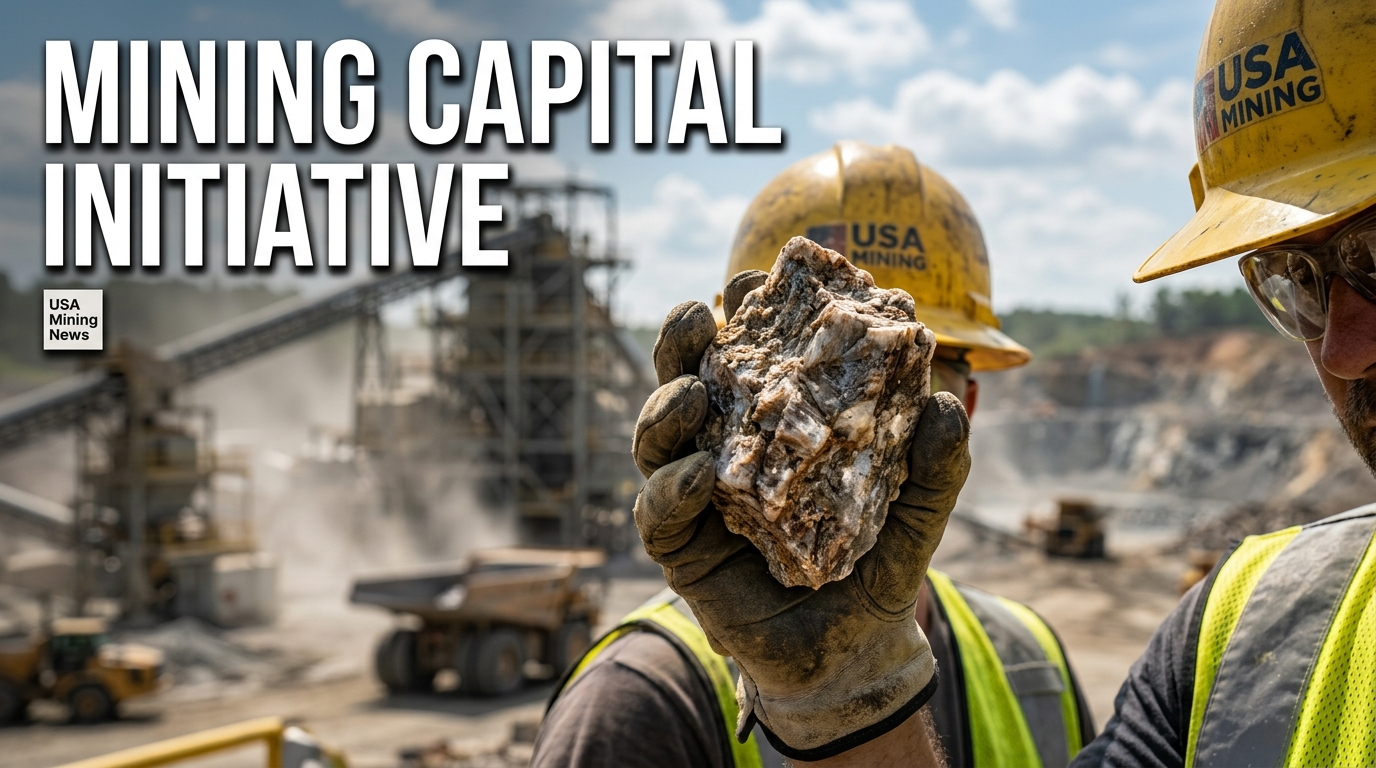
The SBIC-E Initiative carries profound implications for the U.S. mining industry. For years, domestic mining operations, particularly smaller and mid-tier companies, have faced significant capital challenges, especially for innovative projects or those focused on less conventional but strategically vital minerals. This initiative directly addresses that need by mobilizing private capital, backed by the credibility and structure of the SBIC program, into critical areas.
Specifically, the focus on "critical minerals, advanced manufacturing, and advanced materials" signals a robust governmental commitment to re-shore and strengthen the entire domestic supply chain, from exploration and extraction to processing and the creation of value-added products. This could lead to:
- Increased Exploration and Development: Funding for companies developing advanced exploration technologies, such as AI-driven geological modeling or remote sensing, can de-risk early-stage projects for critical minerals.
- Domestic Processing Capabilities: Investment in advanced processing technologies for rare earths, lithium, graphite, and other battery minerals can lead to new beneficiation plants and refineries within the U.S., reducing reliance on foreign processing hubs.
- Advanced Materials Innovation: Support for small businesses innovating new alloys, composites, or material substitutes that utilize domestically sourced minerals can create new markets and bolster manufacturing.
- Technological Modernization: Capital for companies developing automation, robotics, and digital solutions for mining operations will improve efficiency, safety, and environmental performance, making U.S. mining more competitive globally.
- Supply Chain Resiliency: By fostering a robust ecosystem of domestic critical mineral production and processing, the initiative contributes directly to national and economic security, insulating vital industries from geopolitical supply disruptions.
This initiative recognizes that small businesses and startups are often at the forefront of disruptive innovation. By providing them with access to significant private investment, the SBIC-E program empowers these agile entities to tackle some of the mining industry's most pressing challenges and seize new opportunities.
Outlook: Fostering Domestic Growth and Security
The launch of the SBIC-E Initiative marks a pivotal moment in the U.S. strategy for energy dominance and technological leadership. By strategically channeling private investment into critical sectors, particularly those with direct ties to the mining and advanced materials industries, the initiative aims to catalyze job creation, strengthen domestic manufacturing, and bolster national security.
Both the DOE and SBA have affirmed their commitment to ongoing engagement with investors, entrepreneurs, and commercialization partners as the initiative evolves. Future updates regarding specific investment priorities, participation opportunities, and engagement activities will be made available on the dedicated SBIC-E Initiative webpage. The long-term vision is clear: to foster a dynamic ecosystem where American innovation, supported by strategic capital, leads to a more secure, prosperous, and technologically advanced nation, with the mining industry playing an indispensable role in providing the foundational resources.