Confined Space Rescue Training: A Cornerstone of Safety in Underground Mining
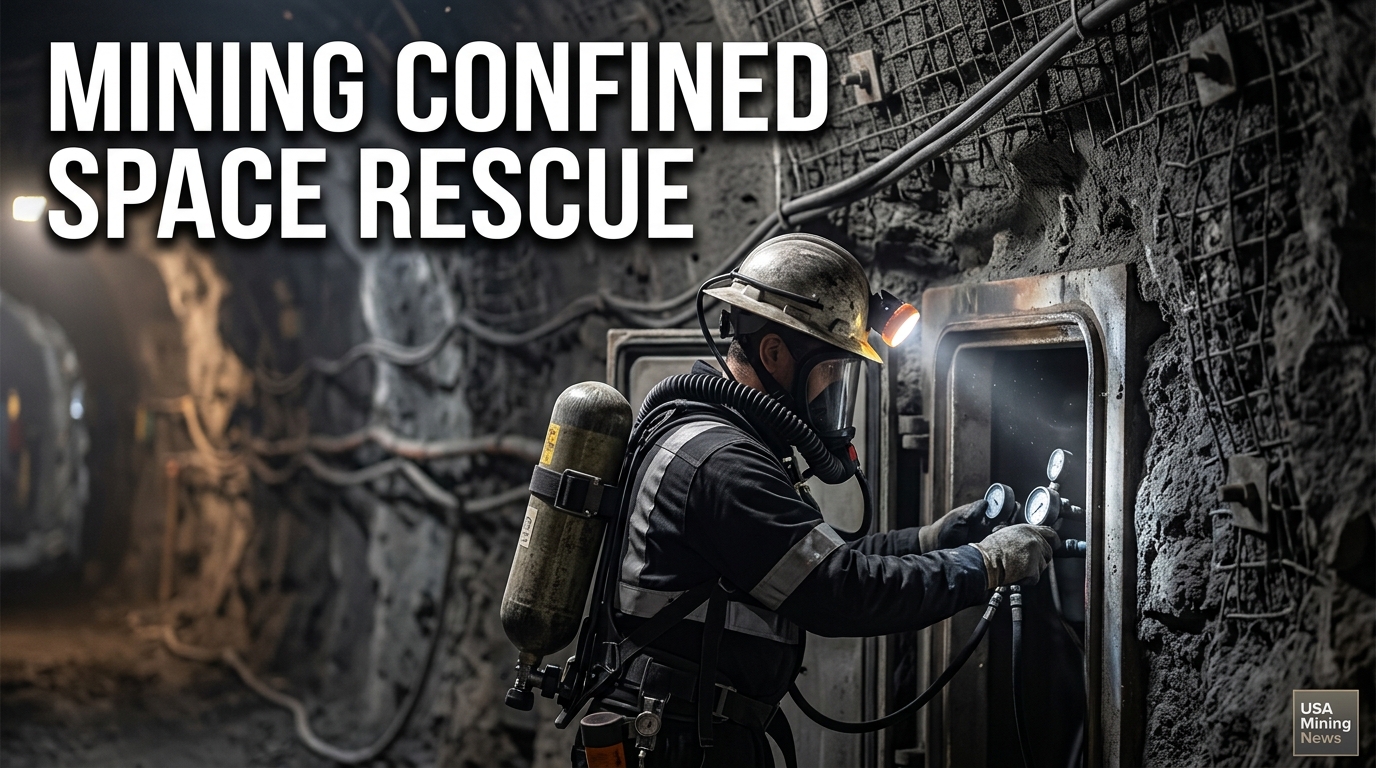
Underground mining, while essential for the global supply of critical minerals, consistently ranks among the most challenging and hazardous industrial sectors worldwide. The very nature of subterranean operations introduces inherent risks, particularly within areas designated as confined spaces. These unique environments — encompassing shafts, ore passes, pump stations, and various enclosed tunnels — pose significant threats due to factors such as restricted movement, limited oxygen supply, and the potential accumulation of toxic gases. The complexities of these conditions not only endanger workers but also significantly complicate efforts to provide emergency response, making specialized confined space rescue training a non-negotiable imperative for operational safety and regulatory compliance.
This evolving landscape of risk and responsibility formed the core of discussions and new insights published on April 27, 2026. As mining operations continue to push the boundaries of depth and complexity, regulatory bodies globally are continually refining their expectations for how mining companies must prepare for and manage confined space incidents. These stringent requirements are directly impacting the design and delivery of safety programs at the site level, underscoring a commitment across the industry to protect its workforce.
The Inherent Dangers of Underground Confined Spaces
The definition of a confined space in mining extends beyond simple enclosures; it refers to areas that, by design, are not intended for continuous human occupancy, have restricted entry and exit, and can present immediate or potential hazards. In underground mining, these include:
- Shafts: Vertical excavations used for access, ventilation, or material transport, often deep and with limited internal platforms.
- Ore Passes: Vertical or inclined openings through which broken ore travels by gravity, prone to blockages and hazardous atmospheric conditions.
- Pump Stations: Enclosed areas containing critical dewatering infrastructure, often with poor ventilation and potential for gas buildup or flooding.
- Enclosed Tunnels: Sections of drifts, crosscuts, or raises that may become isolated, lack sufficient airflow, or contain hazardous atmospheres due to geological conditions or operational activities.
Within these spaces, workers face a multitude of dangers. Oxygen depletion can occur rapidly due to respiration, equipment operation, or oxidation processes of minerals. Conversely, toxic gases such as carbon monoxide, hydrogen sulfide, methane, or nitrogen dioxide can accumulate, potentially reaching lethal concentrations without obvious warning signs. Furthermore, restricted entry and exit points, coupled with the potential for engulfment by loose material or water, can severely impede a worker's ability to escape and complicate an external rescue. These factors collectively demand a highly specialized and meticulously trained response capability.
Global Regulatory Frameworks for Confined Space Safety
Recognizing the severe risks involved, major mining jurisdictions worldwide have established comprehensive legal frameworks to govern confined space entry and rescue capabilities. In the United States, the Mine Safety and Health Administration (MSHA) mandates highly detailed standards for both underground coal and metal/non-metal mines. These regulations dictate specific requirements concerning rescue team composition, the frequency of required training, and the essential equipment that must be maintained and readily available. This ensures a consistent baseline of preparedness across all regulated mining operations within the nation.
Beyond the U.S., other leading mining nations like Australia, Canada, and South Africa have instituted comparable, robust regulatory frameworks under their respective mining safety acts. While specific details may vary, these regulations universally define:
- Which confined spaces require a formal permit before entry can be authorized.
- The atmospheric conditions that must be rigorously verified and continuously monitored before and during entry.
- The precise level of rescue capability that must be maintained whenever workers are present inside a designated confined space.
Employers are not only expected to adhere to these standards but are also legally obligated to meticulously document their compliance. These records, encompassing everything from permit confirmations to atmospheric monitoring logs and training certifications, must be readily available for regulatory audits or, critically, for post-incident investigations. This emphasis on documentation serves as a critical mechanism for accountability and continuous improvement within the industry.
Core Components of Effective Confined Space Rescue Training
Effective confined space rescue training programs are designed to instill practical, life-saving skills in both general workers and dedicated rescue teams, preparing them to respond decisively and safely when an emergency arises within a restricted area. Standard curricula typically cover a range of critical competencies and protocols:
- Atmospheric Monitoring: Proficient use of multi-gas detectors to identify and quantify hazardous atmospheric conditions, including oxygen levels, combustible gases, and toxic substances.
- Use of Supplied Air Respirators: Training on self-contained breathing apparatus (SCBA) or supplied air respirators (SAR) systems, essential for operating safely in oxygen-deficient or toxic atmospheres.
- Retrieval System Operation: Mastery of mechanical retrieval systems, such as tripod and winch assemblies, and other specialized rigging for safely extracting incapacitated workers from confined spaces.
- Communication Protocols: Establishing and maintaining effective communication in environments where standard radio signals may be attenuated or lost, often involving specialized intrinsically safe devices and visual signals.
A crucial aspect of best-in-class training is its site-specific nature. Rescue scenarios are not generic; they are meticulously built around the precise physical characteristics and potential hazards of the actual confined spaces found on each mine site. This tailored approach ensures that team members are thoroughly prepared for the unique conditions, access challenges, and environmental factors they are most likely to encounter during a real emergency, significantly enhancing response effectiveness.
OSHA Standards and Structured Learning: A Foundation for Safety
The importance of a robust regulatory understanding cannot be overstated, particularly given the dynamic and often multi-faceted operational structure of modern mines. Completing an OSHA compliance course focused on permit-required confined spaces provides all personnel, from entry workers to supervisors, with a clear and actionable understanding of the legal framework governing entry procedures, attendant responsibilities, and, critically, the conditions under which an entry must be immediately halted. This foundational regulatory grounding is particularly vital in mining environments, where numerous contractors may be working simultaneously on various projects. Ensuring that entry procedures remain consistent and uniformly understood across different internal teams and external contractors is paramount to preventing incidents and maintaining a cohesive safety culture.
Foreman and supervisors who possess an in-depth understanding of the applicable OSHA and MSHA standards are exceptionally well-positioned to proactively identify potential procedural gaps and correct them before an incident occurs, rather than being forced to react during a subsequent accident investigation. This proactive approach not only saves lives but also safeguards the operation from significant regulatory penalties and reputational damage.
Building a Resilient Rescue Team: Skills and Equipment
Beyond individual training, a structured confined space rescue program must holistically address team dynamics and roles during a live rescue operation. This includes emphasizing non-entry retrieval techniques, which allow a remote response to commence immediately, often before any responders enter the identified hazard zone, thereby minimizing risk to rescuers. Dedicated rescue team members are generally expected to hold current first aid and CPR certifications, pass periodic physical fitness assessments to ensure they can perform strenuous rescue tasks, and participate in drills at the frequency specified by the applicable regulations.
The specialized equipment maintained by these teams is equally critical. This typically includes:
- Tripod and Winch Retrieval Systems: Essential for controlled lowering and raising of personnel or equipment in vertical shafts and confined openings.
- Full-Body Harnesses: Designed for safe and secure attachment to retrieval systems, minimizing the risk of injury during extraction.
- Multi-Gas Atmospheric Monitors: Advanced devices capable of simultaneously detecting oxygen levels, combustible gases, and various toxic gases, often with data logging capabilities.
- Communication Devices Rated for Underground Use: Intrinsically safe radios or other specialized communication systems designed to function reliably in challenging underground environments with limited signal penetration.
All rescue equipment, without exception, must be inspected regularly to ensure functionality and safety. Detailed inspection records must be meticulously retained alongside training documentation, providing a traceable history of maintenance and readiness.
Integrating Preparedness into Comprehensive Mine Safety Programs
Mine safety compliance programs that genuinely integrate confined space rescue training as a core operational priority, rather than merely a bureaucratic documentation exercise, consistently yield superior safety outcomes over the long term. For this integration to be effective, training content must accurately reflect the actual hazards identified on site through thorough risk assessments. Furthermore, refresher schedules should be dynamic, accounting for personnel changes, rotating shift patterns, and any expansion of the operation into new working areas or geological formations that might present novel challenges.
Robust records of attendance at training sessions, comprehensive assessment results, and diligent equipment checks must be maintained in an easily retrievable format. These records are not just for regulatory compliance; they should be periodically reviewed by senior management to confirm that the rescue program remains accurate, effective, and responsive as the mining operation itself evolves. This cyclical review process ensures that safety preparedness is a living, adapting system, not a static binder on a shelf.
The Future of Underground Rescue: Technology and Evolving Demands
As mining continues its trajectory into more complex and increasingly remote environments, the demands placed on confined space rescue capability are set to intensify. This necessitates not only continuous improvement in traditional training and equipment but also a proactive embrace of technological advancements. Emerging technologies are poised to revolutionize how rescues are performed and how risks are mitigated. Reports such as "Robotics in Mining: Tunnel Rescue/Safety Devices" and "Artificial Intelligence in Mining: Tunnel Rescue/Safety Devices," published by GlobalData, indicate a growing trend towards incorporating sophisticated systems to enhance safety and rescue efficiency.
Robotics could deploy into dangerous confined spaces before human entry, providing critical reconnaissance, atmospheric monitoring, or even preliminary stabilization. Artificial intelligence can analyze real-time data from sensors to predict hazard buildups or optimize rescue routes. Companies like FMTC Safety, an accredited safety training provider, exemplify the industry's commitment to delivering high-quality, up-to-date training that integrates these evolving practices and technologies. The successful integration of these innovations will be crucial for maintaining safety standards as the industry explores new frontiers.
Conclusion: A Non-Negotiable Imperative for Worker Safety
Confined space preparedness in underground mining is a multi-faceted endeavor resting on three critical pillars: structured, realistic training; unwavering regulatory compliance; and consistent, strategic investment in both team capability and advanced equipment. Operations that adopt a systematic and proactive approach — encompassing rigorous hazard identification, comprehensive team training, meticulous procedural documentation, and continuous program review — are demonstrably better positioned to protect their most valuable asset: their workers. Moreover, such systematic preparedness ensures that when emergencies inevitably occur, the response is effective, rapid, and minimizes further risk.
As the mining sector navigates the complexities of resource extraction in increasingly challenging settings, the importance of ongoing training, routine compliance reviews, and the thoughtful adoption of new technologies will only grow. These elements are not merely regulatory burdens but indispensable components of responsible site management and a core commitment to safeguarding human life.