Latin America: The Indispensable Core of Future Mining Amidst Copper and Lithium Booms
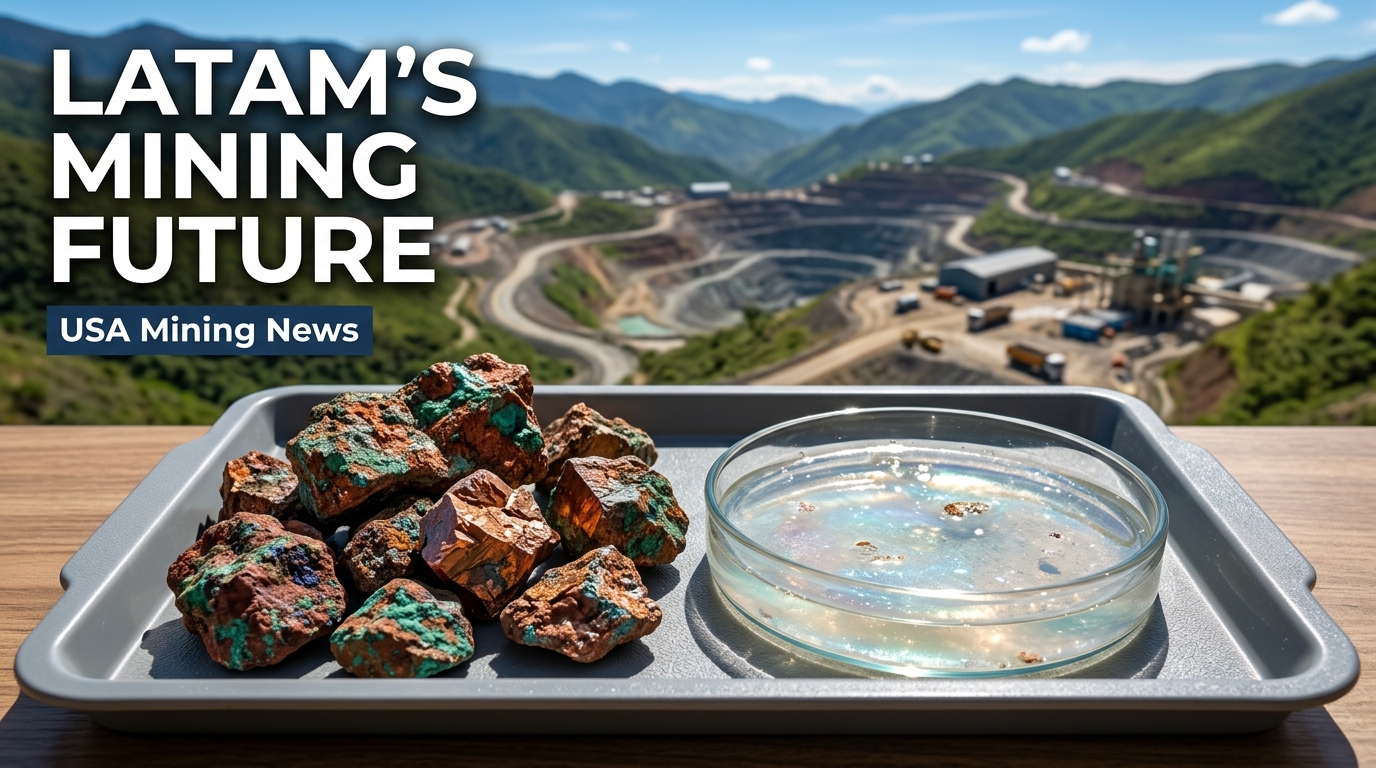
As the global economy continues its inexorable shift towards electrification and sustainable energy, the demand for foundational commodities like copper and lithium has surged, spotlighting the critical role of resource-rich regions. On July 7, 2026, an analyst comment from GlobalData underscored Latin America's reinforcing position as a central pillar in the future of mining. The region, home to some of the world's most significant mineral deposits, is experiencing a transformative boom in both copper and lithium, driven by a confluence of mature mining sectors, persistent foreign investment, and expansive infrastructure.
This evolving landscape confirms that nations such as Chile, Peru, Brazil, and Mexico remain enduring industry anchors, their established capabilities now more vital than ever. The increasing strategic importance of these metals for the global energy transition, especially for electric vehicle (EV) batteries, renewable energy infrastructure, and general electrification, means Latin America's contribution is not just substantial but increasingly irreplaceable.
The Dual Drivers: Copper's Enduring Importance and Lithium's Ascent
The current narrative surrounding Latin America's mining dominance is largely shaped by two precious metals: copper and lithium. Each plays a distinct yet equally critical role in modern industrial and technological advancement, underpinning the region’s growing strategic value.
- Copper: The Foundation of Electrification: Often referred to as "Dr. Copper" for its perceived ability to predict economic health, copper is an unparalleled conductor of electricity and heat. Its demand is intensely linked to global industrial activity and, critically, to the accelerating energy transition. Every electric vehicle, wind turbine, solar panel farm, and piece of modern electrical infrastructure relies heavily on copper wiring and components. Latin America, particularly Chile and Peru, has historically been the world's primary source of this essential metal, a position that is not only sustained but amplified by current global trends. The mature mining operations in these countries provide a stable, high-volume supply that is crucial for meeting escalating global requirements.
- Lithium: The Engine of Energy Storage: Lithium, in contrast, represents a newer frontier but one with equally profound implications. It is the core component of lithium-ion batteries, which power everything from smartphones and laptops to, most significantly, electric vehicles and large-scale grid energy storage solutions. The exponential growth in EV adoption and the urgent need for grid-scale battery storage to integrate intermittent renewable energy sources have catapulted lithium from a niche mineral to a strategic commodity. Latin America, with its vast brine deposits, particularly within the renowned "Lithium Triangle," is at the epicenter of this transformative growth, as highlighted by GlobalData’s analysis.
The convergence of strong demand for both these metals ensures Latin America's mining sector will continue to attract significant investment and global attention for decades to come.
Latin America’s Mining Anchors: A Legacy of Strength
The GlobalData analyst comment specifically identifies Chile, Peru, Brazil, and Mexico as enduring industry anchors. These countries have cultivated robust mining ecosystems over many decades, making them reliable and significant contributors to global mineral supply chains.
- Chile: The Copper Behemoth: Chile remains unequivocally the world's largest copper producer, a position it has held for many years. The country's Atacama Desert region hosts some of the world's largest porphyry copper deposits, with operations like Escondida and Collahuasi producing millions of tonnes annually. Beyond copper, Chile also possesses substantial lithium reserves, primarily in brine operations within its salt flats, providing a dual advantage in the current market.
- Peru: A Rich Mineral Endowment: Neighboring Peru stands as the world's second-largest copper producer and a significant global source of gold, silver, and zinc. Major copper mines such as Antamina, Cerro Verde, and Las Bambas underscore Peru's crucial role in the copper supply chain. Like Chile, Peru's mining sector benefits from a long history of resource development and a generally receptive foreign investment environment, despite occasional community challenges.
- Brazil: Diversified and Emerging: Brazil, the largest country in South America, boasts a highly diversified mining sector. While globally renowned for its vast iron ore production from giants like Vale, Brazil is increasingly making inroads into copper and, significantly, lithium production. Its emerging hard-rock lithium operations are attracting considerable attention and investment, positioning the country as a burgeoning force in the battery metals sector.
- Mexico: A North American Gateway: Mexico, bridging North and Central America, holds a prominent position as the world's leading silver producer and a substantial source of gold and copper. Its proximity to the North American market, coupled with existing trade agreements, makes it an attractive destination for mining investment. While traditionally focused on precious metals, Mexico is also witnessing increased exploration interest in lithium deposits, potentially adding another critical commodity to its diverse portfolio.
These four nations exemplify the region's deep-rooted mining expertise and its capacity to sustain and expand operations to meet global demand.
Lithium's Transformative Growth: Argentina and Brazil Lead the Charge
While copper production is well-established across several Latin American nations, the lithium sector is undergoing what GlobalData terms "transformative growth," with Argentina and Brazil at the vanguard of this revolution.
- Argentina: The Lithium Triangle's Cornerstone: Argentina is a cornerstone of the "Lithium Triangle," a geochemically unique region spanning parts of Argentina, Bolivia, and Chile, which collectively holds over half of the world's known lithium reserves in brine form. Companies are actively developing and expanding projects in the Argentine Puna region, leveraging the vast Salinas Grandes and other salt flats. These brine operations, while capital-intensive to establish, are often cost-effective for long-term production once operational, making Argentina a globally significant hub for future lithium supply. The influx of foreign investment into these projects is a clear indicator of the sector's potential and the global demand for battery-grade lithium carbonate.
- Brazil: Embracing Hard Rock Lithium: Brazil, particularly its Minas Gerais state, is rapidly emerging as a significant player in the hard-rock lithium segment. Unlike the brine-based production predominant in the Lithium Triangle, Brazilian operations typically extract lithium from spodumene-bearing pegmatites. This distinction allows for different processing methods and supply chain dynamics. Companies like Sigma Lithium are advancing projects that promise to deliver high-purity lithium concentrate to global markets, primarily to support the burgeoning EV battery industry. Brazil's robust existing infrastructure, developed for its diverse mining industry, provides a significant advantage for these new lithium ventures.
The rapid expansion of lithium projects in these two countries highlights Latin America's adaptability and responsiveness to the shifting demands of the global energy landscape, securing its position as a vital source for critical battery minerals.
Underlying Strengths: Pillars of Continual Growth
The enduring and expanding role of Latin America in global mining is not merely a matter of geological good fortune. It is fundamentally supported by robust, established frameworks and ongoing strategic advantages:
- Mature Mining Sectors: Decades of mining activity have fostered sophisticated regulatory frameworks, albeit sometimes complex, and developed a skilled labor force across the region. Educational institutions often offer specialized mining engineering and geological programs, feeding into a well-established ecosystem of service providers, equipment manufacturers, and logistical support companies. This maturity means that new projects often benefit from existing knowledge, infrastructure, and a local workforce familiar with the industry's demands and safety protocols.
- Strong Foreign Investment: The resource potential of Latin America has consistently attracted significant capital from international mining majors and financial institutions. This strong foreign investment brings not only essential funding for large-scale projects but also advanced technology, technical expertise, and adherence to international best practices in environmental, social, and governance (ESG) standards. The continued flow of investment underscores global confidence in the region’s mineral endowment and its capacity to deliver on project development.
- Expansive Infrastructure: Mining operations, especially large-scale ones, require massive infrastructure support. Many of Latin America's mining regions are served by extensive networks of roads, railways, ports, power grids, and water pipelines directly developed or significantly enhanced to facilitate mineral extraction and transport. These critical assets enable efficient movement of raw materials to processing plants and onwards to global markets, significantly reducing logistical hurdles and operational costs for new and existing projects. Ports along the Pacific and Atlantic coasts are particularly vital arteries for exporting concentrates and processed minerals worldwide.
These intrinsic strengths collectively create a compelling environment for sustained and expanded mining activity, making Latin America a highly attractive region for long-term resource development.
Market Implications and Global Repercussions
The reinforcing role of Latin America in copper and lithium supply has profound implications for global markets and industries. Stable and growing supply from this region is essential for:
- Global Energy Transition: The success and pace of the global shift to renewable energy and electric vehicles are heavily reliant on secure, sustainable supplies of copper and lithium. Latin America's reliable output directly enables the manufacturing of clean energy technologies and the electrification of transportation.
- Supply Chain Security: Diversifying sourcing and ensuring consistent supply are paramount for manufacturers of EVs, batteries, and electronic components. Latin America's robust production base provides a critical element of stability and resilience to these global supply chains, reducing reliance on single regions or producers.
- Economic Development: For the nations within Latin America, the mining boom translates into significant economic benefits through job creation, tax revenues, export earnings, and the development of ancillary industries. This economic impetus can fuel broader societal development and infrastructure improvements.
As geopolitical tensions can sometimes disrupt supply chains, the consistent and mature supply base in Latin America provides a crucial counterbalance, enhancing overall market stability.
Looking Ahead: Challenges and Opportunities
While the outlook for Latin America’s mining sector is overwhelmingly positive, its future trajectory will also navigate a complex interplay of challenges and opportunities. Continued exploration activity across the region is expected, driven by the strong commodity prices and global demand, potentially uncovering new, economically viable deposits.
However, the industry must remain vigilant regarding:
- Regulatory and Permitting Complexities: Mining operations in Latin America, while supported by established frameworks, often encounter evolving environmental regulations, permitting hurdles, and social license considerations. Navigating these complexities effectively requires strong stakeholder engagement and transparent operational practices.
- Environmental Stewardship: With increased scrutiny on mining's environmental footprint, especially concerning water usage and biodiversity, companies operating in the region must continue to prioritize sustainable practices and technological innovations to minimize impact and enhance corporate responsibility.
- Community Engagement: Gaining and maintaining the social license to operate remains critical. Effective engagement with local communities, ensuring benefits sharing, and addressing community concerns are essential for long-term project viability and stability.
- Commodity Price Volatility: While current prices for copper and lithium are strong, the cyclical nature of commodity markets always presents a degree of risk. Companies must build resilience through efficient operations and strategic hedging where appropriate.
The combination of rich geology, mature sectors, and strategic investment positions Latin America not just for continued relevance but for an expanded, indispensable role in the global mining industry, crucially supporting the world’s transition to a greener, more electrified future.