The global mining industry is currently navigating a period of profound transformation, driven by the accelerating energy transition, heightened geopolitical considerations surrounding critical minerals, and continuous technological advancements. Against this dynamic backdrop, the latest issue of MINE, the respected digital magazine covering the global mining sector, has been released, providing an authoritative exploration of these critical trends. Published on June 30, 2026, under the editorial direction of Alejandro Gonzalez, this edition offers deep dives into key areas shaping the future of mineral resource development, with a particular emphasis on the rapidly evolving lithium sector.
The Global Lithium Crossroads
The centerpiece of this issue is a thorough examination of the lithium sector, which, after witnessing a decade of unprecedented growth, finds itself at a significant crossroads. The demand for lithium, primarily driven by the burgeoning electric vehicle (EV) market and grid-scale energy storage solutions, has propelled it to the forefront of critical minerals. However, this aggressive expansion has also brought challenges, including price volatility, supply chain vulnerabilities, and the imperative for sustainable extraction methods.
Industry stakeholders are now grappling with how to scale production responsibly, diversify supply sources, and innovate extraction technologies to meet future demand. The current market environment, characterized by intense investment, mergers and acquisitions, and an increasing focus on national self-sufficiency in critical mineral supply, sets the stage for the detailed analyses presented by MINE. This edition provides crucial context on the global lithium mining market, offering intelligence on reserves, production figures, key assets, and upcoming projects, making it an indispensable resource for investors and industry strategists alike.
The UK's Emerging Lithium Ambition
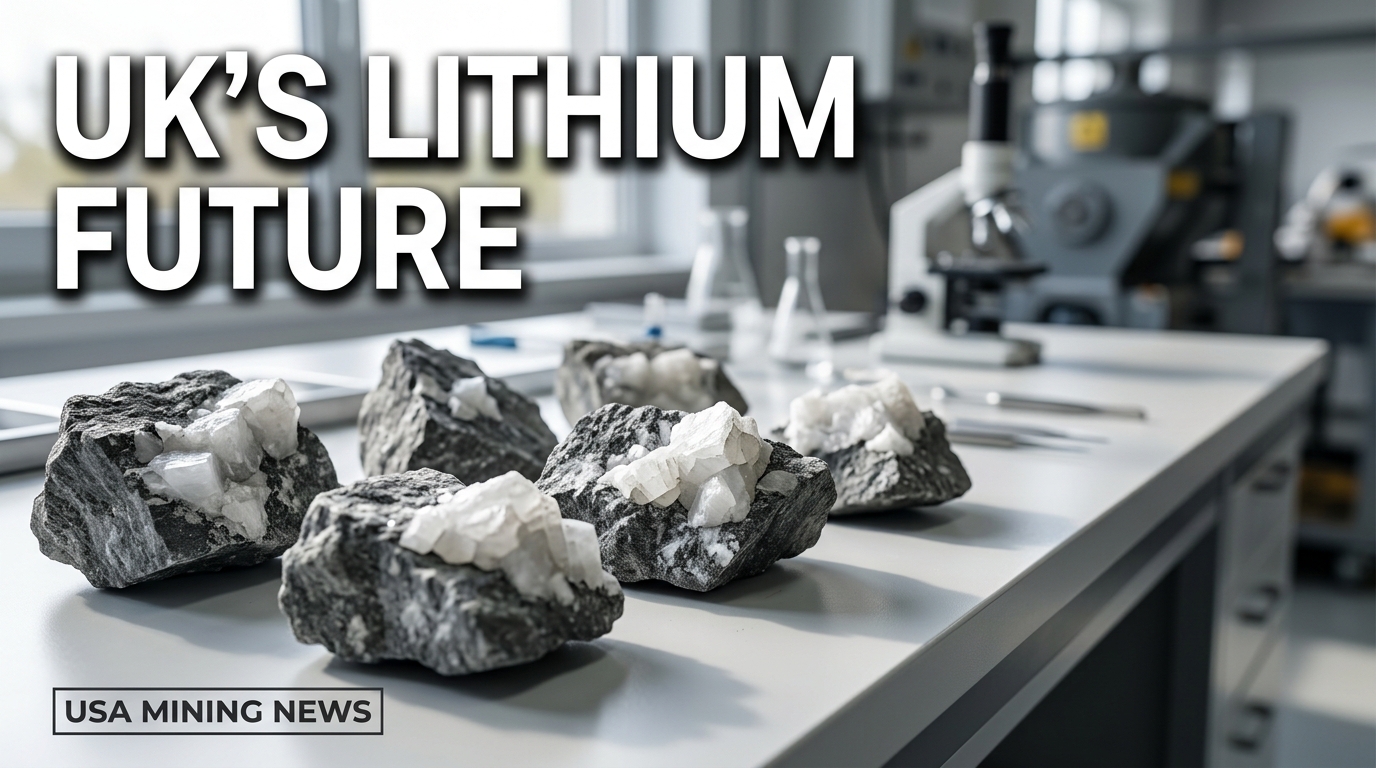
One of the most compelling narratives explored in the current issue is the UK’s ambitious push to establish a viable domestic lithium industry. Traditionally not a major mining nation in recent decades, the UK is now positioning itself to capitalize on its own critical mineral resources. The cover story meticulously investigates the potential for this industry, focusing on two key regions within the United Kingdom.
- Cornwall’s Hard-Rock Deposits: The historic mining region of Cornwall, in Southwest England, is highlighted for its significant hard-rock lithium deposits. Historically known for tin and copper mining, Cornwall possesses granite formations that are known to host lithium-enriched micas. Companies are now exploring and developing projects that aim to extract lithium from these geological formations, potentially leveraging existing mining infrastructure and expertise in the region. The article delves into the technical and economic viability of these projects, underscoring their importance for national supply security.
- Emerging Projects in County Durham: Beyond Cornwall, the magazine also examines nascent lithium projects in County Durham. While specific details on the nature of these deposits are left to the full article, their emergence signifies a broader national effort to identify and exploit diverse lithium sources. These could range from geothermal brines to other unconventional deposits, indicative of a comprehensive approach to resource assessment.
A poignant comment piece from the Cornwall Mining and Geo-Resources Alliance reinforces the critical role Cornwall will play in achieving the UK’s broader critical minerals ambitions. This alliance, composed of industry, academic, and governmental bodies, articulates the necessity of developing domestic resources to reduce reliance on international supply chains, particularly in light of global geopolitical tensions and the strategic importance of lithium for the green economy transition.
Advancements in Lithium Extraction and Mining Decarbonization
Innovation in extraction methodologies and a steadfast commitment to decarbonization represent additional key themes. The issue spotlights how the industry is adapting to new environmental and operational imperatives.
- Direct Lithium Extraction (DLE) in the US: The United States is at the forefront of pioneering direct lithium extraction technologies, which are opening new sources of supply, notably from oilfield brines. DLE processes are favored for their potential to offer a lower environmental footprint compared to traditional hard-rock mining or large-scale evaporative brine ponds. By extracting lithium directly from saline solutions, often as a byproduct of oil and gas operations or from dedicated geothermal brine sources, DLE can significantly reduce land disturbance, water usage, and chemical consumption, thus promising a more sustainable pathway for lithium production. This not only enhances resource security for the US but also presents a model for other regions seeking to develop their own unconventional lithium assets.
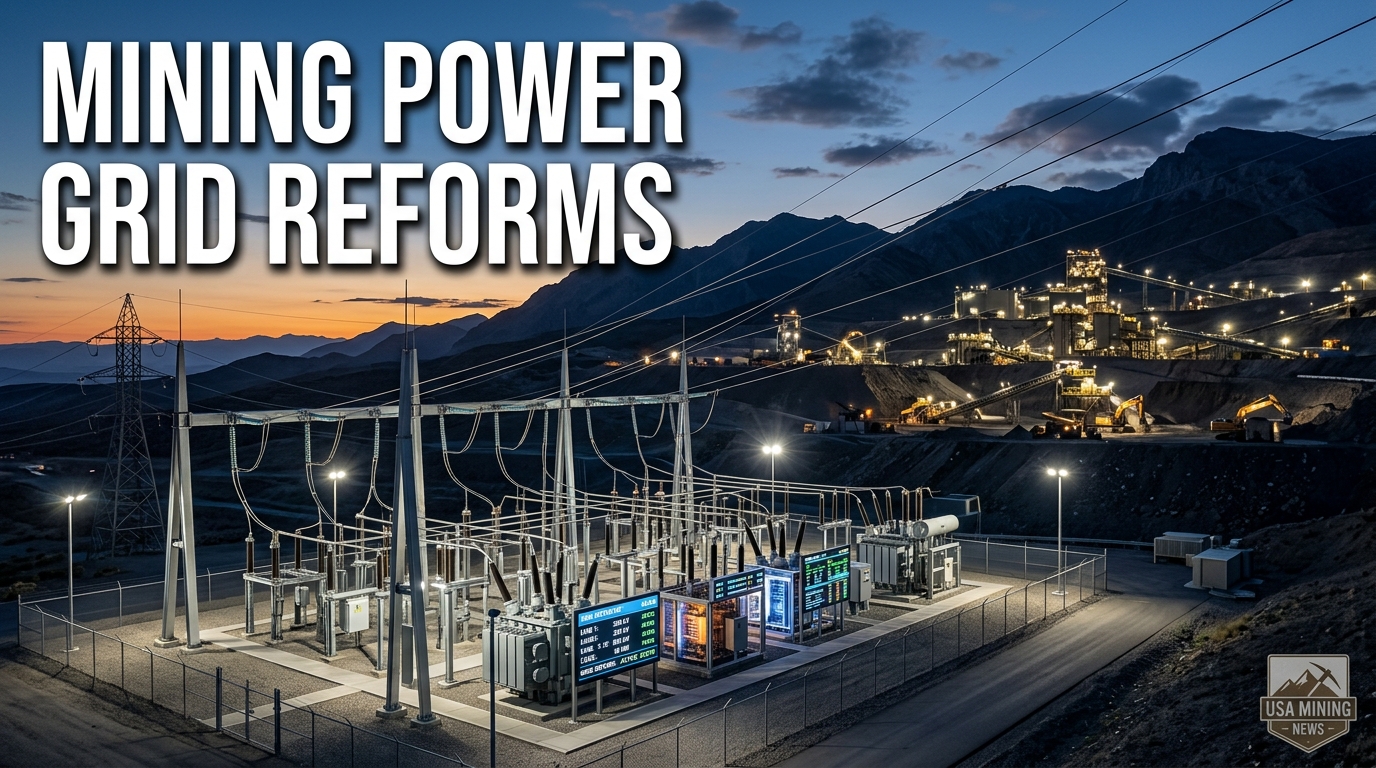
- The Growing Role of Solar Power in Mining: Decarbonization efforts within the mining sector are gaining significant momentum, with solar power emerging as a critical component. The article explores how mining operations globally are increasingly integrating large-scale solar photovoltaic (PV) installations to power their sites. This transition is driven by multiple factors, including cost savings from reduced fossil fuel consumption, improved energy security, and a strong commitment to environmental, social, and governance (ESG) principles. The adoption of solar power helps mining companies reduce their carbon footprint, meet sustainability targets, and often provides more stable and predictable energy costs in volatile energy markets.
- ABB’s Insights from Thacker Pass: Further solidifying the theme of decarbonization and technological integration, the magazine features an interview with Björn Jonsson from ABB. Jonsson shares invaluable lessons and insights gleaned from ABB’s involvement in projects like the Thacker Pass lithium project in Nevada. Thacker Pass, a significant North American lithium resource, is a prime example of modern mining integrating advanced automation, electrification, and digital solutions to enhance efficiency and sustainability. ABB’s expertise in electrification, automation, and digital solutions is instrumental in optimizing such large-scale, complex mining operations, helping to set new benchmarks for environmental performance and operational excellence in critical mineral extraction.
The Silent Battleground: Cyber Espionage and Mineral Intelligence
As critical minerals increasingly assume a national security status, the mining industry has become a new frontier for digital conflict. MINE dedicates a feature to examining how cyber espionage has evolved into the silent battleground for mining’s mineral intelligence. The article highlights that nation-states and sophisticated criminal organizations are actively targeting mining companies to gain intelligence on resource estimates, proprietary extraction technologies, market strategies, and supply chain vulnerabilities. This espionage can lead to significant economic losses, compromise competitive advantages, and undermine national security by affecting the supply of vital materials. The piece underscores the urgent need for robust cybersecurity frameworks and practices within the mining sector to protect sensitive data and operational integrity from these sophisticated threats.
Australia's Diverse Mining Landscape
The issue includes a comprehensive Australia supplement, offering a nuanced perspective on the continent’s pivotal role in global commodity markets. Australia remains a powerhouse in mining, and this supplement highlights several key developments:
- Queensland’s Metallurgical Coal Sector Post-Anglo American Exit: The supplement assesses the metallurgical coal sector in Queensland following the strategic exit of Anglo American plc. This move by a major global diversified mining company has significant implications for the regional economy, employment, and the global supply of coking coal, which is essential for steel production. The analysis explores how this departure reshapes the competitive landscape, potentially opening opportunities for other players or leading to consolidation, and considers the broader market outlook for metallurgical coal amidst global decarbonization pressures.
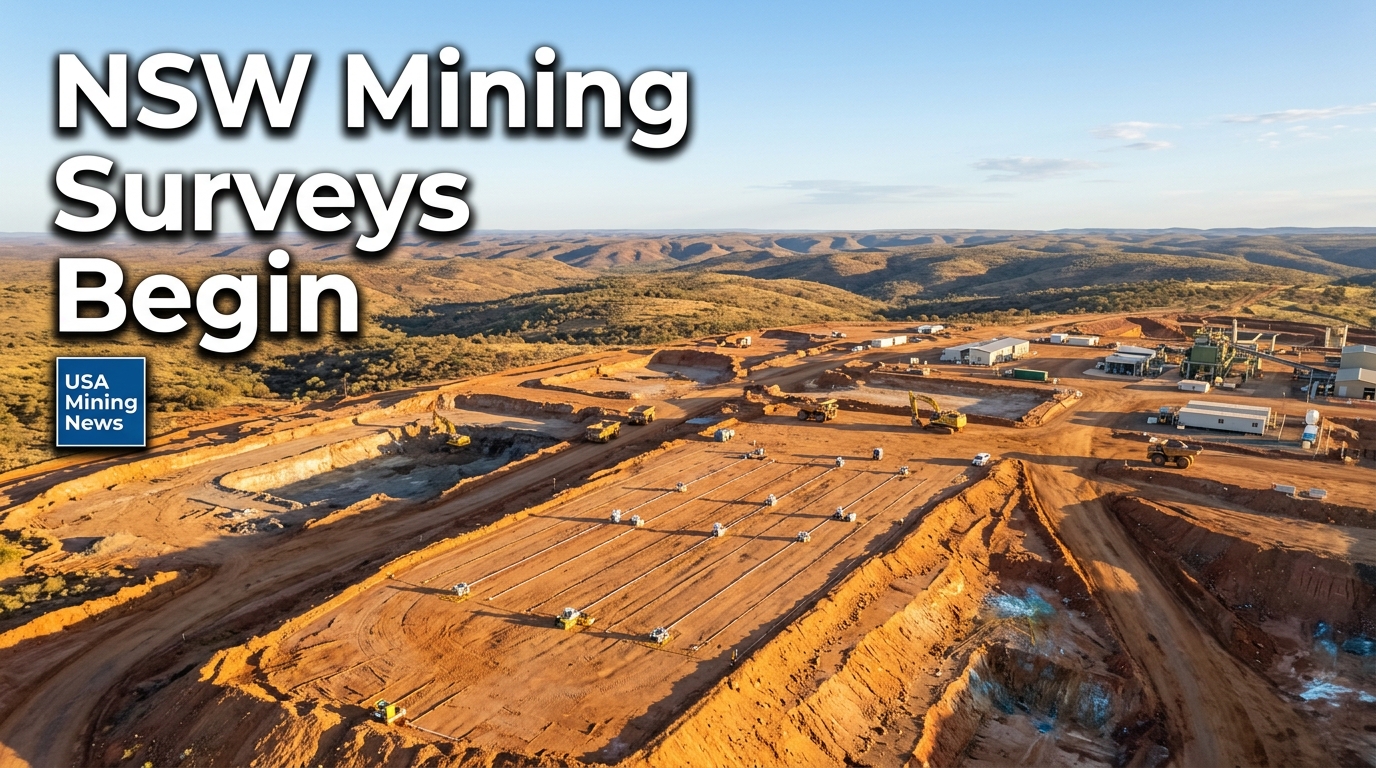
- The Push to Expand Uranium Mining in New South Wales: New South Wales, home to significant uranium deposits, is witnessing a renewed push to expand uranium mining. This development is set against a backdrop of increasing global interest in nuclear energy as a stable, low-carbon power source to meet climate goals and enhance energy security. The article delves into the regulatory frameworks, environmental considerations, and community engagement efforts surrounding potential new and expanded uranium projects in the state, offering insights into the economic and strategic rationale behind this expansion.
- TOMRA’s Ore-Sorting Technology Reshaping Lithium Production in Western Australia: Western Australia is a global leader in hard-rock lithium production, and the supplement showcases how TOMRA’s advanced ore-sorting technology is revolutionizing this sector. Ore sorting involves using sensors to detect and separate valuable minerals from waste rock early in the processing chain, before energy-intensive grinding. This technology significantly improves operational efficiency by reducing the amount of material that needs further processing, lowers energy and water consumption, and minimizes waste. For lithium mining, this translates into higher recovery rates, reduced operating costs, and a smaller environmental footprint, solidifying Western Australia’s position as an innovator in sustainable mining practices.
Future Outlook: Cobalt, Automation, and More
Looking ahead, the next issue of MINE promises to maintain its focus on strategic minerals and technological advancements. The upcoming edition will examine cobalt’s crucial strategic role in the energy transition, with a particular focus on the Democratic Republic of the Congo’s (DRC) dominance in global production and China’s significant influence across the refining and processing stages. The complexities of this supply chain, including ethical sourcing and geopolitical dynamics, will be thoroughly explored.
Furthermore, the future issue will cover a suite of transformative technologies revolutionizing mining operations, including automation, robotics, drones, and advanced fleet management systems. These technologies are crucial for improving safety, efficiency, and productivity across the mining lifecycle. The Australia supplement in the next issue will further explore mining automation, delve into vehicle technologies, and provide an updated outlook for Australia’s pivotal gold sector. The inclusion of nickel discussions underscores its growing importance in battery chemistries and stainless steel production.
The latest issue of MINE offers essential reading for anyone involved in the global mining industry, from executives and engineers to investors and policymakers. With its detailed analysis and forward-looking perspectives, it provides invaluable insights into the forces shaping the future of mineral resources. Readers are encouraged to access the full digital magazine to gain a comprehensive understanding of these critical topics and to sign up for future issues to stay abreast of the dynamic industry landscape.