WASHINGTON – In a landmark announcement on October 22, 2026, the U.S. Department of Energy (DOE) committed over $125 million to 63 tribe-led projects spanning 16 states, including Alaska. This monumental investment, involving 61 tribal entities, represents the largest single allocation in the 20-year history of the DOE’s Office of Indian Energy, underscoring a significant push towards energy independence and economic empowerment for America’s tribal communities. For the mining industry, this initiative holds profound implications, particularly in the realm of critical minerals development and the broader energy infrastructure essential for resource extraction.
Historic Investment Targets Tribal Energy Independence and Economic Development
The core objective of this substantial federal funding is to address long-standing energy challenges faced by tribal nations. By directly supporting tribe-led initiatives, the DOE aims to lower electricity costs, expand access to reliable power, and stimulate economic growth across the United States. This strategic focus is consistent with President Trump’s Executive Order, Unleashing American Energy, which emphasizes the fundamental role of energy in strengthening national and tribal economies alike.
U.S. Deputy Secretary of Energy James P. Danly reiterated the administration’s commitment, stating, “President Trump has prioritized delivering affordable, reliable, and secure energy to the American people since day one, and this administration is taking decisive action to deliver on that commitment. This historic investment will help address longstanding energy challenges facing tribal communities by lowering electricity costs, expanding access to reliable power, and creating new opportunities for economic development. We are ensuring that tribal communities have the energy resources they need to grow and prosper.”
Echoing this sentiment, DOE’s Office of Indian Energy Director Eric Mahroum highlighted the transformative nature of this funding. “With this announcement, the Office of Indian Energy is making the largest-ever single investment in tribal energy development in the office’s 20-year history,” Mahroum said. He further emphasized, “These projects represent a new and expanded direction for the Office, and for the first time, we’re supporting projects at any phase of development and with a broad set of technologies and approaches. Our goal is to support tribes to advance high-value energy projects, including large scale projects like generation, transmission, distribution, and critical mineral projects.” The explicit mention of critical mineral projects signals a direct linkage between tribal energy development and the strategic goals of the U.S. mining sector.
Strategic Pillars: Expanding Access, Building Capacity, Driving Revenue
The 63 selected projects are meticulously designed to deliver impact across three critical areas, catering to various stages of energy project development and implementation:
- Deployment and Installation (13 Projects): This category focuses on community-scale energy solutions to meet immediate needs. Specific outcomes include bringing electric service to 150 tribal homes currently without electricity, converting 500 homes and businesses to natural gas heating, and upgrading essential electrical infrastructure to ensure reliable power access. These projects directly address energy poverty and enhance basic quality of life.
- Predevelopment Activities (27 Projects): A significant portion of the investment is dedicated to foundational work required to transition energy projects from conceptualization to implementation readiness. These activities encompass a broad range of studies and assessments, including those related to Tribal Utility Authorities, electric transmission and distribution networks, comprehensive resource assessments, resiliency measures against energy disruptions, and workforce development initiatives. Such preparatory work is crucial for de-risking future large-scale ventures.
- Planning, Assessment, and Feasibility (23 Projects): This third category aims to advance large-scale tribal energy projects that hold potential for significant revenue generation and broader economic development. Activities here include identifying promising geothermal and other energy resources for supplying baseload power, establishing resilient backup power systems, and developing strategies to generate revenue through power sales. This proactive planning is vital for establishing sustainable, long-term energy economies within tribal lands.
These projects, supported through Fiscal Year 2026 and prior-year congressional appropriations, represent a multi-faceted approach to tribal energy development, addressing both immediate needs and long-term strategic growth.
The Broader Vision: "Unleashing American Energy" and Critical Minerals
The DOE’s investment aligns squarely with the broader national imperative to secure a robust and independent energy future for the United States. Tribal lands often encompass vast, untapped energy resources, including renewables like solar, wind, and geothermal, as well as conventional resources. Critically, many of these lands also host significant deposits of minerals deemed essential for modern technology and national security – the critical minerals.
Director Mahroum’s specific inclusion of "critical mineral projects" as a target for the Office of Indian Energy is a pivotal detail for the mining industry. Critical minerals such as lithium, cobalt, rare earth elements, and copper are indispensable for everything from electric vehicle batteries and renewable energy technologies to defense systems. The U.S. has a strategic interest in reducing its reliance on foreign sources for these materials, and tribal lands could play a significant role in enhancing domestic supply chains.
By empowering tribes to develop their energy infrastructure, conduct resource assessments, and establish energy generation capacities, the DOE is indirectly creating an environment more conducive to critical mineral exploration and extraction. Reliable, affordable power is a prerequisite for any significant mining operation, especially in remote areas where many critical mineral deposits are located. Furthermore, the development of Tribal Utility Authorities and robust transmission infrastructure can provide the necessary energy backbone to support future mining projects on or near tribal lands.
Implications for the Mining Sector: A Pathway to Domestic Resource Security
For mining industry professionals and investors, this DOE initiative presents several compelling opportunities and considerations:
- Enhanced Infrastructure for Exploration and Operations: The direct investment in upgrading electrical infrastructure and expanding electricity access will directly benefit potential mining ventures. Reliable power grids in historically underserved tribal regions can reduce the logistical complexities and capital expenditures associated with establishing new mines, particularly those targeting critical minerals.
- De-risking Resource Development: The 27 predevelopment projects, which include resource assessments and studies on transmission and distribution, could significantly de-risk future mining investments. Comprehensive data on energy resources and infrastructure capabilities on tribal lands can inform strategic decisions for mining companies, making these regions more attractive for exploration and development. Companies often face significant upfront costs and uncertainties related to power supply in remote areas; these DOE-funded studies can mitigate some of that risk.
- Opportunities for Partnerships: As tribes develop their own utility authorities and large-scale energy generation projects for revenue generation, there will be increased opportunities for partnerships with mining companies. Tribes could become energy suppliers, collaborators in infrastructure development, or even direct partners in mining operations. This fosters a more integrated approach to resource development, aligning tribal economic goals with national strategic interests.
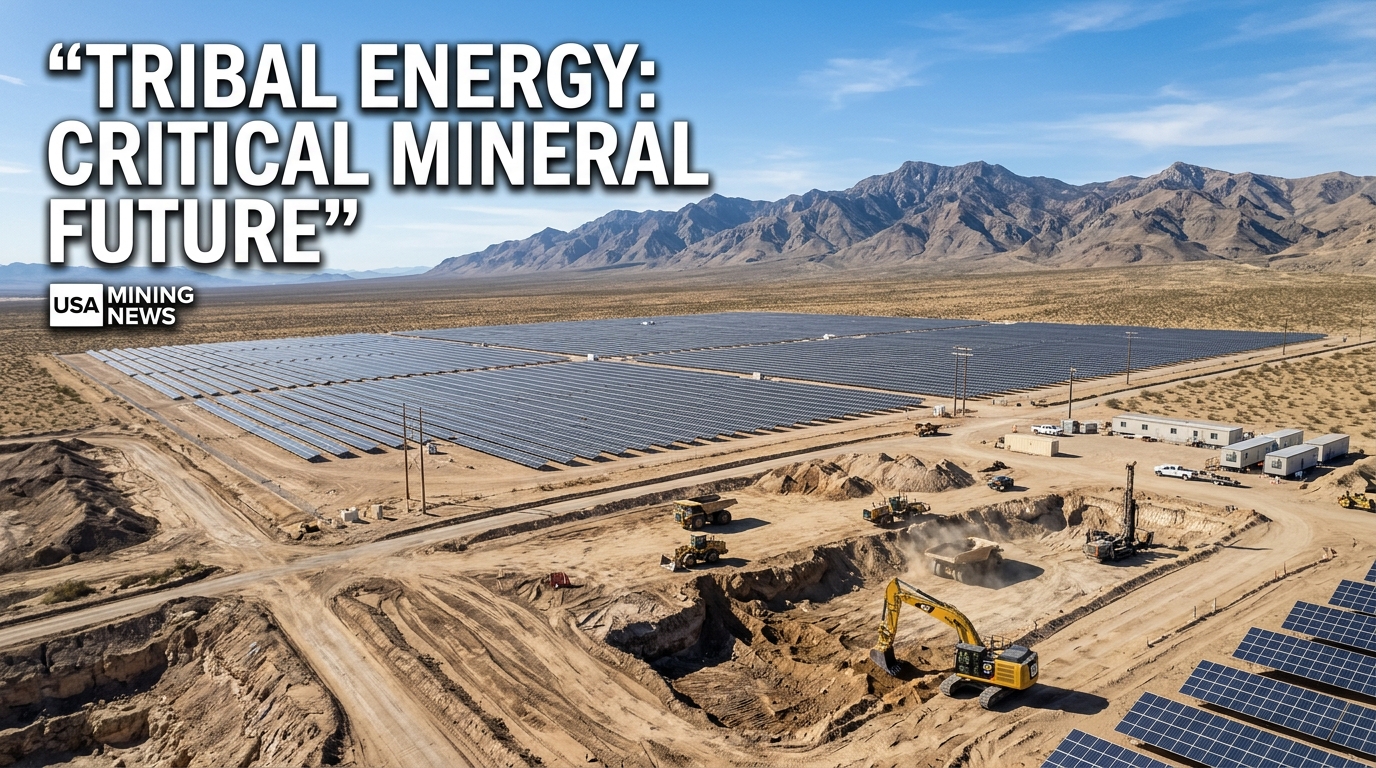
- Accelerating Critical Mineral Extraction: The explicit mention of "critical mineral projects" underscores a federal commitment to leveraging tribal assets for strategic mineral supply. This could lead to specific programs or incentives that encourage critical mineral mining on tribal lands, with the added benefit of locally developed energy solutions. For instance, a new lithium mine on tribal land could be powered by a tribally-owned solar or geothermal plant, creating a more sustainable and economically integrated operation.
- Workforce Development Synergies: The focus on workforce development within tribal communities, a component of the predevelopment projects, is also beneficial to the mining sector. A skilled local workforce can reduce recruitment costs and foster stronger community relations, which are crucial for successful mining projects. Training in electrical infrastructure, resource management, and technical fields can create a talent pool that serves both tribal energy needs and the specialized demands of modern mining.
The synergy between tribal energy independence and critical mineral development could be a powerful catalyst for bolstering U.S. domestic supply chains, reducing geopolitical vulnerabilities, and driving economic growth in regions that have historically faced significant challenges.
Navigating the Path Forward: Opportunities and Considerations
While the announcement represents a significant step forward, it is important to note the DOE's caveat: "Selection for award negotiations is not a commitment by DOE to issue an award or provide funding. Before funding is issued, DOE and the applicants will undergo a negotiation process, and DOE may cancel negotiations and rescind the selection for any reason during that time." This highlights the due diligence process that precedes the actual disbursement of funds and project commencement.
Nevertheless, the long-term outlook for this initiative is overwhelmingly positive. It signals a robust federal commitment to empowering tribal nations as key players in the national energy landscape and critical minerals strategy. For mining companies, this means a potential landscape of improved energy access, de-risked project development, and increased opportunities for mutually beneficial partnerships with tribal communities. Monitoring the progress of these 63 projects will be crucial for identifying emerging opportunities, particularly as the predevelopment and planning phases yield concrete data and actionable insights into resource potential and energy infrastructure readiness.
The convergence of energy sovereignty, economic development, and critical mineral strategy on tribal lands presents a unique and compelling frontier for the U.S. mining industry. This historic DOE investment has laid a foundational block for a future where tribal communities are not only energy self-sufficient but also pivotal contributors to America’s resource security and industrial strength.