Reviving America's Nuclear Core: DOE Closes $1.9 Billion Loan for Duane Arnold Restart
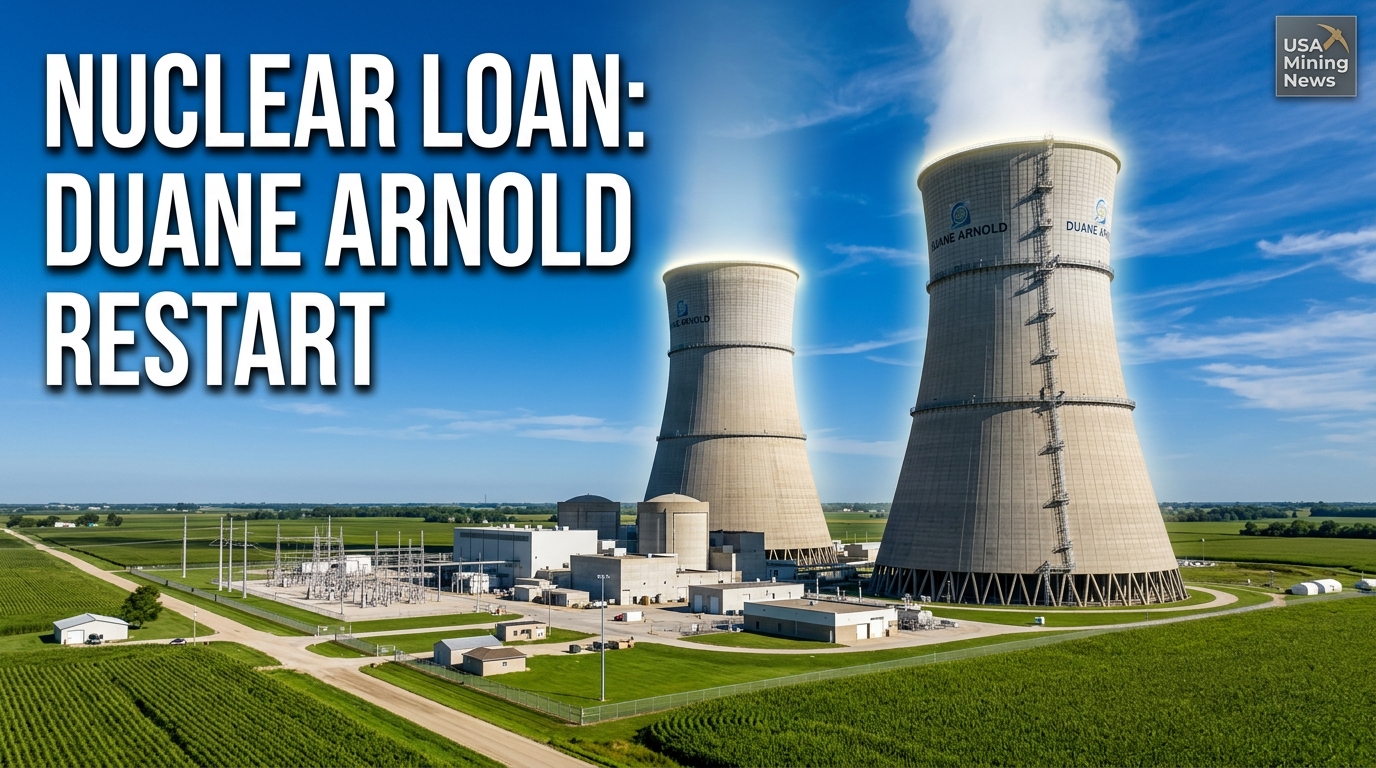
WASHINGTON, D.C. – In a decisive move poised to reshape America’s energy landscape and invigorate its nuclear industrial complex, the U.S. Department of Energy’s (DOE) Office of Energy Dominance Financing (EDF) today announced the financial close of a substantial loan. Valued at up to $1.9 billion, this critical funding has been awarded to NextEra Energy to facilitate the ambitious restart of the Duane Arnold Energy Center, strategically located in Linn County, Iowa. The announcement, made on September 8, 2026, marks a pivotal step in the broader national strategy to enhance energy reliability and independence.
This significant investment is set to resurrect Iowa’s only nuclear power plant, a facility that ceased operations in 2020. The project is a direct manifestation of President Trump's robust energy dominance agenda and the Executive Order, Reinvigorating the Nuclear Industrial Base, signaling a robust commitment to restoring American leadership in nuclear energy production. For the mining industry, this development heralds a potential resurgence in demand for critical minerals, most notably uranium, along with other essential materials required for nuclear infrastructure.
The Return of a Powerhouse: Duane Arnold's Operational Revival
The Duane Arnold Energy Center, once fully operational, will reintroduce 615 megawatts (MW) of reliable baseload power back onto the regional grid. This capacity is substantial, estimated to be sufficient to power nearly 500,000 homes, thereby addressing growing electricity demand not only within Iowa but across the broader Midwest region. Baseload power, characterized by its consistent and dependable output, is crucial for grid stability, complementing intermittent renewable sources and reducing reliance on fossil fuels.
The plant’s shutdown in 2020 created a notable void in Iowa’s energy mix. Its impending restart, pending the necessary U.S. Nuclear Regulatory Commission (NRC) licensing approvals, underscores a strategic shift towards prioritizing secure, carbon-free energy sources. This initiative is not merely about reactivating a power plant; it represents a reaffirmation of nuclear energy’s indispensable role in a diversified, resilient national energy strategy.
Strategic Drivers: Energy Dominance and Nuclear Renaissance
The decision to finance the Duane Arnold restart is deeply embedded within a comprehensive federal strategy. U.S. Deputy Secretary of Energy James P. Danly emphasized the administration's vision: “President Trump has set an ambitious course to restore American nuclear leadership, and the restart of Duane Arnold Nuclear Plant in Iowa marks another step in advancing America’s nuclear renaissance.” He further highlighted the broader economic and strategic benefits: “Returning 615 megawatts of reliable baseload generation will drive down electricity costs, while supporting thousands of American jobs. This Administration is pursuing a comprehensive nuclear strategy, restarting existing reactors, increasing the output of our nuclear fleet, and accelerating new construction, to build the abundant, affordable, and reliable power system required for American prosperity and reindustrialization.”
The Office of Energy Dominance Financing, under the leadership of Director Gregory A. Beard, has been instrumental in executing this agenda. Director Beard affirmed, “President Trump called for a nuclear renaissance, and the Department of Energy is delivering. Duane Arnold is exactly the kind of investment that will help restore American nuclear leadership, strengthen our energy security, and deliver the affordable, reliable power Americans need to fuel our nation’s future.” This statement underscores the multifaceted objectives behind the loan: enhancing national security through energy independence, ensuring grid reliability, and fostering economic growth.
Economic Impact and Job Creation
The restart project is projected to deliver significant economic benefits. During the construction phase, it is expected to generate nearly 1,500 American jobs. Once operational, the plant will sustain more than 450 jobs, contributing to local employment and regional economic stability. These figures represent not just direct employment but also ripple effects across supporting industries, including construction, engineering, manufacturing, and, crucially, the mining sector. The demand for skilled labor and specialized expertise will also be a key driver for workforce development in related fields.
DOE's Broader Nuclear Strategy and EDF's Role
The Duane Arnold loan is not an isolated event but rather a component of a larger, aggressive push by the DOE to expand American nuclear energy capabilities. The EDF, specifically tasked with financing critical energy infrastructure, has played a pivotal role in this initiative. With today’s closing for Duane Arnold, the EDF has now financed three nuclear plant restarts and completed four concurrent conditional commitments and financial closings under the Trump Administration. This track record demonstrates a clear and consistent federal strategy to deploy capital rapidly to bring more American energy resources online, reinforcing a commitment to nuclear power as a cornerstone of the nation’s energy future.
Implications for the Mining Industry: Fueling the Nuclear Renaissance
For professionals and investors in the mining sector, the resurgence of nuclear power, epitomized by the Duane Arnold restart, carries profound implications. The most direct impact will be on the demand for uranium, the primary fuel source for nuclear reactors. A sustained federal commitment to expanding nuclear capacity, through restarts and potential new construction, signals a long-term demand curve for uranium that could incentivize increased domestic exploration and production.
- Uranium Demand: Each operational nuclear reactor requires a continuous supply of enriched uranium fuel. Historically, the U.S. has relied heavily on imported uranium. A burgeoning "nuclear renaissance" could shift this paradigm, potentially revitalizing American uranium mining operations, particularly those employing in-situ recovery (ISR) methods or conventional hard-rock mining. Mining companies with existing permits or advanced exploration projects in states like Wyoming, Texas, and New Mexico would find renewed strategic interest.
-
Critical Materials for Infrastructure: Beyond uranium, nuclear power plants require vast quantities of other mined commodities for their construction, maintenance, and ongoing operations. These include:
- Steel and Concrete: Massive amounts are needed for reactor containment, support structures, and ancillary buildings, directly impacting demand for iron ore, limestone, and other aggregates.
- Specialized Alloys: Components within the reactor core and associated systems demand high-performance alloys incorporating metals such as nickel, chromium, zirconium, and various rare earth elements, which are vital for control rods and other critical parts.
- Copper: Extensive electrical systems, cabling, and heat exchangers within the plant require significant quantities of copper.
- Graphite and Boron: Used in specific reactor designs and for neutron absorption, these materials are also critical.
- Investment and Exploration: The clear signal of governmental support for nuclear energy is likely to attract fresh investment into the mining sector, particularly for companies focused on these essential commodities. This could spur new exploration ventures, accelerate project development, and potentially lead to a more diversified and secure domestic supply chain for the nuclear industry.
Future Outlook and Challenges
While the financing for Duane Arnold represents a significant stride, the path to full operational restart involves several critical steps. Obtaining the required U.S. Nuclear Regulatory Commission (NRC) licensing approvals is paramount, a process known for its rigorous safety standards and comprehensive review timelines. Beyond regulatory hurdles, challenges remain in areas such as skilled workforce development, managing public perception, and ensuring robust supply chain logistics for specialized components and fuel.
Nevertheless, the DOE’s consistent financing of nuclear restarts and its stated commitment to expanding the U.S. nuclear fleet present a compelling long-term opportunity for the mining industry. As the nation seeks to enhance its energy security, achieve decarbonization goals, and ensure grid stability, nuclear power is poised to play an increasingly central role. This trajectory necessitates a strong, resilient, and domestically capable mining sector to provide the foundational materials, making the Duane Arnold restart a bellwether event for both energy and mining professionals alike. The stage is set for a symbiotic relationship, where the revival of nuclear energy directly catalyzes growth and innovation across the American mining industry.