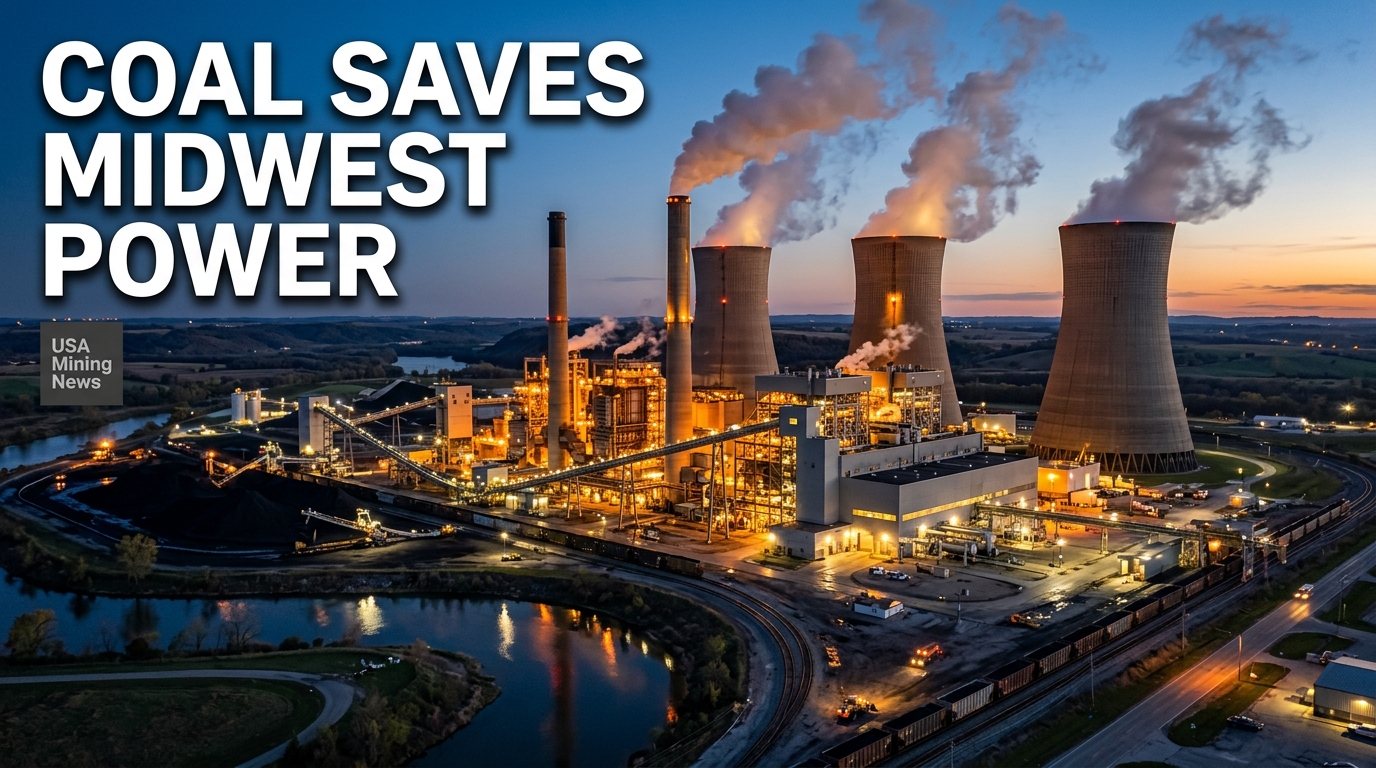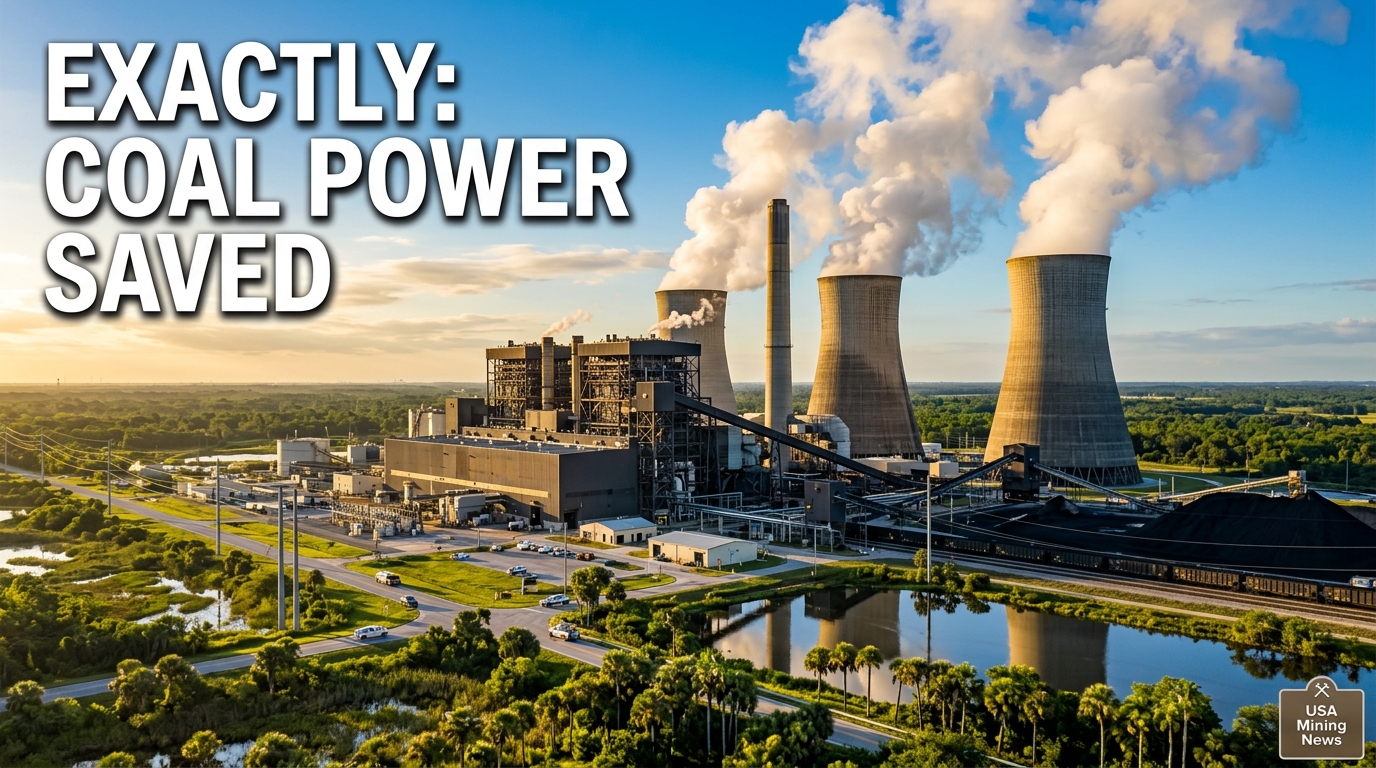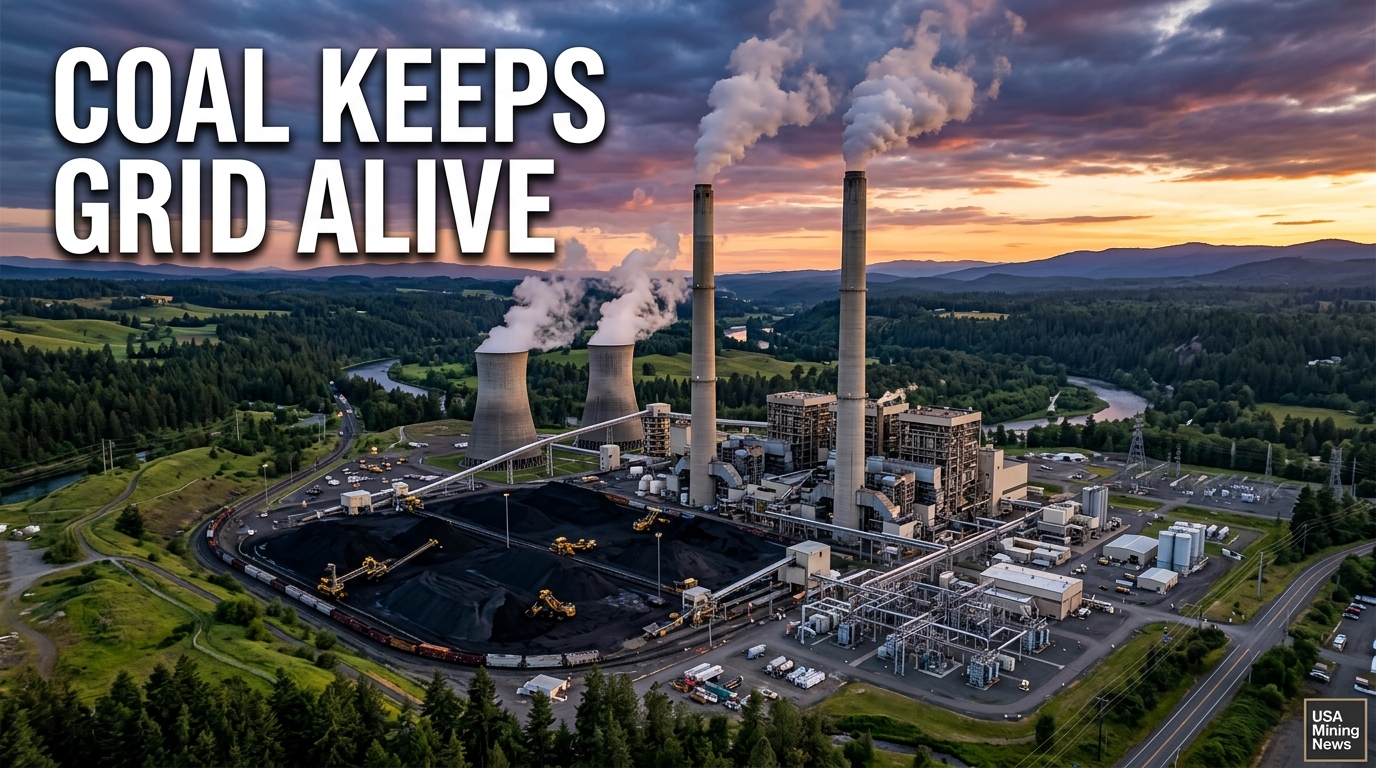
Emergency Order Keeps Centralia Coal Plant Online, Underscoring Pressing Grid Reliability Concerns in U.S. Northwest
WASHINGTON D.C. – The United States Department of Energy (DOE) announced a critical intervention on June 12, 2026, with U.S. Secretary of Energy Chris Wright issuing an emergency order to preserve coal-fired power generation in the Pacific Northwest. This directive mandates TransAlta Centralia Generation LLC to ensure that Unit 2 of the Centralia Generating Station, a pivotal coal-fired facility located in Centralia, Washington, remains available for operation. The unit had been slated for decommissioning at the close of 2025, a plan now temporarily stalled to avert potential energy crises during peak summer demand.
Secretary Wright emphasized the gravity of the decision, stating, “Taking reliable generation off the grid compromises energy reliability and needlessly raises energy costs for Americans. During peak summer demand, Northwesterners deserve continued access to affordable, reliable, and secure energy to power and cool their homes.” This move by the DOE underscores a growing national concern over grid stability and resource adequacy, signaling a renewed appreciation for existing base-load generation capacity, particularly that provided by coal.
The Emergency Order and its Immediate Impact
The emergency order, effective from June 15, 2026, through September 12, 2026, specifically targets Unit 2 of the Centralia Generating Station. This three-month extension of operations is a direct response to urgent regional grid reliability issues identified by federal and independent energy authorities. For the immediate future, it ensures that a significant source of power, which generated an impressive average of approximately 340,000 MWh per month in 2025 according to U.S. Environmental Protection Agency data, will continue to supply the Western Electricity Coordinating Council (WECC) Northwest region. Such an output is vital for managing demand fluctuations and preventing costly and disruptive blackouts across homes and businesses in Washington and surrounding states.
The decision to halt Centralia Unit 2’s planned retirement, even temporarily, reflects a pragmatic approach to energy policy, prioritizing immediate grid stability and affordability over predetermined energy transition timelines. This is particularly relevant for the mining industry, as it demonstrates continued governmental recognition of coal's essential role in ensuring a resilient energy supply, despite broader efforts towards decarbonization.
Addressing Northwestern Grid Vulnerabilities
The Pacific Northwest, while rich in hydroelectric resources, faces escalating challenges in meeting its growing electricity demand. The North American Electric Reliability Corporation’s (NERC) 2025 Long-Term Reliability Assessment provided stark warnings, assessing the WECC Northwest region as being at a "high risk of energy shortfalls over the next five years." NERC’s assessment specifically noted that "rapid forecasted demand growth is driving the need for more resources" and that "periods of unserved energy are projected for both summer and winter." This alarming forecast provides the crucial backdrop for the DOE's emergency order.
The WECC, responsible for coordinating and promoting bulk electric system reliability and security in the western United States, faces a complex balancing act. Expanding populations, the proliferation of data centers, and the electrification of transportation and industry are all contributing to unprecedented demand growth. Concurrently, the retirement of thermal generation plants, often replaced by intermittent renewable sources, has created a widening gap in firm, dispatchable capacity. Without adequate backup or storage, these shifts can leave the grid vulnerable, especially during extreme weather events or periods of low renewable output. The Centralia plant, as a coal-fired facility, offers dispatchable, 24/7 power, a critical attribute for grid operators.
The Role of Coal in Grid Stability
The preservation of Centralia Unit 2 aligns with a broader national trend referenced by Secretary Wright, where “coal plants across the country are being saved from premature retirement and reversing plans to shut down.” In 2025 alone, more than 17 gigawatts (GW) of coal-powered electricity generation were reportedly saved from going offline. This represents a substantial portion of the nation’s total generating capacity and signals a recalibration of energy policy amidst escalating reliability concerns.
For the U.S. mining industry, particularly the thermal coal sector, these actions are keenly watched. The continued operation of such plants provides a direct demand signal for mined coal, supporting jobs in extraction, processing, and transportation. Coal, as a domestically abundant resource, offers energy independence and safeguards against geopolitical instabilities that can affect imported fuels. While long-term energy transition plans are advancing, the continued reliance on coal for grid stability, even on a temporary basis, highlights the complexities of moving away from established generation sources without fully developed, reliable alternatives.
Economic and Reliability Imperatives for American Consumers
The core motivation behind the DOE's emergency order is to minimize “the risk and cost of unnecessary blackouts” for "hardworking American families and businesses." Power outages carry substantial economic consequences, disrupting industrial operations, commerce, and daily life. For the mining industry, a reliable power supply is non-negotiable. Mining operations, from massive open-pit mines to underground facilities, are energy-intensive, requiring continuous, stable power for everything from heavy machinery and ventilation systems to processing plants and safety infrastructure. Unplanned outages can lead to significant production losses, equipment damage, and serious safety hazards.
Furthermore, the DOE’s Resource Adequacy Report projects a stark future if the U.S. continues to retire reliable power sources without adequate replacement: power outages could surge by 100 times by 2030. This alarming forecast underscores the critical need for a balanced energy portfolio that prioritizes resource adequacy. For industries that depend on consistent power, such as mining and manufacturing, the economic impact of such outages would be catastrophic, far outweighing the operational costs associated with maintaining existing facilities like Centralia.
Implications for the U.S. Mining Sector
The decision to keep the Centralia Generating Station's Unit 2 online, even temporarily, has direct and indirect implications for the U.S. mining sector. Primarily, it provides a direct boost to demand for thermal coal. Mining companies, which have faced significant headwinds over the past decade due to the retirement of coal-fired power plants, see these types of orders as a crucial, albeit short-term, reprieve.
- Sustained Demand for Coal: Each operating coal plant translates directly into demand for mined coal. While an order for a single unit over a few months might not fundamentally shift long-term investment strategies, it provides stability for existing contracts and supply chains.
- Policy Signal: Such government interventions signal a policy environment that, at least in the short to medium term, recognizes the indispensable role of coal in maintaining grid reliability. This provides some assurance for coal producers and their investors, who are constantly weighing regulatory risks against market opportunities.
- Investment and Infrastructure: For coal companies and associated logistics providers (railroads, ports), maintaining existing infrastructure becomes more viable when there's a renewed, even if temporary, commitment to coal-fired power.
- Workforce Considerations: Jobs within the coal mining sector and related industries are directly impacted. Preserving operations like Centralia helps to stabilize employment in an industry that has faced significant job losses.
This situation also highlights the ongoing debate within the mining sector: how to balance the need for energy security and economic stability (often supported by traditional fuel sources) with the global push towards decarbonization and sustainable mining practices. The Centralia order suggests that the transition will be neither linear nor swift, and that coal will continue to play a strategic role in energy security for the foreseeable future.
Looking Ahead: A Broader Energy Policy Debate
While the emergency order for Centralia Unit 2 provides immediate relief, it also underscores the broader, evolving energy policy landscape in the United States. The temporary nature of this order, extending only through September 12, 2026, suggests that while coal remains a vital asset for grid stability during critical periods, the long-term trajectory for these plants is still under review.
The challenge lies in managing a complex energy transition that aims to decarbonize the grid while simultaneously ensuring reliability, affordability, and security. The experience in the Northwest, as highlighted by NERC’s assessments, indicates that the pace of renewable energy deployment and the development of energy storage solutions may not yet be sufficient to fully compensate for the strategic retirement of conventional thermal power plants, especially during peak demand periods. This balancing act will continue to shape decisions made by energy regulators, utility companies, and, by extension, the mining industry.
The mining sector must closely monitor these policy developments. Shifts in federal and state energy policies, incentives for carbon capture technologies, and advancements in energy storage could all influence the long-term viability and demand for thermal coal. The Centralia decision serves as a powerful reminder that energy security, particularly during periods of extreme weather and high demand, remains a paramount concern for policymakers, capable of temporarily re-shaping established energy transition plans.
In conclusion, the decision to keep Centralia Generating Station Unit 2 online is a direct response to a clear and present threat to grid reliability in the U.S. Northwest. For the U.S. mining industry, it represents a tangible example of coal’s continued, albeit contested, role in ensuring the nation’s energy security. As the U.S. navigates its complex energy future, the tension between environmental goals and immediate reliability imperatives will continue to define the operational landscape for both power generators and the mining companies that supply them.