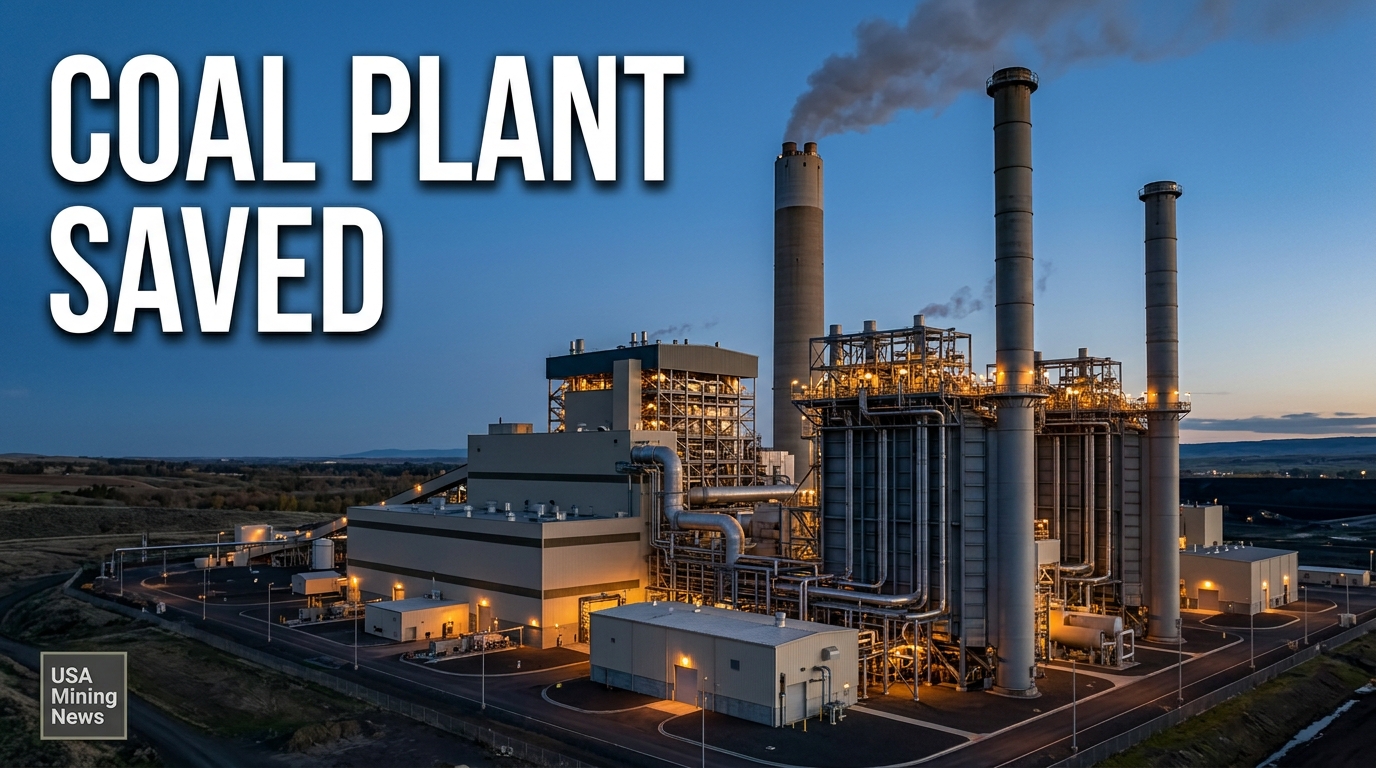
WASHINGTON, D.C. – In a decisive move to safeguard grid stability across the Northwestern United States, U.S. Secretary of Energy Chris Wright on September 11, 2026, issued an emergency order mandating the continued operation of Unit 2 of the Centralia Generating Station. This coal-fired power plant, located in Centralia, Washington, and operated by TransAlta Centralia Generation, LLC, was originally slated for decommissioning at the close of 2025. The Department of Energy’s (DOE) intervention highlights escalating concerns over critical electricity supply shortfalls, particularly during periods of extreme demand, and signals a strategic shift in federal energy policy under the current administration.
Emergency Order Aims to Bolster Grid Stability in the Northwest
The emergency order directly instructs TransAlta Centralia Generation, LLC to ensure that Unit 2 of its Centralia Generating Station remains operational. This directive is not a permanent reversal of the plant's long-term shutdown plans but rather a temporary measure, coming into effect on September 13, 2026, and extending through December 11, 2026. The action is explicitly designed to address what the DOE describes as "critical grid reliability issues" pervasive across the Northwestern region of the United States. The Centralia plant has historically played a significant role in providing baseload power to the region, contributing to the overall stability of the Western Electricity Coordinating Council (WECC) grid, which manages electricity flow across 14 U.S. states, two Canadian provinces, and a portion of northern Baja California, Mexico.
Secretary Wright emphasized the administration's stance, stating, "America needs more reliable power, not less, and today’s order will help ensure reliable electricity generation remains available to help address periods of peak demand." This sentiment underscores a broader policy objective to ensure a robust and resilient energy infrastructure capable of meeting the nation's electricity needs, particularly as weather patterns become more unpredictable and demand fluctuates. The Centralia Generating Station, despite its scheduled retirement, is now deemed indispensable for maintaining regional reliability and mitigating the risk of widespread power outages that could pose significant threats to public health and safety.
Addressing Critical Reliability Concerns
The necessity of the emergency order stems from elevated reliability risks within the WECC-Northwest region. Industry experts and grid operators have increasingly voiced concerns about the cumulative impact of retiring conventional baseload generation, such as coal and nuclear plants, without adequate replacement capacity that offers similar dispatchability and fuel security. The DOE’s own Resource Adequacy Report provides a stark assessment, detailing how the "premature retirements of reliable generation resources increase the risk of power outages." This report forms a crucial evidentiary basis for the Secretary's decision, illustrating the department's analytical backing for prioritizing existing infrastructure in the face of perceived reliability gaps.
Extreme weather events, which have become more frequent and severe in recent years, place immense stress on the electricity grid. Heatwaves drive up demand for air conditioning, while cold snaps lead to increased heating loads, both pushing existing generation and transmission infrastructure to its limits. In such scenarios, the steady, dispatchable power provided by facilities like Centralia Unit 2 becomes invaluable, offering a critical buffer against potential blackouts. The decision to keep the unit online reflects a proactive strategy to avoid the catastrophic consequences of grid failure, which can range from economic disruption to compromised emergency services and, as Secretary Wright noted, potentially "saved lives."
The Broader Policy Landscape: "Energy Addition" and Coal's Resilience
Secretary Wright’s announcement is deeply rooted in the Trump Administration’s overarching energy policy, characterized by a commitment to what it terms "energy addition." This philosophy represents a direct repudiation of prior "misguided energy subtraction policies" that the administration claims led to the premature closure of essential power generation facilities. The goal is to expand Americans' access to "affordable, reliable, and secure electricity," aligning with a broader strategy of energy independence and leveraging domestic resources.
The administration has frequently highlighted its efforts to prevent the early retirement of coal-fired power plants across the country. A key statistic cited by Secretary Wright underscores this commitment: in 2025 alone, "more than 17 gigawatts of coal-power electricity generation were saved from going offline" due to the Trump Administration’s leadership. This figure represents a significant portion of the U.S. coal fleet and illustrates the impact of federal policy on the operational lifespan of these assets. For an industry that has seen consistent decline over the past two decades, this signals a period of strategic support aimed at preserving existing baseload capacity.
The policy emphasis on retaining coal generation contrasts sharply with the broader market trends and environmental pressures that have driven many utilities to transition away from coal in favor of natural gas and renewable sources. However, the administration's position underscores a belief that coal, despite its environmental footprint, remains a critical component of a diversified and resilient energy portfolio, particularly for its attributes of fuel security, on-demand dispatchability, and established infrastructure.
Implications for the Mining Industry: A Lifeline for Coal?
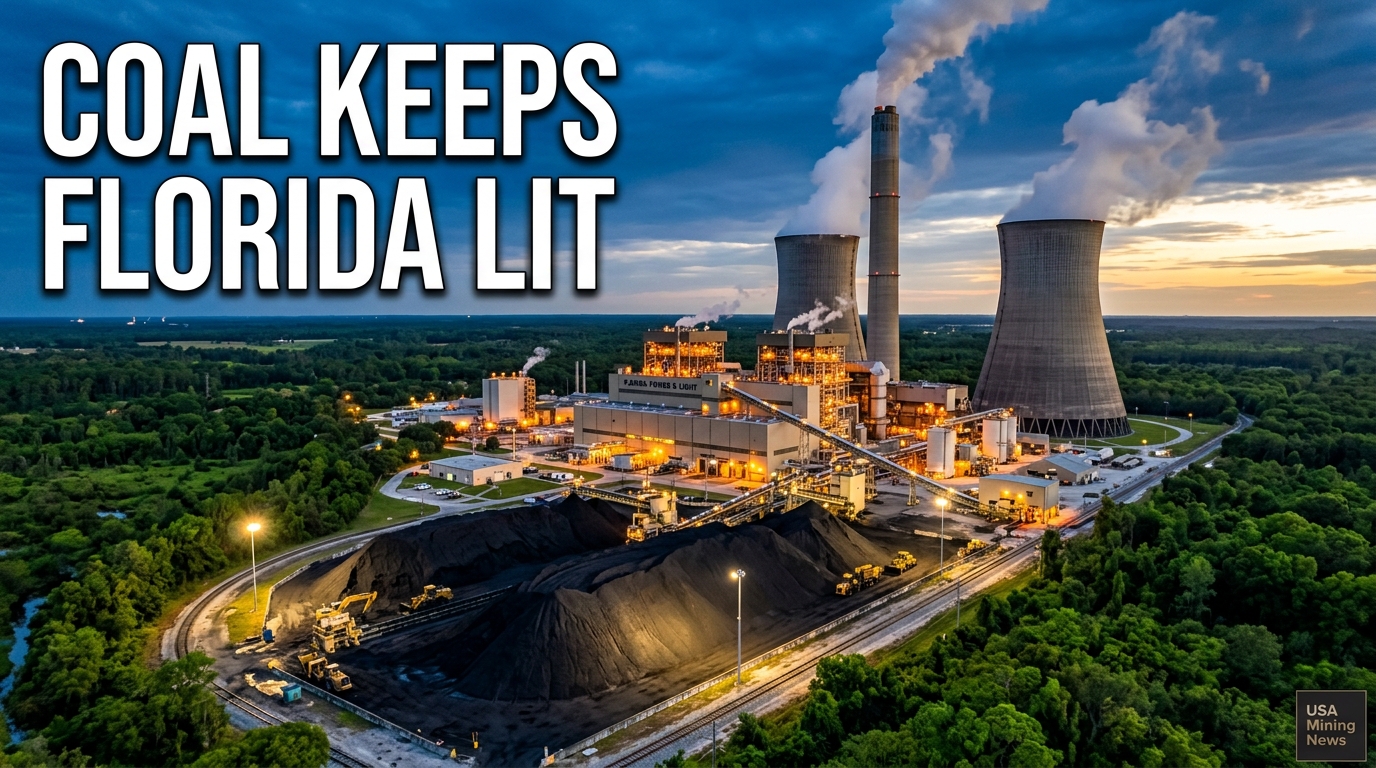
For the U.S. mining industry, particularly thermal coal producers, this emergency order for the Centralia Generating Station offers a critical, albeit temporary, ray of hope. The decision directly impacts the demand for thermal coal, which has faced severe headwinds from regulatory burdens, environmental opposition, and intense competition from cheaper natural gas and increasingly cost-effective renewable energy sources. The Centralia plant, originally scheduled for full retirement by the end of 2025, represents a significant consumer of thermal coal. Keeping Unit 2 operational for an additional three months means continued demand for hundreds of thousands of tons of coal that would otherwise not be needed.
While the order is for a limited duration, its symbolic weight is considerable. It reinforces the administration’s stated policy of preventing the "premature retirement" of coal assets, which could influence utilities and state regulators to reconsider or delay further plant closures in other regions facing similar reliability concerns. For mining companies struggling with declining volumes and market share, any action that extends the operational life of a coal-fired power plant translates directly into sustained, if not increased, demand for their product. This provides a temporary boost to revenues, supports employment in mining communities, and allows for potential strategic adjustments within the sector.
Furthermore, the Secretary's mention that "coal generating plants across the country are being saved from premature retirement" indicates that the Centralia situation is not an isolated incident but part of a broader federal strategy. This could create a more stable, albeit potentially short-lived, outlook for domestic thermal coal producers, particularly those operating in the Western and Midwestern U.S. who supply to regional power grids. It’s important to distinguish this from metallurgical coal, which is used in steelmaking and faces different market dynamics; the Centralia plant exclusively consumes thermal coal for electricity generation. This federal intervention injects a degree of unpredictability into an industry that has largely been resigned to a steady decline, offering a potential reprieve for some operations.
Operational and Technical Details of Centralia Unit 2
The Centralia Generating Station is a significant facility in the Pacific Northwest’s energy landscape. While the specific electrical generation capacity of Unit 2 was not provided in the DOE's announcement, its continued availability is deemed critical to regional grid stability. Coal-fired power plants, by their nature, offer several operational advantages that are highly valued for grid reliability:
- Baseload Power: They are designed to operate continuously at a stable output, providing a consistent supply of electricity regardless of weather conditions or time of day.
- Dispatchability: Operators can increase or decrease their output on demand, providing crucial flexibility to balance grid fluctuations.
- Fuel Security: Coal can be stockpiled on-site, providing a secure fuel supply that is less susceptible to disruptions from pipelines or intermittent weather events affecting renewable generation.
- Grid Inertia: The large rotating turbines in coal plants contribute physical inertia to the grid, which helps stabilize frequency and prevent cascading failures during disturbances.
TransAlta Centralia Generation, LLC, as the operator, is now tasked with ensuring that Unit 2 not only remains available but also operates effectively during this emergency period. This involves maintaining fuel supplies, ensuring operational readiness, and adhering to environmental regulations while fulfilling the DOE's mandate. The plant has been a long-standing fixture in Washington State, and its temporary reprieve underscores the technical challenges of replacing its unique operational contributions with alternative energy sources in a compressed timeframe.
Future Outlook and Market Impact
The emergency order, effective for roughly three months, raises pertinent questions about the long-term future of the Centralia Generating Station and other similar facilities across the U.S. Will this temporary measure pave the way for a more permanent extension, or is it merely a stopgap until more robust alternatives can be deployed? The current administration's stance suggests a willingness to continue these interventions if reliability concerns persist.
For the broader energy market, this action highlights the ongoing tension between decarbonization goals and the immediate imperative of grid reliability. While investment in renewable energy and battery storage continues to accelerate, the challenges of integrating intermittent power sources and ensuring sufficient firm capacity remain significant. The Centralia order serves as a stark reminder that the transition to a lower-carbon energy system is complex and may require pragmatic, short-term solutions to maintain essential services.
Mining investors and coal producers will be watching closely to see if similar emergency orders are issued for other plants. Such actions could signal a more durable, albeit still contested, role for thermal coal in the U.S. energy mix, at least for the foreseeable future. The short-term reprieve for Centralia Unit 2 underscores that while the energy landscape is undeniably shifting, traditional baseload power, including coal, retains a critical role in times of grid vulnerability, presenting an intriguing dynamic for the mining sector and the nation's energy future.