U.S. Department of Energy Intervenes to Secure Mid-Atlantic Grid Amid Extreme Heat Forecast
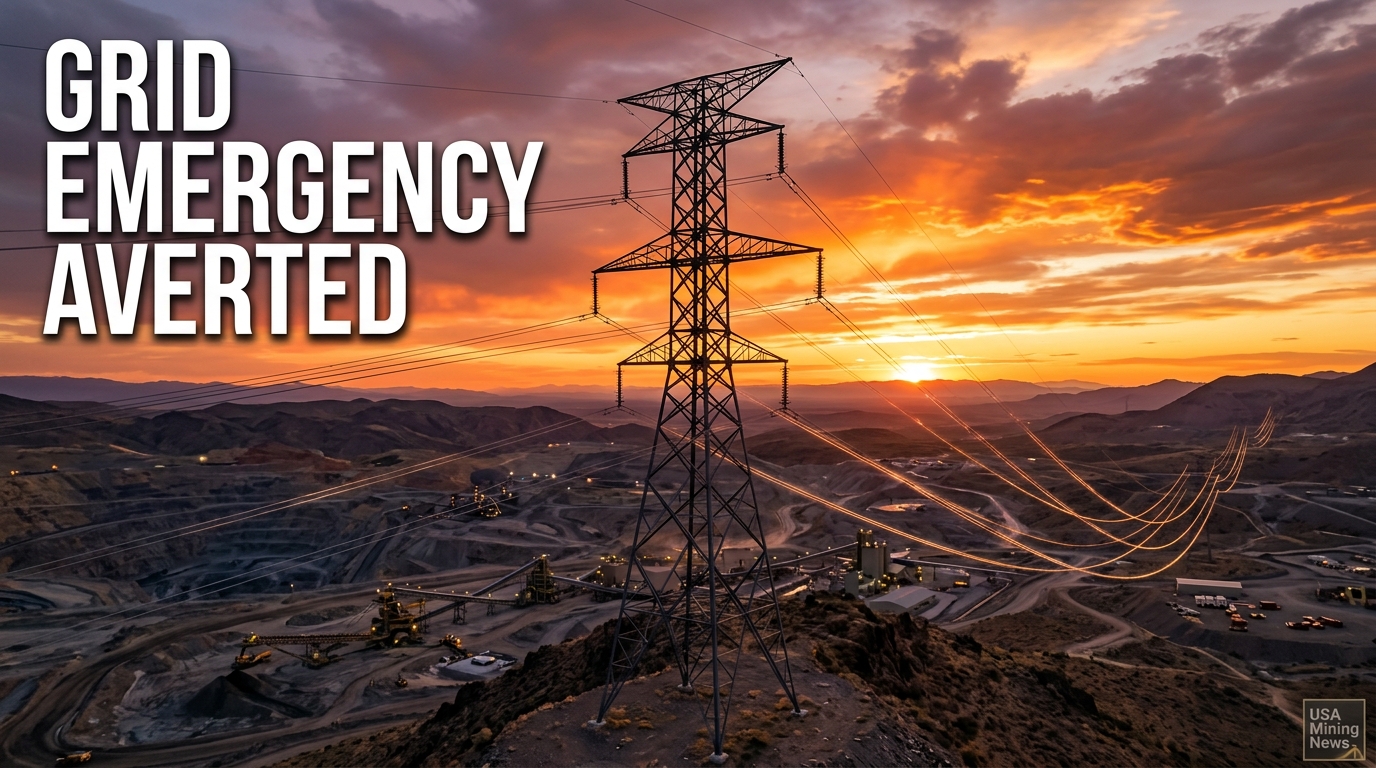
WASHINGTON D.C. – The indispensable infrastructure underpinning the nation’s economy, namely its electrical grid, once again faced an imminent threat this week, prompting decisive action from federal authorities. On June 30, 2026, the U.S. Department of Energy (DOE) took extraordinary measures, issuing two emergency orders designed to stabilize the Mid-Atlantic grid and mitigate the significant risk of widespread blackouts. These directives were a proactive response to forecasts predicting record-breaking peak electricity loads across the region, driven by an anticipated period of intense hot weather.
The imperative for such intervention underscores a persistent challenge for industrial sectors, including mining, which rely fundamentally on an uninterrupted and economically viable power supply. These emergency orders, effective from 11:59 PM EDT on June 30, 2026, until 11:59 PM EDT on July 3, 2026, were a direct outcome of applications submitted by PJM Interconnection, LLC (PJM) on June 27 and June 29, 2026, reflecting the independent system operator’s real-time assessment of escalating grid vulnerability.
Addressing Grid Reliability: The DOE’s Emergency Directives
The two emergency orders issued by the DOE outline a two-pronged approach to shore up the Mid-Atlantic grid’s resilience during this critical period. Both directives specifically target PJM Interconnection, LLC, the regional transmission organization that coordinates the movement of wholesale electricity in all or parts of 13 states and the District of Columbia.
The first order explicitly directs PJM to dispatch specified generation units and to mandate their operation as needed to maintain overall grid reliability. This power to compel generation represents a significant federal intervention, typically reserved for circumstances where conventional market mechanisms and operational protocols are deemed insufficient to prevent a catastrophic grid failure. The specified units are presumed to be a mix of power plants, likely including those typically operating at lower capacities or those on standby, whose full activation is now deemed essential to meet the surge in demand.
The second order grants PJM, in close collaboration with its Transmission Owners and Electric Distribution Companies, the authority to direct backup generation resources into operation. This measure is positioned as a “last resort” option, to be exercised strategically either immediately before declaring an Energy Emergency Alert (EEA) 3 or during the progression of an EEA 3. An EEA 3 typically signifies that operating reserves are at critical levels, requiring firm load shedding (i.e., rolling blackouts) to prevent a total system collapse. The activation of backup generation sources – which can range from industrial self-generation facilities to municipal power units – provides an additional layer of defense against such widespread disruptions.
U.S. Secretary of Energy Chris Wright emphasized the administration’s commitment to energy security, stating, “Maintaining affordable, reliable, and secure power in the PJM service territory is non-negotiable.” Secretary Wright also drew a direct connection to previous energy policies, asserting, “The previous administration’s energy subtraction policies weakened the grid, leaving Americans more vulnerable during events like this. Thanks to President Trump’s leadership, we are reversing those failures and using every available tool ensuring Americans in the Mid-Atlantic have continued access to affordable, reliable, and secure energy to power and cool their homes.” This statement underscores the political dimension often intertwined with critical infrastructure management and highlights current policy objectives.
Contextualizing Grid Stress: The Broader Energy Landscape
The immediate threat of blackouts in the Mid-Atlantic is not an isolated incident but rather a symptom of broader vulnerabilities within the national energy infrastructure. The DOE estimates that over 35 gigawatts (GW) of unused backup generation capacity remains available nationwide, suggesting that while significant capacity exists, its deployment and integration into the primary grid system for emergency response are critical for stability. These backup sources include a diverse array of assets, often distributed across various industrial and commercial facilities, which, when properly coordinated, can provide crucial flexibility during peak demand events.
President Trump, on his first day in office, declared a national energy emergency, citing the "Biden administration's energy subtraction agenda" as leaving the grid increasingly susceptible to blackouts. This political narrative frames the current DOE actions as a necessary course correction to fortify national energy security.
Further statistical validation of the grid's seasonal vulnerabilities comes from the North American Electric Reliability Corporation’s (NERC) 2026 Summer Reliability Assessment. This authoritative report explicitly identifies the summer season as the period when peak electricity demand in the PJM region typically occurs. Significantly, the NERC assessment also notes that “if extreme high temperatures are experienced, PJM anticipates the need for demand-response resources to help reduce load.” Demand-response programs involve large industrial and commercial users voluntarily reducing their electricity consumption during peak periods in exchange for financial incentives, thereby alleviating stress on the grid. Mining operations, given their substantial power requirements, are often key participants in such programs.
The economic repercussions of power outages are substantial, with data from DOE’s National Laboratories indicating that power outages cost the American economy approximately $44 billion annually. These figures encompass not only direct damages but also lost productivity, spoiled goods, and disruptions to essential services. Thus, the DOE’s emergency orders are not merely about maintaining comfort but are also critical for safeguarding economic stability and societal function in the Mid-Atlantic region.
Implications for the Mining Industry
For the mining industry, these emergency measures and the underlying concerns about grid stability carry profound implications. Mining operations are inherently energy-intensive, requiring substantial, reliable, and affordable power for everything from excavation and material handling to crushing, grinding, processing, and ventilation. Any disruption to the power supply can lead to:
- Production Halts: Immediate cessation of operations, leading to lost output and revenue.
- Equipment Damage: Power fluctuations or sudden shutdowns can damage sensitive electrical and mechanical equipment, incurring significant repair or replacement costs.
- Safety Risks: Underground mining operations are particularly vulnerable, with power loss affecting ventilation, lighting, and emergency systems, posing serious safety hazards to personnel.
- Increased Operating Costs: Uncertainty in power supply can drive up electricity prices, directly impacting mining’s operational expenditures. Furthermore, the need for backup generation or participation in demand-response programs, while beneficial for the grid, often carries its own set of costs or operational inconveniences for the mine.
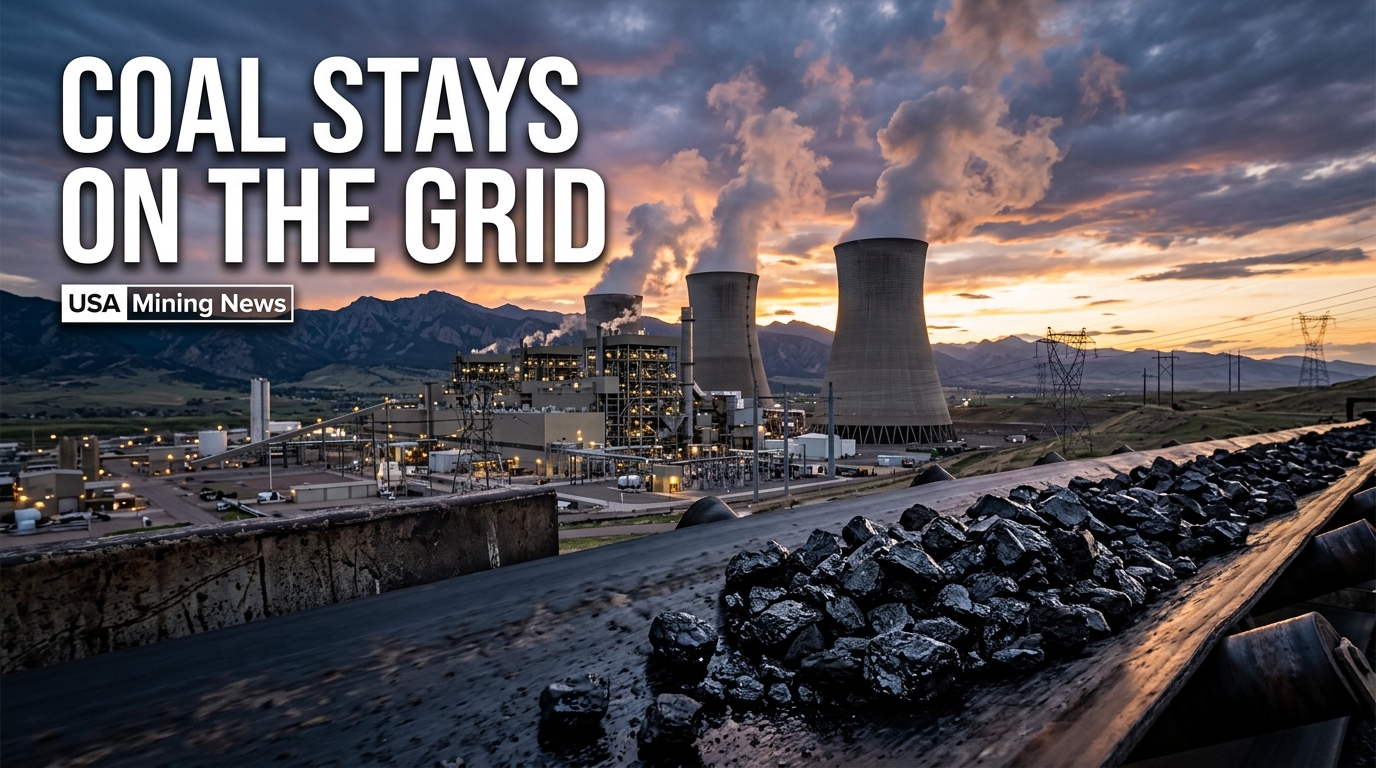
The reliance on “specified units” and “backup generation resources” also highlights the continued importance of a diverse energy portfolio, including baseload power generation often derived from coal, natural gas, and nuclear sources – commodities that the mining sector extracts or supports. As grid operators face increasing pressures during peak demand, the need for dispatchable power, irrespective of its source, becomes paramount.
Furthermore, discussions around grid hardening, modernization, and resilience, spurred by events like this, feed directly into demand for mined materials. Copper for new transmission infrastructure, specialized earths for advanced grid technologies, and various minerals for energy storage solutions (e.g., lithium, nickel for batteries) are all critical inputs that the mining industry supplies. Instability in the grid thus translates into a potential impetus for increased investment in the very resources that mining provides.
Future Outlook and Strategic Considerations
While the DOE’s emergency orders are a short-term palliative, in effect for only three days, they serve as a stark reminder of the ongoing challenges facing the U.S. electrical grid. The long-term outlook necessitates sustained investment in both generation and transmission infrastructure, alongside advancements in grid management technologies.
For mining companies, this incident reinforces the importance of strategic energy planning. This may include:
- On-Site Generation: Investing in localized power generation, such as natural gas turbines, solar arrays with battery storage, or even small modular reactors, to reduce reliance on the main grid.
- Energy Storage Solutions: Deploying battery energy storage systems (BESS) to buffer against price volatility and temporary grid outages, and to participate more effectively in demand-response programs.
- Demand-Side Management: Implementing sophisticated energy management systems to optimize consumption, allowing for load shedding during peak periods with minimal impact on production.
- Advocacy for Robust Grid Policies: Engaging with policymakers to advocate for balanced energy policies that prioritize grid reliability, expand transmission capacity, and support diverse energy generation sources.
The Mid-Atlantic grid emergency is a microcosm of a national challenge. As extreme weather events become more frequent and energy demands continue to grow, the dialogue surrounding grid resilience, energy policy, and critical infrastructure investment will only intensify. For the mining industry, a steady and affordable supply of power is not merely a convenience but a fundamental prerequisite for sustained operation, safety, and global competitiveness.