USA Mining News – October 15, 2026 – The latest edition of MINE, the esteemed digital magazine for the global mining industry, has been released, providing an in-depth exploration of the forces currently reshaping mineral supply chains and operational methodologies worldwide. This October 2026 issue arrives at a critical juncture, addressing how escalating geopolitical tensions, evolving international trade relationships, and persistent technological innovation are collectively driving significant transformations across the sector. Spearheaded by an announcement from Alejandro Gonzalez, the publication promises a detailed look into challenges and opportunities spanning critical minerals, bulk commodities, and operational efficiencies.
The global mining landscape is perpetually in flux, a dynamic environment where resource security, operational resilience, and environmental stewardship are increasingly paramount. The insights offered in this issue of MINE are particularly pertinent for mining professionals, investors, and policymakers navigating an era defined by strategic competition and rapid technological evolution. From the resurgence of European critical mineral projects to the intricate ballet of global commodity trade, the magazine offers timely analyses that underscore the industry's adaptability and foresight.
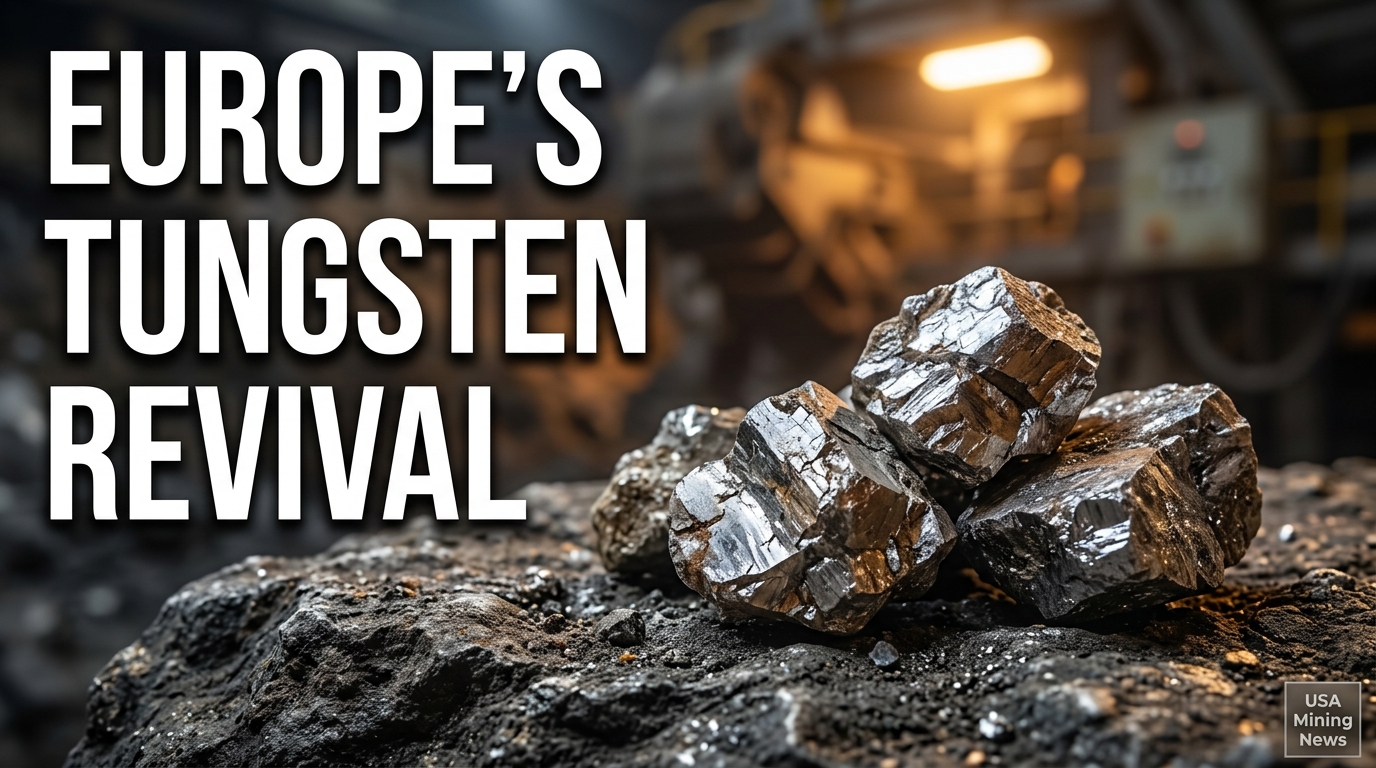
Europe's Tungsten Revival: A Strategic Imperative
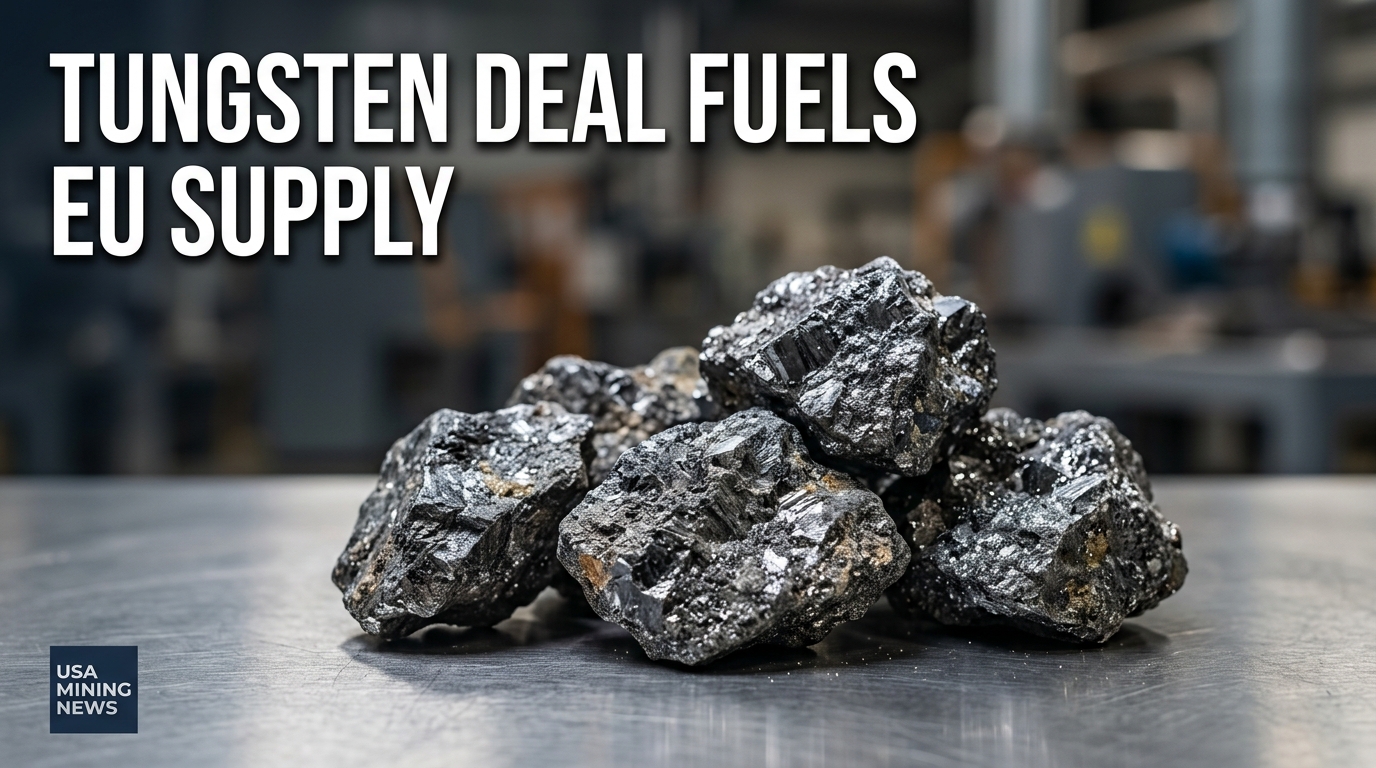
One of the central themes examined in the October edition is the strategic imperative behind Europe's tungsten revival. The continent is actively responding to the dual pressures of global export controls and the urgent need to diversify its supply sources for this critical mineral. Tungsten, known for its exceptional hardness and high melting point, is indispensable in a vast array of industrial applications, including aerospace, defense, electronics, and high-speed cutting tools. Historically, China has dominated the global tungsten market, making global supply chains susceptible to geopolitical shifts and trade restrictions.
The drive for European self-sufficiency is a direct consequence of these vulnerabilities. The article in MINE explores how various European tungsten projects are gaining traction, spurred by both market demand and governmental strategic initiatives. This includes examining potential re-starts of dormant mines or the development of new extraction and processing facilities. While specific project details are not elaborated in the announcement, GlobalData, a key industry intelligence provider, highlights reports on projects such as the Barruecopardo Tungsten Project and the Mercedes Tungsten Mine. These types of initiatives represent concrete steps towards re-establishing a robust domestic supply chain for a mineral vital to European industrial strength and national security. For mining companies and investors, understanding the regulatory and financial incentives supporting these projects, alongside the technical challenges of bringing them online, will be crucial.
Navigating Shifting Iron Ore Geopolitics
Beyond critical minerals, the October MINE issue also tackles the complex dynamics influencing the global iron ore supply chain. A significant focus is placed on the impact of heightened tensions around the Strait of Hormuz. This narrow maritime chokepoint, through which a substantial portion of the world's seaborne oil and a considerable volume of other commodities, including iron ore, passes, is perennially sensitive to geopolitical instability. Any disruption in this vital artery can send ripples through global commodity markets, affecting shipping costs, delivery times, and ultimately, the profitability of mining operations and steel producers worldwide.
In parallel, the magazine investigates China's evolving iron ore procurement strategy. As the world's largest consumer of iron ore, China's buying patterns have profound implications for major producers, particularly Australia. The article examines how China’s strategic shifts, potentially driven by a desire for greater supply diversification or enhanced domestic resource utilization, are compelling Australian producers to reassess their market strategies. This could involve exploring new markets, investing in downstream processing, or re-evaluating production volumes. The implications extend beyond just prices, touching upon long-term investment decisions, infrastructure development, and bilateral trade relationships between key producing and consuming nations.
Advancing Mining Operations: Automation and Efficiency
The drive for operational excellence and sustainability continues to be a cornerstone of modern mining, and the October MINE issue dedicates significant coverage to these areas. One segment features Professor Steve Schafrik, who delves into the intricate balance between machine consistency and human judgment in the context of underground automation. As mining operations increasingly embrace robotics and autonomous systems, particularly in hazardous underground environments, understanding this dynamic is critical. Automation promises enhanced safety, increased productivity, and reduced operational costs, but the nuanced decision-making capabilities of experienced human operators remain invaluable, especially in unforeseen circumstances or complex geological conditions. Schafrik's insights likely offer a pragmatic perspective on integrating human expertise with technological prowess to achieve optimal outcomes.
Further enhancing operational efficiency, Fernando Romero-Lage of TOMRA Mining contributes an analysis on sensor-based sorting and its profound impact on grinding efficiency. Sensor-based sorting technologies allow for the pre-concentration of ore before it enters the energy-intensive grinding circuit, thereby reducing the volume of material that needs to be crushed and milled. This not only significantly lowers energy consumption—a major operational cost and carbon footprint contributor—but also improves overall recovery rates. Complementing this, Steve Benyo of Flottweg underscores that effective mineral processing is fundamentally dependent on deploying the right technology in the right place, emphasizing tailored solutions over generic approaches to maximize extraction and minimize waste.
Disruptions in the Global Coal Market
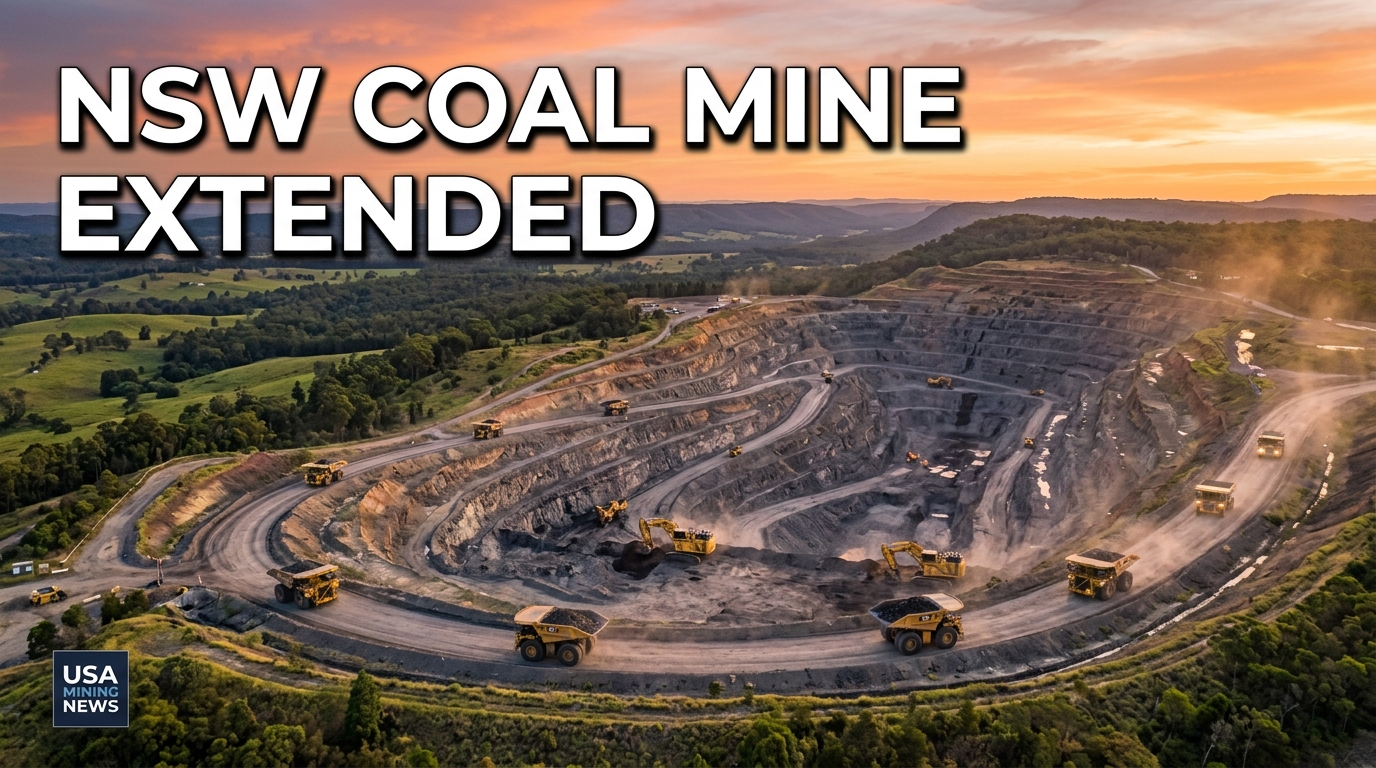
The global coal market, a sector under constant scrutiny amidst the accelerating energy transition, is also a key focus of the October MINE issue. GlobalData provides an in-depth analysis of the significant disruptions faced by coal markets and paints an uncertain outlook for 2027. This uncertainty stems from a confluence of factors, including fluctuating global energy demand, increasingly stringent environmental regulations, pressure from renewable energy alternatives, and geopolitical influences affecting supply and trade routes. While many developed nations are rapidly phasing out coal power, demand in some developing economies remains robust, creating a complex and fragmented global market. The report likely offers projections on pricing, production volumes, and trade flows, providing vital intelligence for stakeholders with interests in thermal and metallurgical coal.
Australia's Evolving Mining Landscape
A dedicated Australian supplement within the October MINE issue provides a granular view of the challenges and innovations shaping one of the world's preeminent mining jurisdictions. The supplement highlights several critical areas:
- Copper Recovery from Mining Waste: This segment explores advanced technologies and strategies aimed at extracting valuable copper from historical or ongoing mining waste streams. Such initiatives are crucial for resource efficiency, environmental remediation, and transitioning towards a more circular economy in mining.
- Technologies Targeting Lower Energy and Water Consumption: Given Australia's arid climate and the energy-intensive nature of mining, the focus on technologies that reduce both energy and water usage is paramount. This includes innovations in dry processing, desalination, and advanced process control systems.
- Reshaping Australia’s Manganese Sector: The supplement delves into the forces influencing Australia's manganese industry. This involves addressing challenges associated with ageing mines, which often present higher operational costs and complex logistics. Furthermore, it examines processing constraints within Australia and how changing global trade policies are impacting the sector. Manganese is a critical component in steel production and increasingly important for battery technologies, making the stability and efficiency of its supply chain a global concern.
These insights collectively paint a picture of an Australian mining industry that, while resource-rich, is actively innovating to remain competitive and sustainable in a rapidly changing global environment. Understanding these regional dynamics is vital for international investors and technology providers looking to engage with the Australian market.
Future Outlook and Industry Relevance
The October 2026 issue of MINE serves as an invaluable resource for mining industry professionals, investors, and analysts seeking to stay abreast of the complex forces shaping the sector. The comprehensive coverage, from strategic critical mineral supply chains to operational efficiencies and commodity market dynamics, underscores the interconnectedness of global mining. The magazine’s commitment to providing detailed, fact-grounded analysis is evident in its focus on geopolitical implications, technological advancements, and regional market specificities. As the industry continues to evolve, publications like MINE play a crucial role in disseminating the knowledge and insights necessary for informed decision-making and strategic planning. Readers are encouraged to access the full digital magazine online and consider signing up for daily news round-ups to further enhance their industry intelligence.