In a landscape increasingly defined by complex energy dynamics and geopolitical shifts, California stands as a significant case study in the intersection of policy, production, and national security. The Golden State, once a titan of domestic oil production, has seen its energy independence erode over decades due to a series of state-level policy decisions. These actions have not only driven energy costs to unprecedented highs for its residents but have also dramatically increased its reliance on foreign oil, creating vulnerabilities that extend to national security, particularly impacting over 30 U.S. military installations within the state.
However, recent federal directives signal a pivot, as the administration of President Trump actively intervenes to recalibrate California’s energy trajectory. This intervention, highlighted by the U.S. Department of Energy, aims to bolster in-state production, reduce foreign dependency, and alleviate the economic burdens faced by Californians. This development holds significant implications for the broader U.S. energy sector, including the mining industry which underpins much of the nation’s infrastructure and resource extraction capabilities.
California's Energy Conundrum: Policy-Driven Costs and Economic Strain
California consistently bears the unenviable distinction of having the highest energy prices in the United States. This situation is not an accidental market aberration but, as detailed in an April 8, 2026, fact sheet from Energy.gov, a direct consequence of years of policy choices that have stifled domestic energy production. These elevated costs have placed a considerable strain on the state’s economy and its residents.
- Electricity Prices: California households face electricity prices averaging 30.29 cents per kilowatt-hour (kWh), a stark contrast to the national average of 17.45 cents/kWh. This burden has intensified dramatically, with the state’s average electricity price having increased by a staggering 96% since 2014.
- Gasoline Prices: Drivers in California contend with the highest gasoline prices nationwide, largely due to a combination of the highest taxes and fees on motor gasoline. According to a 2026 CBS News investigation, state-specific costs, including extremely high gas taxes, fees, and so-called “green new scam surcharges,” constitute 55% of the price of every gallon of gasoline sold. At 70.9 cents per gallon in taxes and fees, Californians pay over twice the national average. Furthermore, the state mandates a special, proprietary fuel blend, which can only be produced by a limited number of refineries, thereby further inflating prices due to restricted supply and increased production costs.
The economic impact of these policies goes beyond household utility bills and fuel pumps. A 2026 U.C. Berkeley study concluded that California’s policies have created an exceptionally high cost of living, contributing to the state having the highest adjusted poverty rate in the nation. This demonstrates a direct correlation between stringent energy policies and the economic well-being of the population.
The Unraveling of Domestic Production and Escalating Foreign Dependence
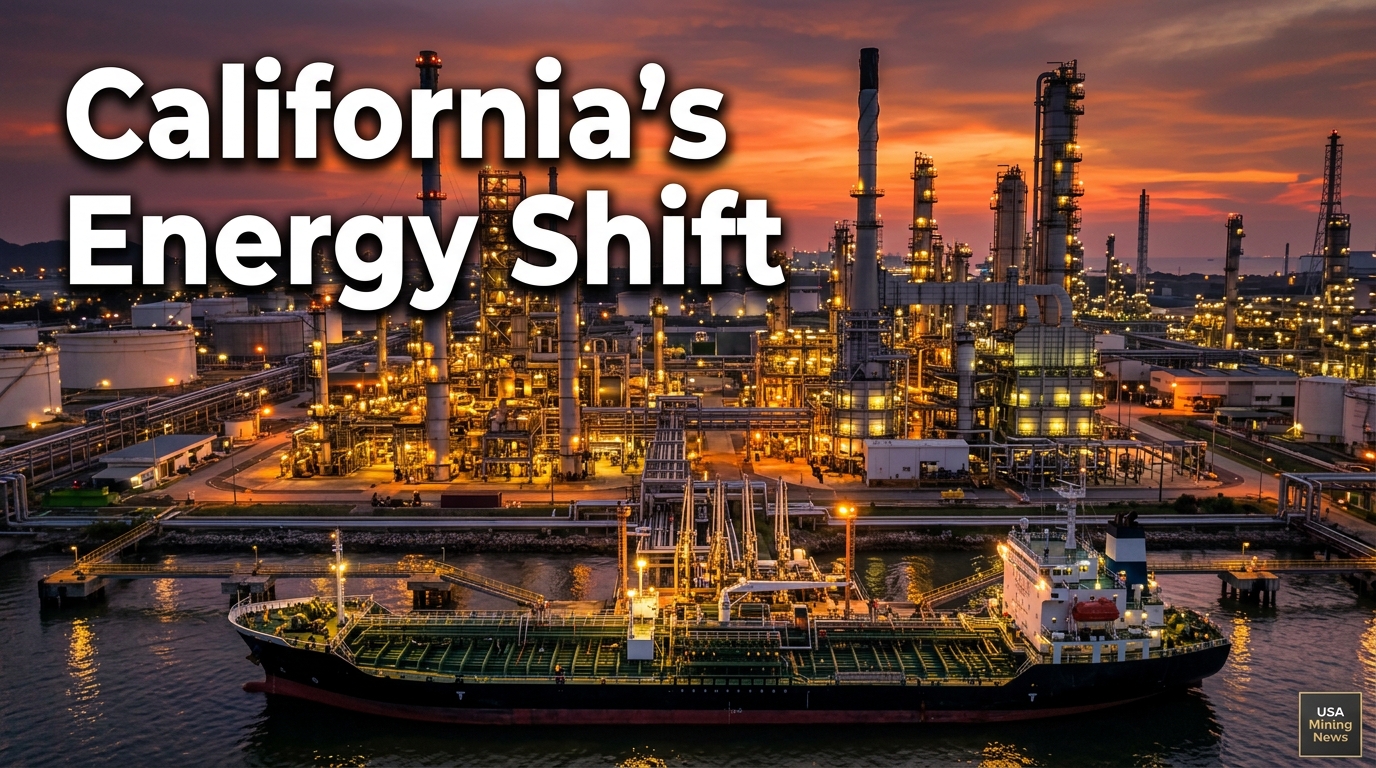
The rise in energy costs in California is inextricably linked to the significant decline in its domestic refining and crude oil production capacity. The state’s anti-energy restrictions have systematically pressured refineries, leading to closures and exits from the state. This trend has drastically reshaped California’s energy infrastructure:
- Refinery Closures: The number of operating refineries in California has plummeted from 23 in the year 2000 to just 12 today, with projections indicating a further reduction to 11 by May 2026. Notably, two refineries responsible for nearly 20% of the state’s gasoline supply have either ceased operations or are slated to do so in the immediate future following the imposition of new state restrictions. Phillips 66, for instance, announced its closure in 2025, and Valero’s Oil refinery in Benicia confirmed it would cease operations by the end of April 2026.
- Decline in Crude Production: Once a powerhouse in American oil production, accounting for 40% of the U.S. output, California now contributes less than two percent. This precipitous decline has forced the state to look elsewhere for its crude oil needs.
- Reliance on Foreign Imports: In contrast to most U.S. states that have reduced their reliance on foreign oil, California’s foreign oil imports have tripled over the last two decades. Currently, a sobering 60% of the crude supplied to California’s remaining refineries is imported from foreign countries. This heavy dependence on external sources poses substantial risks, not only to economic stability but critically, to U.S. national security, especially given the presence of more than 30 U.S. military installations within California that are left vulnerable by this supply dynamic.
A January 2025 report from the California Legislative Analyst’s Office further underscored that California’s aggressive climate policies have been a primary driver behind the rapid increases in residential electricity rates, mirroring a national trend where states with similar “anti-American energy policies” experience, on average, 50 percent higher electricity prices.
Federal Intervention: A Strategic Push for In-State Production
Recognizing the national security implications and the economic plight of Californians, the federal government under President Trump has initiated steps to reverse these trends and reduce California’s dependence on foreign oil. A significant directive was issued on March 13, 2026, when U.S. Secretary of Energy Chris Wright formally instructed Sable Offshore Corp. to restore operations of the Santa Ynez Unit and the Santa Ynez Pipeline System.
This federal mandate specifically addresses critical supply disruption risks. Sable Offshore Corp. has swiftly responded, already pumping substantial amounts of oil to Chevron. The pipeline system, extending from Las Flores Canyon to Pentland Station, has been successfully filled at a rate exceeding 50,000 barrels per day. This operational restoration marks a crucial turning point, signifying a 15 percent increase in California’s in-state oil production. This boost is projected to replace approximately 1.5 million barrels of foreign crude oil each month, directly contributing to enhanced domestic energy security and reducing reliance on international markets that can be prone to volatility and geopolitical pressures.
Broader Implications for the Mining and Energy Sector
The energy policy shifts and federal intervention in California carry profound implications for the broader mining and energy sector across the United States. For mining operations, which are inherently energy-intensive, the stability and cost of energy—both electricity and fuel—are critical determinants of operational viability and profitability. High electricity rates in California directly impact the competitiveness of any mining or processing activities within the state, influencing everything from crushing and grinding to refining and transportation of mined materials. The increased cost of diesel for heavy machinery and transportation further erodes margins and can deter investment in new projects.
From a national perspective, a reliable and affordable domestic energy supply is foundational to industrial growth and strategic independence. The re-emphasis on in-state oil production in California, spurred by federal action, underscores a broader strategy to bolster American energy independence. This strategy aligns closely with the objectives of securing robust domestic supply chains for critical minerals, where the mining sector plays a direct and indispensable role. The ability to source energy domestically, rather than relying on potentially unstable foreign markets, directly enhances the resilience of the entire industrial ecosystem, encompassing not only energy producers but also the myriad industries, including manufacturing and technology, that depend on continuous access to affordable raw materials and processing capabilities.
Furthermore, the federal government’s intervention highlights the importance of energy policy consistency. Frequent shifts or overly stringent regulations at the state level can create an unpredictable investment climate, deterring significant capital expenditures in long-lifecycle projects typical of both the oil & gas and mining industries. This episode in California serves as a salient reminder for industry professionals and investors of the intricate connection between state-level regulatory environments, national energy security, and the long-term viability of extractive industries.
The Path Forward: Navigating California’s Energy Landscape
The directive to Sable Offshore Corp. represents a significant federal counter-measure to California’s energy policies, aiming to immediately address critical supply shortfalls and mitigate national security risks. While the short-term impact is a measurable increase in domestic oil production and a reduction in foreign crude imports, the long-term implications for California’s energy landscape remain to be fully seen. This federal intervention brings into sharp focus the ongoing tension between ambitious climate goals and the fundamental requirements for energy affordability and supply security.
For the mining industry, the events in California underscore the necessity of a stable, predictable, and supportive energy policy framework. As the nation continues to debate the optimal balance between environmental stewardship and economic imperatives, the experience of California serves as a powerful case study for policymakers, industry leaders, and investors engaged in charting the course for America’s energy and resource future. The move to reactivate key infrastructure demonstrates a clear federal commitment to domestic resource utilization, setting a precedent that could influence energy and resource development strategies nationwide.