In a significant development for Australia's burgeoning green energy sector, mining giant Fortescue and the Queensland Government have formally settled a protracted dispute concerning A$66 million in state funding initially allocated for Fortescue's Gladstone Electrolyser Manufacturing facility. The confidential agreement, publicly announced on August 20, 2026, brings an end to legal actions and provides a framework for both parties to move forward, albeit with a recalibrated vision for green industrial development in the region.
A High-Stakes Resolution in Queensland's Green Hydrogen Ambitions
The resolution marks the culmination of an intense period of disagreement that arose after Fortescue, under its Fortescue Future Industries (FFI) arm, decided to halt development and subsequently cancel its Gladstone facility. The project, once touted as a cornerstone of Queensland's aspirations to become a global leader in green hydrogen production, had received substantial financial backing from both the state and federal governments. The settlement's terms, while confidential in specific financial considerations, outline the transfer of key assets to the Queensland Government, recognizing the value of the initial A$66 million investment.
The dispute revolved around the Queensland Government's demand for the return of its A$66 million contribution after Fortescue formally abandoned the project. Fortescue, in turn, disputed the basis for this recovery action, asserting it had acted in good faith and was adhering to the spirit of its grant agreements. The resolution, which includes the discontinuation of the State’s legal action, underscores the intricate challenges and potential pitfalls that emerge when large-scale, innovative projects, particularly in emerging green technologies, encounter strategic shifts or operational hurdles.
Fortescue's Ambitious Green Vision and the Gladstone Hub
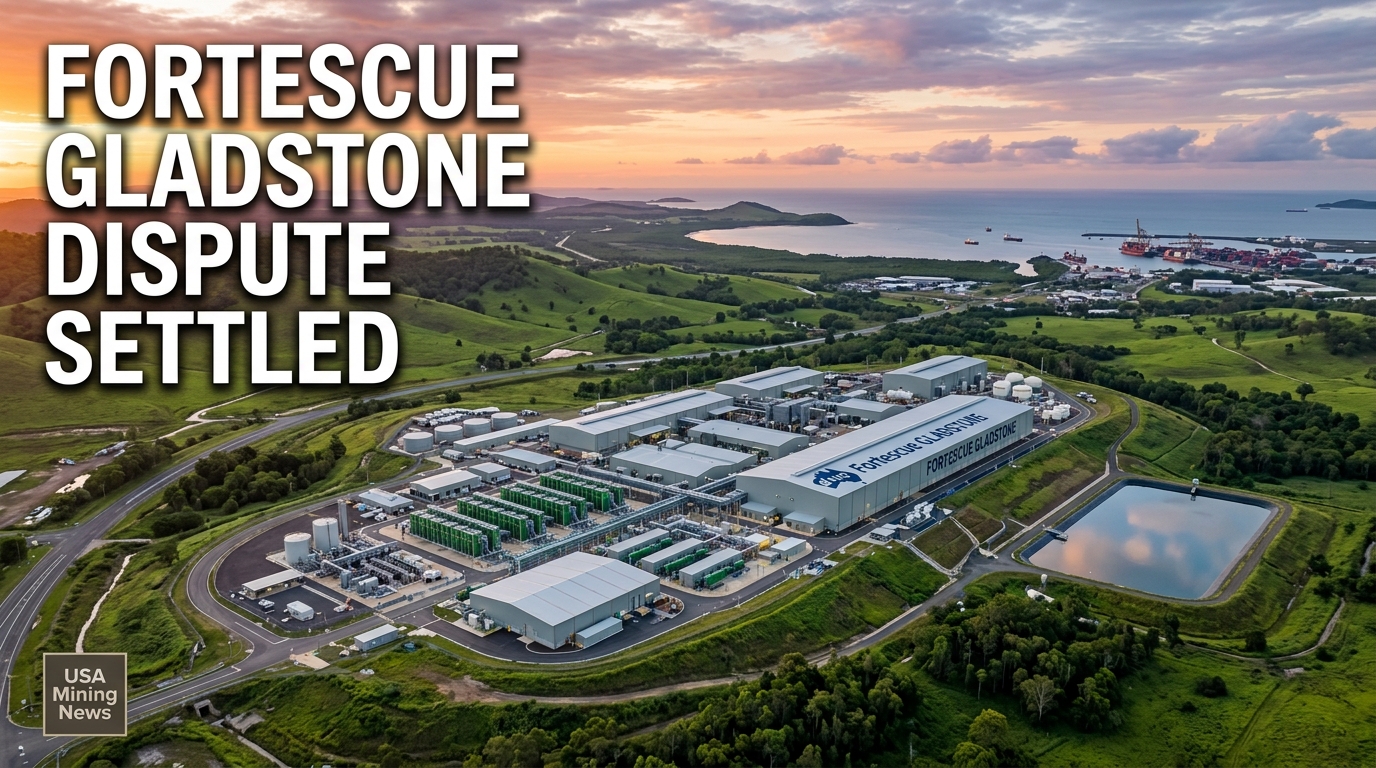
The Gladstone Electrolyser Manufacturing facility, located in Queensland, Australia, was a flagship project designed to produce proton exchange membrane (PEM) electrolyser stacks. These stacks are critical components for green-hydrogen projects, facilitating the electrolysis of water using renewable electricity to produce hydrogen without carbon emissions. Fortescue had officially opened the 15,000-square-metre facility in April 2024, boasting an impressive annual manufacturing capacity of more than 2GW of PEM electrolyser stacks. This capacity was intended to be a vital supply chain component for Fortescue's own global green hydrogen initiatives and potentially for other projects.
The initial support for this ambitious undertaking was multifaceted. The Queensland Government provided its A$66 million contribution in the form of project land and crucial enabling infrastructure, a common strategy to de-risk and attract significant industrial investment. Separately, the Australian Government also demonstrated its commitment to bolstering domestic manufacturing capabilities by contributing A$44 million through its Modern Manufacturing Initiative, a federal grant program aimed at strengthening the nation's industrial base. Contemporary reporting had even valued the broader initial support package, including proposed payroll-tax concessions, at approximately A$92 million, highlighting the significant public investment at stake.
The Strategic Pivot: From Electrolysers to Lower-Cost Hydrogen
The trajectory of the Gladstone facility began to change course in May 2025, when Fortescue initiated a winding down of activities, leading to job cuts at the site. This move signaled a significant reassessment of the company's green-hydrogen strategy. By July 2025, Fortescue formally announced the cancellation of both the Gladstone PEM50 hydrogen project and the electrolyser manufacturing facility. The company cited a "strategic shift away from electrolysers" as the primary driver for this decision. Instead, Fortescue indicated it would pivot towards technologies aimed at providing lower-cost hydrogen for green industry in Australia, a move it stated was intended to support its broader "green-iron ambitions."
This strategic redirection sent ripples through the industry. For a company as prominent as Fortescue, with its substantial investment in green energy initiatives, such a pivot from a foundational manufacturing asset like an electrolyser plant signifies a dynamic and rapidly evolving landscape in the green hydrogen sector. It underscores the ongoing challenges in scaling new technologies, optimizing cost structures, and responding to market shifts. The focus on "lower-cost hydrogen" suggests an acknowledgement of the economic hurdles still facing widespread green hydrogen adoption, particularly for energy-intensive processes like green iron production, where the price of hydrogen is a critical determinant of commercial viability.
A$66 Million at Stake: The Escalation of the Dispute
Following Fortescue's decision to abandon the project, the Queensland Government promptly sought the return of its A$66 million funding contribution. This demand was predicated on the understanding that the purpose for which the funds had been provided – the establishment and operation of the electrolyser facility – was no longer being fulfilled. Fortescue, while acknowledging its obligation to return funds where required under the grant agreement, disputed the basis for the State's recovery action. The company maintained it was acting "in good faith" and continued discussions with the Queensland Government regarding the specific requirements of the grant agreement.
The dispute escalated publicly in August 2025, when Queensland Deputy Premier Jarrod Bleijie announced that the State had issued Fortescue with a notice to comply and a default notice, unequivocally seeking "full reimbursement" of its A$66 million contribution. The disagreement eventually led to court proceedings, with reports in May 2026 indicating that Fortescue described the State’s claim for more than A$65 million as a "material overreach." Throughout this period, the Queensland Government consistently maintained that the funding should be recovered given the cessation of the project for which it had been provided. This public spat highlighted the inherent risks of such large-scale public-private partnerships, especially when the underlying technological or market assumptions shift.
The Confidential Terms of Disentanglement
The resolution reached on August 20, 2026, brings an end to this contentious period. While the specific financial terms of the settlement remain confidential, the agreement details how the Queensland Government will retain value from its A$66 million investment. Under the terms, the State will take ownership of the project land, an electrical substation, and associated common-user infrastructure. This transfer of assets ensures that the public investment is not entirely lost, and that critical infrastructure remains in state hands, potentially for future industrial development. The joint statement from both parties emphasized that the settlement "recognises the assets and infrastructure remaining in Queensland" and facilitates their ability to "move forward." As part of this agreement, the Queensland Government's legal action has been discontinued.
It is noteworthy that while the initial broader support package for the facility was estimated at A$92 million, including payroll-tax concessions, the settlement agreement specifically references the State’s A$66 million investment. The financial value of the transferred assets and any other considerations under the settlement have not been disclosed, adhering to the confidential nature of the agreement. This approach allows both parties to declare the dispute resolved without revealing sensitive commercial details, a common practice in high-value settlements.
Broader Implications for Green Industrial Development and Funding
This resolution carries significant implications for the broader mining and green energy sectors, particularly regarding public-private partnerships and the development of emerging technologies. Firstly, it underscores the inherent risks associated with investing in nascent industries like green hydrogen, where technological advancements, market conditions, and corporate strategies can evolve rapidly. For governments, it highlights the need for robust, flexible grant agreements that clearly delineate responsibilities and recovery mechanisms in the event of project cancellations or strategic pivots.
For companies like Fortescue, this episode emphasizes the challenges of balancing ambitious environmental goals with commercial realities. Fortescue's commitment to "green-iron" requires hydrogen at a scale and cost that is currently difficult to achieve. Their strategic shift from producing electrolysers to focusing on "lower-cost hydrogen" technologies suggests a pragmatic adaptation to market dynamics and a drive for greater efficiency. This decision may well influence other industry players to critically re-evaluate their own green hydrogen value chain strategies, potentially favoring procurement over in-house manufacturing if cost efficiencies are better realized externally.
Moreover, the retention of significant infrastructure by the Queensland Government could be seen as a silver lining. While the original electrolyser manufacturing plan has ceased, the availability of project land, an electrical substation, and common-user infrastructure could still position Gladstone as an attractive hub for future green industrial projects. This approach minimizes the complete loss of public investment and maintains options for the region's industrial growth.
Looking Ahead: Future for Gladstone and Fortescue's Green Strategy
With the dispute settled, both Fortescue and the Queensland Government can now fully focus on their respective future endeavors. For Gladstone, a key industrial port city, the retained assets provide a foundation upon which other green energy or industrial projects could potentially be developed, leveraging the existing infrastructure and the region’s strategic location. The Queensland Government will likely be more cautious in its future large-scale funding commitments, emphasizing clear exit clauses and asset recovery strategies.
Fortescue, meanwhile, will continue its pursuit of its ambitious "green-iron" vision, which aims to decarbonize steelmaking using green hydrogen. The strategic pivot means that instead of manufacturing its own electrolysers, the company will likely explore other avenues for securing cost-effective hydrogen supply and related technologies. This shift highlights a maturing understanding within the industry that achieving audacious green targets often requires flexibility, adaptability, and a willingness to course-correct based on evolving technological and economic landscapes. The global mining industry will be watching closely to see how this refined strategy unfolds and whether Fortescue can successfully achieve its decarbonization objectives through this updated approach to hydrogen production.