The 2026 Iran War: Intensifying Geopolitical Risk and its Sweeping Impact on Global Mining Supply Chains
The year 2026 has witnessed the intensification of geopolitical risk across global mining and metals markets, as the Iran War extends its formidable reach far beyond the immediate theatre of conflict in Iran, Israel, and several Gulf countries. While military confrontations are geographically contained, the ramifications for the mining sector are being transmitted globally through a complex web of interconnected factors: notably, escalating energy prices, severe shipping disruptions, surging insurance costs, and heightened uncertainty permeating commodity supply chains. According to a GlobalData analyst comment issued on March 27, 2026, the primary concern for the mining industry is not merely the potential for direct production losses within the affected region, but the profound and broader effects on processing costs, the stability of raw material flows, and the integrity of global trade routes.
The Strategic Chokepoint: The Strait of Hormuz
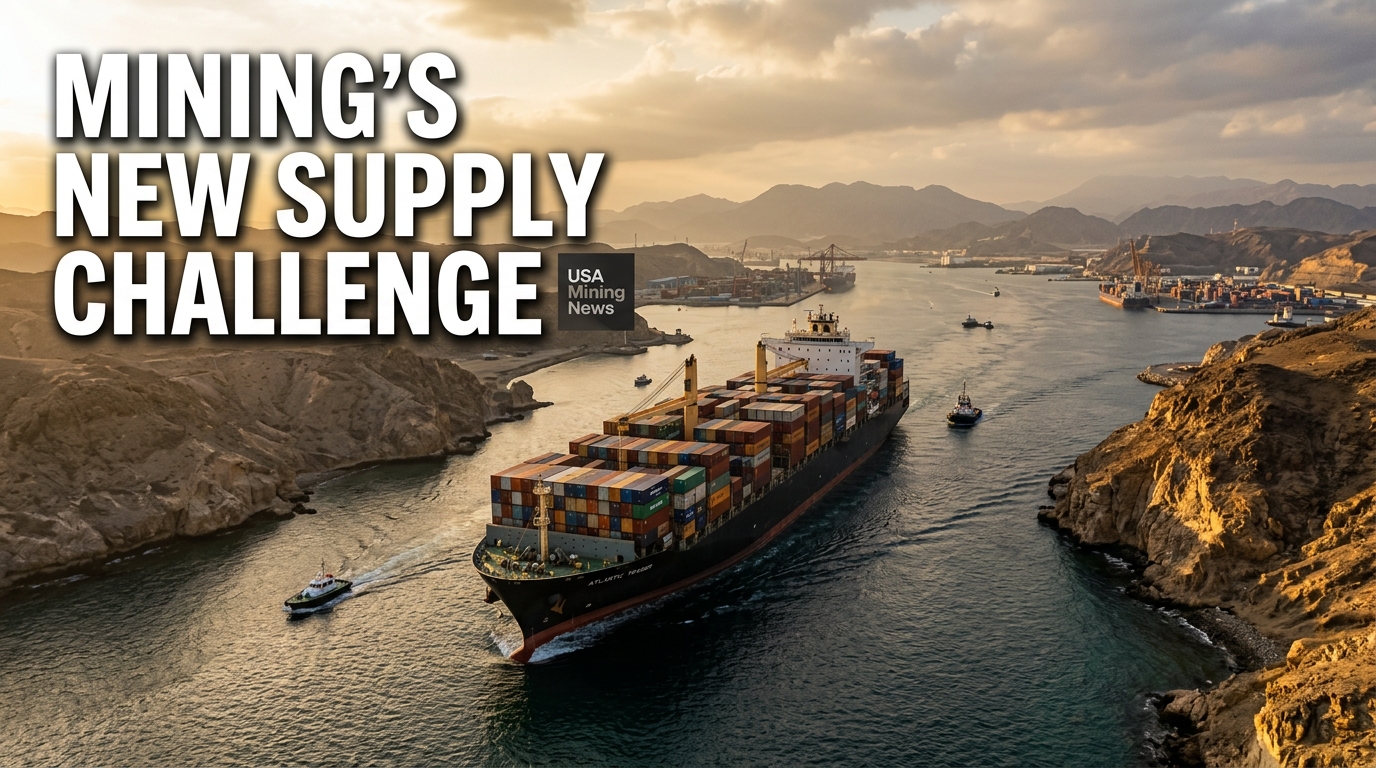
A pivotal channel through which the conflict’s impact is being transmitted is the Strait of Hormuz, universally recognized as one of the world’s most strategically important maritime chokepoints. Its significance extends far beyond crude oil and petroleum products; any impediment to the unimpeded flow of traffic through this narrow waterway invariably affects the movement of critical industrial inputs and processed metals crucial for global manufacturing and infrastructure development. With security risks escalating within this vital corridor, mining companies operating worldwide are now contending with a confluence of adverse economic pressures, including significantly higher fuel bills, extended shipping times, reduced freight availability amidst tightening capacity, and substantially elevated marine insurance premiums. These accumulating pressures are directly feeding into operating costs across the entire value chain, impacting both upstream mining activities – from extraction and hauling to initial processing – and downstream refining operations, particularly in commodity chains inherently dependent on imported inputs or relying heavily on seaborne logistics for global distribution.
The logistical backdrop underscores the Strait's irreplaceable importance. In 2025 alone, the Strait of Hormuz facilitated the transit of an average of 20 million barrels per day of crude oil and petroleum products, representing an astounding 25% of all global seaborne oil trade. Persistent or prolonged disruption in this vital artery would inevitably maintain tightness in global energy markets, thereby sustaining and even increasing transport costs across all bulk commodity supply chains. Furthermore, the necessity of rerouting shipments around longer maritime routes, such as the arduous journey via the Cape of Good Hope, would not only extend transit times considerably but also delay the crucial delivery of essential mining equipment, industrial raw materials, and operating consumables, creating cascading disruptions through global production networks.
Processing and Refining: The Vulnerable Link in the Chain
A critical insight from the GlobalData analysis is that the impact of the Iran War on the mining sector is projected to be more pronounced and immediate in refining and processing activities than in upstream mine production alone. This distinction is paramount for global markets. Smelters and refineries, by their very nature, are highly energy-intensive operations and are exceptionally sensitive to the uninterrupted availability of energy, a stable inflow of imported feedstocks, and seamless logistics. Consequently, any prolonged conflict in the region has the potential to significantly undermine the reliability and predictability of processed metal supply, even if the primary extraction activities at mine sites remain comparatively less affected by direct military action. Disturbances in the supply of refined metals typically trigger a far faster and more acute response in global pricing, procurement decisions, and downstream manufacturing activity, given the immediate need for finished or semi-finished materials in industrial applications. In Iran itself, the mining and metals sector is already encountering mounting pressures, a compounding effect of pervasive infrastructure disruption, systemic power constraints, and critical export bottlenecks. Even where mine assets manage to remain operational, interruptions to both electricity supply and broader industrial support systems are expected to depress utilization rates across highly energy-intensive activities such as copper smelting, steelmaking, and aluminium production, exacerbating existing challenges.
Iron Ore: Cost Inflation Beyond Direct Supply
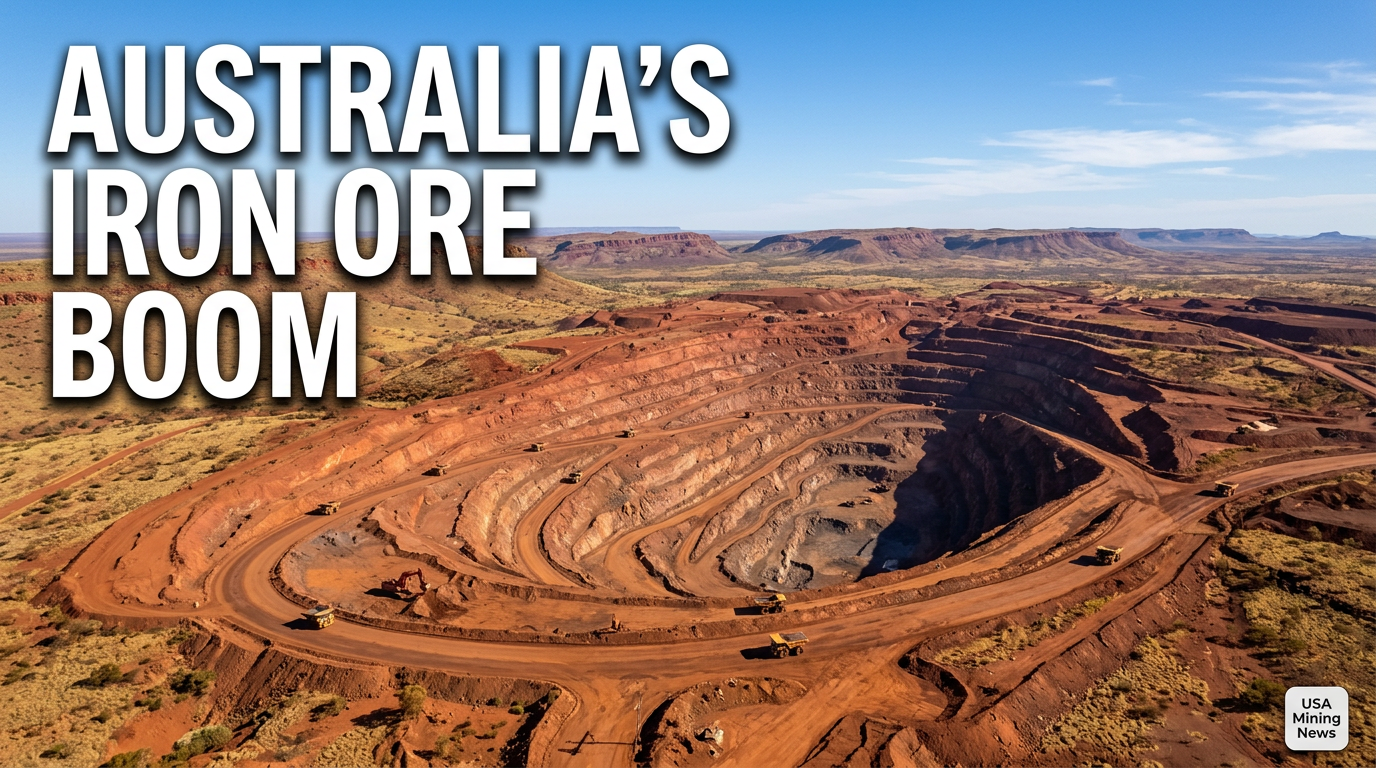
For iron ore markets, the implications of the Iran War are likely to be driven predominantly by cost inflation rather than significant direct supply loss from the region. While Iran is indeed a noteworthy iron ore producer, accounting for an output of 61 million tonnes (mt) in 2025 and representing approximately a 3.8% share of global production, according to data from the USGS, the more substantial market implication stems from the conflict’s pervasive influence on fuel and freight economics. Iron ore mining, particularly in its large-scale extraction, hauling, and subsequent transport phases, is inherently a highly diesel-intensive sector, rendering it acutely vulnerable to sustained increases in global oil prices. The confluence of higher fuel prices, coupled with the inevitable shipping delays and the alarming escalation in marine insurance costs directly attributable to Hormuz-related disruption, is poised to significantly elevate operating expenditure (OPEX) for major iron ore miners globally. For producers with extensive open-pit operations, where massive equipment relies heavily on diesel, this scenario intensifies pressure on profit margins and, crucially, reinforces the long-term strategic imperative for greater operational electrification, comprehensive renewable energy integration, and other robust cost-mitigation measures. In this respect, the conflict serves as a powerful catalyst, accelerating an existing industry-wide shift towards fundamentally reducing exposure to traditional diesel-based operating models.
Aluminium: A Regionally Exposed Commodity
Aluminium stands out as one of the industrial metals most directly exposed and vulnerable to regional energy and logistics disruption originating from the Middle East. This exposure is magnified by the region’s significant role in global aluminium production, contributing approximately 9% of the world's total output. The Middle East hosts major primary aluminium producers across a number of key countries, including the United Arab Emirates (UAE), Bahrain, Saudi Arabia, Qatar, Iran, Oman, and Egypt. Specific production figures from the USGS for 2025 highlight the regional importance, with the UAE producing an estimated 2.7mt and Bahrain contributing 1.6mt of primary aluminium. This makes the Middle East an indispensable supplier within the global aluminium value chain, a status amplified by the metal’s inherent dependence on uninterrupted power supply – aluminium smelting is one of the most electricity-intensive industrial processes – and a stable, reliable flow of raw material inflows, particularly bauxite or alumina. In Iran, specifically, aluminium production has reportedly already been under considerable pressure, a challenge that the current regional instability is only expected to exacerbate.
Long-Term Strategic Shifts for Operational Resilience
Beyond the immediate market volatility, the Iran War is reinforcing a structural challenge that the mining sector has increasingly recognized: an enduring and high exposure to concentrated trade routes and volatile energy markets. In this environment of heightened geopolitical and logistical uncertainty, the industry is poised to accelerate a stronger strategic push towards fundamental shifts in operational philosophy and investment priorities. This includes concerted efforts in:
- Supply Diversification: Reducing reliance on single-source regions or suppliers for critical raw materials and processed metals.
- Localized Processing: Investing in regional processing capabilities to shorten supply chains, reduce transit risks, and enhance security of supply.
- Renewable Power Integration: Accelerating the adoption of renewable energy sources to power mining and processing operations, thereby decreasing dependence on volatile fossil fuel markets.
- Lower Diesel Dependence: Further investing in electric fleets, hydrogen-powered equipment, and other alternative fuel technologies to mitigate exposure to diesel price fluctuations and supply disruptions.
While the initial market response has predictably focused on the immediate implications of oil price volatility and short-term supply shocks, the more profound and enduring medium-term consequence for the mining industry is likely to be a significant acceleration of capital investment specifically channeled into enhancing operational resilience. This encompasses not just technological upgrades, but also strategic realignments in procurement, logistics planning, and geopolitical risk management.
Conclusion: Navigating a New Era of Supply Chain Vulnerability
The 2026 Iran War marks a critical juncture for the global mining industry, underscoring the intrinsic fragility of interconnected supply chains amidst escalating geopolitical tensions. The conflict's multifaceted impact, primarily transmitted through energy markets and maritime logistics via the pivotal Strait of Hormuz, mandates a re-evaluation of current operational paradigms. From iron ore to aluminium, the emphasis is shifting from short-term reactivity to long-term strategic foresight. For mining professionals and investors, navigating this new era of supply chain vulnerability will necessitate a proactive embrace of diversification, localized capabilities, and a robust commitment to sustainable, resilient operational models. The imperative to mitigate geopolitical and logistical risks is no longer a peripheral consideration but a central pillar of corporate strategy, shaping investment decisions and driving innovation across the global mining landscape.