Iron Ore Navigates Hormuz Tensions While China Reshapes Supply Dynamics
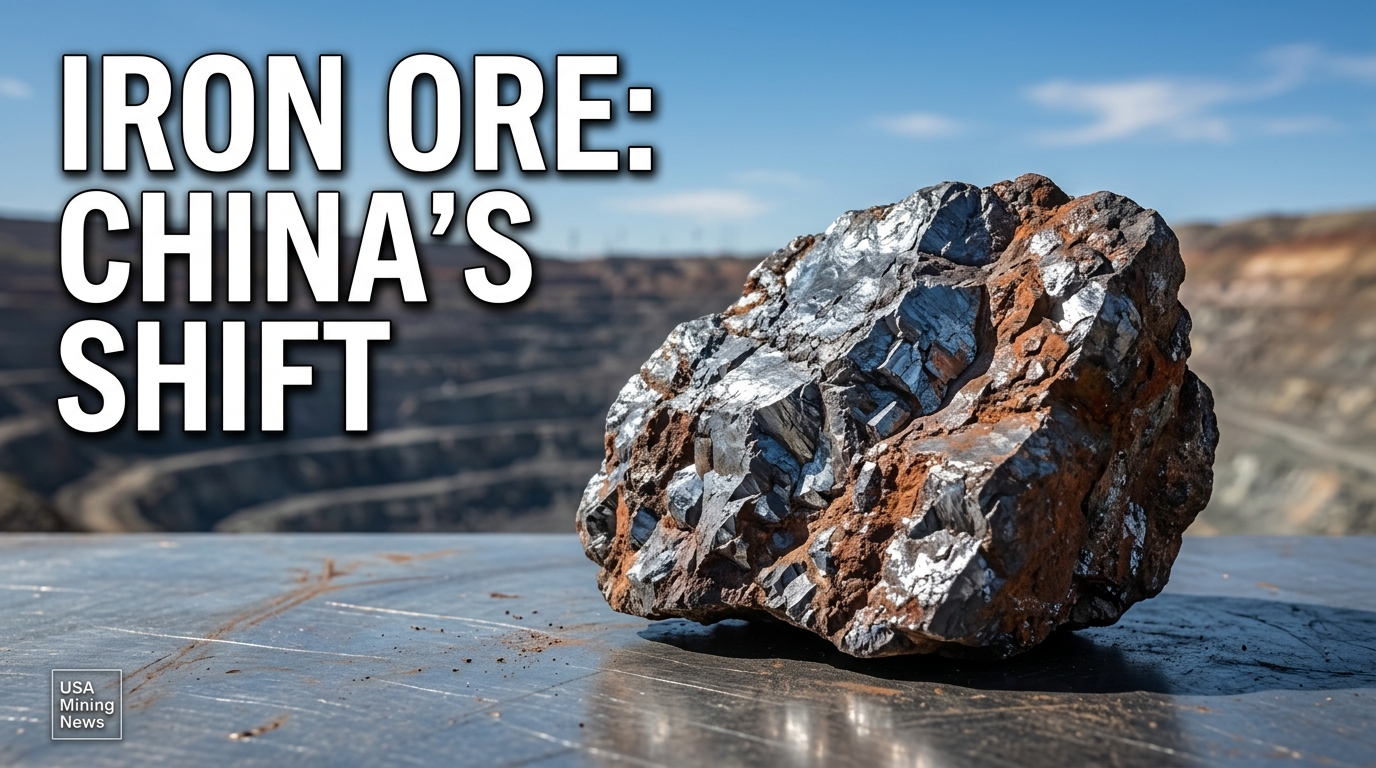
October 8, 2026 – The global iron ore market is currently navigating a complex landscape defined by persistent geopolitical tensions in the Strait of Hormuz and a strategic reorientation in China's procurement approach. While regional iron ore supplies have indeed faced disruptions linked to the volatility in the Strait, the broader seaborne iron ore trade, particularly shipments from major global suppliers, appears to be demonstrating remarkable resilience. Simultaneously, China, the world's largest steel producer and iron ore importer, is actively redefining its commercial relationships with key Australian suppliers, a development with profound implications for the mining industry and international trade. This analysis, originally reported by Alex Blair, delves into these dual pressures and their significance for mining professionals and investors.
The Strait of Hormuz: A Critical Chokepoint and Regional Disruptions
The Strait of Hormuz, a narrow waterway situated between Oman and Iran, is one of the most strategically vital maritime chokepoints globally. Its significance primarily stems from its role as the transit route for a substantial portion of the world's crude oil and liquefied natural gas (LNG). While the vast majority of seaborne iron ore shipments, particularly those originating from Australia and Brazil destined for China, do not directly traverse this Strait, regional geopolitical tensions emanating from the area can create ripple effects across the broader shipping and commodities markets. The image credit showing fjords in Musandam, Oman, underscores the geographical proximity to this sensitive region.
Historical and ongoing instability in the Gulf, often involving various state and non-state actors, has a documented history of impacting global shipping through several mechanisms:
- Increased Shipping Costs: Heightened risk perceptions can lead to surges in insurance premiums for vessels operating in or near the region, irrespective of their cargo. These costs are often passed on through freight rates.
- Logistical Bottlenecks: Even without direct passage, rerouting of other commodity vessels or increased security protocols can strain port capacities and overall logistical networks in adjacent regions.
- Market Sentiment: Geopolitical risks tend to introduce uncertainty, which can translate into commodity price volatility and influence trading decisions.
Despite these potential impacts, the primary long-haul iron ore supply chains from Australia and Brazil to East Asia have, to date, largely 'bucked' significant direct disruption. This resilience can be attributed to several factors:
- Diversified Routes: The main iron ore trade arteries are well-established and generally avoid the immediate vicinity of the Strait.
- Scale and Infrastructure: The sheer scale of the global iron ore shipping industry, supported by robust infrastructure and large-capacity vessels, often allows it to absorb localized disturbances without major interruptions to primary routes.
- Strategic Inventories: Major importing nations, particularly China, often maintain strategic iron ore stockpiles, providing a buffer against short-term supply shocks.
However, the phrase "Regional iron ore supplies have been disrupted" is crucial. This indicates that iron ore originating from or destined for ports within the Arabian Gulf or adjacent areas might be directly affected by elevated risks, delayed shipments, or increased operational costs. This distinction is vital for understanding the nuanced impact of Hormuz tensions on different segments of the global iron ore market.
China's Evolving Procurement Strategy: Reshaping Commercial Ties
Beyond the geopolitical complexities of the Middle East, a more fundamental and long-term shift is underway in the commercial relationship between China and its major iron ore suppliers, particularly those in Australia. China's procurement strategy is undergoing a significant transformation, driven by a confluence of economic, strategic, and environmental considerations.
For decades, Australia has been the dominant supplier of iron ore to China, with companies like Rio Tinto, BHP, and Fortescue Metals Group (FMG) forming the bedrock of this trade relationship. These relationships have historically been characterized by long-term contracts and significant volumes, facilitating China's rapid industrialization and urbanisation. However, China's current strategy appears focused on enhancing its bargaining power, diversifying supply sources, and gaining greater control over commodity pricing.
Key facets of China's evolving procurement strategy include:
- Centralized Purchasing: Reports suggest moves towards more centralized purchasing mechanisms, potentially through state-backed entities. This could consolidate China's formidable buyer power, allowing for more unified negotiation stances against individual major suppliers.
- Diversification of Supply: While Australia and Brazil remain pivotal, China is actively exploring and investing in new iron ore projects globally. The Simandou project in Guinea, for instance, represents a significant long-term diversification effort, aiming to bring substantial new high-grade supply online, albeit with considerable infrastructure development challenges.
- Increased Domestic Scrutiny and Efficiency: China is intensifying its focus on optimizing domestic steel production, including enhancing scrap steel utilization and pursuing more efficient iron ore consumption through advanced technologies. This could temper future demand growth for imported ore.
- Environmental Directives: Beijing's ambitious decarbonization goals for its steel sector are driving shifts in raw material preferences, potentially favoring higher-grade iron ores that reduce emissions in the steelmaking process. This introduces a new dimension to procurement decisions, beyond mere volume and price.
- Investment in Overseas Mines: Chinese state-owned enterprises and private companies continue to invest directly in iron ore mines in various countries, securing equity stakes and long-term off-take agreements, thereby gaining greater supply chain control.
This strategic pivot by China is not merely tactical; it represents a structural adjustment designed to reduce its vulnerability to commodity price fluctuations and supply concentrations. For major Australian suppliers, this shift introduces a new layer of complexity to their market engagement. While the sheer volume of Chinese demand will ensure continued strong trade, the terms of engagement, pricing mechanisms, and the competitive landscape are undoubtedly being reshaped.
Implications for Major Australian Suppliers
The Australian iron ore industry, dominated by behemoths such as Rio Tinto, BHP, and FMG, has historically enjoyed a robust and largely predictable relationship with Chinese steelmakers. However, China's evolving strategy necessitates a re-evaluation of long-term commercial approaches by these suppliers.
- Negotiating Power Dynamics: The potential for centralized Chinese purchasing could shift the balance of power in price negotiations. Australian miners may face more formidable and unified buyer fronts, potentially impacting their margins and pricing flexibility.
- Contractual Reassessment: Existing long-term contracts may come under renewed scrutiny, with a push from the Chinese side for terms that better reflect their strategic objectives, including potentially greater price flexibility or different quality specifications.
- Diversification of Customer Base: While China remains an indispensable market, Australian miners may intensify efforts to diversify their customer base, exploring increased sales to emerging steel-producing nations in Southeast Asia, India, and potentially other regions, although this remains a long-term strategic goal rather than an immediate substitute for Chinese demand.
- Investment and Production Strategies: Future investment decisions by Australian miners, particularly concerning new mine developments or expansions, will likely be informed by these shifting market dynamics. A greater emphasis might be placed on producing higher-grade ores to meet evolving environmental demands from key markets.
- Competitive Landscape: The entry of new, diversified supply sources, particularly if projects like Simandou come online at scale, will intensify competition among global iron ore producers, potentially placing downward pressure on prices over the long term.
Maintaining strong, resilient commercial ties with Chinese counterparts while also adapting to their strategic imperatives will be a critical balancing act for Australian suppliers in the coming years. This will require nuanced diplomatic and commercial engagement, moving beyond purely transactional relationships.
Broader Industry Impact and Future Outlook
The dual pressures of geopolitical tensions and China's strategic recalibration are setting the stage for significant transformations across the global mining industry. For industry professionals and investors, several key areas warrant close attention:
- Commodity Price Volatility: The combination of regional supply risks and shifting demand-side dynamics is likely to contribute to increased price volatility in the iron ore market. Understanding these macro and micro drivers will be essential for effective risk management and investment decisions.
- Supply Chain Resilience: The emphasis on supply chain security and diversification will only intensify. This could spur investment in new mining projects in geopolitically stable regions, alongside efforts to enhance existing logistical frameworks.
- Technological Advancement: As environmental pressures mount, particularly from China, there will be accelerated innovation in steelmaking technologies to reduce carbon emissions. This, in turn, will influence the demand for specific grades and types of iron ore, favoring those that offer environmental benefits.
- Strategic Partnerships: The landscape for strategic partnerships will evolve. Mining companies may seek to forge stronger alliances with technology providers, logistics firms, and even governments to secure supply chains and mitigate risks.
- ESG Considerations: Environmental, Social, and Governance (ESG) factors will increasingly permeate procurement decisions and investment criteria. Responsible sourcing, carbon footprint, and community engagement will become non-negotiable aspects of doing business in the global mining sector.
As of October 8, 2026, the global iron ore market is in a state of dynamic flux. While immediate concerns over Hormuz tensions remain, the more profound and long-lasting changes are likely to emanate from China's strategic shift in its iron ore procurement. This will demand adaptability, strategic foresight, and robust risk management from all participants in the mining value chain, from major producers to junior explorers and investors.