
Forging a Critical Link: Lynas Rare Earths and LS Eco Energy Partner for Rare Earth Metal Production in Vietnam
In a significant move poised to reshape the global rare earth supply chain, Lynas Rare Earths, a prominent non-Chinese producer of rare earth materials, announced on March 26, 2026, a strategic framework agreement with LS Eco Energy. This partnership, involving a subsidiary of the renowned LS Cable & System, is designed to significantly enhance downstream processing capabilities for critical rare earth metals, with a particular focus on establishing a new metallization facility in Vietnam. This development underscores the mining industry’s proactive efforts to build resilient, diversified value chains for the minerals essential to modern technology and the global energy transition.
The agreement marks a pivotal step in Lynas’ "Towards 2030 growth initiative," aiming to secure and expand access to metallization, a crucial link in transforming rare earth oxides into usable metal forms required for permanent magnets. For the broader industry, this collaboration signals a strengthening of alliances outside traditional processing centres, a strategic imperative driven by increasing demand for critical minerals and geopolitical considerations regarding supply security.
Strategic Alliance for Metallization Capability
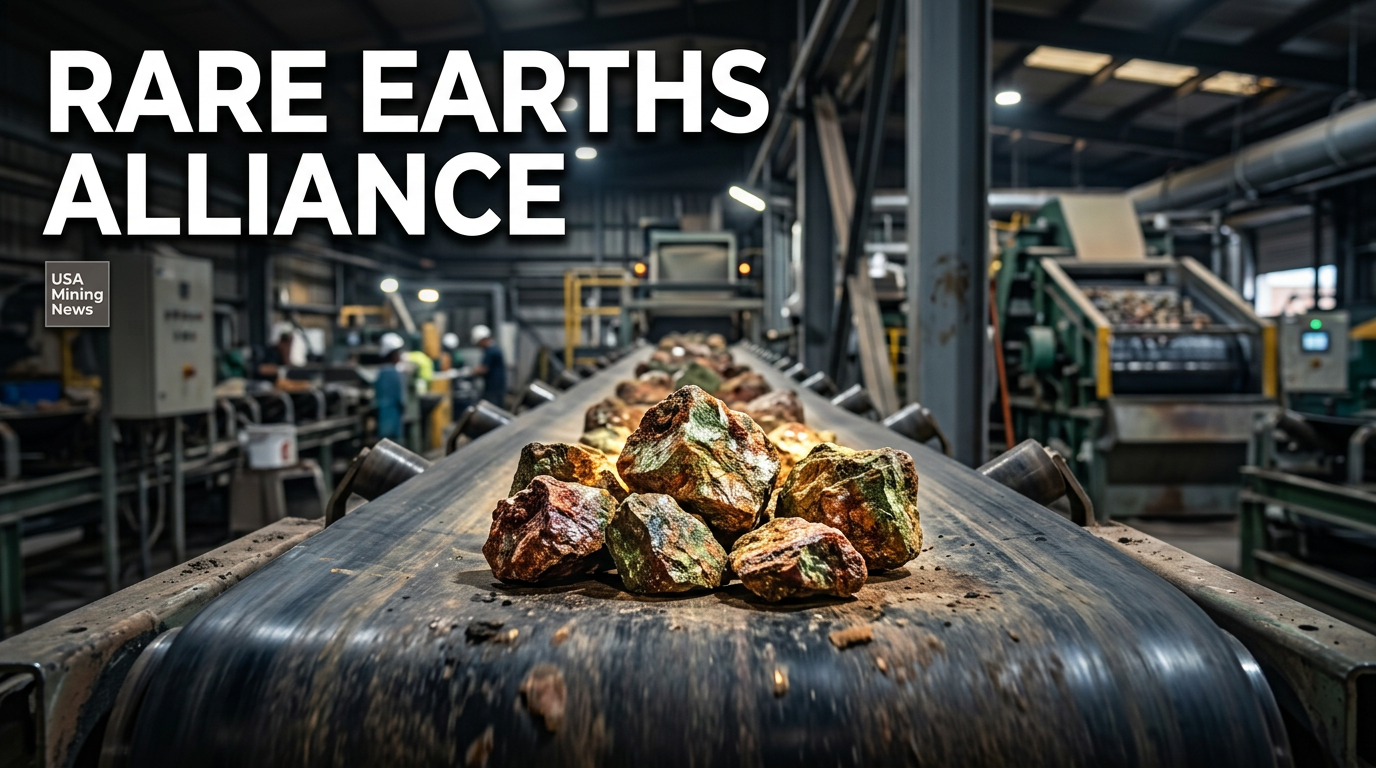
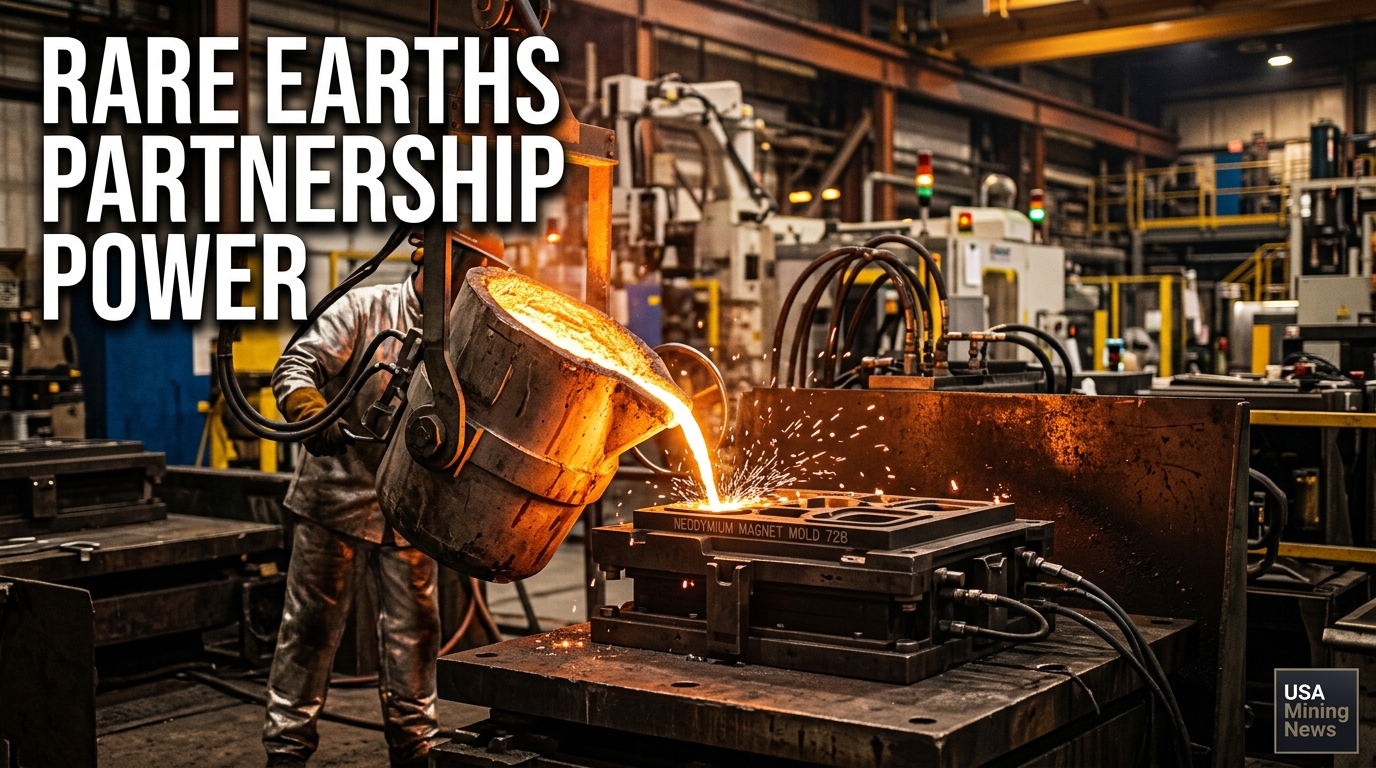
The core of the recently announced collaboration between Lynas Rare Earths and LS Eco Energy centers on a framework agreement outlining their intent to form a partnership for producing rare earth metals. A pivotal element of this arrangement involves LS Eco Energy undertaking the construction of a new rare earth metal facility in Vietnam. This facility will be instrumental in processing various Lynas rare earth products, transforming them from their oxide forms into metal, a critical intermediate step for their ultimate application in permanent magnet production.
While the current announcement is a framework agreement, both companies have committed to negotiating a definitive agreement for a long-term arrangement for metal processing. This layered approach is common in large-scale industrial collaborations, allowing for detailed planning, due diligence, and risk assessment before committing to binding long-term contracts. The strategic rationale for this partnership is clear: Lynas possesses deep experience in the rare earths market, providing high-quality rare earth oxides, while LS Eco Energy brings significant manufacturing expertise essential for sophisticated metallization processes. This synergy aims to create a robust, integrated supply chain capable of meeting the escalating global demand for rare earth metals, particularly for advanced manufacturing sectors.
The Vietnam Facility: A New Hub for Rare Earth Processing
The planned facility in Vietnam, to be built by LS Eco Energy, represents a significant investment in the downstream processing segment of the rare earth value chain. Its primary function will be to convert Lynas’ rare earth oxides into metal form, a crucial transformation for their subsequent use in high-performance permanent magnets. The immediate impact, once formal agreements are in place, is an expected increase in capability to meet rising customer demand for such materials.
Specifically, the arrangement will enable Lynas to supply additional metallised neodymium-praseodymium (NdPr), alongside selected heavy rare earth products including samarium, dysprosium, and terbium. These elements are indispensable for various high-growth industries. NdPr, for instance, is a cornerstone component of the powerful permanent magnets found in electric vehicle (EV) motors, wind turbine generators, and advanced electronics. Dysprosium and terbium are vital for enhancing the heat resistance and magnetic properties of these magnets, especially in high-temperature applications, making them critical for high-performance and defense technologies.
The initial operational focus of the metal-making circuits within the new facility will be on samarium metal production. Samarium is another important rare earth element used in specific types of permanent magnets (samarium-cobalt magnets) that offer high operating temperatures and magnetic properties, finding applications in aerospace, defense, and high-performance motors. The establishment of metallization capacity in Vietnam introduces an important new jurisdiction into the non-Chinese rare earth processing landscape, further contributing to supply chain diversification efforts.
Key Players: A Synergy of Expertise
This strategic partnership brings together two entities with complementary strengths, vital for addressing the complexities of the rare earth industry's value chain.
- Lynas Rare Earths: An ASX-listed company, Lynas stands as one of the world’s leading non-Chinese producers of rare earth materials. With operations spanning from mining and concentrating in Mount Weld, Western Australia, to an advanced processing facility in Malaysia, Lynas has established itself as a reliable supplier of separated rare earth oxides. Its expertise lies in responsibly sourced and processed rare earth minerals, a critical differentiator in a market increasingly focused on environmental, social, and governance (ESG) factors. Amanda Lacaze, Lynas’ CEO and Managing Director, underscored the strategic importance of this collaboration, stating, "Lynas is delighted to work with such a trusted strategic partner as LS Eco Energy to develop new rare earths metallisation capability. Secure access to metallisation is critical to support a robust rare earths industry and participating in the metal-making supply chain is a key pillar of our Towards 2030 growth initiative." Her comments highlight Lynas' ambition to expand its reach further downstream and capture more value in the supply chain.
- LS Eco Energy: As a subsidiary of LS Cable & System, LS Eco Energy is part of a major South Korean industrial conglomerate with a strong track record in manufacturing, engineering, and technology. The parent company, LS Cable & System, is a global leader in cable and systems manufacturing, providing a solid foundation of industrial expertise to its subsidiary. LS Eco Energy’s role in this partnership leverages its "significant manufacturing expertise," which is indispensable for the challenging and precise processes involved in rare earth metallization. Their capability in establishing and operating advanced industrial facilities makes them an ideal partner for building and running the new Vietnam plant.
The combination of Lynas’ raw material security and rare earth market acumen with LS Eco Energy’s manufacturing prowess forms a powerful alliance, strategically positioned to address bottlenecks in the global rare earth supply chain.
Financial Commitments and Broader Strategic Vision
Beyond the operational partnership, the agreement also outlines intentions for forging separate definitive agreements involving the cross-subscription of convertible instruments between Lynas and LS Eco Energy. Each of these financial commitments is valued at approximately A$30 million, equivalent to about $20.89 million based on the exchange rates at the time of the announcement. Convertible instruments typically provide the holder with the option to convert debt or preferred shares into common equity at a predetermined price or a future event. In strategic partnerships like this, such instruments often signify a deeper financial alignment and commitment, allowing both parties to share in the future success and value creation of the joint endeavor as market conditions evolve.
This financial commitment underpins Lynas' broader "Towards 2030 growth initiative." This initiative is Lynas’ strategic roadmap for expanding its global footprint and enhancing its capabilities across the rare earth value chain. It encompasses plans for increased production, diversification of processing capabilities, and strengthening strategic partnerships to ensure secure and diversified rare earth supplies. The investment in metallization capability is a direct response to a recognized bottleneck in the global ex-China rare earth supply chain. By integrating further downstream, Lynas aims to reduce reliance on third-party metallization services and capture greater value from its mined and separated products, ultimately enhancing its competitive position and supply chain resilience.
Market Implications and Supply Chain Resilience
The partnership between Lynas Rare Earths and LS Eco Energy carries significant implications for the global rare earth market, particularly in the context of critical minerals supply chain security. The explicit goal to "meet rising customer demand" highlights the strong growth trajectories in sectors dependent on permanent magnets, such as electric vehicles, wind energy, robotics, and defense applications. As nations globally accelerate their transition to green energy and digital economies, the demand for powerful and efficient permanent magnets continues to surge, in turn driving the need for reliable rare earth metal sources.
A crucial aspect of this collaboration is its contribution to supply chain diversification. Currently, China dominates the metallization stage of the rare earth value chain, creating a single point of vulnerability for global industries. By establishing a new metallization facility in Vietnam with LS Eco Energy, Lynas and its partners are actively working to create alternative, resilient supply routes outside of traditional concentrations. This move aligns with broader governmental and industry strategies in Western economies, Japan, and South Korea to de-risk critical mineral supply chains and build independent capabilities. The move from rare earth oxides to finished rare earth metals like NdPr is a critical value-add step, enabling manufacturers to directly produce magnets, thereby shortening and securing supply lines.
Lynas' Expanding Global Footprint and Partnerships
The agreement with LS Eco Energy is not an isolated event but rather part of Lynas’ broader strategy to expand its global footprint and secure its position across the entire rare earth value chain. Earlier in the month of March, Lynas also signed a memorandum of understanding (MoU) with Japan Australia Rare Earths (JARE) for collaboration on rare earths exploration and development. This MoU focuses on upstream activities—the identification and development of new rare earth element (REE) and related mineral deposits. This complementary partnership with JARE underscores Lynas' comprehensive approach: securing future feedstock through exploration while simultaneously expanding downstream processing capabilities through alliances like that with LS Eco Energy.
The long-standing relationship between Lynas and Japan, especially through financial and technical support from entities such as JARE, has been instrumental in establishing Lynas as a key supplier of rare earths outside of China. The new MoU with JARE further solidifies this strategic axis, ensuring long-term raw material security not just for Lynas, but also for Japan's technologically advanced industries. These partnerships collectively illustrate a sophisticated strategy by Lynas to build a resilient, vertically integrated, and geographically diversified rare earth ecosystem. This approach is paramount for meeting the anticipated surge in global demand and for positioning Lynas as a central player in the future of critical materials supply.
The Road Ahead: Future Outlook and Potential Impact
Looking forward, the immediate next steps for Lynas Rare Earths and LS Eco Energy will involve the detailed negotiation and finalization of definitive agreements, transitioning from the framework agreement to legally binding contracts. Following this, the construction of the new rare earth metal facility in Vietnam will commence, with an implicit timeline aimed at quickly bringing new metallization capacity online to address escalating market needs. The successful execution of this project has the potential for a transformative impact on the global rare earth market.
Strategically, it will further decentralize rare earth processing, reducing reliance on singular global hubs and contributing to a more robust, diversified supply chain. This diversification is crucial for industries reliant on permanent magnets, from automotive and renewable energy to defense, by offering clearer pathways to metallised rare earths from non-Chinese sources. The long-term implications include enhanced price stability, improved access to critical materials, and greater resilience against geopolitical disruptions for manufacturers worldwide. By participating actively in the full value chain—from mine to metal—Lynas and its partners are not only securing their own growth but also playing a vital role in enabling the global transition towards a cleaner, more electrified future. This strategic collaboration is a clear demonstration of the mining industry's adaptability and commitment to fostering secure and sustainable mineral supply chains for the 21st century.