In a significant reflection of the ongoing global energy transition, the Energy Technology podcast released a specialized Earth Day episode on April 21, 2026, titled “Electric Vehicles Across Power, Oil and Gas and Mining.” This highly anticipated installment aimed to provide a comprehensive analysis of electric vehicle (EV) adoption and its far-reaching implications, particularly for the vital mining sector, which underpins the material demands of this transformative shift.
The episode, a collaborative effort by the publication’s expert editors, underscored the undeniable momentum behind EV adoption. This trend is not merely a niche development but a fundamental reshaping of transportation, driven by the imperative to curb emissions and enhance the environmental profile of global transport systems. For industry professionals and investors, understanding the intricate interplay between EV growth and its foundational raw material requirements is paramount.
The Interconnected Energy Landscape and EV Dynamics
The Energy Technology special brought together a distinguished panel of editors: editor-in-chief Jackie Park, oil and gas editor Eve Thomas, and mining editor Alejandro Gonzalez. Their collective expertise provided a multi-faceted perspective on the EV revolution, dissecting its impact across three critical segments of the energy sector. While the immediate focus of EV expansion often centers on the automotive industry and charging infrastructure, the upstream implications for power generation, traditional fossil fuels, and especially raw material extraction are increasingly gaining prominence.
The discussion delved into the evolving EV market landscape, acknowledging the rapid advancements in vehicle technology, consumer acceptance, and regulatory support that are collectively accelerating adoption rates. A key component of this growth is the development of robust charging and grid infrastructurecapable of supporting a burgeoning fleet of electric vehicles. This necessitates significant investment in grid upgrades, renewable energy integration, and smart charging solutions, thereby impacting the power sector profoundly.
For the oil and gas sector, EV adoption represents both a challenge and an opportunity. While it signals a long-term reduction in demand for refined petroleum products for transportation, it also prompts a strategic re-evaluation for operators, leading to "future-proofing strategies." These strategies might include diversification into renewable energy projects, investments in carbon capture technologies, or an increased focus on supplying raw materials for new energy technologies, such as specialty lubricants for EVs or even hydrogen production for fuel cell vehicles. The podcast's exploration of these adaptive measures provides valuable insight into how traditional energy giants are navigating this transition.
Mining at the Forefront: Responding to Changing Mineral Demand
For the mining industry, the surge in EV adoption translates directly into a dramatic shift in global mineral demand. Electric vehicles, particularly their batteries and electric motors, are highly mineral-intensive. The episode highlighted the "changing mineral demand" and "emerging trends in battery technologies," two critical areas where the mining sector must innovate and expand.
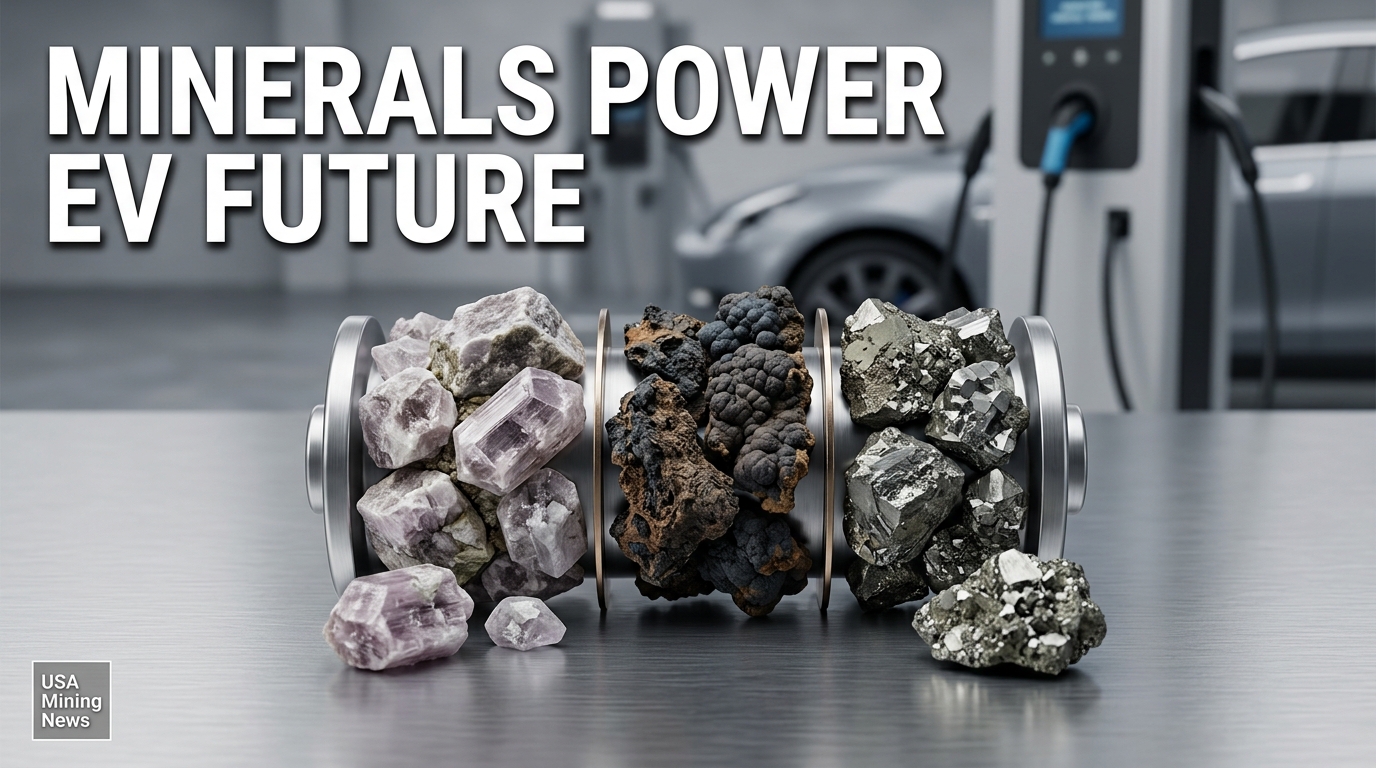
The core of an EV is its battery, and the predominant chemistries – lithium-ion – rely heavily on a specific suite of critical minerals. These include:
- Lithium: The namesake of lithium-ion batteries, essential for its high electrochemical potential and lightweight properties. Demand is projected to soar, requiring significant new brine and hard rock operations.
- Cobalt: Crucial for battery stability, energy density, and cycle life, though efforts are underway to reduce its content due to supply chain concerns and ethical sourcing issues.
- Nickel: A key component in cathodes, especially in higher energy density batteries like NMC (nickel-manganese-cobalt) and NCA (nickel-cobalt-aluminum), offering greater range and power.
- Graphite: Used as the anode material in virtually all lithium-ion batteries, with both natural and synthetic graphite seeing increased demand.
- Copper: While not a battery component per se, copper is vital for electrical wiring, motors, and charging infrastructure within EVs, leading to increased demand across the automotive and energy transmission sectors.
The podcast touched upon "emerging trends in battery technologies," which directly influence the demand profile for these minerals. Innovations such as lithium iron phosphate (LFP) batteries, which use less or no cobalt and nickel, are gaining traction, particularly for standard-range vehicles. Simultaneously, research into solid-state batteries promises even higher energy densities and safety, potentially altering the mineral mix further in the coming decade. Monitoring these technological shifts is essential for mining companies to calibrate their exploration, development, and production strategies effectively.
The importance of this mineral supply chain is underscored by GlobalData's extensive research, as evidenced by reports like "Lithium Mining Market by Reserves and Production, Assets and Projec..." Such detailed analyses provide mining companies and investors with critical data on reserves, ongoing projects, and production capacities, vital for strategic planning in a rapidly expanding market.
Operational Efficiency and the Role of Technology in Mining
Meeting the escalating demand for critical minerals presents significant operational challenges for the mining industry. Increasing production volumes while adhering to stringent environmental, social, and governance (ESG) standards requires substantial investment in new projects and the optimization of existing operations. This is where technological integration becomes indispensable.
The episode’s mention of "Internet of Things (IoT) in Mining - Thematic Research" by GlobalData is particularly pertinent. IoT applications, including sensors, real-time data analytics, and automation, can significantly enhance operational efficiency, safety, and sustainability across the mining value chain. From predictive maintenance of heavy machinery to optimizing ore processing and improving energy management, IoT solutions are critical for maximizing output and minimizing environmental footprints, both of which are under intense scrutiny in the current climate of increased mineral demand.
The enhanced data capabilities provided by IoT enable mining companies to:
- Improve resource utilization: By precisely tracking ore grades and recovery rates.
- Boost productivity: Through automated equipment and optimized mine planning.
- Enhance safety: With real-time monitoring of personnel and equipment in hazardous environments.
- Reduce environmental impact: By optimizing energy consumption and water usage.
These improvements are not just about meeting demand; they are about doing so responsibly and efficiently, a non-negotiable for securing social license to operate and attracting essential investment in the modern mining era.
Market Implications and Future Outlook for the Mining Sector
The implications of sustained EV adoption for the mining market are profound. It represents a generational opportunity for growth, but also considerable risk. The scale of the mineral supply needed requires multi-billion-dollar investments in new mines and processing facilities, often with lead times spanning a decade or more from discovery to first production. This necessitates long-term vision, robust capital allocation, and a stable regulatory environment.
Furthermore, the geopolitical landscape surrounding critical minerals is intensifying. Concentrated supply chains for minerals like cobalt (predominantly from the Democratic Republic of Congo) and the dominance of certain nations in processing and refining create vulnerabilities. Mining companies must navigate these complexities, often exploring diversified sourcing strategies, investing in downstream processing, and working with governments to secure domestic supply capacities. This also influences investment decisions, with a growing emphasis on projects in politically stable jurisdictions with robust legal frameworks.
The Energy Technology podcast, with its commitment to "unpicking emerging trends" and leveraging "data and analysis from GlobalData," serves as a vital resource for industry stakeholders. Episodes that go live every Tuesday at 7 AM EDT (12 PM BST) offer timely, expert perspectives on these dynamic issues, available on major platforms such as Spotify, Apple Podcasts, and Amazon.
Looking ahead, the mining sector's trajectory will be inextricably linked to the pace of EV penetration and battery technology evolution. Mining companies that can successfully adapt to changing mineral requirements, embrace technological advancements like IoT, and uphold stringent ESG standards will be best positioned to capitalize on this immense opportunity. The continuing dialogue and expert analysis provided by platforms like Energy Technology are indispensable for professionals seeking to stay ahead in this transformative period for the global mining industry.