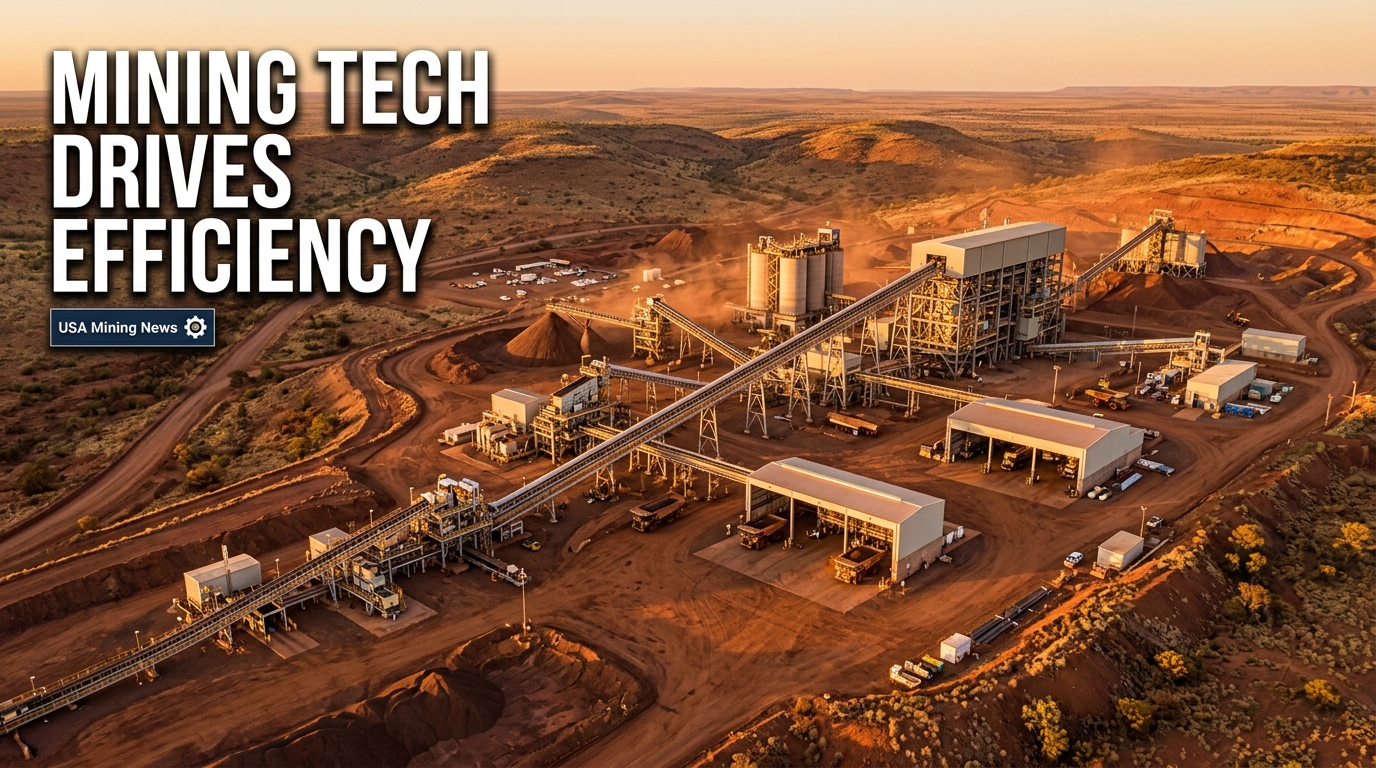
In a pivotal move towards more sustainable and efficient operations, Australia's mining sector is aggressively exploring and implementing cutting-edge technologies designed to drastically cut down energy and water usage in ore processing. As a global leader in mineral production, Australia faces increasing pressure from rising operational costs, environmental regulations, and the imperative to secure a social license to operate, making these technological advancements critical for the industry's future trajectory.
The Imperative for Efficiency: Energy and Water in Australian Mining
Ore processing, particularly the comminution (crushing and grinding) and beneficiation (separation) stages, is notoriously energy- and water-intensive. In Australia, a continent characterized by vast mineral wealth but also significant arid and semi-arid regions, the demand for both resources presents substantial challenges. Energy costs can represent a significant portion of a mine's operating expenditure, while water scarcity can limit expansion, attract stringent environmental scrutiny, and strain relationships with local communities and agricultural sectors.
The traditional approach to ore processing often involves multi-stage crushing, followed by energy-hungry ball mills or semi-autogenous grinding (SAG) mills, all relying heavily on water-based slurries for flotation, gravity, or magnetic separation. This conventional paradigm, while effective, is becoming increasingly unsustainable in an era of heightened environmental awareness and fluctuating commodity prices. Miners across Australia are therefore actively investigating and piloting a range of innovative solutions, moving beyond incremental improvements to fundamentally rethink their processing workflows.
Alternative Crushing Technologies: Reducing the Energy Footprint
The initial stages of ore processing, primarily crushing and grinding, consume the largest share of energy in a typical mining operation. Conventional methods, while robust, are often inefficient in energy transfer, with a significant portion of energy lost as heat or noise. The exploration of "alternative crushing" technologies aims to address this inefficiency head-on, promising substantial energy savings.
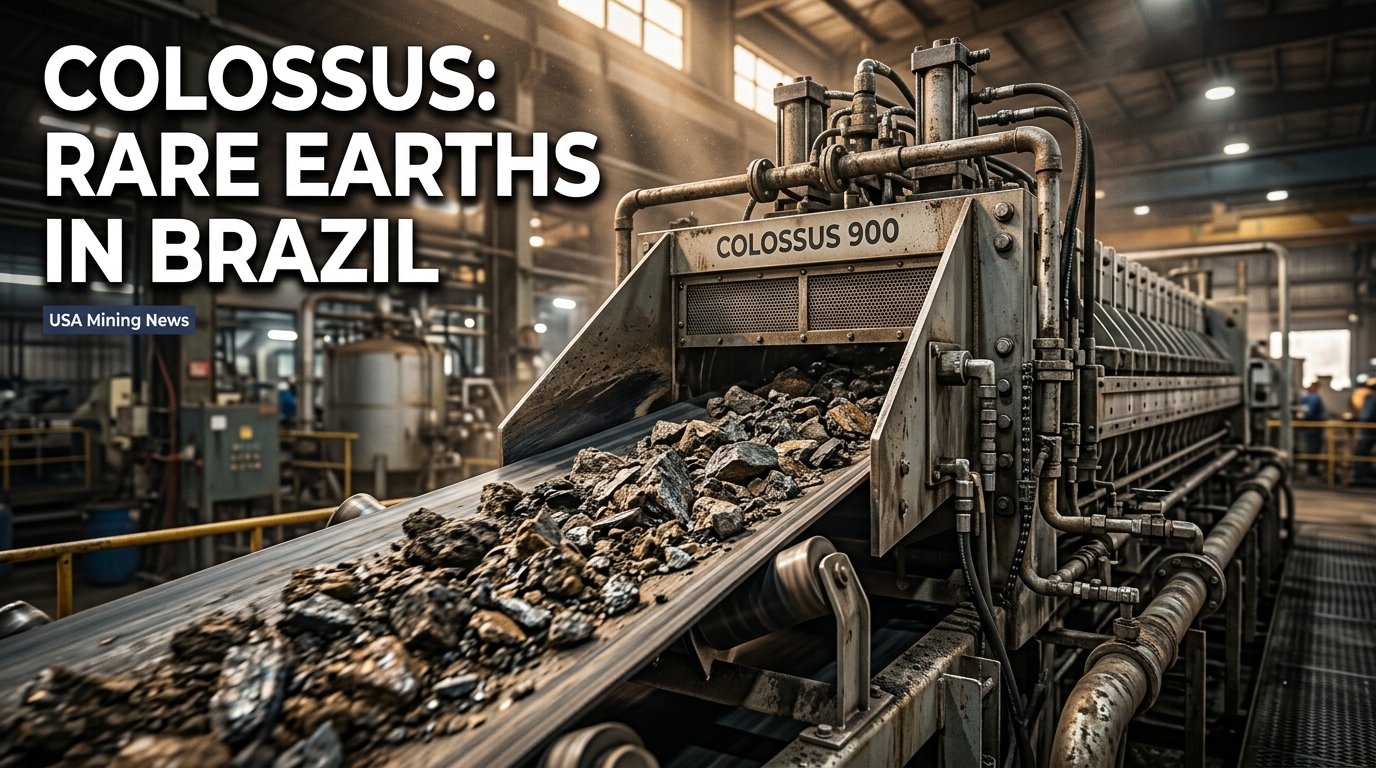
- High-Pressure Grinding Rolls (HPGRs): One of the most prominent alternative crushing technologies gaining traction is the High-Pressure Grinding Roll (HPGR). Unlike traditional mills that use impact and attrition, HPGRs process material by compressing a bed of particles between two counter-rotating rollers. This inter-particle comminution is significantly more energy-efficient, often requiring 30-50% less energy than conventional ball mills for similar particle size reduction. Furthermore, HPGRs produce a product with a higher proportion of micro-cracks, which can enhance downstream liberation of minerals, potentially leading to improved recovery rates and further reducing the energy required in subsequent grinding stages. Their application spans various commodities, from iron ore to copper and gold.
- Vertical Roller Mills (VRMs): While not as universally adopted as HPGRs for primary comminution in hard rock mining, VRMs are also considered an alternative crushing technology, particularly in finer grinding applications. They use a rotating table and large rollers to crush and grind material, offering energy efficiency benefits and a compact footprint.
The transition to these alternative crushing methods represents a strategic shift towards optimizing the comminution circuit, not just for throughput but for energy expenditure per ton of ore processed. By creating a more uniform and favorable feed for subsequent processing steps, these technologies pave the way for overall plant efficiency improvements.
Coarse-Particle Flotation: A Paradigm Shift in Mineral Separation
Froth flotation is the cornerstone of mineral beneficiation for many base metals, precious metals, and industrial minerals. Traditionally, flotation circuits require ore to be ground to very fine particle sizes (typically less than 150 microns) to achieve adequate liberation of valuable minerals from gangue. This fine grinding is a major energy consumer and also necessitates significant water usage for slurry preparation.
"Coarse-particle flotation" technologies challenge this long-held convention by enabling the recovery of valuable minerals at significantly larger particle sizes. This innovation has profound implications:
- Reduced Grinding Energy: By recovering coarser particles, miners can bypass a substantial portion of the fine grinding stage, leading to considerable energy savings. This directly reduces the operational carbon footprint and lowers electricity costs.
- Lower Water Consumption: Coarse particle slurries tend to be denser, requiring less water per ton of solids. Moreover, coarser tailings are generally easier and faster to dewater, further contributing to water recycling and reducing the volume of water stored in tailings facilities.
- Improved Tailings Management: Coarser tailings are often more stable, less prone to acid rock drainage, and easier to dispose of or repurpose. This reduces the environmental liability associated with large volumes of finely ground tailings, which can require extensive impoundment structures and long-term management.
- Enhanced Throughput: Processing coarser material can potentially lead to higher plant throughput, optimizing existing infrastructure and deferring capital expenditure on expansion.
The development of specialized flotation cells and circuits capable of effectively recovering coarse particles is a significant area of research and development. These advancements promise to fundamentally alter the energy-water balance in flotation plants.
Dry Separation Techniques: Eliminating Water Dependence
Perhaps the most radical departure from conventional processing is the push towards "dry separation" technologies. Given Australia's water challenges, minimizing or eliminating water from the beneficiation process holds immense appeal. Dry separation refers to a suite of techniques that physically or chemically separate minerals without the use of water.
Examples of dry separation technologies being explored include:
- Sensor-Based Ore Sorting: This pre-concentration technique uses various sensors (X-ray transmission, X-ray fluorescence, near-infrared, electromagnetic, color, laser) to identify and sort valuable ore particles from barren waste rock before they enter the main processing plant. By rejecting waste material early, the volume of material requiring comminution and subsequent wet processing is significantly reduced, saving both energy and water.
- Dry Magnetic Separation: For magnetic minerals like iron ore, dry magnetic separators can effectively separate magnetic particles from non-magnetic gangue without water. This is a mature technology for specific applications but continuous improvements are being made in efficiency and applicability to a wider range of ores.
- Electrostatic Separation: This method leverages differences in electrical conductivity or charge to separate minerals. It is particularly effective for certain heavy mineral sands and industrial minerals, offering a water-free separation route.
- Air Classification: While not strictly a separation method for valuable minerals, air classification can be used to separate particles by size or density in a dry environment, which can be a preparatory step for other dry separation processes.
The adoption of dry separation techniques carries several compelling advantages:
- Profound Water Savings: The most obvious benefit is the dramatic reduction, or even elimination, of water usage in the separation circuit. This is invaluable in water-stressed regions.
- Reduced Operating Costs: Beyond water, the need for pumping slurries, dewatering concentrates and tailings, and treating process water is minimized, leading to lower energy consumption and reduced chemical use.
- Environmental Benefits: No wet tailings dams mean reduced risk of dam failures, smaller environmental footprints, and easier rehabilitation of mine sites. Dry stacked tailings are generally more stable and manageable.
- Access to New Deposits: Dry separation technologies can unlock the economic viability of deposits in arid regions that were previously uneconomical due to water constraints.
Strategic Implications and Future Outlook for Australian Mining
The proactive embrace of these new technologies in Australian ore processing underscores a broader industry commitment to sustainability and operational resilience. For mining companies and investors, these developments carry significant strategic implications:
- Enhanced Profitability: Lower energy and water costs directly translate to improved profit margins, especially critical during periods of volatile commodity prices.
- Stronger ESG Performance: Demonstrable reductions in environmental impact bolster a company's Environmental, Social, and Governance (ESG) credentials, attracting responsible investment and enhancing social license to operate.
- Competitive Advantage: Miners who successfully integrate these innovations will gain a competitive edge through lower operating costs and reduced exposure to environmental risks.
- Innovation Ecosystem: Australia, with its robust mining equipment, technology, and services (METS) sector and world-class research institutions like the CSIRO, is well-positioned to be a global hub for the development and deployment of these advanced processing solutions.
The exploration of alternative crushing, coarse-particle flotation, and dry separation is not merely a technical exercise; it represents a fundamental rethinking of how minerals are extracted and processed. As Australia's mining sector continues to evolve, these technologies are expected to move from pilot and demonstration phases to widespread adoption, transforming the industry into a more efficient, environmentally responsible, and economically robust powerhouse on the global stage. The journey towards zero-waste and zero-water processing may be long, but these innovations mark crucial steps in that ambitious direction, ensuring the long-term viability of mineral supply for global demands.