WASHINGTON – The reliability of the nation’s electrical grid is a cornerstone of economic stability and industrial productivity, a truth acutely underscored by a recent, swift intervention from the U.S. Department of Energy. On October 12, 2026, U.S. Secretary of Energy Chris Wright issued an emergency order to PJM Interconnection, L.L.C. (PJM), the independent system operator for the mid-Atlantic region, signaling a proactive effort to preempt potential blackouts and stabilize power supply for millions of homes and businesses.
This critical directive, effective from October 13 through October 16, 2026, comes at a time of heightened vulnerability for the grid, characterized by a confluence of elevated electricity demand, a high rate of planned generator outages typical of the autumn maintenance season, and numerous planned transmission outages. For an industry as energy-intensive as mining, where uninterrupted power is paramount for operations, safety, and profitability, this development offers a stark reminder of the intrinsic link between national energy infrastructure and industrial output.
Emergency Intervention to Stabilize the Mid-Atlantic Grid
Secretary Wright’s emergency order was a direct response to an application submitted by PJM on October 11, 2026, outlining the precarious conditions facing the mid-Atlantic grid. The core of the order grants PJM the authority to dispatch specific generating units and to mandate their operation as needed to maintain system reliability. Crucially, it also empowers PJM to direct backup generation resources to operate as a last resort. This critical step is authorized either before declaring an Energy Emergency Alert (EEA) 3 – which signifies critical operating conditions and a high risk of rolling blackouts – or during an EEA 3 event itself.
The swift action reflects a commitment to ensuring continuous power flow across a vital economic corridor. Secretary Wright emphasized the significance of the order, stating, “This order will help ensure millions of American families and businesses across the mid-Atlantic have access to affordable, reliable, and secure electricity by making additional power generation, including backup power, available to use as needed.” This emergency measure, though temporary, highlights the pressing need for flexible and dispatchable power resources to navigate periods of grid stress.
The Nexus of Demand, Maintenance, and Infrastructure Stressors
The conditions necessitating this emergency order are symptomatic of the complex operational challenges inherent in managing a vast electrical grid. Grid operators like PJM constantly balance supply and demand, a task complicated by a range of factors:
- Elevated Demand: While the source material does not specify the exact drivers, elevated demand in autumn can stem from various factors, including unseasonably warm or cold weather patterns increasing heating or cooling loads, or a resurgence in industrial activity.
- Planned Generator Outages: The autumn maintenance season is a strategic period for power generators to take units offline for essential inspections, repairs, and upgrades. This scheduling is typically designed to occur during periods of historically lower demand, often between the summer and winter peaks. However, a "high rate" of such outages simultaneously reduces available generation capacity, making the grid more susceptible to shocks.
- Planned Transmission Outages: Similar to generation units, transmission lines and substations require periodic maintenance and upgrades. These planned outages are crucial for long-term grid health and modernization but temporarily reduce the pathways for electricity to flow from generators to consumers.
The convergence of these three factors creates a "stressed system condition" where the margin of safety between available supply and anticipated demand shrinks precariously. Grid operators must perform a delicate balancing act, coordinating maintenance schedules with demand forecasts to prevent system overloads or shortfalls. The emergency order provides PJM with additional tools to navigate this narrow margin effectively.
PJM Interconnection: Guardian of Regional Reliability
PJM Interconnection, L.L.C., plays a pivotal role in the operational integrity of the mid-Atlantic’s energy landscape. As a regional transmission organization (RTO) and independent system operator (ISO), PJM coordinates the movement of wholesale electricity in all or parts of 13 states—Delaware, Illinois, Indiana, Kentucky, Maryland, Michigan, New Jersey, North Carolina, Ohio, Pennsylvania, Tennessee, Virginia, West Virginia—and the District of Columbia. Its responsibilities are multifaceted:
- Operating the Grid: PJM ensures the moment-to-moment reliability of the high-voltage transmission system.
- Administering Wholesale Electricity Markets: It facilitates competitive markets for energy, capacity, and ancillary services, promoting economic efficiency.
- Planning for the Future: PJM conducts long-term transmission planning to ensure the grid can meet future demand and integrate new generation sources.
The emergency order specifically authorizes PJM to call upon its Transmission Owners and Electric Distribution Companies to implement the directive as needed. This highlights the hierarchical structure of grid operations, where the RTO sets overall policy and dispatch instructions, which are then executed by the local utilities responsible for the physical infrastructure and retail delivery of power.
The Broader Policy Context: Reliability in a Shifting Energy Landscape
Secretary Wright’s statement also touched upon a contentious but critical debate within the energy sector. He noted, “While past leaders’ energy subtraction policies have made the grid more vulnerable to the risk of blackouts when the sun doesn’t shine or the wind doesn’t blow, this administration remains committed to using every available tool to prevent blackouts.” This commentary reflects ongoing policy discussions regarding the retirement of conventional baseload power plants, such as coal and nuclear, and the rapid integration of intermittent renewable energy sources like solar and wind power.
While renewables are essential for decarbonization goals, their variable nature presents challenges for grid stability if not adequately supported by dispatchable backup generation, energy storage, or robust transmission infrastructure. The Department of Energy’s estimate that "more than 35 GW of unused backup generation remains available nationwide" underscores the administration's belief that existing, underutilized resources can be leveraged to enhance reliability. This figure represents a substantial pool of potential dispatchable capacity that, if integrated effectively, could provide critical stability during periods of grid stress.
Implications for the Mining Sector: A Critical Perspective
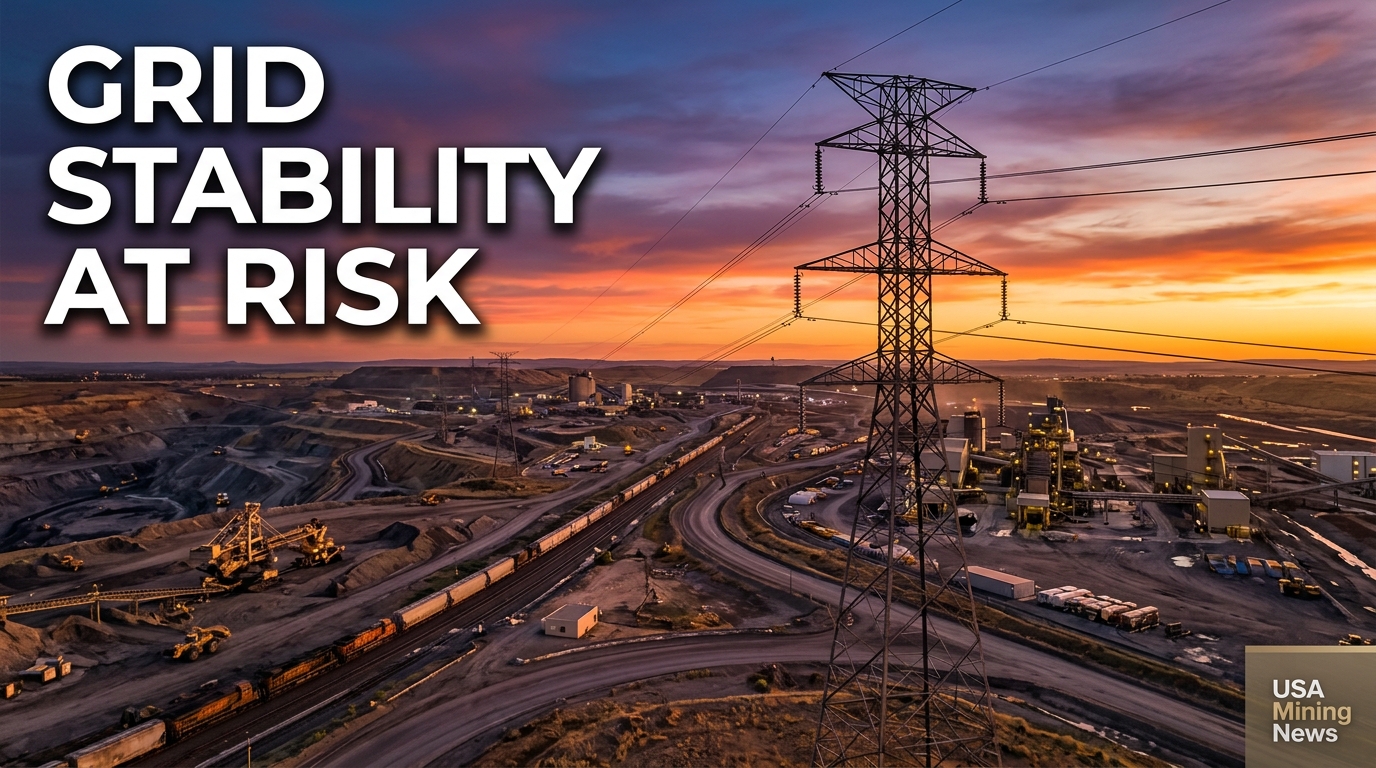
For the U.S. mining industry, the stability and reliability of the electrical grid are not merely abstract policy debates but direct determinants of operational viability and economic competitiveness. Mining operations are inherently energy-intensive, relying on a consistent and robust power supply for every stage of the process:
- Extraction and Haulage: Large-scale machinery, conveyors, and ventilation systems in underground mines consume vast amounts of electricity.
- Processing and Refining: Crushing, grinding, flotation, and smelting processes are particularly power-hungry, often requiring continuous, high-voltage input.
- Safety and Environment: Continuous power is critical for safety systems, dewatering pumps, and environmental controls.
A blackout, even a temporary one, can have devastating consequences for a mine. Beyond the immediate loss of production, it can lead to damaged equipment, compromised safety protocols, and significant financial losses due to downtime and restart costs. For mines operating within or relying on the PJM footprint, Secretary Wright’s emergency order provides immediate reassurance against such disruptions, ensuring continued access to the “affordable, reliable, and secure electricity” vital for their operations.
Moreover, the broader policy discussion around grid reliability has direct implications for the mining industry. Policies that ensure an "all-of-the-above" energy strategy, including firm, dispatchable power sources – many of which are fueled by mined commodities like coal, uranium, or natural gas (fracked via aggregates and proppants) – are generally viewed favorably by the sector. Conversely, policies that are perceived to prematurely retire baseload capacity without adequate replacements can increase energy costs and introduce volatility, directly impacting mining’s operational expenditures and investment decisions.
Finally, the demand for metals is intrinsically linked to energy infrastructure. Investments in grid hardening, expansion, and the development of new generation capacity, regardless of fuel source, drive demand for a wide range of mined commodities. Copper for transmission lines, aluminum for conductors, steel for towers and power plant construction, and critical minerals for advanced battery storage technologies all represent significant market opportunities for the mining sector. Therefore, ensuring grid reliability and investing in its future resilience is a direct boon to the demand for essential mined materials.
Looking Ahead: Ensuring Long-Term Grid Resilience
While the emergency order for the mid-Atlantic grid is a temporary measure, its issuance highlights the enduring challenge of maintaining a resilient and adaptable energy infrastructure. The period of October 13-16, 2026, will serve as a crucial test of the grid’s operational flexibility and the effectiveness of PJM’s response mechanisms under the Secretary's directive.
Beyond this immediate intervention, the broader industry conversation will undoubtedly continue to revolve around long-term strategies for grid reliability. These include ongoing investments in modernizing transmission infrastructure, diversifying generation portfolios with a balanced mix of dispatchable and renewable resources, advancing energy storage technologies, and implementing sophisticated demand-side management programs. As Secretary Wright affirmed, the administration is "committed to using every available tool to prevent blackouts," signaling a continued focus on proactive measures to safeguard the nation’s energy supply.
The U.S. mining industry, as a foundational consumer and supplier to the energy sector, will remain a critical stakeholder in these discussions, advocating for policies and investments that prioritize energy security, affordability, and reliability for the continued prosperity of industrial operations across the nation.