In an era defined by exponential digital growth, the relentless expansion of data centers globally, particularly by technology giants, has created an urgent and escalating demand for stable, low-carbon energy sources. As these "hyperscalers" continue to scale their operations, the imperative for reliable, clean power has pushed geothermal energy to the forefront of sustainable solutions. This emerging sector, buoyed by innovative next-generation energy technologies, is increasingly capable of tapping into Earth's heat reserves in locations previously considered uneconomical or inaccessible.
The remarkable transition of geothermal from a niche renewable source to a major contender is underpinned by a surprising alliance: the deep integration of expertise and equipment from the conventional oil and gas industry. This synergy, detailed in a recent October 7, 2026, report by Eve Thomas, highlights how much of the physical buildout of new geothermal systems relies directly on traditional hydrocarbon exploration and production methodologies. This symbiotic relationship not only promises to accelerate the deployment of geothermal projects but also offers a potential pivot for existing hydrocarbon infrastructure and workforce.
The scale of this opportunity is immense, with investment in geothermal projects forecast to reach an astounding $2.5 trillion by 2050. This financial outlook underscores the transformative potential of geothermal, not just for power generation but also for reshaping industrial landscapes and creating new avenues for cross-sector collaboration. However, as Florent Rousset, vice-president of new energy at Baker Hughes, points out, questions regarding risk-sharing models and aggressive delivery timelines remain critical considerations for the industry.
Big Tech's Drive Towards Geothermal
The allure of geothermal energy for large-scale data center operations is multifaceted and compelling, as articulated by Rousset. "Geothermal brings a couple of things to the table that are fairly unique," he explains. "The first one is speed, the ability to bring power online and to bring electrons to the grid quickly, and the second one is baseload low-carbon renewable power." This "compelling combination" of rapid deployment potential and consistent, non-intermittent clean energy has undeniably captured the attention of Big Tech.
Evidence of this growing interest is manifest in a series of high-profile power purchase agreements (PPAs) and investment deals. Google, a prominent player in the data center market, signed a PPA with Fervo Energy for its Cape Station project in Utah in September 2026. This landmark agreement was preceded by Google's earlier deals with Ormat in February 2026 and another PPA with Fervo via NV Energy in June 2024, signaling a sustained commitment to geothermal. Similarly, Meta has entered into agreements with XGS Energy in June 2025 and Sage Geosystems in August 2024. Not to be outdone, industry titans Microsoft and Amazon have also publicly committed to geothermal development through their own agreements with various developers, solidifying geothermal's position as a preferred clean energy solution for these energy-intensive operations.
The dramatic shift in interest is particularly striking when juxtaposed against historical investment figures. The International Energy Agency (IEA) reported that global financing for geothermal projects amounted to a mere $22 million in 2018. Rousset attributes this monumental change primarily to significant technology improvements, many of which were "developed, in particular, in the context of the unconventional revolution of the last two decades in North America." He emphasizes that "Just like the oil and gas operators had an incredible learning curve, drilling those wells faster, drilling them longer, there is the opportunity to leverage all that know-how and bring it into the geothermal space."
Leveraging Oil and Gas Expertise and Technology
The technical foundation for this geothermal renaissance is rooted deeply in the methodologies and equipment refined over decades within the oil and gas industry. Rousset highlights that emerging, next-generation geothermal systems are "more technology-intensive in many ways than conventional hydrothermal has been." This technological intensity directly translates into the adoption of advanced fossil exploration and production techniques.
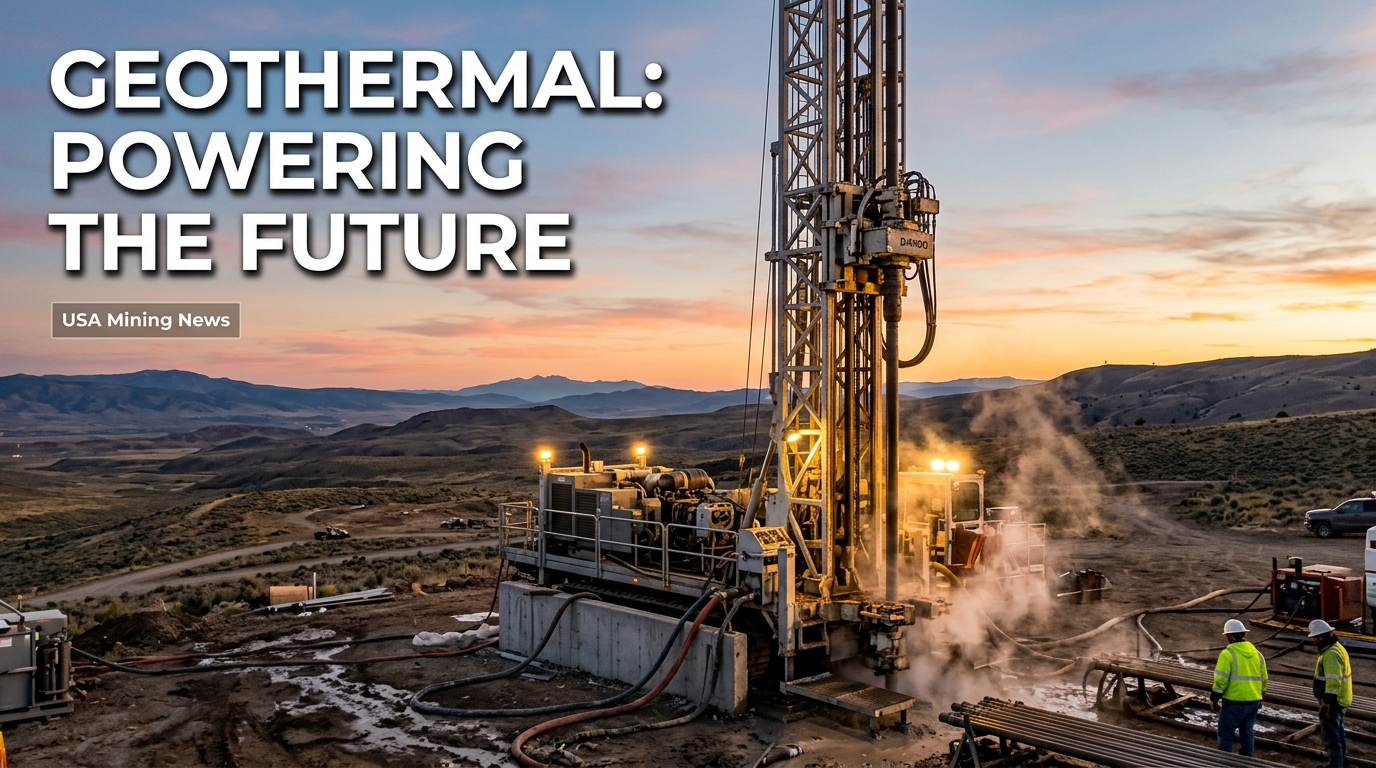
Key among these are hydraulic fracturing and horizontal drilling. These methods, perfected in the pursuit of shale gas and oil, are now being ingeniously applied to geothermal development, allowing operators to penetrate harder rock formations and tap into heat resources at greater depths across a broader geographical range. "A lot of the skills, a lot of the technologies required to bring those new geothermal resources online have been honed in the oil and gas industry," Rousset confirms.
Operationally, the development path for geothermal projects closely mirrors that of natural gas initiatives. Both require parallel technologies and infrastructure components, including specialized drill bits (often made from hardened steel and carbide alloys), robust pumps (essential for fluid circulation and pressure management), various chemicals (for drilling muds, stimulation, and corrosion control), and power generation infrastructure to support on-site operations. Rousset further explains the procedural similarities: "There is a phase of desktop study. There is a phase of exploration drilling. There is a phase of appraisal and pilot testing, and eventually a long phase of operations, productions, region of alienation and eventually abandonment." This operational congruence positions oil and gas service providers, who "have been developing and delivering that type of technology for decades," uniquely to transition and excel in the burgeoning clean energy sector.
Navigating Geothermal Development Challenges
Despite the evident synergies and vast opportunities, Rousset is quick to underscore that the geothermal sector presents its own set of distinct challenges. While parallels with oil and gas are numerous, "there are a couple of features really that are fairly unique in the geothermal space."
One significant hurdle involves integration challenges. Unlike fossil fuel extraction, where fuel can be transported to power plants, geothermal operators must locate power plants directly adjacent to well sites. This necessity arises from the need to minimize thermal losses as heated fluids are brought to the surface. Consequently, geothermal developments must incorporate local downstream plans and secure robust offtake agreements from the earliest planning stages, adding complexity to project development and siting.
Another attractive, yet challenging, prospect is well repurposing. The idea of converting existing oil and gas wells into geothermal assets is appealing due to their known geological formations, pre-drilled status, and occasional access to high-temperature reservoirs. However, significant concerns remain, particularly "understanding the integrity of those wells, and whether they can be repurposed safely is a key component," according to Rousset. The structural soundness, material compatibility with geothermal fluids, and long-term reliability of legacy wells under new operational parameters are critical unknowns.
Furthermore, scale represents a considerable concern. "Power projects leveraging geothermal typically require some significant exploitation of the resource," Rousset states, elaborating, "We are talking about tens or hundreds of megawatts, sometimes gigawatts." While well repurposing offers individual project benefits, its viability at the large scales required for significant power generation remains unproven, prompting questions about its ultimate contribution to the broader energy transition.
Strategic Site Selection by Hyperscalers
Notwithstanding these inherent challenges, the enthusiasm of Big Tech for geothermal remains undimmed. Rousset observes that hyperscalers are adopting a highly tactical approach to geology and site feasibility, reflecting a sophisticated understanding of resource development. "We have seen some of the companies that are working on data centres be very proactive in understanding not only which parts of the US and the world have the right subsurface feature to generate power but also understanding which parts have the right surface features to generate power quickly," he notes.
This strategic assessment extends beyond just the subsurface thermal gradients to encompass crucial surface-level considerations. These include the local topography, proximity and ease of interconnection to existing electrical grids, and, critically, "the presence of the oil and gas ecosystem to bring in the right tools and the right equipment on-site." This holistic approach underscores the industry's recognition of the interdependent nature of geothermal development, requiring robust infrastructure and specialized services for efficient project execution. Rousset acknowledges that the geothermal commercial and risk-sharing model is "still evolving," suggesting that a lack of a standardized template offers flexibility for innovative contractual arrangements.
Market Implications and Future Outlook for the Mining Sector
For the mining industry, the rapid ascent of next-generation geothermal energy, driven by Big Tech and enabled by oil and gas technologies, presents a dual set of significant implications and opportunities. Firstly, the forecast investment of $2.5 trillion by 2050 signals a sustained and growing demand for a wide array of raw materials critical to the construction and operation of geothermal facilities. This includes, but is not limited to, steel and specialized alloys for drilling pipes and casings, vital for resisting high temperatures and corrosive geothermal fluids. The advanced drill bits used in deeper, harder rock formations require robust materials like tungsten carbide, a direct output of specific mining operations.
Beyond the drilling infrastructure, the development of geothermal power plants necessitates substantial quantities of copper for electrical components, generators, and transmission lines, as well as various industrial minerals for concrete and other construction materials. Pumps, often requiring nickel and chromium for corrosion resistance, are integral to circulating geothermal fluids. The chemicals used for drilling and reservoir management also depend on the mining and processing of various industrial minerals. This burgeoning demand underscores the vital role of the mining sector in enabling the energy transition, requiring robust and ethical supply chains to meet future needs.
Secondly, this pivot towards geothermal offers a strategic pathway for traditional hydrocarbon infrastructure and service companies. As the energy landscape evolves, mining companies with expertise in geological exploration, drilling, and project management—often mirroring capabilities in the oil and gas sector—may find new avenues for diversification and collaboration. The demand for baseload, low-carbon power also offers long-term energy stability, which is particularly beneficial for energy-intensive industries like mining, providing a more predictable and sustainable power supply for operations.
The success of next-generation geothermal relies on continuous innovation and cross-industry collaboration. The ability to leverage the immense "know-how" from the oil and gas sector is a testament to the power of interdisciplinary approaches to solving complex energy challenges. For mining professionals and investors, understanding these shifts is crucial. It points towards not only new market demands for critical minerals but also highlights the evolving nature of industrial partnerships required to power the digital future. Geothermal's trajectory suggests a future where the Earth's deep heat, unlocked by advanced technology, plays an increasingly central role in global energy security and decarbonization, offering profound implications for the entire industrial supply chain, including the mining sector.