Tragic Accident Halts Operations at Peru's Las Bambas Copper Mine
A profound tragedy struck Peru's prominent Las Bambas copper mine on August 18, leading to the deaths of two workers and injuries to three others. The incident, which occurred during routine maintenance operations, has prompted an immediate investigation by Peruvian authorities and a temporary suspension of mining activities at the site. Operated by China’s MMG, Las Bambas is a cornerstone of global copper supply, making this event a significant concern across the international mining industry.
The accident casts a somber spotlight on the inherent risks within the mining sector, particularly in complex, high-altitude environments such as Las Bambas. For industry professionals, this incident serves as a stark reminder of the paramount importance of robust safety protocols, rigorous training, and vigilant oversight in all operational facets, from large-scale extraction to critical maintenance tasks. The subsequent investigations will be closely watched for insights into preventing future tragedies and reinforcing occupational safety standards across the globe.
Details of the Incident and Immediate Response
The fatal incident unfolded on Tuesday, August 18, 2026, during a pump replacement maintenance operation at a clarification pond. This facility is located approximately 9 kilometers from the main Las Bambas process plant, a considerable distance that often necessitates independent operational protocols and logistics. Clarification ponds are integral components of mining operations, used to settle solids from process water before it is recycled or discharged, making their maintenance critical for environmental compliance and operational efficiency.
The two workers who tragically lost their lives were identified as Richard José Flores Rhea, an employee of Las Bambas, and Tony Nilson González Challa, a contractor from SINAR Perú. The involvement of both direct employees and contractor personnel in the incident highlights the interconnected nature of modern mining workforces and the shared responsibility for safety across all tiers. In addition to the fatalities, three other workers sustained injuries and are currently receiving medical attention.
In the immediate aftermath of the accident, MMG, the operator of Las Bambas, took decisive action by temporarily suspending all operations at the mine. This is a standard, albeit impactful, procedure following such severe incidents, allowing for initial response, investigation, and ensuring the safety of remaining personnel. MMG has announced a planned gradual restart of operations from August 21, indicating a swift, yet cautious, return to production. The company has also confirmed it is providing comprehensive support to the families of the deceased, offering assistance to the injured workers, and has arranged counselling services for staff affected by the tragic event, underscoring its commitment to employee welfare during this difficult period.
Regulatory Scrutiny and Corporate Accountability
Following the incident, Peru’s National Superintendency of Labor Inspection (Sunafil) swiftly launched an investigation into the circumstances surrounding the accident. Sunafil officials are actively inspecting the site, meticulously gathering evidence and information to verify the sequence of events, identify potential contributing factors, and assess compliance with occupational health and safety regulations. This regulatory oversight is crucial for ensuring accountability and for implementing corrective measures that can prevent recurrence.
MMG has publicly affirmed its full cooperation with the authorities, acknowledging the gravity of the situation and the necessity for transparency. In parallel with Sunafil's external probe, the company has initiated its own internal investigation. Such dual investigations are common practice in the mining industry, with internal reviews often delving deeper into specific operational procedures, equipment maintenance records, and safety training protocols to complement the regulatory body’s broader inquiry. The findings from both investigations will be critical for understanding the root causes and for implementing improvements across the industry.
The mining sector operates under stringent safety regulations globally, particularly for high-risk activities such as working with large machinery, at significant heights, or within complex chemical processing environments. This incident at Las Bambas will undoubtedly prompt a renewed focus on the effectiveness of existing safety management systems, risk assessments, and emergency response plans, not just at MMG, but across all major mining companies operating in similar conditions.
Las Bambas: A Global Copper Powerhouse
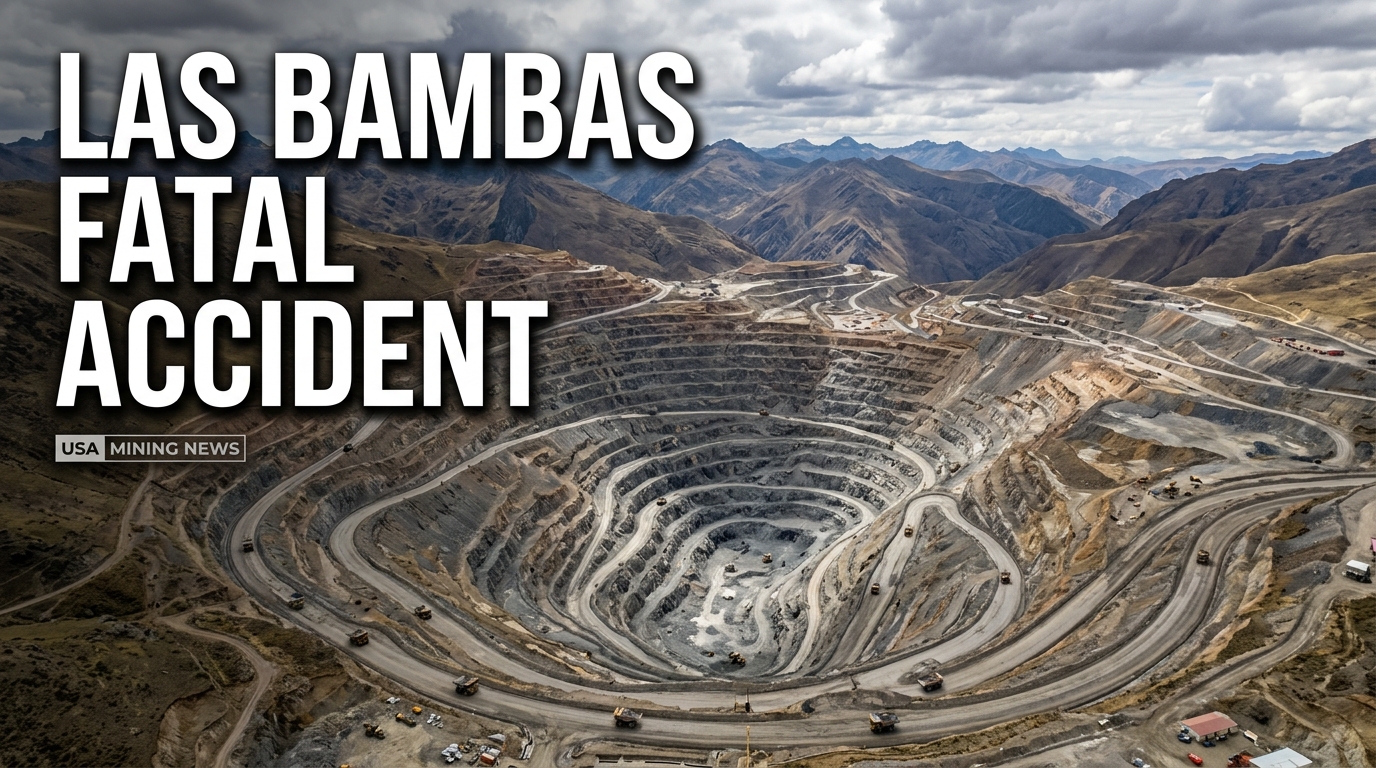
The Las Bambas mine is a critical asset within the global copper supply chain, contributing significantly to Peru's national economy and to meeting the world's increasing demand for this vital industrial metal. Situated more than 4,000 meters above sea level near Challhuahuacho, nestled between the Cotabambas and Grau provinces in Peru’s Apurímac region, the mine operates in a challenging, remote Andean environment. This high-altitude setting presents unique operational complexities, including logistical challenges, specialized equipment requirements, and considerations for worker health and safety related to atmospheric conditions.
Commercially operational since 2016, Las Bambas has rapidly ascended to become a key player, accounting for approximately 2% of the world’s total copper output. This substantial contribution underscores its importance to the global market, particularly as copper demand continues to surge due to its essential role in renewable energy technologies, electric vehicles, and infrastructure development.
In the year prior to the incident, 2025, the mine demonstrated robust performance, producing 410,829 metric tons of copper. This figure represents a remarkable 28% increase over its 2024 supply forecast, according to data from Peru’s Ministry of Energy and Mines. Such strong production growth highlights MMG's efforts to optimize output and capitalize on favorable market conditions, even while navigating the complexities of its operational environment.
Despite its operational successes, Las Bambas has faced previous operational halts. These disruptions have often stemmed from protests by local communities seeking greater economic benefits and social investment from mining activities. Managing these socio-environmental dynamics is a perennial challenge for large-scale mining projects, particularly in regions with long histories of resource extraction and indigenous populations. The current halt, though triggered by a safety incident, adds to the mine's history of intermittent operational pauses, which collectively draw attention to the multifaceted risks inherent in the industry.
Broader Implications for the Copper Market and Mining Industry
While the temporary suspension of operations at Las Bambas is anticipated to be brief, even short-term disruptions at a mine responsible for 2% of global copper output can send ripples through commodity markets. Copper prices are sensitive to supply concerns, and any indication of instability from a major producer can influence market sentiment. For industrial consumers and investors, monitoring the full resumption of operations and any long-term impacts on production guidance will be key.
Beyond market dynamics, the incident at Las Bambas serves as a critical inflection point for reinforcing a culture of safety across the mining industry. It highlights the imperative for:
- Enhanced Safety Protocols: Continuous review and updating of safety procedures, particularly for high-risk maintenance tasks and in challenging operating environments.
- Contractor Integration: Ensuring that safety standards and training extend seamlessly to contractors, recognizing that a significant portion of mining work is performed by external personnel.
- Emergency Preparedness: Evaluating the efficacy of emergency response plans and medical support systems, especially in remote or high-altitude locations.
- Leadership Commitment: Demonstrating unwavering commitment from company leadership to prioritizing safety over production targets.
Looking Ahead: Investigations and Operational Resumption
The immediate focus for MMG and Peruvian authorities remains on the thorough completion of the investigations. The findings from both Sunafil's external probe and MMG's internal review will be instrumental in identifying the precise causes of the accident, determining any potential lapses in safety protocols, and recommending corrective actions. These recommendations could range from modifications to equipment maintenance procedures, enhancements in worker training, or revisions to site-specific safety regulations.
As Las Bambas gradually restarts operations from August 21, close monitoring will be essential to ensure that all necessary safety measures are in place and that the workforce feels secure in returning to their duties. The phased resumption will likely involve rigorous safety audits and perhaps revised operational directives informed by initial investigation insights.
The long-term impact on MMG’s reputation and operational strategy will hinge on the transparency of the investigations and the tangible steps taken to prevent future incidents. For the families of Richard José Flores Rhea and Tony Nilson González Challa, and for their injured colleagues, the mining community extends its deepest sympathies, while simultaneously committing to learn from this tragedy to safeguard the lives of workers across the global industry. This incident serves as a stark reminder that while mining extracts vital resources, the safety and well-being of its workforce must always remain the highest priority.