Shuka Minerals Ignites Zambia's Kabwe Legacy with Pivotal Drilling Campaign
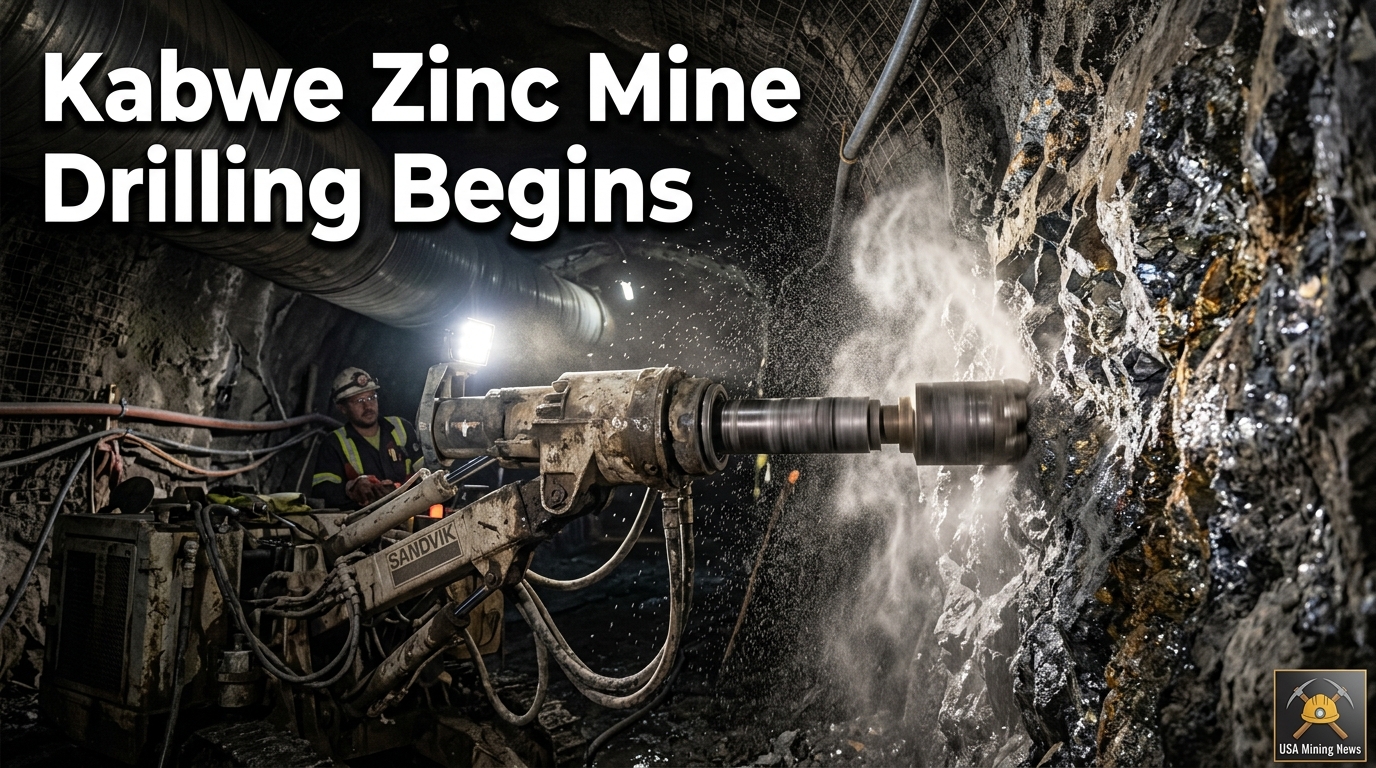
Kabwe, Zambia – Shuka Minerals, a prominent exploration and development company listed on two stock exchanges, has officially launched its crucial 2,000-meter phase one drilling program at the historic Kabwe Zinc Mine in Zambia. The initiative, which began in mid-May 2026, marks a significant step in the company’s ambitious 2026 exploration agenda, with an explicit goal to potentially boost the mine’s No.2 ore body resource by 50% based on the forthcoming results. This development not only highlights renewed investment in a historically significant mining district but also underscores the escalating global focus on critical and strategic minerals.
The Kabwe Zinc Mine, formerly known as Broken Hill Mine, boasts a rich history of lead and zinc production, making this revitalization effort by Shuka Minerals an eagerly watched development within the broader African mining landscape. The current drilling on the No.2 ore body is engineered to unlock further economic potential from a deposit already known for its substantial mineralization.
Shuka Minerals Initiates Phase One Drilling at Kabwe
The comprehensive phase one drilling program, focused specifically on the No.2 ore body, commenced with a strategic approach designed to probe deeper into the known mineralization. To execute this vital operation, Shuka Minerals, operating through its Zambian subsidiary, Leopard Exploration and Mining (LEM), appointed Ox Drilling as the primary contractor. This appointment was finalized in April 2026, preceding the start of the drilling campaign.
The program involves diamond drilling, with the initial drill hole set at a precise 65-degree angle. This calibrated trajectory is designed to penetrate approximately 220 to 230 meters below the current operational levels, targeting extensions of the ore body that have historically shown promising mineralization. The on-site operations are being meticulously overseen by the GeoQuest geological team, working in close collaboration with Shuka Minerals’ CEO, Richard Lloyd, ensuring adherence to rigorous technical standards from the outset.
Resource Expansion Target and Geological Context
Central to Shuka Minerals’ 2026 exploration program at Kabwe is the ambitious target of increasing the existing resource within the No.2 ore body by 50%. This target, while significant, is contingent upon the successful outcomes of the current drilling operations and subsequent analysis.
According to the detailed
A particularly encouraging geological indicator is that the No.2 ore body remains open at depth. This term is crucial in mining geology, signifying that the mineralization extends beyond the currently delineated boundaries and has the potential for significant expansion with further drilling. The current drilling campaign, aimed at reaching depths of 220-230 meters, is specifically designed to test this open-at-depth potential, which could substantially contribute to the targeted 50% resource increase.
Critical and Strategic Minerals Exploration
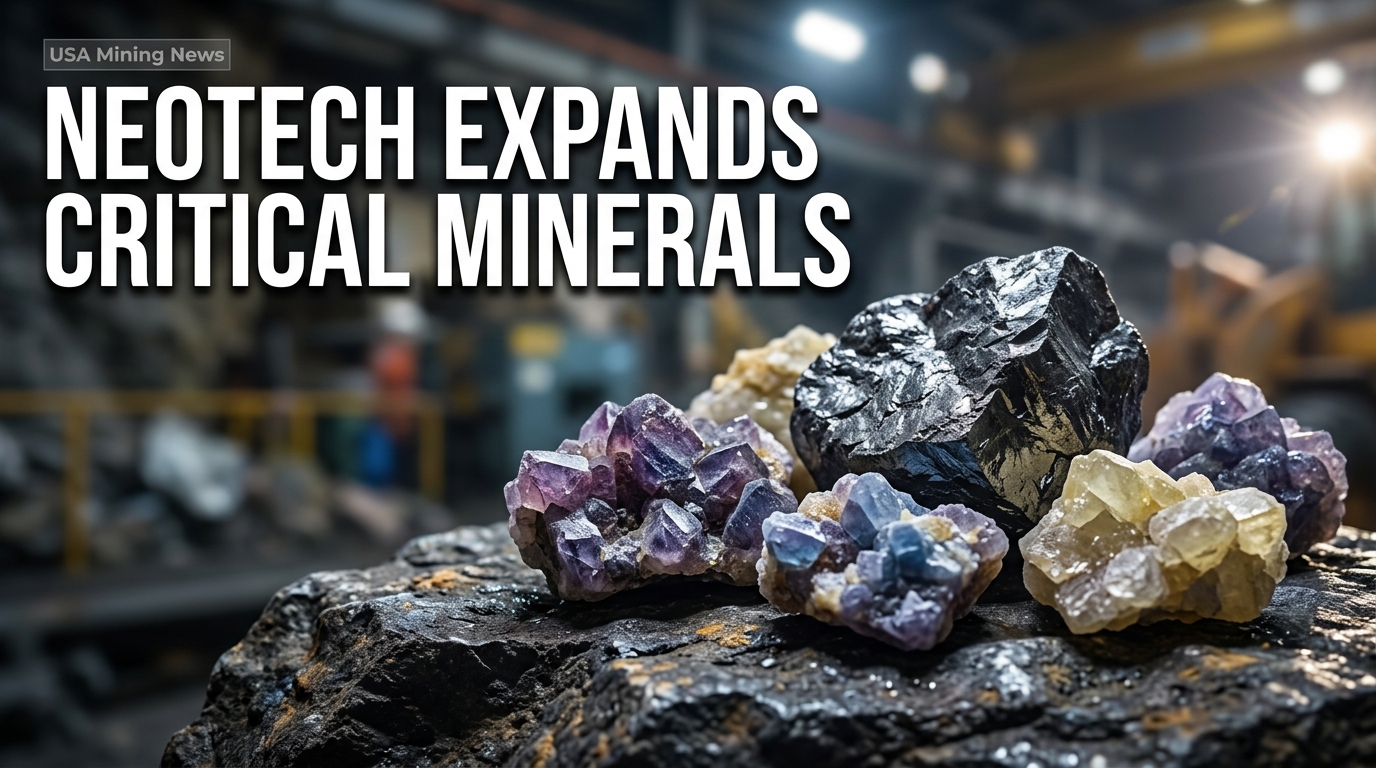
While past exploration efforts at Kabwe have predominantly focused on zinc and lead, the No.2 ore body is known to contain a suite of other valuable elements. These include silver, vanadium, gallium, and germanium. Historically, these by-products have not been the primary focus of exploration, but Shuka Minerals is setting a new course to thoroughly investigate their potential. This strategic shift aligns with the growing global demand for what are termed "critical" and "strategic" minerals, essential for high-tech industries, renewable energy technologies, and national security applications.
- Silver: A precious metal with significant industrial applications, particularly in electronics, solar cells, and photography.
- Vanadium: Primarily used as an alloying agent for steel to increase strength and reduce weight, and increasingly important in large-scale energy storage solutions like vanadium redox flow batteries.
- Gallium: A crucial component in semiconductors, LEDs, and high-frequency communication devices.
- Germanium: Utilized in fiber optics, infrared optics, and solar cell applications.
The inclusion of these elements in the ongoing investigatory program reflects a forward-thinking approach by Shuka Minerals to maximize the economic value of the Kabwe deposit, positioning it as a potential source for a diverse array of future-facing commodities.
Robust Sampling and Assay Protocols
Maintaining the highest standards of data integrity and transparency is paramount in mineral exploration, especially when aiming for resource upgrades compliant with international reporting standards. Shuka Minerals and its contractors are employing a two-tiered approach to sample analysis.
Initially, a calibrated XRF (X-ray fluorescence) machine is being used on-site to conduct preliminary sampling of the drill core. XRF technology provides rapid, non-destructive elemental analysis, allowing for quick identification of mineralized zones and aiding in on-the-spot geological decisions. This initial stage helps in efficiently identifying zones of interest for more detailed laboratory analysis.
Subsequently, selected primary samples from both the main ore zones and disseminated ore zones will be dispatched to ALS Labs for preparation and comprehensive assaying. ALS is a globally recognized independent laboratory group, and its services ensure that all analyses are conducted according to stringent international standards, specifically the Canadian National Instrument 43-101 (NI 43-101) and the Australasian Joint Ore Reserves Committee (JORC) Code. Adherence to these reporting standards is critical for reliable resource estimation, investor confidence, and regulatory compliance, providing a robust framework for reporting the drilling results.
Key Players and Strategic Acquisitions
Shuka Minerals positions itself as an exploration and development company primarily focused on critical and strategic minerals across the African continent. Its listing on two stock exchanges provides it with access to international capital markets, facilitating the funding of projects like Kabwe.
The company’s strategic presence in Zambia was solidified in June 2025, when it received final regulatory approval from the Competition and Consumer Protection Commission for its acquisition of Leopard Exploration and Mining (LEM). This acquisition provided Shuka Minerals with direct ownership and operational control over key assets, including the Kabwe Zinc Mine, and serves as a cornerstone of its Zambian operations. The involvement of CEO Richard Lloyd on-site further underscores the company’s direct commitment and hands-on approach to this pivotal project.
Broader Implications for Zambia's Mining Sector
The re-energization of the Kabwe Zinc Mine by Shuka Minerals holds significant broader implications for Zambia’s mining sector. Kabwe, historically one of Zambia’s earliest and most productive mines, carries both a legacy of industrial activity and environmental challenges. Renewed, responsible investment through modern exploration techniques not only targets economic returns but can also contribute to the long-term sustainable development of the region.
Zambia is a major copper producer and has a well-established mining tradition. Projects like Kabwe, which involve significant capital investment, advanced geological work, and adherence to international reporting standards, serve to reinforce the country’s appeal as a mining investment destination. The potential for increased resource declarations, coupled with the investigation of critical by-products, could diversify Zambia's mineral output and contribute to the local economy through job creation, infrastructure development, and increased government revenues.
Future Outlook and Market Dynamics
The successful completion of this phase one drilling program and the subsequent assay results will be pivotal for Shuka Minerals. Positive results, particularly those confirming the open-at-depth potential and the economic viability of the accessory critical minerals, would pave the way for a significant upgrade of the Kabwe resource. This could in turn attract further investment, potentially leading to advanced development studies, including pre-feasibility and feasibility assessments.
From a market perspective, zinc remains a fundamental metal, heavily utilized in galvanizing steel to prevent corrosion, a key component in construction, infrastructure, and automotive industries. Coupled with the rising demand for lead in batteries and the accelerating global need for strategic minerals like silver, vanadium, gallium, and germanium in the new energy and technology sectors, Shuka Minerals appears well-positioned to capitalize on evolving commodity markets. The company's strategic focus on critical and strategic minerals in Africa reflects a global trend where security of supply for these vital materials is becoming increasingly important for advanced economies.
As the drill bits turn at Kabwe, the mining industry will keenly watch the progress of Shuka Minerals. The success of this program could mark a new chapter for a historically significant mine, contributing not only to Shuka Minerals’ growth but also to Zambia’s role as a diversified and responsible critical mineral producer.