Sudan's Mining Sector Grapples with Devastating Collapse as Death Toll Mounts in West Kordofan
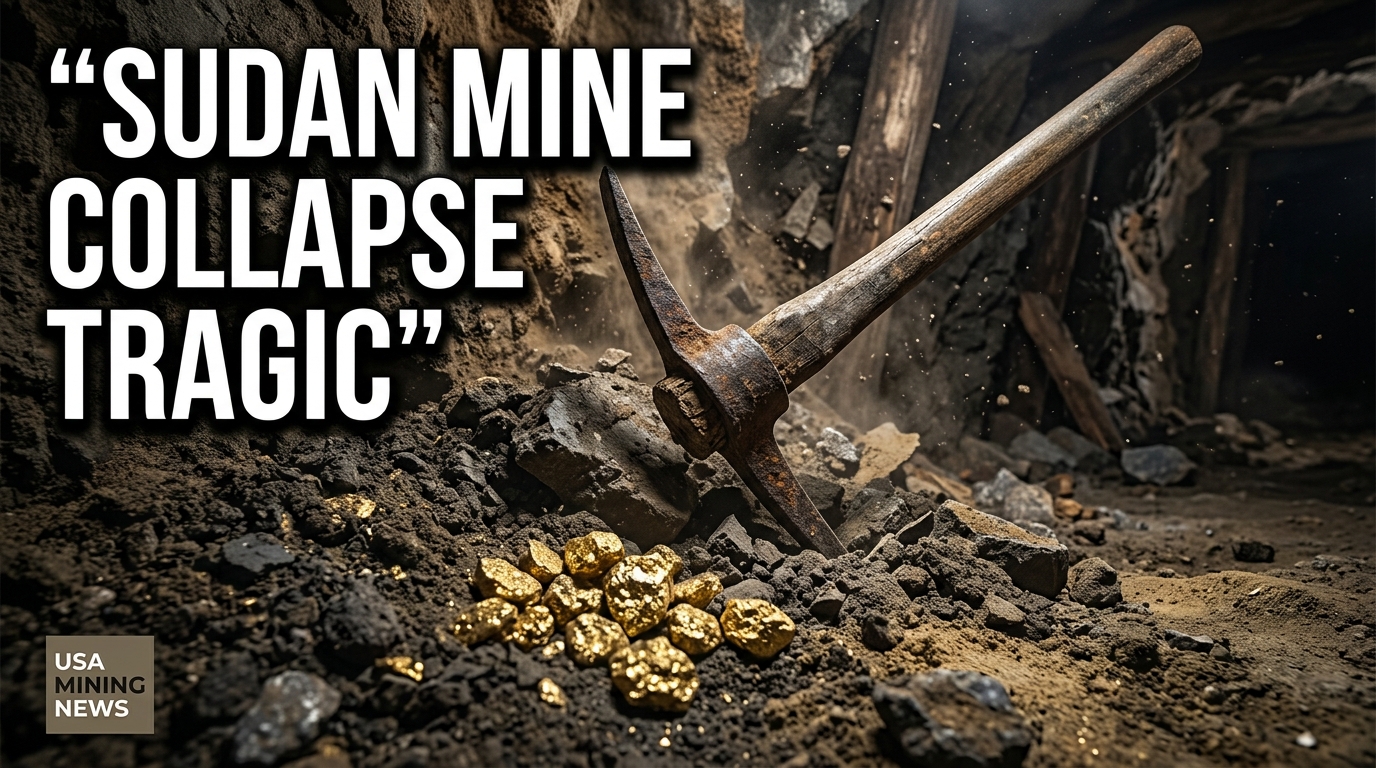
The global mining community has once again been starkly reminded of the perilous conditions faced by many working in informal operations, as a gold mine collapse in Sudan’s West Kordofan state has resulted in a staggering loss of life. As of September 17, 2026, reports confirm at least 60 fatalities, with local monitoring groups indicating the true toll could be significantly higher, potentially exceeding 70 dead or missing. This tragic incident at the al-Zara mine, situated in the Fouja area north-west of al-Nuhud town, underscores the critical need for enhanced safety protocols and modern rescue capabilities within Sudan’s vast, yet largely unregulated, artisanal gold mining sector.
A Catastrophe Unfolds at al-Zara Mine
The disaster struck when a series of adjoining mining shafts gave way at the al-Zara mine, trapping numerous individuals working underground. Initial assessments from local sources, corroborated by monitoring groups, painted a grim picture of the immediate aftermath. The Kordofan Observatory, a local monitoring organization with direct access to eyewitness accounts, reported more than 70 miners either dead or unaccounted for. While the situation remains fluid, a ray of hope emerged with the surfacing of a survivor on Tuesday, suggesting that despite the overwhelming odds, there may still be individuals alive beneath the rubble.
The scale of the catastrophe is, regrettably, a direct consequence of the operational characteristics typical of artisanal mining. The victims are predominantly informal miners, working under hazardous conditions that often lack fundamental safety oversight. Local sources, speaking to Reuters, attributed the high death toll explicitly to a severe dearth of safety protocols and the complete absence of proper rescue equipment at the remote al-Zara site. These informal operations, driven by economic necessity, frequently forgo essential engineering assessments and ground stabilization measures, leaving workers vulnerable to sudden collapses.
Challenges Impeding Rescue and Recovery Efforts
The urgent efforts to save trapped miners and recover bodies have been gravely impeded by the inherently unstable and sandy ground conditions at the al-Zara mine. This geological fragility poses significant risks to rescuers, making any large-scale, mechanized recovery operation exceptionally challenging. In the absence of specialist rescue teams, local residents have courageously stepped forward, utilizing only basic tools to dig through the debris. This reliance on rudimentary methods, while heroic, highlights a profound systemic deficiency in the region’s emergency response infrastructure.
Specialized mining rescue operations typically involve advanced equipment such as ground-penetrating radar, heavy lifting machinery, and shoring systems to stabilize unstable ground. The lack of such resources in West Kordofan not only prolongs the recovery process but also places additional lives at risk, both of those trapped and those attempting the rescue. The inherent danger of these operations, even for highly trained professionals, is magnified exponentially when undertaken by untrained individuals with inadequate tools.
A Pattern of Peril: Previous Incidents and Systemic Risks
This incident is not an isolated event but rather a stark reminder of the chronic safety issues plaguing Sudan's informal mining sector. Just last year, in 2023, another significant gold mine collapse occurred in Sudan's Northern State. That tragedy, near the Al Jabal Al Ahmar mine, approximately 70 kilometers from Wadi Halfa, resulted in the deaths of 14 miners and left more than 20 injured, as reported by Reuters, citing a senior official at the state-owned Sudanese Mineral Resources Company. Eyewitness accounts cited by Sudan’s state-run news agency, SUNA, indicated that the 2023 collapse occurred while workers were using heavy machinery within mining wells, suggesting a similar pattern of inadequate ground stability management and operational risk.
These recurring disasters underscore a deep-seated vulnerability within Sudan's artisanal mining landscape. While large-scale, corporate mining operations adhere to stringent international safety standards, often involving comprehensive geological surveys, robust ground support systems, and trained emergency response teams, the artisanal sector largely operates outside these frameworks. The economic pressures driving individuals into these dangerous occupations often mean that basic safety considerations are overlooked in the pursuit of livelihood.
Sudan's Gold Production Landscape: A Double-Edged Sword
Sudan stands as one of Africa’s largest gold producers, a position that brings both economic opportunity and significant human cost. While precise figures for artisanal production are difficult to ascertain due to the informal nature of the work, it is widely understood that a substantial portion of the nation's gold output originates from these small-scale, often unregulated, operations. This makes the sector a critical component of Sudan’s economy, particularly in rural areas where alternative employment opportunities are scarce.
The allure of gold provides a powerful incentive for individuals, often from impoverished communities, to engage in artisanal mining despite the extreme dangers. The gold extracted through these methods often enters informal markets, making it challenging for regulatory bodies to monitor production, ensure fair labor practices, or implement safety standards. This informal supply chain complicates efforts by governments and international organizations to formalize the sector, provide training, and introduce safer mining techniques. The lack of formalization also means that the significant revenues generated by this industry often bypass official channels, depriving the government of potential taxation income that could be reinvested into improving infrastructure and safety.
Broader Implications for the Global Mining Industry
For the wider mining industry and investors, incidents like the al-Zara collapse carry significant implications. While direct corporate responsibility is typically absent in artisanal mining disasters, the broader market for gold is increasingly scrutinizing supply chain ethics. Consumers and investors are demanding assurance that the gold they purchase or invest in is not associated with human rights abuses, child labor, or unsafe working conditions. These demands fuel initiatives like the Responsible Gold Mining Principles (RGMP) and similar frameworks that seek to ensure gold is sourced and produced responsibly.
The prevalence of such tragedies in major gold-producing nations like Sudan poses a challenge to the entire industry's commitment to responsible sourcing. It highlights the vast disparity in safety standards and worker welfare between large-scale, regulated operations and informal, artisanal mines. This disparity creates a reputation risk for the industry as a whole and necessitates a collective push towards improving conditions in all segments of the gold supply chain.
Looking Ahead: Addressing the Root Causes
The tragic loss of life at the al-Zara mine demands more than just immediate rescue efforts; it calls for a long-term, concerted strategy to address the root causes of these recurring disasters. This includes:
- Regulatory Reform and Enforcement: Developing and enforcing robust mining regulations that extend to artisanal operations, providing clear guidelines for safe practices.
- Formalization and Support: Implementing programs to formalize artisanal miners, offering training in safer mining techniques, and facilitating access to appropriate, albeit small-scale, modern equipment.
- Geological Assessment and Hazard Mapping: Conducting thorough geological assessments of active mining areas to identify and mitigate high-risk zones.
- Emergency Preparedness: Establishing and equipping regional emergency response teams with the necessary tools and training to respond effectively to mining incidents.
- Economic Diversification: Supporting local communities with alternative economic opportunities to reduce dependence on high-risk artisanal mining.
- International Cooperation: Leveraging expertise and resources from international mining organizations and governments to assist Sudan in developing a safer, more sustainable mining sector.
The al-Zara mine collapse is a grim reminder of the human cost exacted by the pursuit of valuable resources in environments devoid of adequate safety measures. As rescue efforts continue amidst the unstable ground of West Kordofan, the broader industry must reflect on its role in promoting responsible practices across the entire value chain, ensuring that the pursuit of gold does not continue to come at such an unbearable human price.