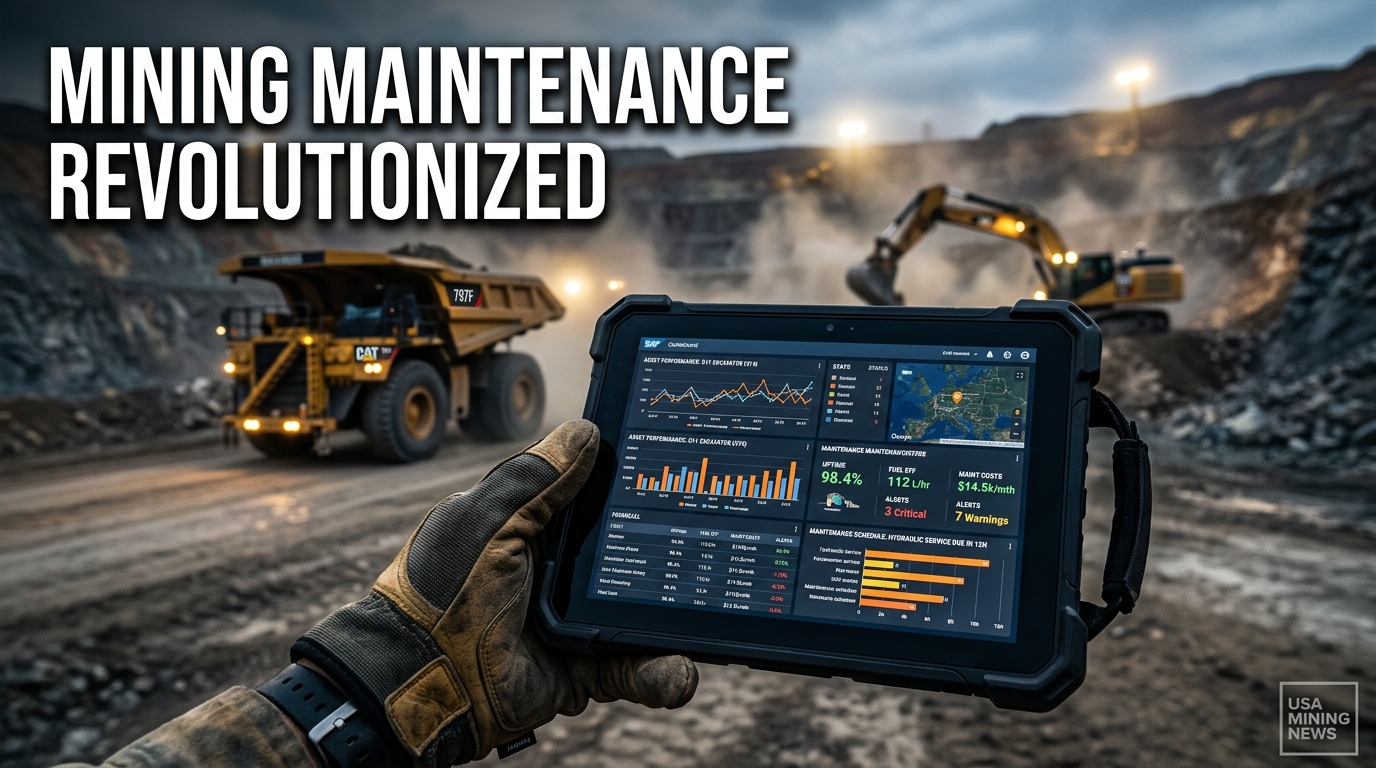
In a significant development for the global mining industry, Syntax, a leading technology solutions provider, officially launched its innovative SAP-based maintenance budgeting tool,
The introduction of
The Imperative for Advanced Maintenance Budgeting in Mining
Maintenance is an indispensable, yet substantial, cost factor in mining operations. The sheer scale, complexity, and remoteness of modern mines, coupled with the heavy-duty machinery and sophisticated processing plants involved, necessitate robust and continuous upkeep. From massive haul trucks and excavators to complex comminution circuits and refining facilities, every piece of equipment demands meticulous maintenance to ensure operational continuity, safety, and efficiency. Unscheduled downtime due to equipment failure can lead to significant production losses, safety hazards, and substantial financial repercussions.
Historically, budgeting for these extensive maintenance requirements has been a labor-intensive process, often managed through disparate spreadsheets across various sites, departments, and assets. This fragmented approach frequently leads to a lack of real-time visibility, inconsistent forecasting, and an inability to conduct timely variance analysis. The dynamic nature of mining, characterized by fluctuating commodity prices, evolving geological conditions, changing regulatory landscapes, and global supply chain vulnerabilities, further compounds the difficulty of maintaining accurate and adaptable maintenance budgets.
As
A Solution Integrated with SAP Cloud ERP
A cornerstone of the new
This integration is crucial for enhancing overall financial oversight. The solution connects budgeting, forecasting, and variance analysis processes directly through established SAP platforms. This architecture ensures data consistency and integrity, allowing finance and maintenance teams to work from a single source of truth. As
Key Features and Operational Impact
The
- Automated Budget Cycles: Moving beyond manual data entry and reconciliation, the system automates the creation and management of budget cycles. This can significantly reduce administrative overhead and accelerate the budgeting process, allowing for more frequent and responsive budget updates. By linking directly to existing SAP data, the system can draw historical cost information, asset registers, and operational schedules to pre-populate budget templates, streamlining what was once a highly laborious task.
- Real-time Visibility and Variance Analysis: One of the most critical enhancements is the provision of real-time visibility into budgets, forecasts, and actual costs. This capability allows operators to continuously track spending across various dimensions: individual sites, specific cost centers, and even down to particular assets. When actual expenditures deviate from budgeted figures, the system can immediately highlight these variances. This proactive alerts finance and maintenance teams, enabling them to investigate discrepancies, understand root causes, and implement corrective actions before cost overruns become unmanageable. Such timely insights are invaluable for maintaining financial discipline and preventing budget blowouts.
- Predictive Cost Modeling: Leveraging historical maintenance data, the software incorporates predictive cost modeling capabilities. This feature moves beyond simple reactive budgeting to a more proactive approach, allowing companies to anticipate future maintenance needs and associated costs. By analyzing past trends, equipment performance, failure rates, and service schedules, the system can project future expenditures more accurately. This capability supports optimal planning for spare parts inventory, scheduling of preventative maintenance, and strategic decisions regarding equipment repair versus replacement. For instance, if historical data indicates a specific component on a fleet of haul trucks typically requires replacement after 8,000 operating hours, the system can predict the upcoming costs for these replacements based on current operational hour accumulation, allowing procurement and finance to prepare accordingly.
These capabilities empower finance and maintenance teams to not only refine their budget planning but also to quickly adjust forecasts in response to changing operational conditions. Whether it's an unexpected equipment breakdown, a change in production targets, or a shift in commodity prices impacting maintenance material costs, the system allows for dynamic adaptation, ensuring that financial plans remain aligned with operational realities.
Broader Implications for the Mining Industry
The launch of
- Enhanced Profitability: Maintenance costs often constitute a significant portion of a mine's operating expenses. By gaining better control and forecasting accuracy, companies can identify areas for cost reduction, optimize resource allocation, and ultimately improve their bottom line. Reduced unplanned downtime, a direct benefit of proactive maintenance planning enabled by this tool, also contributes to higher production rates and increased revenue.
- Improved Asset Reliability: Effective budgeting supports optimal maintenance strategies, including predictive and preventative maintenance. This, in turn, leads to greater asset reliability and availability, ensuring that critical equipment is operational when needed, thereby maximizing throughput and meeting production targets.
- Strategic Capital Allocation: With clearer insights into maintenance costs and asset lifecycle projections, mining companies can make more informed capital expenditure decisions. This includes decisions about major overhauls, equipment upgrades, or new asset purchases, ensuring that investments are strategically sound and yield the best returns.
- Regulatory Compliance and Reporting: Standardized, real-time financial data facilitates easier compliance with reporting standards and internal governance policies. It provides a consistent audit trail and robust data for investor relations and stakeholder communications.
- Driving Digital Maturity: This solution aligns with the broader industry trend of integrating operational technology (OT) with information technology (IT). By bringing maintenance financials onto a central ERP platform, mines can further break down data silos and foster a more integrated, intelligent operational environment.
The Future Outlook for Maintenance Management
The collaboration between Syntax and SAP highlights a growing trend of specialized technology providers partnering with established enterprise platforms to deliver targeted industry solutions. This synergy allows Syntax to leverage SAP's extensive integration capabilities and market penetration while bringing its deep domain expertise in mining maintenance to the forefront. The result is a robust, scalable solution capable of meeting the complex demands of global mining operations.
Looking ahead, the widespread adoption of tools like