U.S. Department of Energy Intervenes to Safeguard Northwest Grid Stability, Extending Life of Centralia Coal Plant Unit
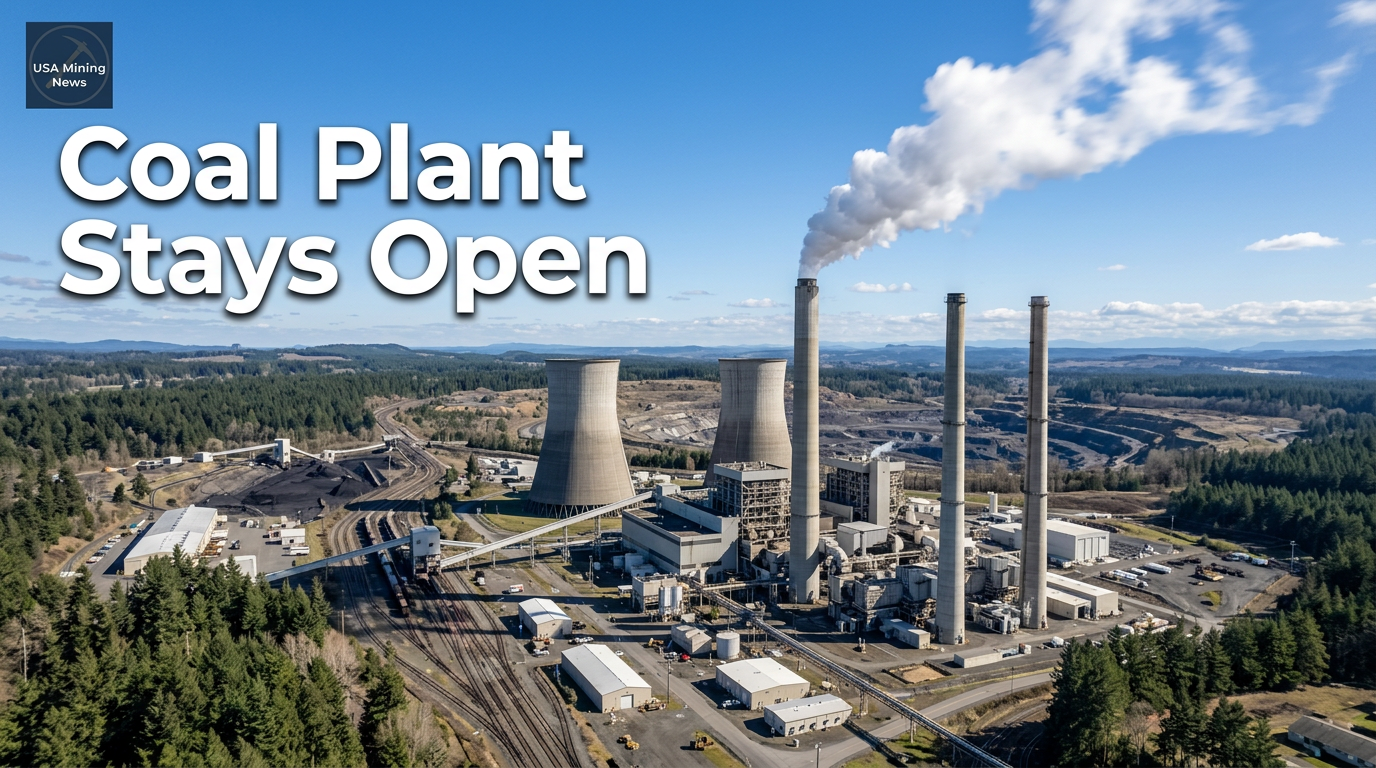
WASHINGTON D.C. – In a significant move reverberating through the energy sector, U.S. Secretary of Energy Chris Wright issued an emergency order on March 16, 2026, directing TransAlta to continue operations at Unit 2 of the Centralia Generating Station in Centralia, Washington. This directive, effective from March 17, 2026, through June 14, 2026, overrides the unit's previously scheduled shutdown at the close of 2025, underscoring the Trump administration's commitment to prioritizing grid reliability, affordability, and energy security in the Northwestern United States.
The intervention comes as the region faces critical grid stability concerns, with the Department of Energy (DOE) highlighting the imperative to avoid potential blackouts and manage electricity costs. For the coal mining industry, this emergency order is more than a temporary reprieve; it represents a clear policy signal and a potential reversal of fortune for an industry that has faced significant headwinds in recent years.
Addressing Critical Reliability Concerns in the Northwest
The primary impetus behind Secretary Wright's order is the perceived vulnerability of the electrical grid in the Northwest. The region, like many across the United States, has been undergoing a transition in its energy mix, with an increasing emphasis on intermittent renewable sources. This shift, while contributing to decarbonization efforts, has introduced complexities regarding baseload power generation and grid stability, particularly during periods of low renewable output or high demand.
Secretary Wright stated, "The last administration’s energy subtraction policies had the United States on track to likely experience significantly more blackouts in the coming years — thankfully, President Trump won’t let that happen." This sentiment frames the emergency order as a strategic counter-measure to previous energy policies, which the administration claims were leading to an unstable energy landscape. The reliable supply of power from a significant facility like the Centralia plant is deemed essential to maintaining grid stability across the Northwest, directly mitigating the risk of widespread outages.
Key Players and Operational Details
At the center of this development is the Centralia Generating Station, an integral component of the Northwest's energy infrastructure for decades. Located in Centralia, Washington, the plant operates under the ownership of TransAlta, a prominent power generation company. Unit 2 of the facility, with a substantial generating capacity of 729.9 megawatts (MW), was slated for retirement at the end of 2025, a decision likely influenced by a combination of market forces, environmental regulations, and state-level energy policies.
This is not the first time the Trump administration has intervened to secure the continued operation of this unit. A prior emergency order was issued by Secretary Wright on December 16, 2025, also directing TransAlta to keep Unit 2 available to operate. The current order extends this directive, emphasizing the ongoing and perceived urgent nature of the reliability challenge. The specified period for the current emergency order – March 17, 2026, through June 14, 2026 – suggests a focused, short-term measure designed to navigate a potentially critical demand period. However, given the administration's stated intent, the industry will be watching closely for any indications of longer-term policy shifts.
Market Context and Broader Implications for the Mining Industry
The DOE's Resource Adequacy Report provides stark context for this decision, projecting a potential 100-fold increase in blackouts by 2030 if the U.S. continued to decommission reliable power sources at the rate observed during the Biden administration. Such projections underscore the vital role that baseload generation – traditionally provided by coal, nuclear, and large-scale natural gas plants – plays in ensuring a stable and reliable electricity supply, especially in regions with growing energy demands and increasing integration of intermittent renewables.
For the coal mining industry, this decision represents a crucial, albeit potentially temporary, lifeline. For years, the sector has grappled with declining demand, mine closures, and significant job losses as utilities retired coal-fired power plants. Federal policies promoting cleaner energy, coupled with competitive natural gas prices, further accelerated this trend.
- Demand Stabilization: Keeping a 729.9 MW coal unit operational, even for a few months, translates into continued demand for metallurgical or thermal coal, depending on the plant's specific needs. This offers stability for specific coal producers and the associated transportation networks.
- Policy Reversal Signal: Secretary Wright's unequivocal statement, "The Trump administration will continue taking action to keep America’s coal plants running so we can stop the price spikes and ensure we don’t lose critical generation sources," sends a powerful signal. It suggests a federal policy environment that is actively working to prevent further coal plant retirements and support existing infrastructure. This could encourage utilities to re-evaluate their long-term decommissioning plans and potentially even consider investments in existing coal-fired assets.
- Investment Climate: A supportive policy environment can impact investor sentiment in the coal mining and associated rail and logistics sectors. While a short-term order may not trigger massive new investments in coal mines, it could provide a boost to companies that have been struggling and offer a reprieve for those considering expansion or modernization of existing facilities.
- Baseload Power Advocacy: The administration's focus on "regardless of whether the wind is blowing or the sun is shining" directly champions the value proposition of coal as a dispatchable, 24/7 power source. This narrative is a significant boost for coal advocates who argue for its essential role in a diverse and robust energy portfolio.
The Future Outlook for Coal Generation and Mining
While the current order for Centralia Unit 2 is short-term, its implications extend beyond June 14, 2026. This action is consistent with the Trump administration’s broader stated goal of reversing coal plant shutdowns across the country. The prior press release mentioned, concerning "Energy Department Approves Immediate Additional LNG Exports from Plaquemines LNG," further indicates a comprehensive strategy focused on maximizing domestic energy production and export capacity across various fuel types.
The fundamental challenge for the mining industry, particularly thermal coal producers, remains the long-term outlook for coal-fired power generation. Even with federal support, factors such as stringent environmental regulations, carbon emissions pricing (where applicable), and ongoing competition from natural gas and renewable energy sources continue to influence utility decisions. However, the current administration's stance offers a potential buffer, buying time for utilities to assess grid needs and for the coal industry to potentially adapt.
Moving forward, industry stakeholders will be keenly observing whether these emergency orders evolve into more comprehensive, longer-term federal policies aimed at sustaining or even expanding the operational lifespan of existing coal plants. The political discourse surrounding reliable baseload power versus decarbonization efforts will continue to shape the U.S. energy landscape, and for the mining industry, the actions taken by the Department of Energy represent a critical indicator of future market conditions and regulatory frameworks.
The directive to keep Centralia Generating Station's Unit 2 running is a clear demonstration of the Trump administration's resolve to prioritize grid stability and affordability, even if it means intervening directly in utility operations. For the coal sector, this signifies not just a temporary halt in the decline but a potential turning point in federal energy policy, warranting close attention from mining executives, investors, and policymakers alike.