JSW Steel Charts New Course with Major Coking Coal Venture in Mozambique's Moatize Basin
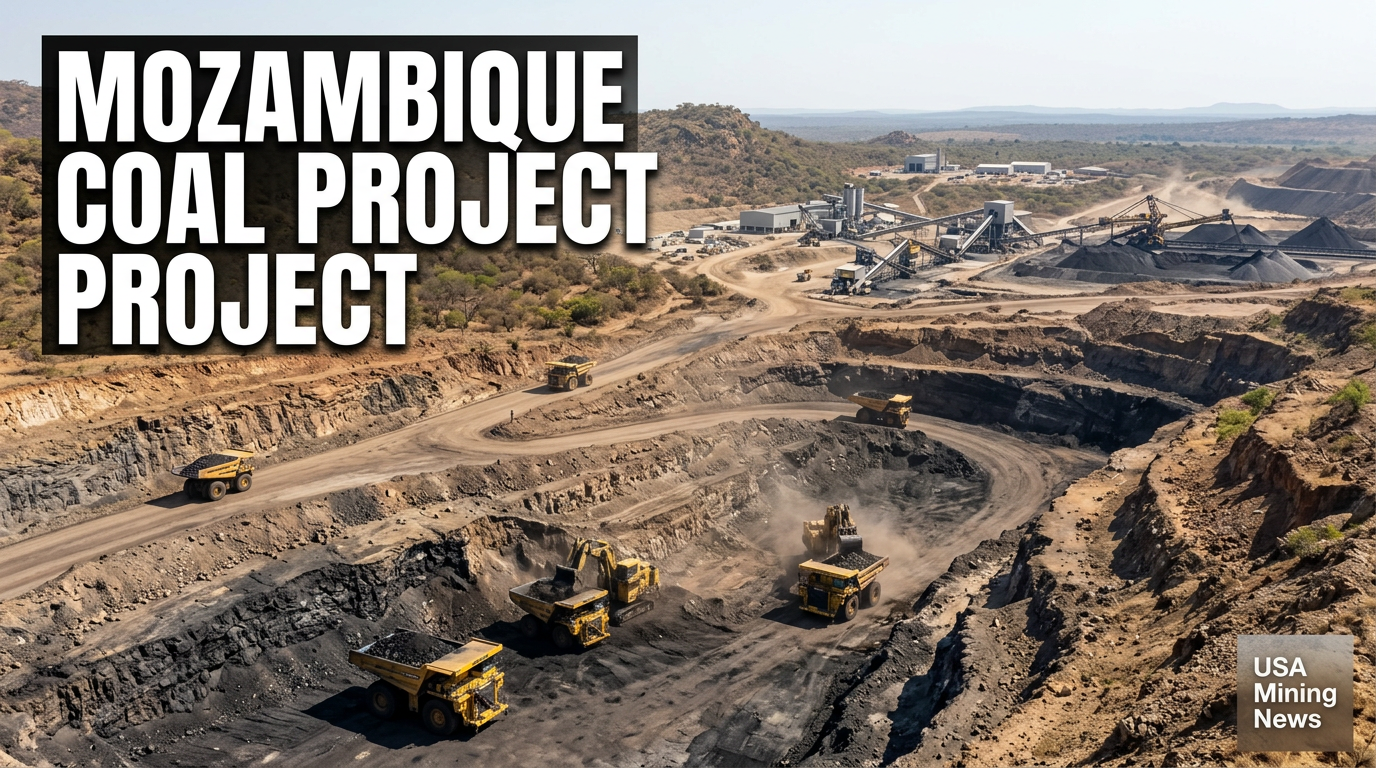
Moatize, Mozambique – March 16, 2026 – In a significant move set to reshape its raw material supply chain and deepen industrial ties between India and Mozambique, JSW Steel, a leading Indian steel producer, has formally initiated the development of the Minas de Revuboè (MdR) coking coal mining project. Situated within Mozambique’s renowned Moatize coal basin in Tete Province, this ambitious undertaking positions JSW Steel to secure a crucial supply of high-grade coking coal, a fundamental input for modern steel manufacturing, while simultaneously contributing to the economic growth of the host nation.
The official commencement was celebrated during a high-profile ceremony held in Moatize. The event was graced by the presence of the President of the Republic of Mozambique, Daniel Francisco Chapo, alongside senior representatives from JSW Group and esteemed officials from the Indian Government. This convergence of political and industrial leaders underscores the strategic importance both countries attach to the MdR project, signaling a new era of enhanced collaboration and investment.
Project Details: Minas de Revuboè (MdR) at a Glance
The Minas de Revuboè project is located strategically approximately 10 kilometers north of Tete city, granting it advantageous proximity to the Beira and Nacala ports – critical logistical arteries for exporting commodities from Mozambique. This geographical positioning is expected to provide substantial logistical efficiencies for JSW Steel as it plans to supply its sprawling steel plants in India.
Geological assessments estimate the total coal reserves at the MdR project to be a substantial 850 million tonnes (mt). From this significant resource base, approximately 250 million tonnes are projected to be extractable, focusing on prime hard coking coal. This volume represents a long-term, stable supply source, crucial for a company of JSW Steel's scale and ambition.
The development of MdR will proceed in a phased approach, reflecting a structured and methodical commitment to bringing the asset online. The initial phase is designed to achieve a production capacity of 2.4 million tonnes per annum (mtpa) of hard coking coal. This first stage of production is expected to span a period of two and a half years, providing a substantial and immediate boost to JSW Steel's raw material inventory.
Strategic Imperative: JSW Steel's Backward Integration Play
For JSW Steel, the MdR project represents a pivotal move in its long-term corporate strategy: backward integration. Backward integration in the mining and manufacturing sector involves a company purchasing or acquiring control of its upstream suppliers. In the context of steelmaking, this means securing direct access to essential raw materials like iron ore and, critically, coking coal, rather than relying solely on external markets.
India, despite being a major steel producer, faces limitations in its domestic premium coking coal resources. Consequently, Indian steel manufacturers are heavily reliant on imports, making them susceptible to the inherent volatility of global coking coal prices, which can fluctuate wildly due to geopolitical events, supply chain disruptions, and shifting demand dynamics. By investing directly in a coking coal mine like MdR, JSW Steel aims to:
- Ensure Supply Security: Guaranteeing a steady and reliable flow of high-quality coking coal, a non-negotiable component for blast furnace steel production.
- Manage Cost Fluctuations: Reducing its exposure to the erratic swings of the global spot market, thereby optimizing long-term production costs and improving profitability margins.
- Enhance Competitiveness: Achieving greater control over input costs allows for more predictable pricing and a stronger competitive position in the global steel market.
- Support Sustainability Goals: The project is also expected to align with JSW Steel’s broader decarbonisation efforts. Access to high-grade coking coal can contribute to more efficient blast furnace operations and potentially lower overall carbon emissions in steel production, a critical consideration for the energy-intensive industry.
This initiative not only de-risks JSW Steel's operational framework but also strengthens India's industrial resilience by securing vital resources through international partnerships.
Mozambique's Vision: Fostering Investment and Development
The Mozambican government has warmly welcomed JSW Steel’s entry into its mining sector. President Daniel Francisco Chapo articulated the nation's enthusiasm, stating, "The government and people of Mozambique are elated by the entry of a world leader like JSW Steel into Mozambique. With the development of the Minas de Revuboè project, Mozambique looks forward to creating a world-class mining asset. With JSW Steel’s presence, Mozambique will prove to international investors the ease of doing business in Mozambique."
This statement highlights Mozambique's proactive stance in attracting foreign direct investment, particularly in its rich mineral resources sector. The Moatize coal basin, where MdR is located, is already internationally recognized for its significant coal deposits, especially coking coal. Major players have historically operated or explored in this region, solidifying its reputation as a key global source. JSW Steel's commitment not only brings capital and expertise but also enhances the country's credibility as a viable and attractive destination for large-scale mining operations. Such projects typically lead to job creation, infrastructure development, and increased tax revenues, supporting the nation's broader socio-economic development agenda.
Logistical Advantages and Market Implications
The strategic location of the MdR project offers distinct logistical advantages. Proximity to Tete city minimizes internal transport costs and complexities, while access to the Beira and Nacala ports provides efficient routes for international shipping. Beira Port, a crucial gateway for mineral exports, and Nacala Port, known for its deep-water capabilities, are essential for linking Mozambique's interior resources to global markets. This robust logistics network is vital for ensuring the timely and cost-effective delivery of coking coal to JSW Steel's operations in India.
From a market perspective, JSW Steel's increased self-sufficiency in coking coal could have several implications. While it reduces the company's direct buying from the spot market, potentially easing demand pressure on specific routes, the overall global coking coal market is vast, and new production coming online is generally absorbed by growing demand, particularly from developing economies. This strategic move by JSW Steel reflects a broader industry trend among major steel producers to secure long-term, stable raw material supplies to hedge against price volatility and geopolitical risks.
Future Outlook and Broader Industry Impact
The initiation of the MdR project marks the start of a multi-year development and production cycle. Over the next two and a half years, the focus will be on bringing the initial 2.4 mtpa phase to full operational capacity. Beyond this, future phases will likely target expanding production to fully leverage the estimated 250 million tonnes of extractable reserves.
For the global mining industry, this project underscores Mozambique’s enduring appeal as a source of high-quality coal, even amidst increasing global scrutiny on fossil fuels. It highlights that coking coal, due to its indispensable role in steelmaking (for which there are currently no economically viable large-scale alternatives), will remain a critical commodity for global industrial development for the foreseeable future. Furthermore, it exemplifies the growing trend of strategic resource acquisition by major industrial players seeking resilience and control over their supply chains.
The partnership between JSW Steel and Mozambique also signifies a deepening of economic ties between India and African nations, particularly in the critical minerals and energy sectors. This collaboration is likely to pave the way for further Indian investment in Mozambique and the wider African continent, fostering a more interconnected global resource economy. As JSW Steel progresses with the MdR project, the international mining community will closely watch its execution and the subsequent impact on both the company's strategic positioning and Mozambique's role as a key player in the global coking coal market.