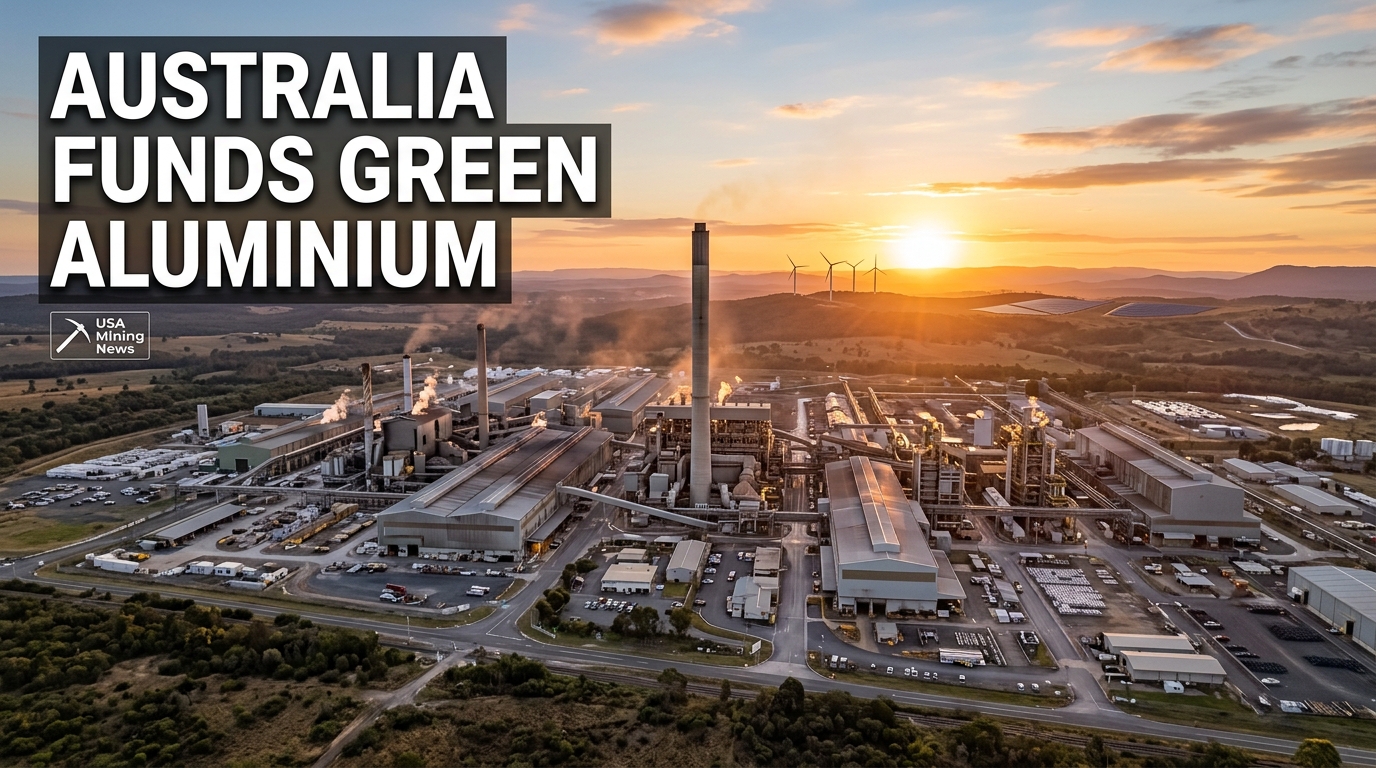
In a pivotal development for Australia's industrial landscape and global aluminium production, the Australian and New South Wales (NSW) Governments announced on August 13, 2026, a joint commitment of A$2.5 billion (approximately US$1.76 billion) to support the continued operation and energy transition of the Tomago Aluminium smelter. This substantial financial injection is designed to ensure the commercial viability of the facility beyond its current electricity contract expiry at the end of 2028, guaranteeing the long-term employment of more than 1,000 direct workers and an estimated 5,000 indirect roles within the Hunter region.
The core objective of this strategic government backing is to establish a robust, long-term renewable energy solution for the Tomago smelter. This initiative is not merely about sustaining operations; it is a critical step towards decarbonizing over 10% of NSW’s electricity grid, positioning the region at the forefront of sustainable heavy industrial practices. The agreement underscores a growing global trend where governments and industries are collaborating to de-risk and accelerate the transition to cleaner energy sources for energy-intensive sectors.
A Strategic Imperative: Decarbonization and Energy Security
The commitment reflects a dual imperative: ensuring the stability of a vital industrial asset and propelling the nation's ambitious decarbonization agenda. Aluminium smelting is notoriously energy-intensive, with electricity costs representing a significant portion of operational expenditure. Volatile energy prices and the increasing global demand for low-carbon products have made securing stable, renewable power a paramount concern for smelters worldwide.
Under the terms of the new agreement, Tomago Aluminium will enter a 10-year power purchase arrangement (PPA), slated to commence on January 1, 2029, immediately following the conclusion of its existing electricity contract. Crucially, the smelter has committed to sourcing all its electricity from renewable generation by 2033. This phased transition provides a clear pathway for the integration of new renewable energy projects and the necessary infrastructure upgrades.
The broader impact of this initiative extends beyond the smelter itself. The funding is expected to catalyze the development of up to 3 gigawatts (GW) of new renewable electricity generation and associated firming capacity within NSW. This significant boost to the state's energy infrastructure will not only support the smelter's needs but also enhance overall grid stability and supply for the wider community, aligning with Australia's national energy security goals and renewable energy targets. Furthermore, the agreement aims to foster growth in both the clean energy and advanced manufacturing sectors, signalling a forward-looking industrial policy.
A key component of Tomago Aluminium's commitment is an investment of at least A$1.1 billion at the facility. This includes a dedicated A$100 million towards specific decarbonization initiatives and the establishment of a demand-response program. The demand-response program is particularly noteworthy for the electricity grid. It involves the smelter voluntarily reducing its electricity consumption during periods of peak demand or grid stress, in exchange for financial incentives. This capability provides essential flexibility and stability to the state’s electricity system, which is increasingly integrating intermittent renewable energy sources.
Key Players and Joint Venture Dynamics
Tomago Aluminium operates as a significant joint venture, bringing together major players in the global mining and metals industry. The ownership structure is as follows:
- Rio Tinto: holds a 51.55% stake, making it the majority owner and operator.
- Gove Aluminium Finance: holds 36.05%.
- Norsk Hydro: holds 12.4%.
This multinational consortium highlights the global interest and strategic importance of the Tomago operation. Rio Tinto, as the majority owner, plays a pivotal role in steering the smelter's strategic direction and operational efficiency. Jérôme Pécresse, Chief Executive of Rio Tinto Aluminium and Lithium, emphasized the collaborative nature of the deal, stating, "This agreement secures Tomago Aluminium’s long-term future, supporting Australian manufacturing, skilled jobs and the Hunter community, as well as providing security of supply to the smelter’s global customers. It demonstrates what can be achieved when industry, governments and workers come together to strengthen Australia’s manufacturing sector." His comments underscore the multifaceted benefits of such partnerships, extending from local job creation to global supply chain reliability.
The Australian Government and the NSW Government are the primary funders in this public-private partnership. While the total government commitment is A$2.5 billion, the NSW Government’s direct support is capped at A$1.22 billion over the decade commencing in 2029. This financial backing from both federal and state levels highlights a concerted effort to support critical domestic industries and accelerate the energy transition.
Operational Scale and Economic Impact
Situated approximately 13 kilometers west of Newcastle in the Hunter region of NSW, Tomago Aluminium is a powerhouse of Australian industrial production. The smelter boasts an impressive annual production capacity of up to 590,000 tonnes of aluminium. This volume represents a substantial portion—nearly 40%—of Australia's total aluminium output, cementing its status as a cornerstone of the national economy and a significant contributor to global aluminium supply chains.
The smelter's economic footprint extends far beyond its direct output. It directly employs around 1,000 people, with an additional 200 contractors regularly on-site. The broader economic impact is even more profound, as it is estimated to support approximately 5,000 indirect jobs throughout the Hunter region. These roles span various sectors, including logistics, maintenance, engineering, and local services, making Tomago a critical economic anchor for the community. The government's investment package, therefore, serves as a crucial safeguard for regional employment and economic stability, preventing potential mass job losses and the associated socio-economic disruption that would occur if the smelter were to face closure due to unviable energy costs.
Financial Commitments and Investment Breakdown
The intricate financial architecture of this deal demonstrates a shared commitment to long-term sustainability. The A$2.5 billion total government commitment is a testament to the strategic importance placed on Tomago Aluminium's future. The NSW Government's specific allocation of up to A$1.22 billion over a decade, starting in 2029, illustrates a structured, long-term approach to financial support, tied directly to the operational transition.
Crucially, the private sector is also making substantial investments. Tomago Aluminium’s commitment of at least A$1.1 billion into its facility signifies a strong belief in its future viability. This investment includes not just the A$100 million dedicated to decarbonization but also broader improvements and modernization efforts essential for maintaining competitiveness. This shared financial burden, with both public and private entities investing billions, underscores the scale of the undertaking and the collective resolve to achieve its ambitious goals. The A$100 million specifically allocated to decarbonization initiatives reflects an industry-wide recognition that environmental performance is now inseparable from economic competitiveness.
Broader Industry Context and Future Outlook
This agreement for Tomago Aluminium is not an isolated incident but rather a significant indicator of a broader trend within the global mining and metals sector. Energy-intensive industries, particularly aluminium smelting, are under immense pressure to reduce their carbon footprint and transition to sustainable operating models. Governments globally are recognizing the need to support these industries through their transition, often through public-private partnerships, to maintain industrial capacity and skilled employment while achieving climate targets.
The deal follows a similar, separate agreement reached in March 2026 concerning the Boyne aluminium smelter at Gladstone, Queensland. This pattern suggests a strategic, coordinated approach by Australian governments to secure the future of the nation’s aluminium smelting capacity through renewable energy integration. Such precedents provide a degree of certainty for other heavy industries considering similar transitions and may serve as a model for future investment and policy decisions.
The long-term implications are profound. By securing a future powered by renewable energy, Tomago Aluminium is positioning itself to produce "green aluminium," a product with rapidly increasing demand from environmentally conscious consumers and manufacturers. This transition could provide a significant competitive advantage in global commodity markets, where the environmental footprint of production is becoming a key differentiator. For investors, this deal signals a de-risking of Australian industrial assets facing energy transition challenges, potentially enhancing investor confidence in the sector's long-term sustainability and profitability.
As the global economy continues its shift towards a lower-carbon future, the successful execution of the Tomago Aluminium energy transition will be a critical case study. It demonstrates how robust government policy, strategic private investment, and technological innovation can converge to secure vital industrial operations, protect jobs, and make substantial progress towards national decarbonization goals.