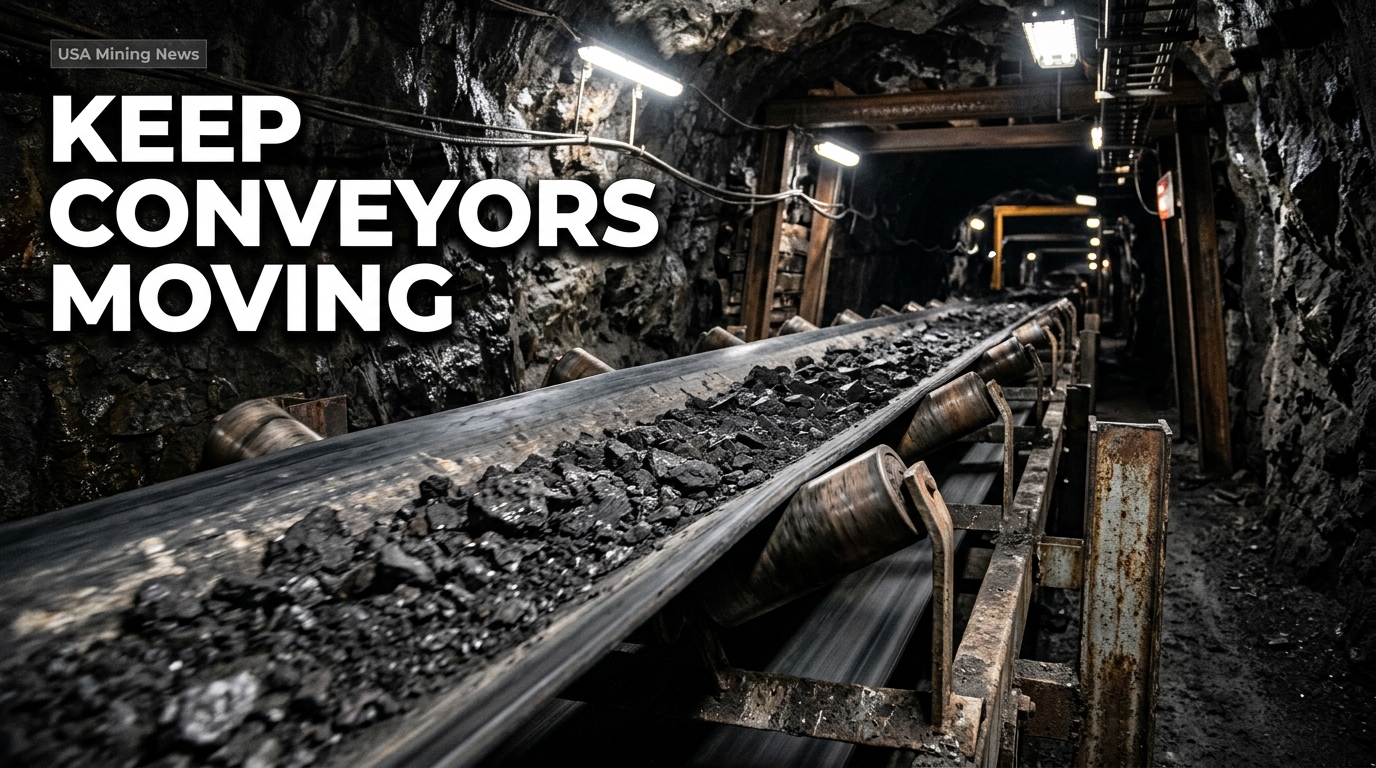
The uninterrupted flow of ore and waste material is the lifeblood of any modern mining operation, particularly in the complex, confined environments found underground. Conveyor belt systems serve as the primary arteries for this critical transport, moving immense volumes of material efficiently from the face to the surface or processing plant. However, these hardworking systems are also prone to wear, damage, and unexpected breakdowns, leading to costly downtime, production bottlenecks, and heightened safety risks. Addressing these recurring failures is not merely a maintenance task; it is a strategic imperative for operational resilience and profitability in the global mining sector.
The Critical Role of Underground Conveyors
Underground mining, by its very nature, presents a unique set of challenges that magnify the importance of robust material handling. Unlike surface operations where trucks and trains offer greater flexibility, underground mines rely heavily on fixed conveyor systems due to space constraints, ventilation requirements, and the need for continuous, high-volume material flow over potentially long distances and varying gradients. For a typical large-scale underground operation, such as the subterranean copper mines in Arizona or deep gold mines in Nevada, conveyors can span several kilometers, transporting thousands of tonnes per hour. Their reliability directly dictates the mine's overall throughput and efficiency. A single major belt failure can bring an entire production shaft to a standstill, impacting targets and costing millions in lost revenue daily. For example, at a mine producing 50,000 tonnes of ore per day, even a few hours of conveyor downtime can represent a significant economic loss, easily exceeding hundreds of thousands of dollars when considering lost production value, repair costs, and labor overtime.
The High Cost of Unplanned Downtime
The financial ramifications of an unplanned conveyor breakdown extend far beyond immediate repair costs. Lost production is arguably the most significant impact. Consider a major iron ore operation in Western Australia, where a primary trunk conveyor failure can halt the movement of 10,000 tonnes per hour. If such a failure persists for 24 hours, the mine could lose 240,000 tonnes of production. At a conservative iron ore price of $100 per tonne, this represents a $24 million hit to revenue, not including the cost of repairs. Beyond this, there are numerous cascading effects:
- Increased Labor Costs: Emergency repairs often require overtime shifts, specialized personnel, and expedited parts delivery.
- Safety Hazards: Rushed repairs, working in damaged areas, or manual handling of material during a breakdown can elevate safety risks for personnel.
- Equipment Damage: Secondary damage to idlers, pulleys, motors, or structures can occur due to belt rips, mistracking, or material spillage.
- Environmental Concerns: Spillage can lead to localized contamination and require extensive cleanup, adding to operational costs and potential regulatory scrutiny.
- Reduced Overall Equipment Effectiveness (OEE): Consistent breakdowns erode OEE metrics, making it harder to meet production targets and optimize resource utilization.
These factors underscore the critical need for a proactive, comprehensive approach to conveyor maintenance and reliability.
Strategy One: Proactive Belt Protection and Maintenance
One of the most effective ways to mitigate recurring conveyor failures is through rigorous proactive belt protection and maintenance regimes. This involves implementing measures that shield the belt from damage, minimize wear, and ensure its structural integrity throughout its operational life. Industry best practices suggest several key areas:
- Advanced Belt Cleaning Systems: Material carry-back is a major contributor to spillage, premature idler wear, and mistracking. High-performance primary and secondary belt scrapers, coupled with specialized ploughs for the return side, can significantly reduce carry-back. Modern systems often feature tungsten carbide tips, self-adjusting tensioners, and modular designs for easier maintenance, like those offered by companies such as Martin Engineering or Flexco.
- Impact Beds and Cradles: Loading zones are points of extreme stress for conveyor belts. Instead of traditional impact idlers, which can flat-spot or seize, resilient impact beds utilize rubber bars designed to absorb kinetic energy from falling material, distributing the load evenly and protecting the belt from punctures and tears. These systems also help stabilize the belt, preventing material spillage at transfer points.
- Optimized Idler and Roller Management: Seized or worn idlers create excessive friction, leading to localized heating, belt damage, and increased energy consumption. Regular inspection and replacement of idlers, along with the use of high-quality, sealed-for-life bearings, are crucial. Some mines are experimenting with composite idlers that offer superior wear resistance and lighter weight, reducing power consumption and installation efforts.
- Edge Protection and Sealing: Preventing material from escaping the belt's edges and preventing damage to the belt edges themselves is vital. Skirtboard sealing systems, particularly those with multiple sealing layers, help contain material and prevent abrasive damage to the belt's edges, which can lead to premature failure.
By investing in these preventative measures, mining companies can drastically extend belt life, reduce the frequency of minor repairs, and minimize the risk of catastrophic failures.
Strategy Two: Advanced Monitoring and Diagnostics
The advent of Industry 4.0 technologies has revolutionized conveyor management, shifting from reactive repairs to predictive maintenance. Modern mines are increasingly leveraging sophisticated monitoring systems to gain real-time insights into conveyor health, allowing for interventions before minor issues escalate into major breakdowns:
- Belt Rip Detection Systems: These systems, using technologies such as induction loops, RFID tags embedded in the belt, or optical sensors, can detect longitudinal belt tears instantaneously, triggering an immediate shutdown to prevent further catastrophic damage. For example, a system might detect a tear propagation within milliseconds, shutting down a 3 km long conveyor before the damage extends beyond a few meters.
- Thermal Imaging and Vibration Analysis: Infrared cameras can identify hot spots on idlers, pulleys, or motor bearings, indicating friction or impending component failure. Similarly, vibration sensors on critical rotating components can detect imbalances or bearing wear, providing early warning signals for maintenance scheduling.
- Belt Alignment and Tracking Sensors: Laser-based or ultrasonic sensors continuously monitor belt alignment, detecting mistracking issues early. Persistent mistracking causes edge damage, structural wear, and material spillage. Automated adjustment systems, though less common, are also emerging.
- Integrated Control Systems and Predictive Analytics: Data from various sensors (load cells, speed sensors, power consumption monitors) are fed into a central control system. Advanced algorithms, sometimes leveraging artificial intelligence and machine learning, analyze these data patterns to predict potential failures, optimize operational parameters, and recommend maintenance schedules. This allows maintenance teams to transition from time-based or reactive maintenance to condition-based maintenance, maximizing asset utilization.
Companies like Sandvik and Metso Outotec are actively integrating these advanced diagnostics into their equipment offerings, providing comprehensive solutions for real-time monitoring and data analysis.
Strategy Three: Optimized Material Transfer and Loading
Many conveyor failures originate at transfer points where material is loaded onto the belt. Poorly designed or maintained transfer chutes can cause severe impact damage, excessive spillage, and accelerate belt wear. Optimizing these critical interfaces is paramount:
- Engineered Chute Design: Modern chute designs prioritize smooth, controlled material flow, minimizing impact angles and velocity. Computational Fluid Dynamics (CFD) modeling is often used to simulate material flow, identify wear points, and optimize the trajectory to load material gently onto the belt in the direction of belt travel. This reduces impact energy and prevents material "dead zones" where abrasive wear is concentrated.
- Wear-Resistant Liners: Chutes should be lined with durable, low-friction materials like ceramics, ultra-high molecular weight polyethylene (UHMW-PE), or specialized steel alloys. These liners protect the chute structure, extend its lifespan, and ensure consistent material flow. Regular inspection and replacement of worn liners are essential.
- Controlled Loading: The goal is to load material centrally onto the belt, at a velocity as close as possible to the belt's speed, and in a way that minimizes turbulence and dust generation. This reduces abrasive wear, prevents material scattering, and ensures even distribution of load across the belt's width, preventing mistracking. Adjustable gates and diverters can help manage flow rates and even out the load.
Effective transfer point design not only protects the belt but also improves dust suppression, reduces spillage cleanup, and enhances overall operational safety.
Strategy Four: Robust Training and Standard Operating Procedures (SOPs)
Even the most technologically advanced conveyor systems require competent human oversight. A well-trained workforce, coupled with clear Standard Operating Procedures (SOPs), forms the bedrock of reliable conveyor operations:
- Comprehensive Operator Training: Operators need to understand not just how to start and stop a conveyor, but also how to identify early warning signs of trouble (e.g., unusual noises, excessive vibration, visible mistracking, material build-up). They should be trained on immediate response protocols for minor issues and emergency shutdown procedures.
- Skilled Maintenance Technicians: Maintenance teams require specialized training in conveyor belt splicing, idler replacement, pulley lagging, alignment procedures, and the use of diagnostic tools. Continuous professional development ensures they are proficient with new technologies and best practices.
- Clear SOPs for Inspections: Routine visual inspections are crucial. SOPs should define what to look for, how often inspections should occur (e.g., daily visual checks, weekly detailed inspections, monthly comprehensive surveys), and how to document findings. This includes checks for belt damage, idler condition, spillage, structural integrity, and electrical components.
- Documentation and Continuous Improvement: All maintenance activities, repairs, and observations should be meticulously documented. This data is invaluable for identifying recurring problems, tracking component lifespans, and informing continuous improvement initiatives. Regular reviews of incident reports and trend analysis can highlight areas needing procedural or technological upgrades.
An engaged and well-informed workforce is often the first line of defense against potential failures, empowering mines to react quickly and effectively.
Industry Context and Broader Implications
The drive for enhanced conveyor reliability aligns perfectly with broader industry trends towards greater operational efficiency, sustainability, and safety. Reducing conveyor failures contributes directly to:
- Energy Efficiency: Well-maintained belts with minimized friction and optimal loading reduce the power consumption required for material transport, contributing to lower operating costs and a reduced carbon footprint.
- Environmental Stewardship: Less spillage means reduced waste, less contamination, and fewer resources expended on cleanup, supporting environmental compliance and community relations.
- Safety: A reliable conveyor system is inherently safer. Fewer emergency interventions in hazardous environments, reduced manual handling of spilled material, and predictable operations all contribute to a safer workplace.
- Competitive Advantage: Mines with superior conveyor reliability can achieve higher throughput, lower operating costs, and greater adaptability to market fluctuations, giving them a distinct competitive edge in the global commodities market.
Major mining houses, including Rio Tinto, BHP, and Freeport-McMoRan, consistently prioritize asset integrity management, recognizing that investments in reliability yield substantial returns in productivity and shareholder value.
The Future Outlook: Towards Autonomous and Resilient Conveying Systems
The trajectory for conveyor technology points towards even greater autonomy and resilience. Future developments are likely to include:
- Self-Healing Belts: Research is underway for belts with embedded sensors and even self-repairing capabilities for minor punctures, potentially using smart materials.
- Autonomous Inspection and Repair: Drones and robotic systems equipped with AI-powered vision systems could conduct routine inspections, while specialized robots might perform certain maintenance tasks in hazardous areas.
- Enhanced Predictive Maintenance with AI: Machine learning algorithms will become even more sophisticated, not just identifying anomalies but also prescribing optimal maintenance actions and predicting component end-of-life with higher accuracy.
- Integration with Mine-Wide Automation: Conveyor systems will become seamlessly integrated into fully automated mining operations, responding dynamically to production schedules, ore grades, and energy demands without human intervention.
The goal is to move towards "lights out" operations for material transport, where human intervention is minimal, and systems operate with near-perfect reliability, maximizing uptime and safety.
In conclusion, recurring underground conveyor failures are not an inevitable cost of doing business. By strategically implementing proactive belt protection, leveraging advanced monitoring technologies, optimizing material transfer points, and fostering a culture of robust training and disciplined SOPs, mining operations can significantly reduce unplanned downtime. This holistic approach not only safeguards production and profitability but also enhances safety and environmental performance, paving the way for more resilient, efficient, and sustainable underground mining operations in the years to come.