The Copi Critical Minerals Project Secures Landmark NSW Approval, Poised for Global Supply Chain Impact
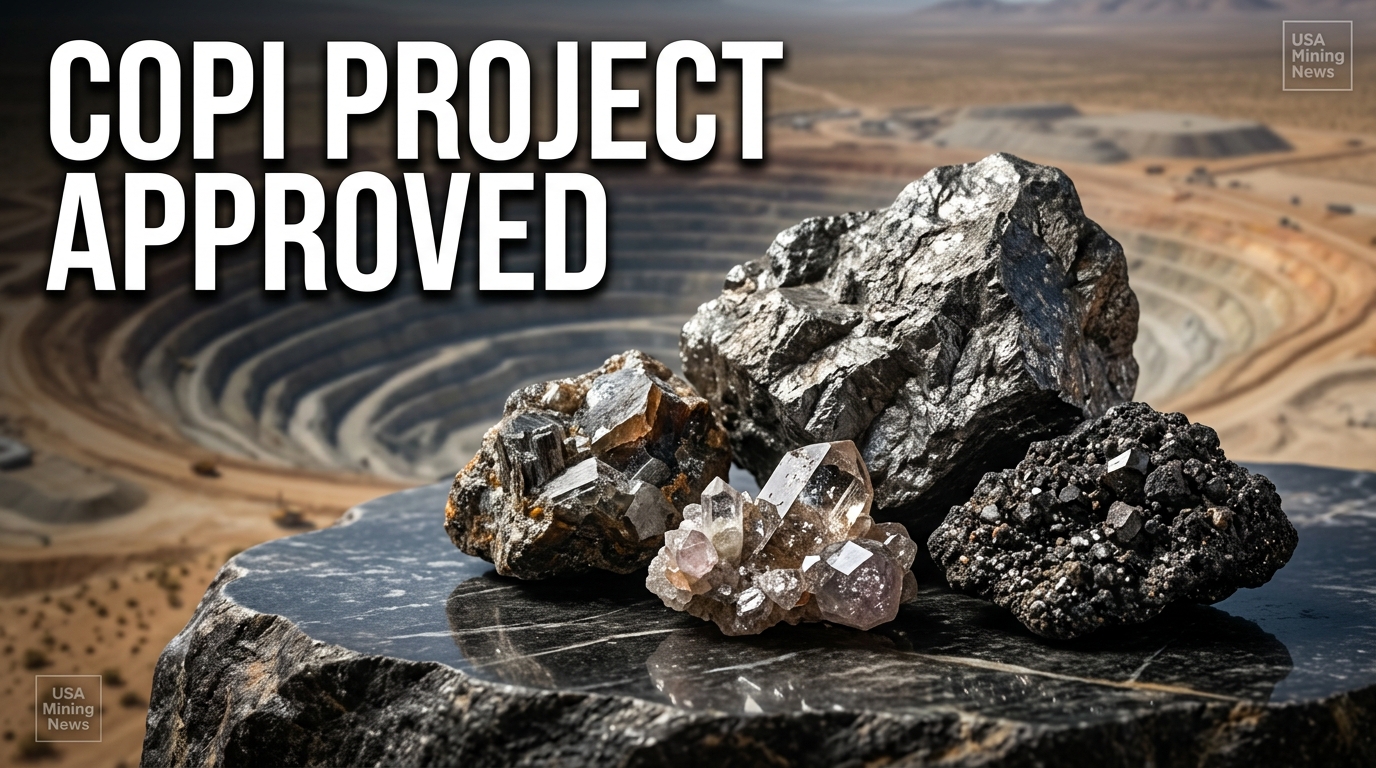
SYDNEY, NSW – May 27, 2026 – The global critical minerals landscape is set to witness a significant new entrant following the recent development approval granted to RZ Resources’ Copi Critical Minerals Project by the New South Wales (NSW) Department of Planning, Housing and Infrastructure. This crucial regulatory clearance marks a major de-risking event for the project, positioning it to become a substantial producer of vital industrial minerals and rare earth elements, with initial production targeted for early 2029. Situated approximately 75 kilometers northwest of Wentworth in south-western NSW, the Copi Project is touted by RZ Resources as one of the largest known critical minerals deposits worldwide, promising to bolster international supply chain resilience and deliver considerable economic benefits to regional Australia.
A Pivotal Regulatory Milestone for RZ Resources
The formal approval from NSW authorities represents a defining moment for RZ Resources, signaling the government’s confidence in the project’s viability and its potential to be developed responsibly and sustainably. This stage approval is a prerequisite for advancing toward final clearances, securing the necessary project funding, and ultimately reaching a Final Investment Decision (FID). David Fraser, founder and executive chairman of RZ Resources, emphasized the strategic importance of this achievement, stating, “Receiving NSW development approval for the Copi Project is a defining moment for RZ Resources, for the Wentworth community, and for Australia’s critical minerals sector.” He further elaborated, “It marks a major milestone on our pathway towards first production in early 2029 and reflects the confidence of the NSW Government that Copi can be developed responsibly, sustainably and to the long-term benefit of the region.” Such governmental endorsements are critical for large-scale mining projects, particularly those involving minerals of national and international strategic importance, as they demonstrate a clear pathway through complex environmental and social impact assessments.
Strategic Location and Vast Resource Potential
The Copi Critical Minerals Project is strategically located within what is known as the Murray Basin, a geological province renowned for its heavy mineral sands deposits. The project’s unique mineralogy and scale are what set it apart. Once operational, it is slated to produce an array of essential minerals that are foundational to modern industrial and technological applications. These include:
- Titanium Minerals: Rutile, leucoxene, and ilmenite. These are primary feedstock for titanium metal production, widely used in aerospace, medical implants, and high-performance alloys, as well as a key pigment in paints, plastics, and paper for its bright white opacity.
- Premium Zircon: A high-demand mineral crucial for ceramics, refractories, and foundry applications due to its high melting point and chemical resistance.
- Rare Earth Elements (REEs): Specifically, monazite and xenotime. These phosphates are primary sources for critical REEs such as neodymium, praseodymium, dysprosium, and terbium, which are indispensable components in permanent magnets for electric vehicles, wind turbines, and advanced electronics.
The concurrent production of these diverse minerals from a single deposit offers significant economic advantages and positions RZ Resources as a multi-commodity supplier within the critical minerals sector. The company’s assertion that Copi represents one of the largest known deposits of critical minerals globally highlights its potential to significantly impact global supply dynamics for these crucial materials.
A Multi-National Backing for Critical Supply Chains
The geopolitical significance of critical minerals has driven unprecedented international collaboration and investment in projects that promise resilient supply chains. The Copi Project stands as a prime example of this trend, having attracted robust backing and recognition from the governments of Australia, the United States, Japan, and India. This multi-national support underlines the project's strategic role in diversifying and securing the global supply of essential minerals against geopolitical risks and supply disruptions.
Key indicators of this international endorsement include:
- Its inclusion in the US Export–Import Bank (EXIM) financing announcements at the 2025 Quad Leaders’ Summit, reflecting its alignment with the Quad nations’ agenda for critical minerals security.
- References to the project in a joint statement on critical minerals cooperation issued by the Australian and Japanese governments in May 2026, further cementing its role in bilateral resource agreements.
Such high-level governmental backing provides not only political certainty but also opens avenues for financial support and off-take agreements, crucial elements for de-risking large-scale mining ventures. Furthermore, private sector entities like JX Advanced Metals and Marubeni have also provided investment and support, acknowledging the project's long-term potential and its critical role in future industrial supply chains demanding these specialized materials. Their involvement often brings technical expertise, market access, and financial stability, essential for navigating the complexities of project development and market entry.
Economic Infusion for the Wentworth Region and Beyond
Beyond its global supply chain implications, the Copi Critical Minerals Project is set to deliver substantial socioeconomic benefits to the local and regional communities of south-western NSW. Large-scale mining projects are often catalysts for regional development, and Copi is no exception. During its construction phase, the project is expected to generate up to 480 direct jobs, providing significant employment opportunities and stimulating local economies through demand for services, housing, and goods.
Upon transitioning to operational status, the project will sustain a permanent workforce of approximately 240 roles. These long-term positions are generally skilled, offering stable careers in a regionally remote part of New South Wales. The economic impact extends beyond direct employment, with the project anticipated to inject up to $97 million in annual economic benefit into the surrounding region. This financial contribution will support local businesses, enhance infrastructure, and contribute to government revenues through taxes and royalties, thereby funding public services and further community development initiatives.
Navigating the Regulatory Landscape: A Blueprint for Development
Receiving development approval is the culmination of a rigorous and extensive regulatory process, one that is mandatory for major projects in NSW. The approval granted to Copi followed a period of comprehensive public consultation, allowing stakeholders, local communities, and environmental groups to provide feedback and raise concerns. This consultative phase is critical for ensuring transparency and addressing potential impacts upfront. Following public input, a detailed review was conducted by relevant government bodies, including those specializing in environmental protection, water resources, and cultural heritage, among others. RZ Resources then submitted a detailed "Response to Submissions," demonstrating how it intends to manage and mitigate identified impacts and incorporate feedback into its project design and operational plans.
While this stage approval represents a pivotal green light, it is important to note that it is not the final hurdle. For RZ Resources, the next steps involve securing final clearances (e.g., mining leases, water licenses), arranging the substantial project financing required for construction, and ultimately making a Final Investment Decision (FID). These subsequent steps are complex and require significant financial and strategic acumen, but the development approval significantly de-risks the project and enhances its attractiveness to potential investors and lenders.
RZ Resources' Broader Strategic Vision: MSP and Future Growth
The Copi Project is not the only strategic initiative underway for RZ Resources. Demonstrating a broader vision for processing capabilities and market reach, the company is also actively refurbishing its Mineral Separation Plant (MSP) located on the Brisbane River. This MSP is slated to be recommissioned in 2027. Significantly, ahead of the Copi mine’s commencement of operations, the MSP is positioned to process ore from third parties. This strategic move allows RZ Resources to generate revenue earlier, optimize its processing capabilities, and establish itself as a key regional player in mineral processing, thereby strengthening its overall market position and operational expertise in advance of Copi's full production.
The Road Ahead: Production, Market Impact, and Global Implications
With NSW development approval secured, RZ Resources is firmly on track towards its goal of initial production in early 2029. The successful realization of the Copi Critical Minerals Project will undoubtedly enhance Australia's standing as a reliable and significant global supplier of critical minerals. As demand for electric vehicles, renewable energy technologies, and advanced electronics continues to surge, the importance of secure and diverse supplies of titanium minerals, zircon, and rare earth elements will only grow. The Copi Project, with its substantial resource base and strong international backing, is poised to play a crucial role in meeting this escalating demand, contributing to global technological advancement and economic stability for decades to come. Its progression will be closely watched by industry stakeholders, investors, and governments worldwide.