The intricate dance of global energy markets often requires strategic intervention to maintain stability, especially when regional disruptions threaten critical supply chains. On October 23, 2026, the U.S. Department of Energy (DOE) announced precisely such an intervention, authorizing an emergency exchange of up to 400,000 barrels of crude oil from the nation's Strategic Petroleum Reserve (SPR) to bolster fuel supplies in the critical Gulf Coast region. This swift action, aimed at supporting the Phillips 66 Lake Charles Refinery in Louisiana, highlights the government's proactive approach to energy security and carries significant, albeit indirect, implications for energy-intensive sectors such as the American mining industry.
DOE Mobilizes Strategic Petroleum Reserve for Regional Stability
The core of the DOE's announcement centers on an emergency crude oil exchange designed to mitigate a supply disruption impacting the Phillips 66 Lake Charles Refinery. This refinery, a vital component of the Gulf Coast's refining infrastructure, faced temporary issues affecting its crude oil deliveries. To prevent potential ripple effects across the transportation fuel supply in Louisiana and surrounding regions, the DOE authorized the immediate release of up to 400,000 barrels of crude oil from the West Hackberry SPR site.
Under the terms of this specific exchange, Phillips 66 is obligated to return the borrowed crude oil to the SPR with additional "premium barrels," ensuring that the national reserve is not only replenished but strengthened, all at no additional cost to American taxpayers. This mechanism underscores the SPR's role as a dynamic tool for managing energy supply fluctuations while safeguarding national assets.
DOE Under Secretary of Energy Kyle Haustveit emphasized the department's commitment to energy security: "With this exchange, the Energy Department is taking definitive action to support refinery operations, maintain stable fuel supplies, and ensure all Americans continue to have access to the affordable, reliable, and secure energy they rely on every day." Haustveit further noted that this emergency exchange not only alleviates supply disruption but also "requires Phillips 66 to return more barrels to the SPR than are currently being withdrawn, saving hardworking taxpayers millions of dollars and delivering on the Trump Administration’s commitment to strengthen and safeguard America’s energy security."
The Strategic Petroleum Reserve: America’s Energy Backstop
Established in the wake of the 1973-74 oil embargo, the Strategic Petroleum Reserve is the world's largest supply of emergency crude oil. Its primary mission is to provide an emergency crude oil supply to the United States in response to severe energy supply disruptions, whether caused by natural disasters, geopolitical events, or technical failures. Located in a complex of underground salt caverns along the Texas and Louisiana Gulf Coasts, the SPR serves as a vital insurance policy against economic shocks caused by sudden interruptions in oil supply.
The SPR is designed to:
- Mitigate Supply Disruptions: Provide a ready supply of crude oil to refiners when commercial supplies are interrupted.
- Stabilize Markets: Help prevent price spikes and economic instability during periods of shortage.
- Fulfill International Obligations: The U.S., as a member of the International Energy Agency (IEA), is required to maintain emergency oil stocks.
The current exchange with Phillips 66 exemplifies a short-term, targeted use of the SPR for regional stability rather than a large-scale national release. These smaller, more localized exchanges are a testament to the SPR's flexibility and its ability to address specific logistical bottlenecks or operational challenges within the refining sector.
Operational Context: The Phillips 66 Lake Charles Refinery
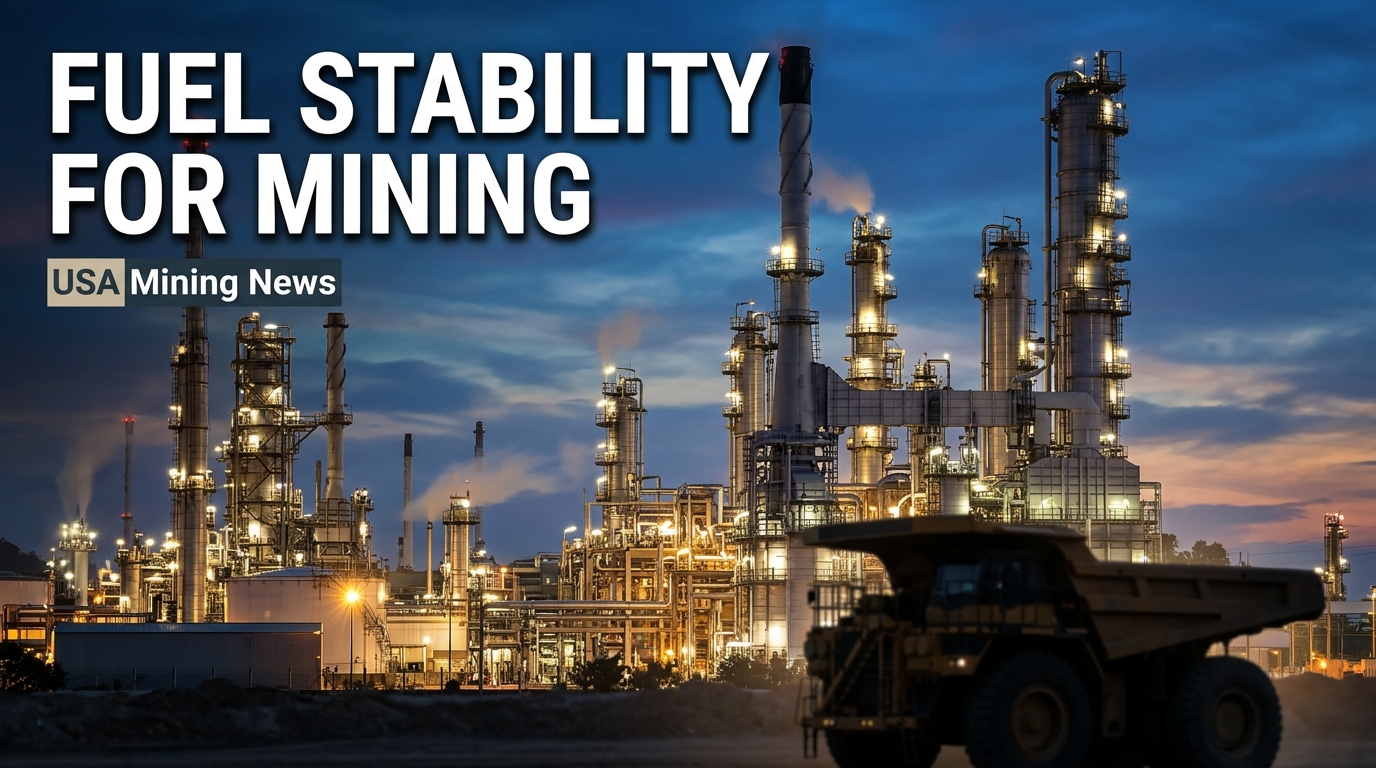
The Phillips 66 Lake Charles Refinery is a crucial facility situated in Westlake, Louisiana, within the robust energy corridor of the Gulf Coast. This region is home to a significant portion of the nation's refining capacity and is a strategic hub for energy production and distribution. Refineries like Lake Charles process crude oil into a variety of petroleum products, including gasoline, diesel, jet fuel, and other petrochemical feedstocks.
A disruption at such a facility can have immediate and widespread consequences for local and regional economies heavily reliant on transportation fuels. By providing up to 400,000 barrels of crude oil for immediate delivery, the DOE's action ensures that the Lake Charles Refinery can maintain its operational tempo, continuing to produce essential transportation fuels for the communities it serves. The selection of the West Hackberry SPR site, also in Louisiana, facilitates rapid transfer and minimizes logistical challenges, underscoring the efficiency of the emergency response.
Broader Implications for U.S. Energy Security
This SPR exchange is not an isolated incident but rather fits into a broader pattern of proactive measures undertaken by the DOE to strengthen U.S. energy security and support critical industrial infrastructure. Just a day prior, on October 22, 2026, the Energy Department announced its intent to use Defense Production Act funding to restart an American refinery and expand refining capacity, signaling a commitment to domestic processing capabilities. Furthermore, on the very same day as the SPR exchange, October 23, 2026, the DOE designated helium as a critical material, highlighting the administration's focus on securing vital resources across the supply chain. These concurrent actions demonstrate a comprehensive strategy to fortify the nation's energy and industrial foundations against various threats and vulnerabilities.
Such strategic interventions are vital for maintaining economic stability and industrial competitiveness. They send a clear signal that the U.S. government is prepared to act decisively to ensure the reliable delivery of energy supplies, an assurance that reverberates across all sectors of the economy.
Why Fuel Stability Matters to the Mining Industry
While the immediate beneficiary of this SPR exchange is a petroleum refinery, the implications for the mining industry are substantial and multifaceted. Mining is one of the most energy-intensive industries globally, and its profitability and operational continuity are inextricably linked to stable and affordable fuel supplies.
- Heavy Equipment Operation: Massive haul trucks, excavators, loaders, drills, and other heavy machinery used in open-pit and underground mining operations are overwhelmingly powered by diesel fuel. A disruption in diesel supply or a sudden spike in its price can significantly escalate operational costs, compress margins, and even halt production. For mines operating on tight schedules and budgets, predictable fuel costs are paramount.
- Power Generation: Many remote mining sites, particularly in frontier regions, rely on diesel-fired generators for their primary electricity supply. Fuel stability directly impacts the cost of power, which in turn affects processing costs for crushing, grinding, and refining mined materials.
- Logistics and Transportation: Beyond on-site operations, the mining supply chain is heavily dependent on fuel for transportation. This includes moving raw materials, reagents, and personnel to mine sites, and transporting concentrate or finished products from mines to ports or smelters via rail, truck, or even barges. Disruptions in regional fuel availability can create bottlenecks, increase shipping costs, and delay market delivery.
- Commodity Market Sensitivity: Energy costs are a significant component of the overall cash cost of producing most mined commodities. Fluctuations in fuel prices can therefore impact global commodity markets, affecting competitiveness and investment decisions. For example, a surge in diesel prices can make lower-grade ore bodies uneconomical to mine.
- Investment Climate and Operational Risk: A government that demonstrates a commitment to energy security and stability, through actions like the SPR exchange, contributes to a more predictable and less risky operating environment. For international and domestic mining companies evaluating investment in U.S. projects, the assurance of stable energy supplies is a critical factor in their risk assessment and financial modeling.
In essence, the DOE's intervention to stabilize fuel supply in Louisiana indirectly safeguards the operational viability of countless mining companies across the nation and strengthens the broader economic framework within which they operate.
Future Outlook and Proactive Governance
The U.S. Department of Energy has clearly articulated its continued commitment to monitoring the fuel supply chain and stands ready to utilize all available authorities to support reliable energy delivery and protect national energy security. This proactive stance suggests that similar targeted interventions may occur in the future should regional or national supply disruptions arise.
For the mining industry, this indicates a supportive regulatory and governmental environment that recognizes the foundational role of energy in industrial operations. While direct benefits might not be immediately apparent, the assurance of energy stability provides a crucial bedrock for long-term planning, investment in new projects, and the sustainable operation of existing mines. As the nation continues to navigate complex global energy dynamics, such measures are vital for sustaining not just transportation and refining, but the entire industrial fabric, including the critical materials provided by the mining sector.