WASHINGTON D.C. – In a move set to significantly strengthen the nation's energy infrastructure, the U.S. Department of Energy (DOE) announced on October 13, 2026, its intention to support the Tennessee Valley Authority (TVA) in a substantial grid expansion initiative. This ambitious undertaking, projected to add approximately 4,300 megawatts (MW) of new grid capacity, is designed to enhance reliability, mitigate outages, and ultimately lower electricity costs across an eight-state service region. The investment underscores a federal commitment to modernizing the bulk power system, addressing the growing demands of a rapidly expanding economy, and ensuring a secure and affordable energy supply for critical industries, including the mining sector.
Federal Investment Fuels Critical Grid Modernization Across Eight States
The core of the DOE's announcement centers on a funding award to TVA for 84 transmission and distribution projects. These projects, primarily driven by the Resilience Amplified: Multi-Market Grid Interconnection Initiative, fall under the DOE's broader Grid Resilience and Innovation Partnerships (GRIP) project. The total investment for these specific GRIP projects amounts to approximately $581 million, comprising $250 million in federal funding and a substantial $331 million in applicant cost-share funding from TVA and its partners.
Upon completion, these projects are expected to contribute approximately 2.5 gigawatts (GW) of additional grid capacity. This significant boost is not merely about increasing power availability; it is strategically aimed at reducing grid congestion, improving overall efficiency, and enhancing the system's ability to withstand disruptions, thereby creating greater grid resilience. The DOE estimates that these investments will directly benefit 2.58 million families and businesses, ensuring they have access to the affordable, reliable, and secure power essential for daily life and economic activity. Furthermore, the initiative is projected to support about 800 jobs, providing a direct economic stimulus in the region.
The Strategic Role of the Tennessee Valley Authority
The selection of the Tennessee Valley Authority as the primary recipient and implementer of these projects highlights its crucial role as one of the nation's largest public power providers. TVA serves a vast region across parts of eight southeastern U.S. states, making it a critical player in regional energy stability and economic development. The collaborative effort between the DOE and TVA exemplifies a strategic partnership to address national energy priorities at a regional level.
U.S. Deputy Secretary of Energy James P. Danly emphasized the administration's focus on bolstering energy infrastructure. "Since day one, President Trump has recognized that years of misguided energy policies under the previous administration left our bulk power system less robust than it should be," said Deputy Secretary Danly. "America is blessed with an abundance of natural resources and some of the most advanced technology in the world, but we must have the generation and transmission infrastructure necessary to support our rapidly growing economy and its electricity needs. These investments with TVA will help reduce congestion, improve efficiency, and make better use of our existing transmission system to lower costs for ratepayers while delivering affordable, reliable, and secure energy essential to American prosperity."
Adding to this perspective, Office of Electricity (OE) Assistant Secretary Katie Jereza underscored the practical benefits. "America's electric grid cannot become a roadblock to economic growth," said Assistant Secretary Jereza. "By bringing TVA and local utilities together, we're helping reduce costly outages and deliver more power where it's needed. That means fewer disruptions for families, more opportunities for businesses, and a stronger foundation for American jobs."
Complementary Initiatives: GRIP and SPARK
The DOE's latest announcement builds upon and complements its prior selection of TVA for the Speed to Power through Accelerated Reconductoring and other Key Advanced Transmission Technology Upgrades (SPARK) program. When combined, the GRIP and SPARK projects for TVA represent a monumental planned grid investment totaling nearly $741 million. This includes approximately $329.8 million in federal support and is expected to deliver more than 4,300 MW of additional grid capacity across the region.
Under the SPARK program specifically, TVA is slated to undertake significant upgrades along approximately 125 miles of existing transmission lines. These upgrades will occur across key areas including Tennessee, Alabama, and North Carolina. The SPARK component, with an estimated cost of $159.7 million, will incorporate advanced conductors and state-of-the-art grid-management technology. This technological infusion is projected to add an impressive 1,900 MW of transmission capacity and further reduce congestion, enhancing the efficiency and responsiveness of the power delivery system.
Technical and Operational Enhancements
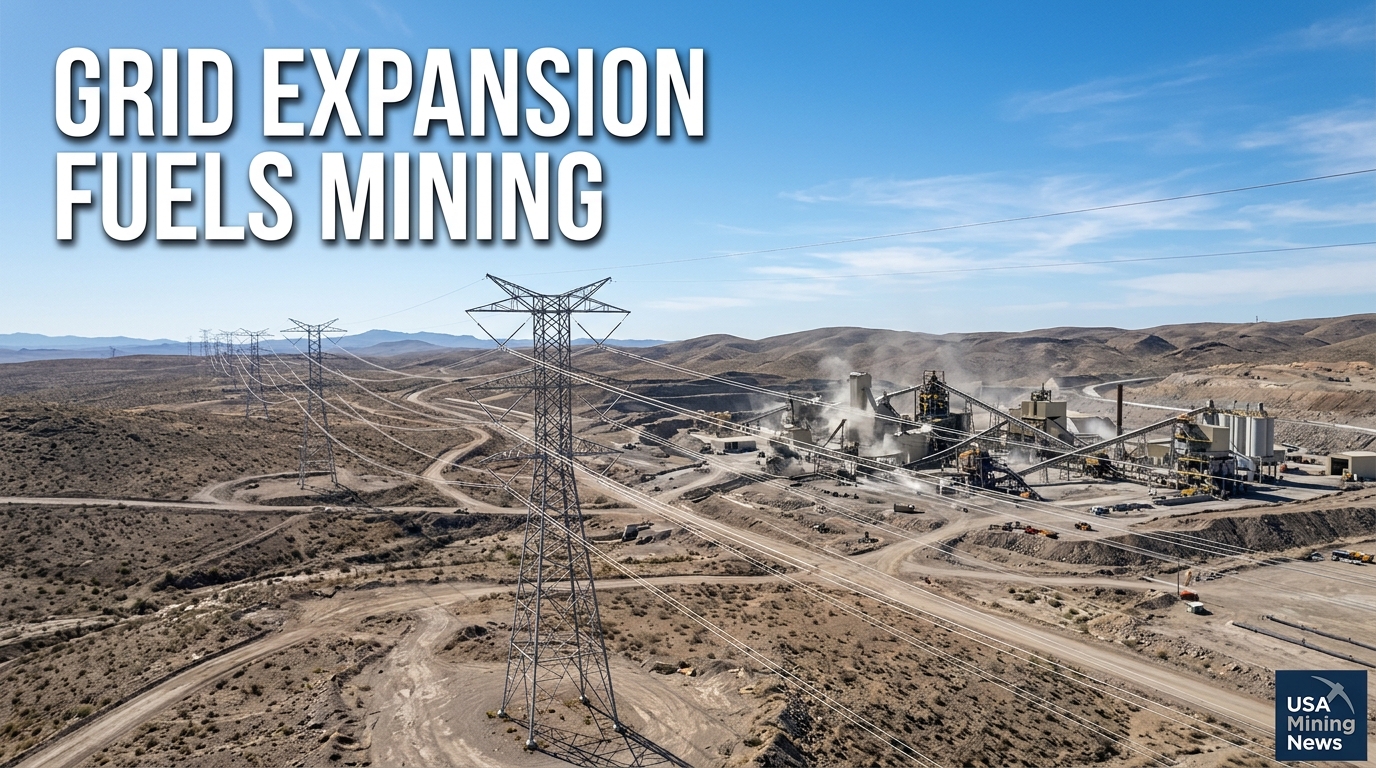
The implementation of these GRIP and SPARK projects signifies a multi-faceted approach to grid modernization. From a technical standpoint, the deployment of advanced conductors will allow existing transmission corridors to carry significantly more power without necessitating entirely new rights-of-way, an often time-consuming and costly process. Grid-management technologies, including smart sensors, automated controls, and sophisticated analytics, will enable TVA to monitor and manage power flow more dynamically, anticipate potential issues, and reroute power more effectively during disturbances. This translates directly into:
- Reduced Congestion: Allowing power to flow more freely, especially during peak demand, preventing bottlenecks that can lead to higher prices and reduced reliability.
- Improved Efficiency: Minimizing energy losses during transmission, ensuring more power generated reaches its end users.
- Enhanced Resilience: Strengthening the grid's ability to withstand extreme weather events, cyberattacks, and other disruptions, leading to fewer and shorter outages.
- Increased Capacity: Providing the necessary headroom for future load growth, supporting economic expansion and the integration of new energy sources.
Implications for the Mining Industry
For the U.S. mining industry, these grid enhancements by the DOE and TVA carry profound implications, touching upon operational efficiency, cost management, and future strategic development:
- Ensuring Uninterrupted Operations: Mining operations, from massive open-pit mines to underground ventures, are inherently power-intensive. Large-scale machinery such as electric shovels, haul trucks, crushers, conveyors, and processing plants require a continuous and stable supply of electricity. Grid outages or even minor fluctuations can lead to significant downtime, damage to sensitive equipment, and substantial financial losses. The 4,300 MW of added capacity and enhanced reliability will directly translate into a more dependable power supply for existing mines and those considering expansion in the region.
- Managing Operating Costs: Electricity represents a substantial operational expenditure for mining companies. Reduced grid congestion and improved efficiency, as projected by the DOE, can lead to lower wholesale electricity prices and more stable energy costs. This directly impacts the profitability of mining ventures, particularly for operations with tight margins or those extracting lower-grade ores that demand higher processing energy.
- Facilitating Electrification and Decarbonization: The mining industry is increasingly moving towards electrification of its mobile fleet and other operations to reduce greenhouse gas emissions and improve working conditions. Electric haul trucks, loaders, and auxiliary equipment require significant charging infrastructure and a robust, reliable grid to support their energy demands. A stronger grid with expanded capacity is fundamental to enable this transition, supporting the industry's sustainability goals and its commitment to decarbonization.
- Supporting Critical Mineral Extraction: As the demand for critical minerals—such as lithium, copper, nickel, and rare earth elements—escalates for the burgeoning clean energy transition, new mining projects and expansions will be essential. These projects often require substantial power connections. The enhanced grid capacity and reliability ensure that the necessary infrastructure is in place to support the development of new critical mineral mines, crucial for national economic security and energy independence.
- Supply Chain Resilience: Beyond direct mining operations, a reliable power grid supports the entire mining supply chain, including equipment manufacturers, processing plants, and transportation networks. This broader resilience contributes to overall stability and predictability for the industry.
Regulatory and Environmental Considerations
While the announcement marks a significant step forward, the DOE has indicated that final federal funding, project scope, schedules, and other award conditions remain subject to the execution of DOE agreements. Additionally, applicable environmental, permitting, regulatory, and Tribal reviews must be completed. This reflects the standard rigorous process for large-scale infrastructure projects, ensuring that all aspects, from ecological impact to stakeholder engagement, are thoroughly addressed before full implementation.
Outlook: A Stronger Foundation for Economic Growth
The DOE's substantial investment in the TVA grid, combining the GRIP and SPARK initiatives, represents a forward-looking strategy to fortify the nation's energy backbone. By adding thousands of megawatts of capacity, reducing congestion, and improving resilience, these projects aim to deliver affordable, reliable, and secure energy – a cornerstone for American prosperity. For the mining industry, this means a more stable operating environment, greater cost predictability, and the essential infrastructure required to support modernization, decarbonization, and the vital extraction of minerals that power the future economy.